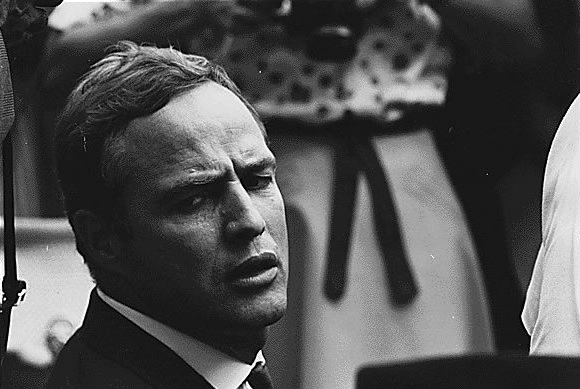
Every screen legend had to start somewhere, and often it was in a role so small or forgettable that even devoted fans forget it exists. Long before the Oscars, the iconic close-ups, and the AFI tributes, these nine actors were unknowns hoping for a single line of dialogue or a few seconds of screen time. This gallery walks through their actual first film appearances, some triumphant, some blink-and-you-miss-it, and puts your classic cinema knowledge to the test.
1. Humphrey Bogart and His Quiet Start in “Up the River”
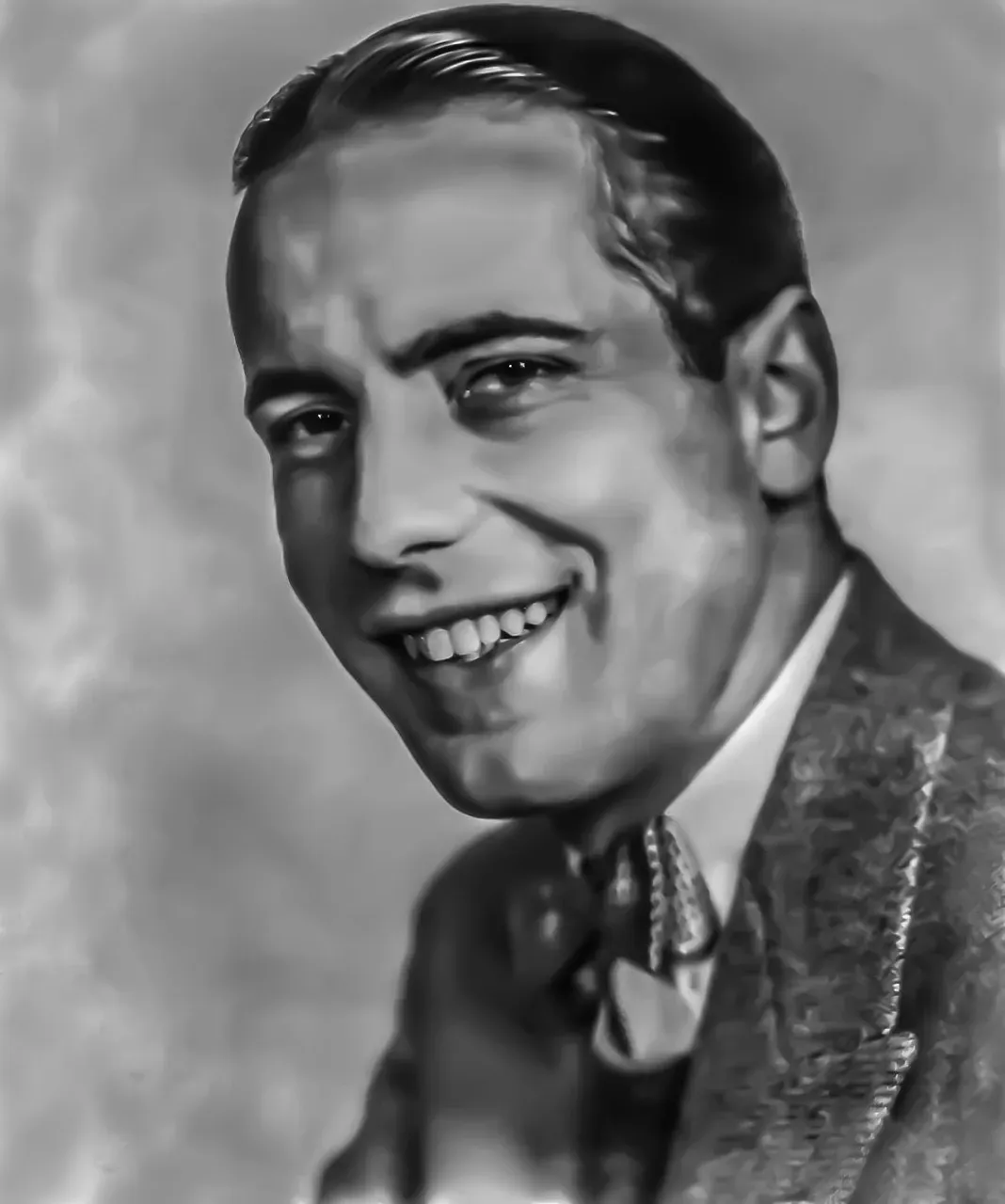
Bogart’s path to becoming, in the words of the American Film Institute, the greatest male star of classic Hollywood cinema, began far from tough-guy territory. Up the River is a 1930 American pre-Code comedy film directed by John Ford and starring Claire Luce as well as Spencer Tracy and Humphrey Bogart in their feature-film debuts. It remains the only movie in which the two men, both future giants of American film, ever shared a screen together.
What makes this debut especially surprising is the character Bogart played. The cast featured Spencer Tracy at the start of his screen career opposite Warren Hymer, with an early appearance by Humphrey Bogart in a “nice boy” role atypical of his later persona. Anyone picturing Bogart as Rick Blaine or Sam Spade might be shocked to learn his very first film role was about as far from a hardened cynic as it gets.
2. John Wayne’s Uncredited Debut on a Football Field
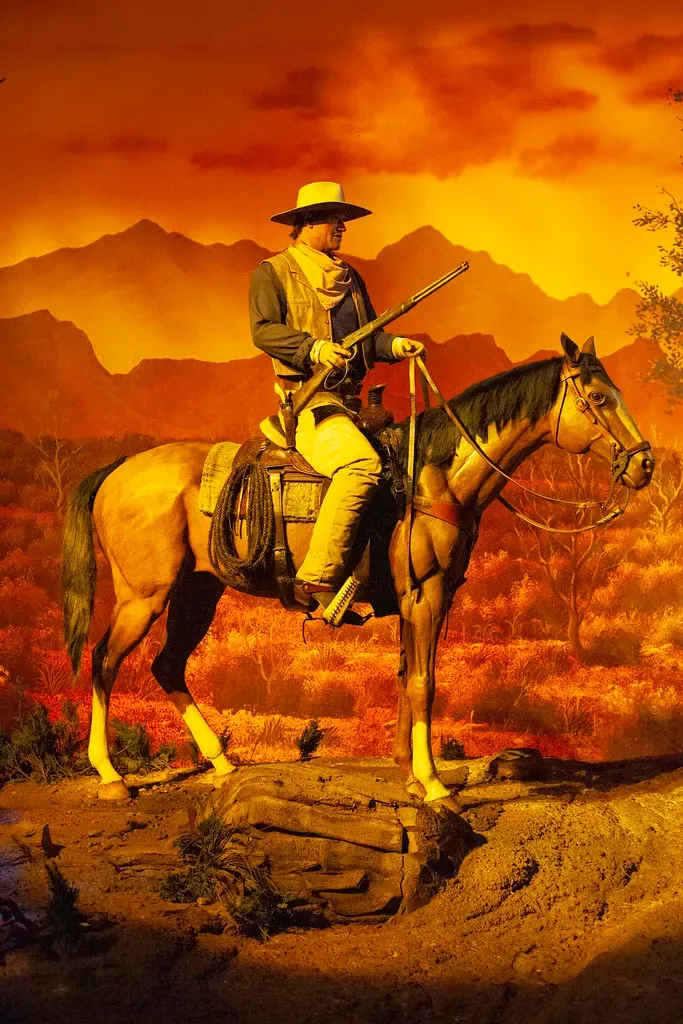
Long before he was the face of the American Western, Wayne was simply an extra trying to catch a break in Hollywood. Brown of Harvard was John Wayne’s film debut, and uncredited, Wayne played a Yale football player. The 1926 silent picture had nothing to do with cowboys or cavalry, and Wayne’s presence in it was so minor that most audiences at the time would never have noticed him.
That tiny, uncredited part came about through his athletic background rather than any acting ambition. While in college, Wayne had done some work as a film extra, appearing as a football player in Brown of Harvard with William Haines. It would take several more years, and dozens of uncredited bit parts, before Raoul Walsh finally cast him in a leading role in 1930.
3. Marilyn Monroe’s Fleeting Seconds in “Scudda Hoo! Scudda Hay!”
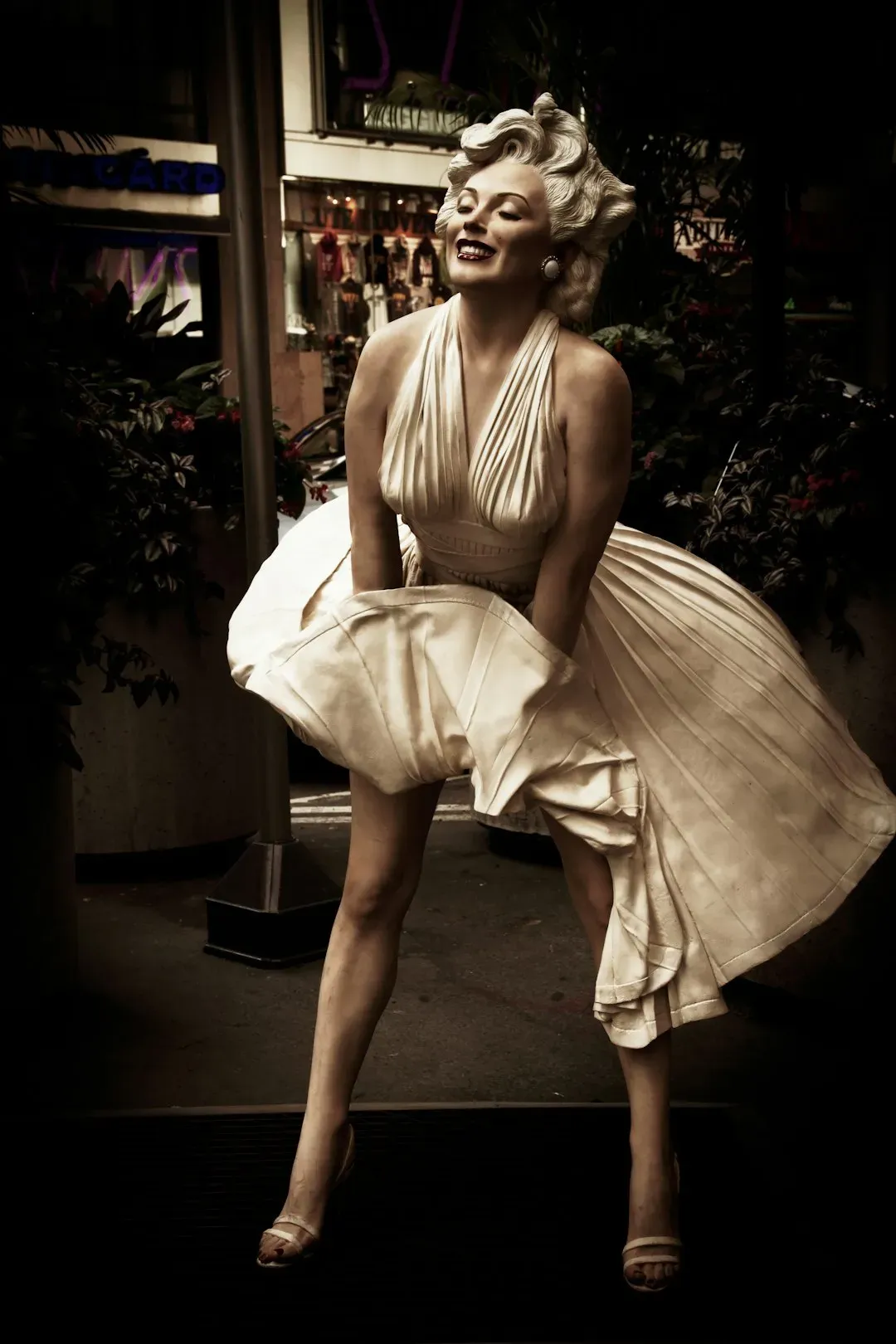
Monroe’s screen debut is famous partly because it is almost impossible to actually see. After having been signed to 20th Century Fox as a contract player, Marilyn Monroe had her first bit part for the studio playing Betty in this film, saying “Hi, Rad” to Haver’s character, after which Monroe’s face is visible on screen for less than two seconds. It is a startlingly modest beginning for a woman who would soon become the most photographed star in the world.
Monroe herself later contributed to the film’s legend. After Monroe’s stardom, 20th Century Fox began claiming that Monroe’s only line in the film had been cut out, an anecdote Monroe repeated on Person to Person in 1955, though film historian James Haspiel says her line is intact. Either way, this 1948 rural drama is where her film career technically began, even if most viewers would need a frame-by-frame pause to spot her.
4. Katharine Hepburn’s Commanding Arrival in “A Bill of Divorcement”
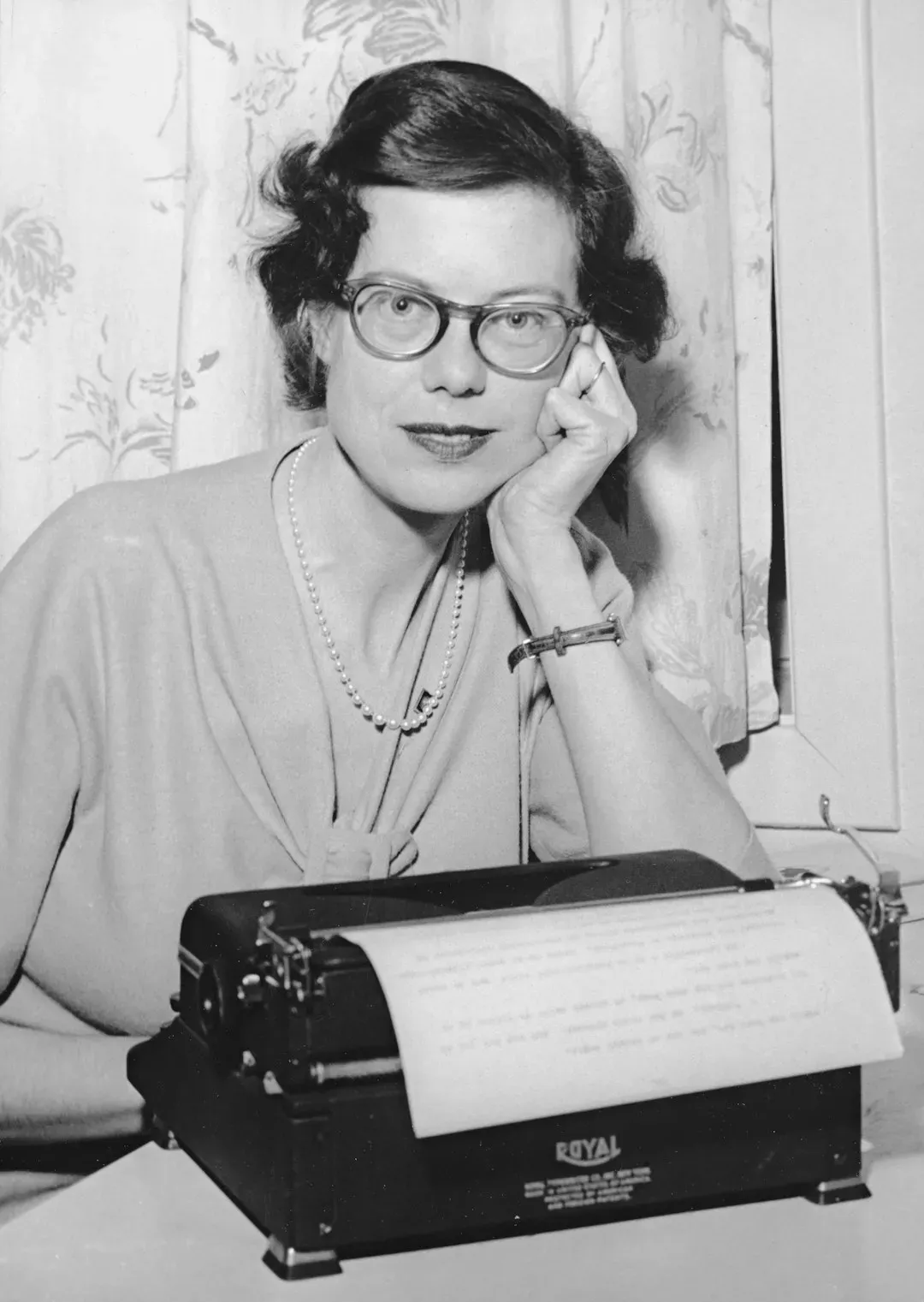
Unlike many actors on this list, Hepburn did not need years of bit parts to make an impression. A Bill of Divorcement is a 1932 American pre-Code drama film directed by George Cukor and starring John Barrymore and Katharine Hepburn in her film debut. She stepped straight into a starring role opposite one of the biggest names of the era.
Despite sharing the screen with a Hollywood legend, Hepburn made her presence impossible to ignore from her very first scene. Her debut in George Cukor’s 1932 pre-Code A Bill of Divorcement was a hit with fans and critics alike, and despite being fourth-billed, the 24-year-old superstar-to-be easily overshadowed her costars. It set the tone for a career that would eventually bring her four Academy Awards, a record among actresses.
5. Marlon Brando’s Understated First Film Role
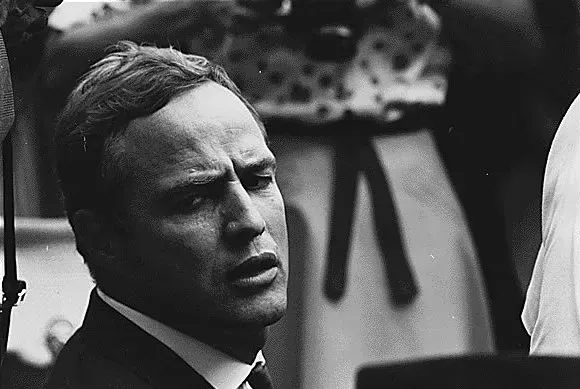
Brando’s entrance into cinema came after years of stage work and one performance that had already made him a Broadway sensation. His actual film debut arrived in “The Men,” a 1950 drama about a paralyzed war veteran, a role he prepared for by spending time among real paraplegic patients at a veterans hospital. It was a serious, method-driven choice that hinted at the intensity he would soon bring to “A Streetcar Named Desire.”
Choosing a drama about wounded soldiers as a first film, rather than something lighter, tells you a lot about how deliberately Brando approached his craft from the start. He was never interested in easing into stardom through fluff, and his debut reflected that seriousness immediately. Within a year he would reprise his Stanley Kowalski role on screen, cementing his reputation as the most electrifying young actor in America.
6. James Dean’s Blink-and-Miss-It Beginning
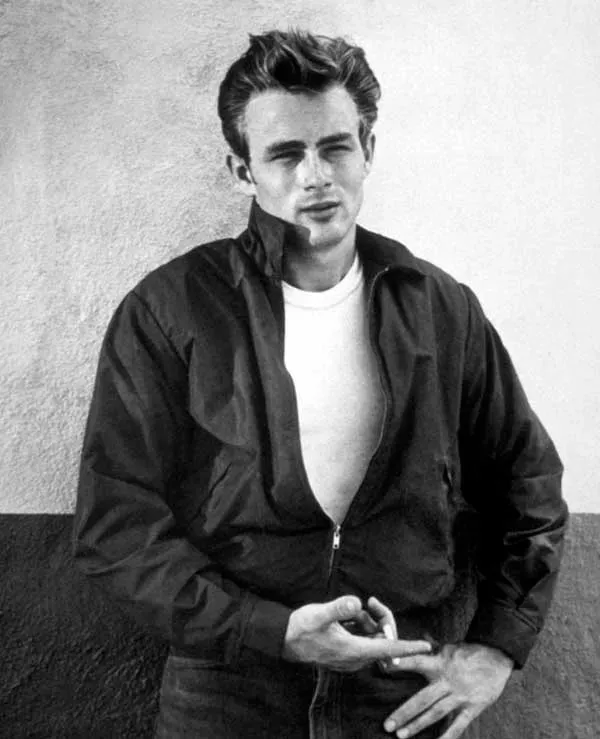
Before “East of Eden” turned him into a symbol of restless youth, Dean’s film career started in the most unglamorous way possible, as an uncredited extra. His earliest screen appearance came in the Korean War film “Fixed Bayonets!” in 1951, where he can barely be spotted among the soldiers. It was hardly a role that suggested a future icon was among the cast.
Dean spent the next few years picking up small television and film parts before his breakthrough. It is a reminder that even the actors who seem to arrive fully formed on screen often spent time in total obscurity first. His transformation from an anonymous extra to a defining face of 1950s cinema happened in a remarkably short span of years.
7. Cary Grant’s Smooth Transition from Vaudeville to Film
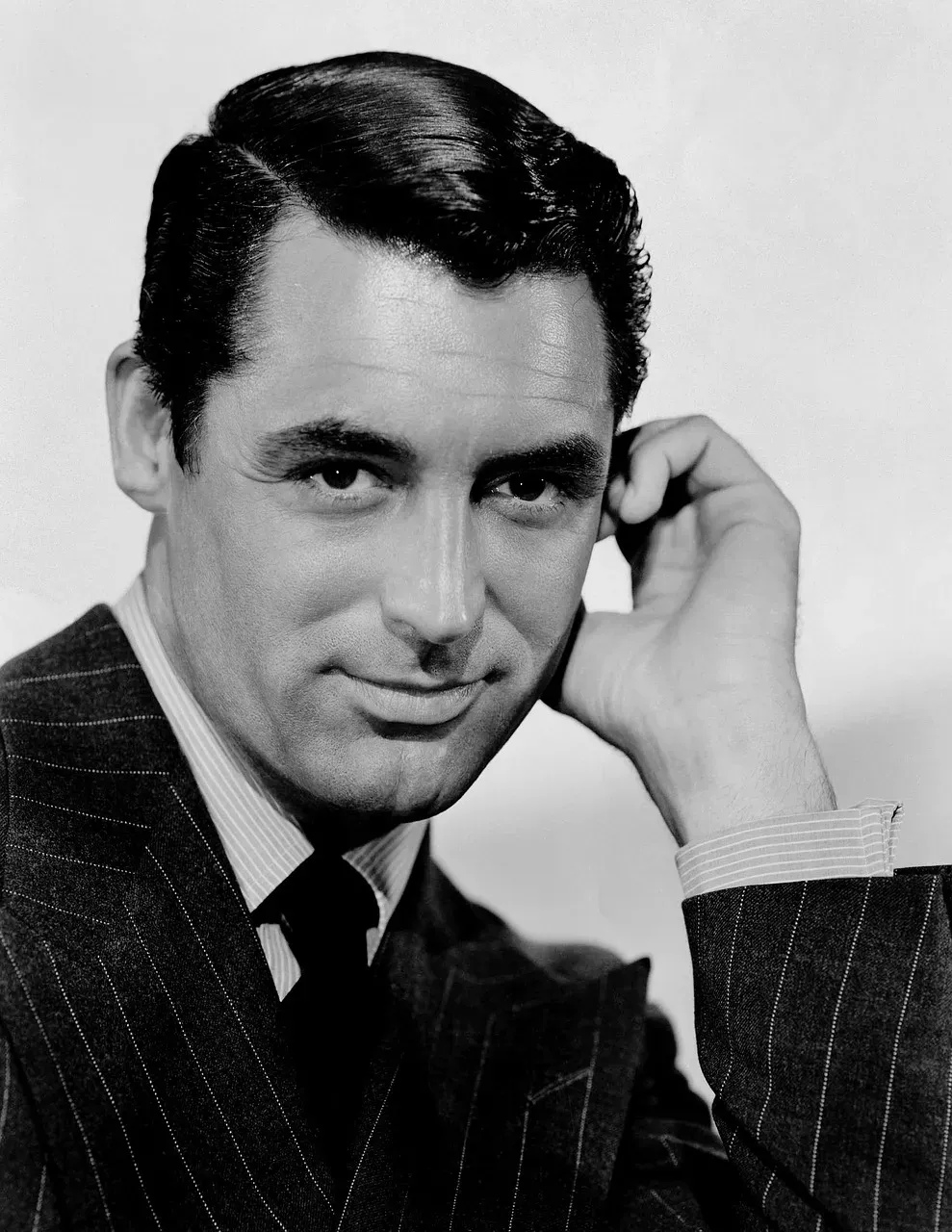
Grant had already spent years performing acrobatics and comedy on stage before Paramount put him in front of a camera. His film debut came in “This Is the Night,” a 1932 romantic comedy, where his natural charm and timing were immediately apparent even in a supporting part. The polish that would define his later leading-man persona was visible from the start.
What is notable about Grant’s beginning is how quickly the studio recognized his potential. He moved from that debut into a steady string of films throughout the early 1930s, working alongside major stars and refining the effortless charisma that eventually made him one of the most enduring leading men in Hollywood history. Few actors transitioned from unknown to reliable studio asset as smoothly as he did.
8. Elizabeth Taylor’s Childhood Introduction to the Screen
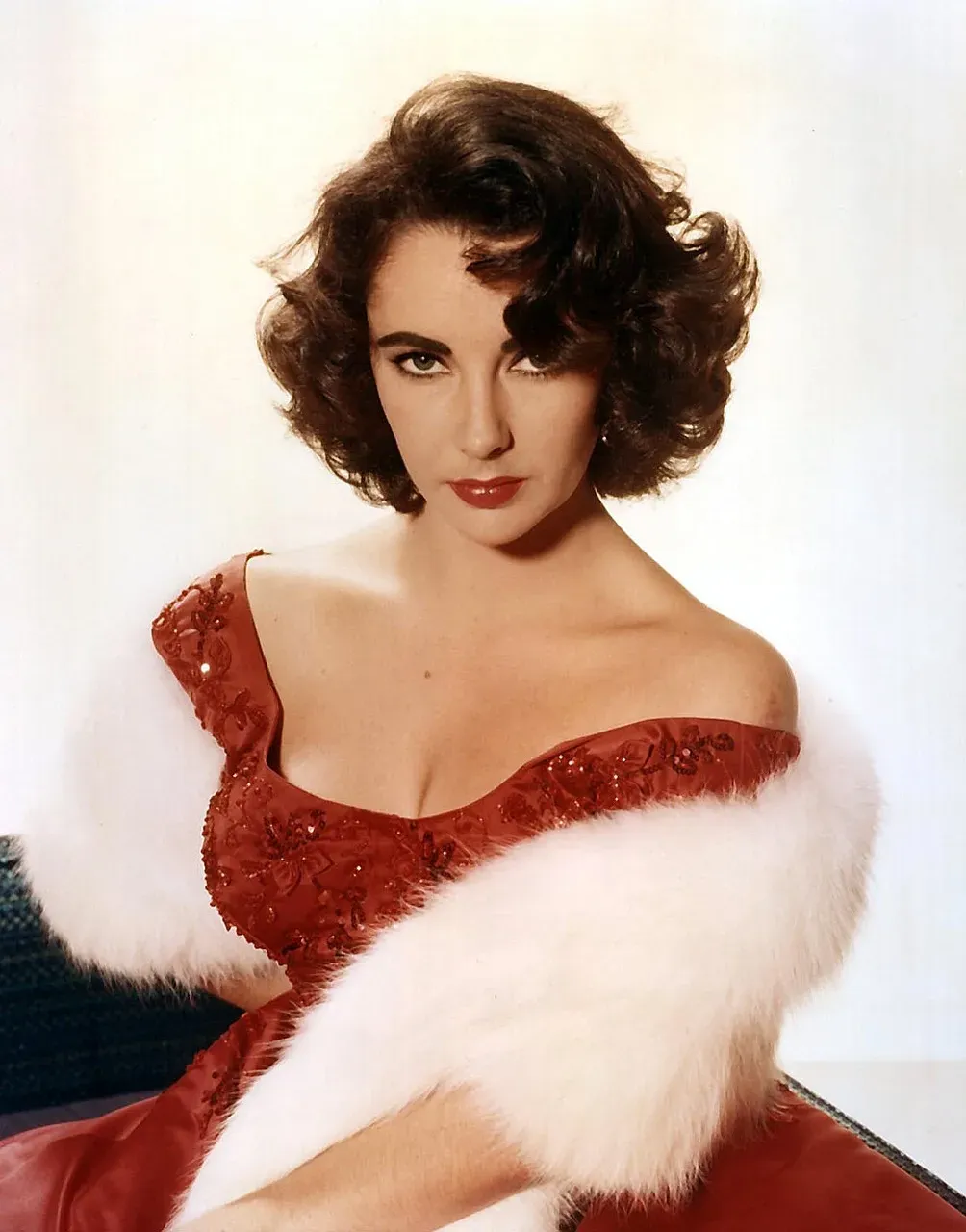
Taylor’s film career began remarkably early, when she was still a child actor being shuttled between auditions by her ambitious mother. Her debut came in “There’s One Born Every Minute,” a 1942 comedy in which she played a minor role at just nine years old. The film itself is largely forgotten today, remembered mainly because it launched one of the most famous careers in cinema history.
It would take only a year or two before Universal dropped her contract and MGM picked her up, leading to her breakout in “Lassie Come Home” and then international stardom in “National Velvet.” Her earliest film, though, remains a footnote that few casual fans would guess correctly, since it bears no resemblance to the glamorous image she later cultivated.
9. Judy Garland’s First Steps in Front of the Camera
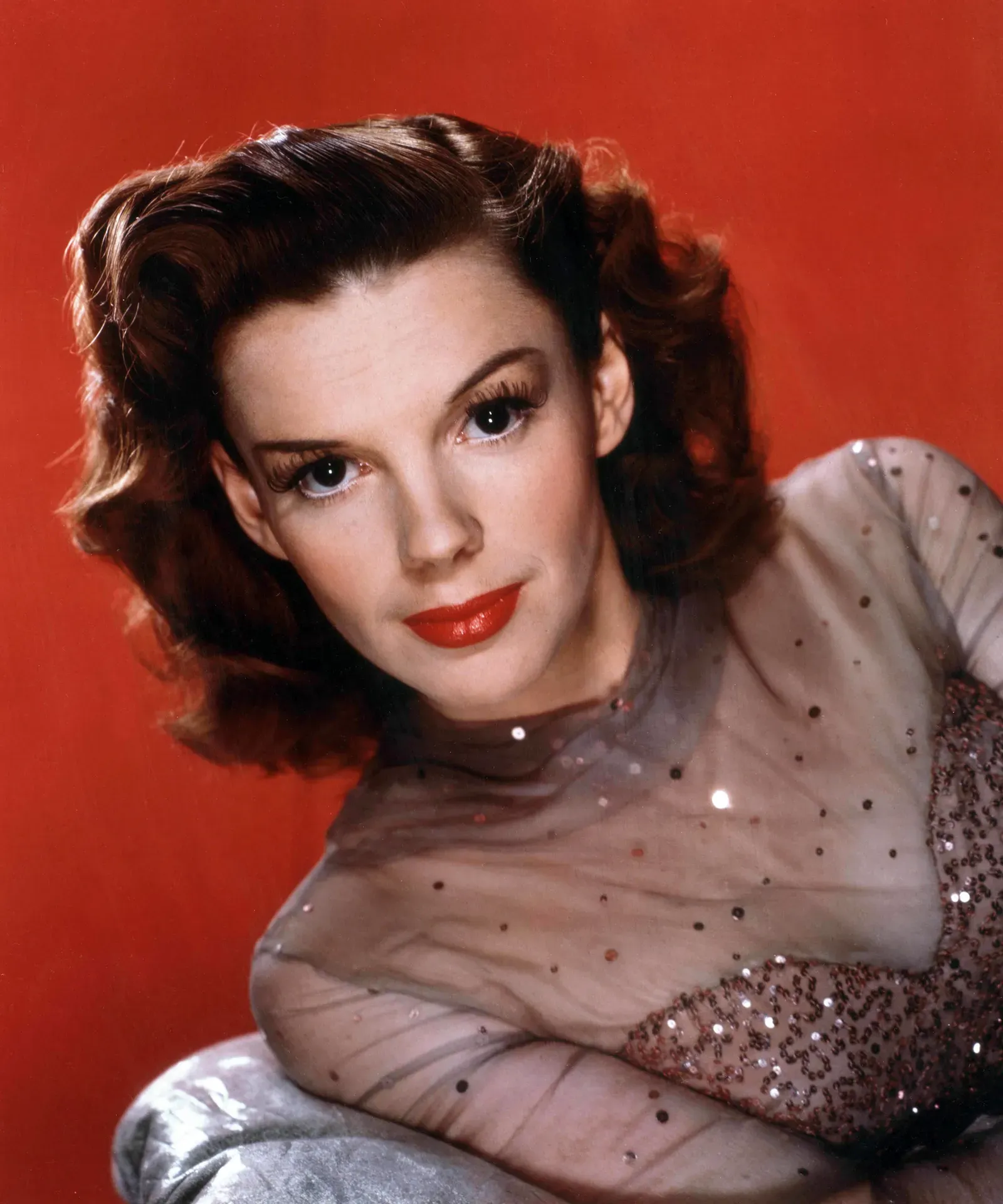
Garland grew up performing with her sisters in a vaudeville act before Hollywood came calling. Her earliest screen appearance came in a short musical film in the mid-1930s, where her powerful voice, already startling for someone so young, caught the attention of studio executives. It was a modest beginning for a performer who would soon anchor one of the most beloved musicals ever made.
That short led directly to a contract with MGM and, within a few years, the role of Dorothy in “The Wizard of Oz.” Few debuts in Hollywood history led so directly and so quickly to a defining, career-making role. Garland’s journey from a teenage singer in a short film to a global icon happened astonishingly fast by studio-era standards.
Why These Debuts Still Matter to Classic Film Fans
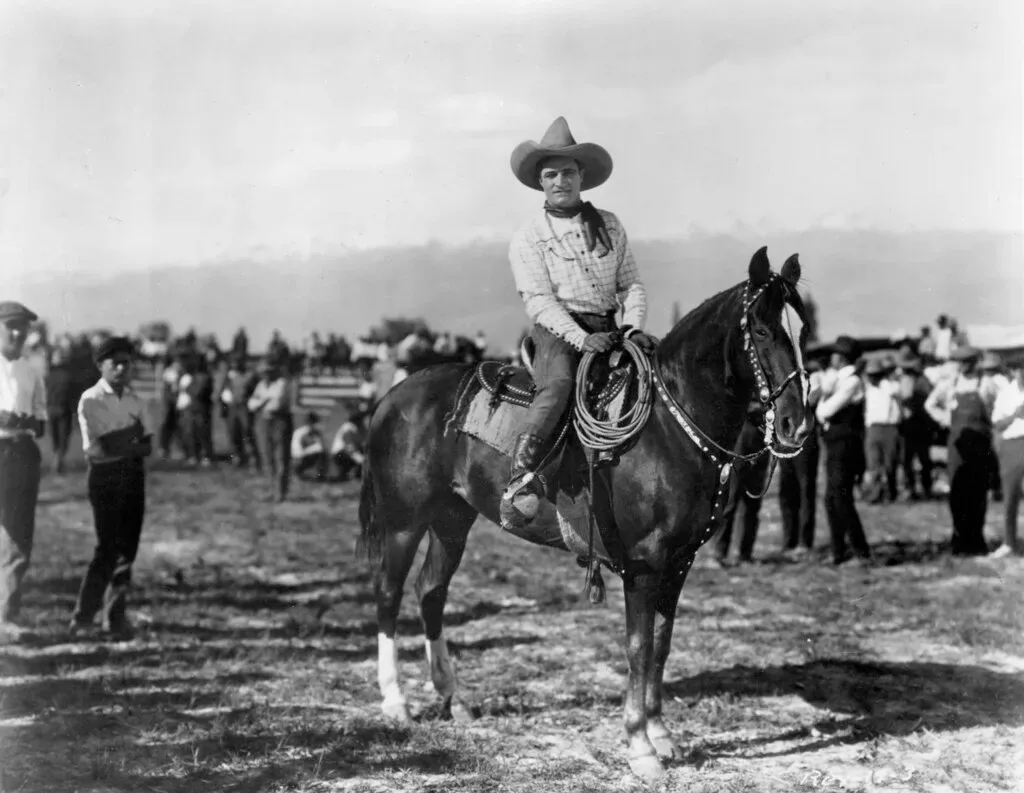
Looking back at these nine beginnings, a pattern emerges. Almost none of these actors arrived in Hollywood as a finished product. Most spent time in uncredited bit parts, forgettable programmers, or supporting roles before the industry, and audiences, recognized what they had.
That pattern is part of what makes classic Hollywood so fascinating to study. Stardom was rarely instant, even for names that are now considered synonymous with cinematic greatness. Knowing where these legends actually started adds a layer of appreciation to everything they achieved afterward, and it is a fitting reminder that even icons had to earn their place one small role at a time.