Most history classes move fast, and a handful of names always seem to get the spotlight. Somewhere along the way, dozens of women who took real risks, filed real lawsuits, and built real institutions got left out of the paragraph, or reduced to a footnote. This list pulls eleven of them back into view, women whose work reshaped medicine, labor law, civil rights, and even the space program, even if their names rarely make it onto a classroom poster.
Elizabeth Jennings Graham and the streetcar that started a movement
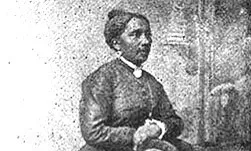
Long before anyone had heard of Montgomery, Alabama, a young Black schoolteacher in New York City refused to give up her seat on a segregated streetcar. In 1854, Graham insisted on her right to ride an available New York City streetcar at a time when private companies routinely ran segregated cars. She was forcibly removed, but she did not let the matter drop quietly.
Her family took the case to court, and a young lawyer named Chester A. Arthur, who would later become the 21st president of the United States, argued on her behalf. Her case was decided in her favor in 1855, and it led to the eventual desegregation of all New York City transit systems by 1865. Frederick Douglass helped publicize her fight in his newspaper, giving it a national audience decades before the bus boycotts of the 1950s.
Mary Edwards Walker, the only woman to hold the Medal of Honor
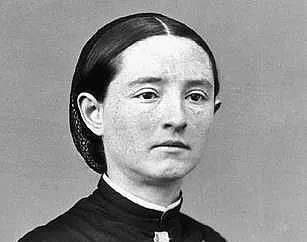
Mary Edwards Walker graduated from Syracuse Medical College in 1855 and spent the Civil War pushing her way into a role the Army was not prepared to give a woman. Walker overcame obstacles to graduate from Syracuse Medical College in 1855 and later served as an assistant surgeon in the Army of the Cumberland in 1863. She was eventually captured by Confederate forces and held as a prisoner of war for months before being released in a prisoner exchange.
She remains the only woman to receive the Medal of Honor, awarded for her wartime service. The government stripped the medal from her along with hundreds of others in a 1917 review, but it was reinstated to her in 1977. In 2024, the U.S. Mint honored her further as part of the American Women Quarters Program, a fitting nod to someone who spent much of her postwar life advocating for women’s rights and dress reform.
Rebecca Lee Crumpler and the first medical degree earned by a Black woman
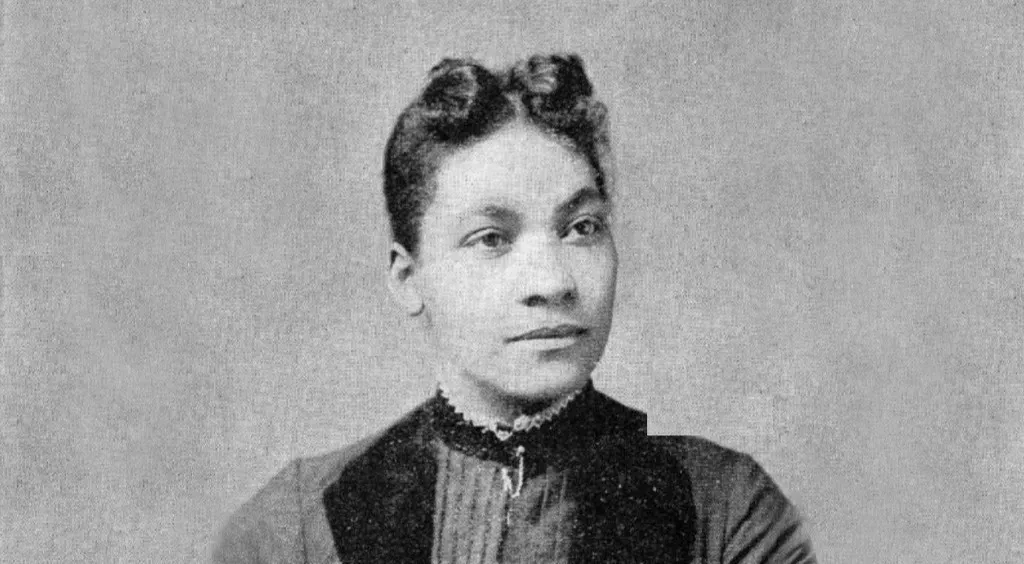
Rebecca Lee Crumpler worked as a nurse in Massachusetts for years before medical school became a real option for her. On March 1, 1864, Rebecca Lee Crumpler becomes the first African American woman to earn a medical degree. She trained at the New England Female Medical College in Boston, the country’s first medical school for women, at a moment when almost no doors were open to her on either count, race or gender.
After graduating, she did not settle into a quiet practice. For much of her career she practiced community medicine in Boston, but in the aftermath of the Civil War she traveled south to treat thousands of formerly enslaved refugees. She later wrote one of the earliest medical manuals published by an African American physician, focused on care for women and children, a subject she had studied firsthand while treating some of the poorest patients in the country.
Bessie Coleman and the sky she was told she could not fly
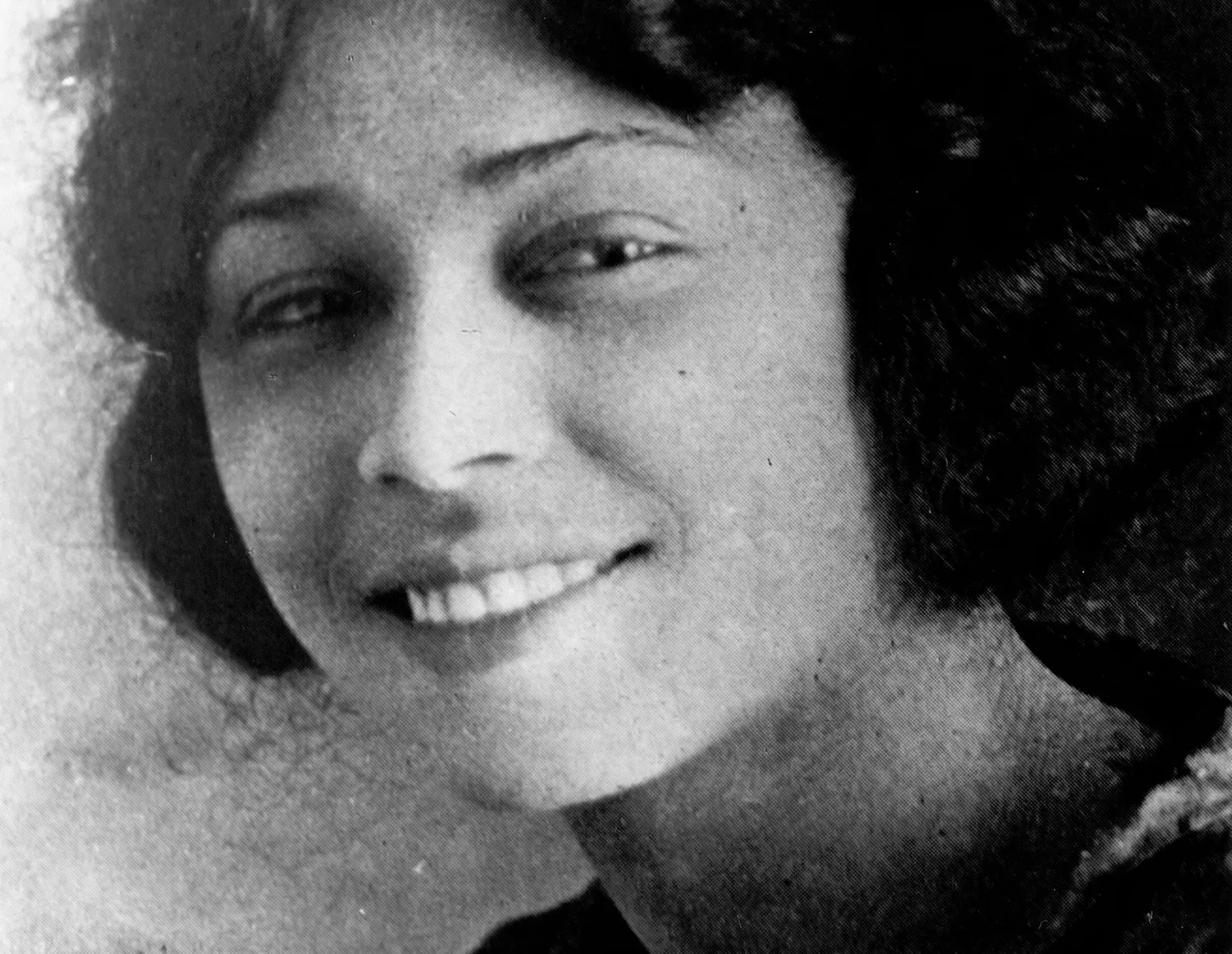
Bessie Coleman grew up picking cotton in Texas and ended up becoming the first African American woman, and the first Native American woman, to earn a pilot’s license anywhere in the world. American flight schools would not train her, so she saved money, moved to France, and earned her license there in 1921. She returned home determined to open aviation to people who looked like her.
Coleman spent the following years performing at air shows and giving lectures, often refusing to appear at segregated events unless Black spectators were allowed to attend through the same entrance as white ones. Her career ended abruptly in 1926 when a plane she was riding in malfunctioned during a rehearsal flight. Her insistence on flying, and on doing it on her own terms, opened a path that later Black aviators, including the Tuskegee Airmen, would eventually walk.
Frances Perkins and the architecture of the New Deal
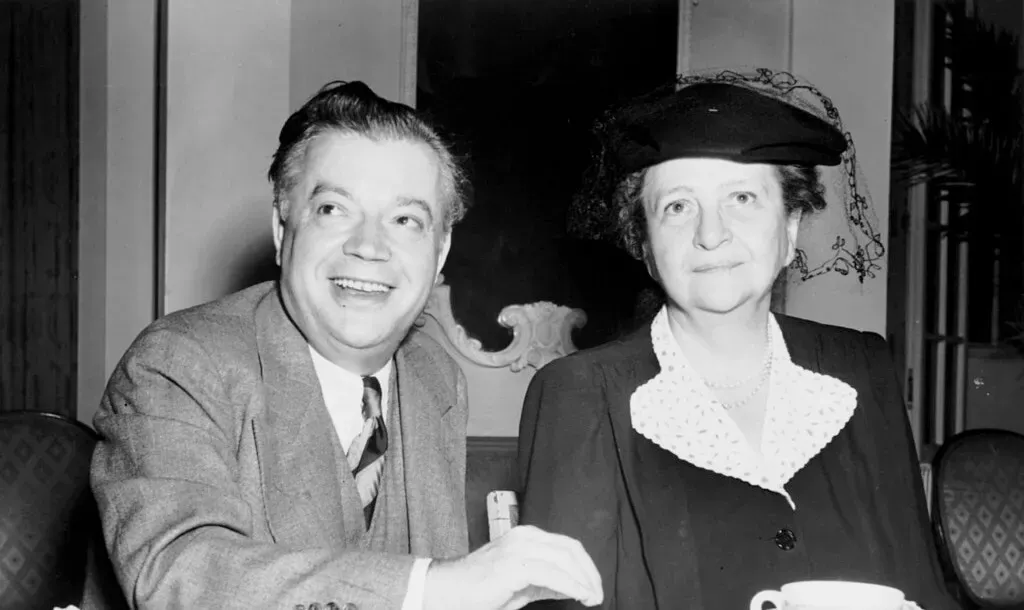
Frances Perkins became the first woman to serve in a U.S. Cabinet position when President Franklin Roosevelt named her Secretary of Labor in 1933. She had already spent years investigating factory conditions, including after witnessing the aftermath of the Triangle Shirtwaist Factory fire in 1911, an event that shaped her entire approach to labor policy. That background made her the driving force behind some of the New Deal’s most lasting achievements.
Perkins helped write the Social Security Act of 1935 and the Fair Labor Standards Act of 1938, which established the federal minimum wage and limits on child labor. She held her Cabinet post for twelve years, longer than anyone else in Roosevelt’s administration, male or female. Nearly a century later, the programs she helped design still shape retirement, unemployment insurance, and workplace protections for tens of millions of Americans.
Mary Golda Ross and the engineering behind America’s space program
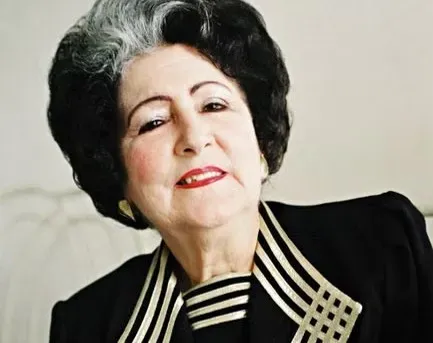
Mary Golda Ross was a Cherokee mathematician who answered a wartime call for engineers at Lockheed in 1942 and never really left the field. In 1950, Ross became Lockheed Aircraft Corporation’s first woman engineer, a title she held while working alongside dozens of men in a division most Americans had never heard of. She was also the great-great granddaughter of Principal Chief of the Cherokee Nation John Ross, a lineage she often credited for shaping her values around service and humility.
Ross became one of only a handful of engineers selected for Lockheed’s secretive Skunk Works division, where she contributed to early concepts of orbiting satellites, crewed and uncrewed Earth-orbiting flights, and preliminary designs for Venus and Mars flyby missions, and played a pivotal role in the development of the Agena Rocket program. Much of her work remained classified for decades. She worked at the Lockheed Corporation from 1942 until her retirement in 1973, quietly helping lay the groundwork for missions that would later carry astronauts toward the moon.
Claudette Colvin, arrested nine months before Rosa Parks
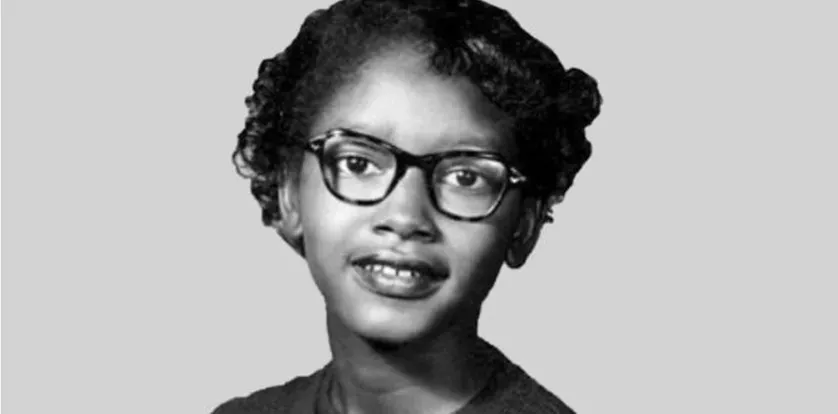
Claudette Colvin was fifteen years old in March 1955 when she refused to give up her seat on a segregated Montgomery, Alabama bus, months before Rosa Parks did the same thing. Local civil rights leaders initially hesitated to build a public campaign around a teenager, especially one who later became pregnant and unmarried, concerns that reflected the era’s rigid ideas about who made an acceptable public symbol. Her case still mattered enormously, just not in the way most people learned about it.
Colvin became one of four plaintiffs in Browder v. Gayle, the federal court case that ultimately struck down bus segregation laws in Alabama. The ruling, decided in late 1956, provided the legal foundation that ended the Montgomery bus boycott successfully. She spent decades afterward largely out of the historical record, only receiving broader public recognition in recent years for a stand she took as a teenager.
Septima Clark and the classrooms that built the movement
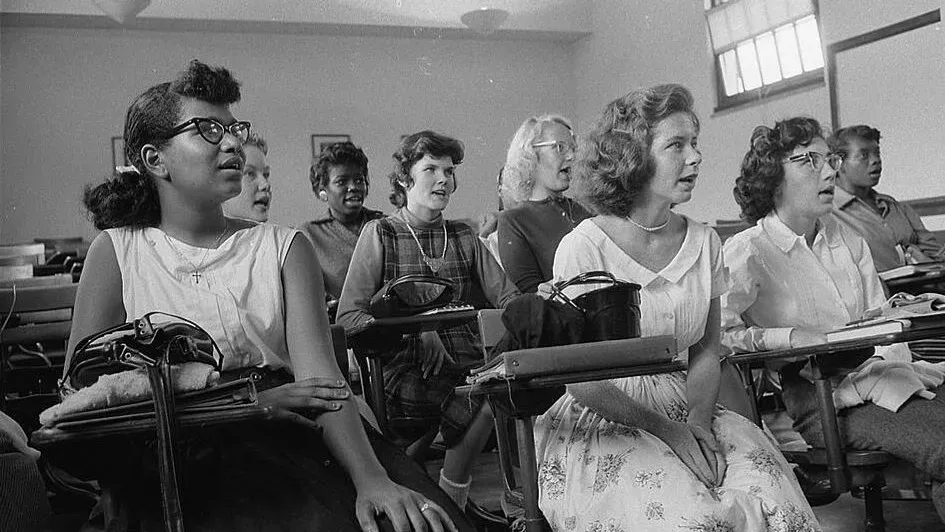
Septima Clark spent her early career as a teacher in South Carolina before segregationist laws cost her that job for refusing to give up her NAACP membership. Rather than step back, she turned to adult education, developing what became known as Citizenship Schools, informal classes that taught literacy alongside voter registration skills. These schools quietly trained thousands of Black Southerners to pass discriminatory literacy tests designed to keep them from the ballot.
Her program eventually moved under the Southern Christian Leadership Conference, where Martin Luther King Jr. relied on her organizing model even as she was often excluded from leadership meetings because of her gender. Historians and activists later gave her the title “Mother of the Movement” for the sheer scale of grassroots education she built. Her work is a reminder that the civil rights movement ran as much on classrooms and kitchen tables as it did on marches.
Ella Baker, the organizer behind the organizers
Ella Baker worked for the NAACP in the 1940s, traveling through the South to build local chapters at a time when doing so carried real physical danger. She later served as the first executive director of the Southern Christian Leadership Conference, though she frequently pushed back against its top-down leadership style, believing ordinary people, not charismatic figureheads, should drive social change.
In 1960, Baker helped convene the meeting that founded the Student Nonviolent Coordinating Committee, encouraging young activists to build their own independent, decentralized organization rather than fold into existing groups. That decision shaped SNCC’s grassroots character for the rest of the decade. Baker rarely sought credit for her influence, which is partly why her name is far less familiar than those of leaders she quietly mentored.
Fannie Lou Hamer and the fight for a seat at the table
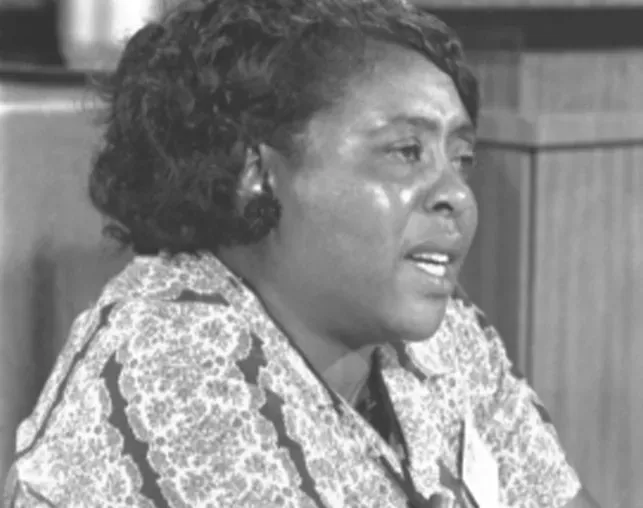
Fannie Lou Hamer grew up as a sharecropper in Mississippi and lost her job the moment local officials discovered she had tried to register to vote in 1962. Rather than retreat, she became a field organizer for the Student Nonviolent Coordinating Committee, helping register Black voters across the Mississippi Delta despite repeated threats and a severe beating in jail.
In 1964, Hamer co-founded the Mississippi Freedom Democratic Party and traveled to the Democratic National Convention in Atlantic City to challenge the seating of the state’s all-white delegation. Her televised testimony before the Credentials Committee brought national attention to voter suppression in Mississippi, even though the party ultimately offered only a compromise seating arrangement. That partial victory helped set the stage for stronger federal voting rights protections the following year.
Patsy Mink and the law that reshaped school sports
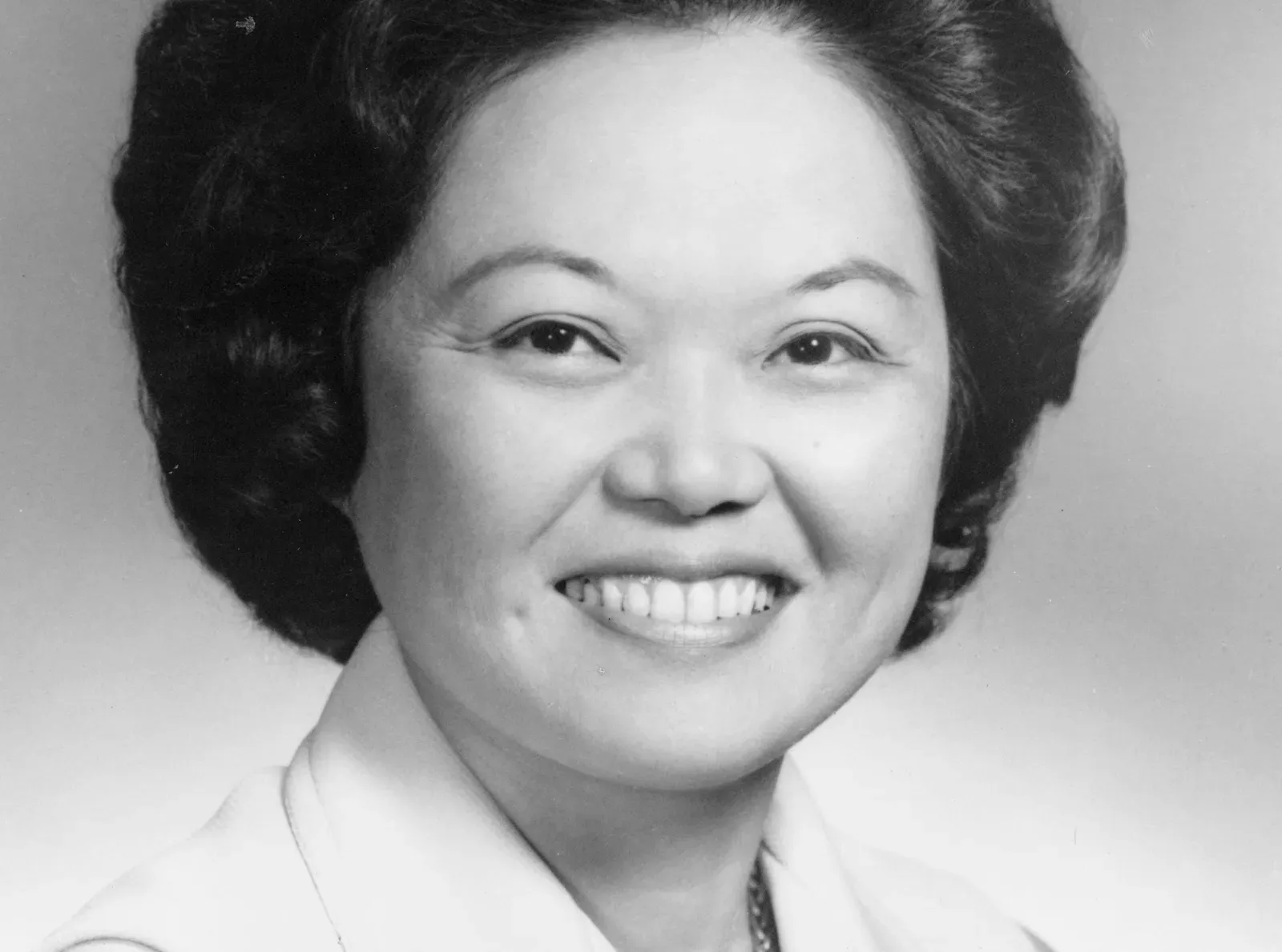
Patsy Mink became the first woman of color elected to the United States Congress when she won a House seat representing Hawaii in 1964, arriving in Washington at a moment when almost no institutions were built with women like her in mind. She had already faced rejection from a dozen medical schools before turning to law, an early sign of the barriers she would spend her career trying to dismantle.
In 1972, Mink co-authored Title IX of the Education Amendments, the law that barred sex discrimination in federally funded schools and ultimately transformed access to sports, admissions, and academic programs for generations of American women. She continued pushing for education and civil rights legislation throughout more than two decades in Congress. The law now bears her name in official title, a rare formal acknowledgment for a legislator whose broader career remains largely unknown outside policy circles.
These eleven stories only scratch the surface of how many women shaped the country’s laws, science, and civil rights history while working far from the spotlight. Some fought in courtrooms, some in classrooms, and some in engineering labs where their names never appeared on the final report. Together they show that American history was never carried by a small handful of famous figures alone, but by a much wider, quieter network of people who simply refused to accept the limits placed in front of them.