Some films get shot on a tight schedule, edited over a summer, and land in theaters within a year or two of the first script draft. Then there are the others, the ones that outlast studio deals, actors’ careers, and sometimes even their own directors. These are productions where the gap between the first camera roll and the final release stretched across a decade or more, often for reasons nobody could have predicted at the start. What follows is a look at nine films whose journeys to the screen took extraordinarily long, some by design, others by accident, and a few because of sheer stubbornness on the part of the people who refused to let them die.
The Other Side of the Wind
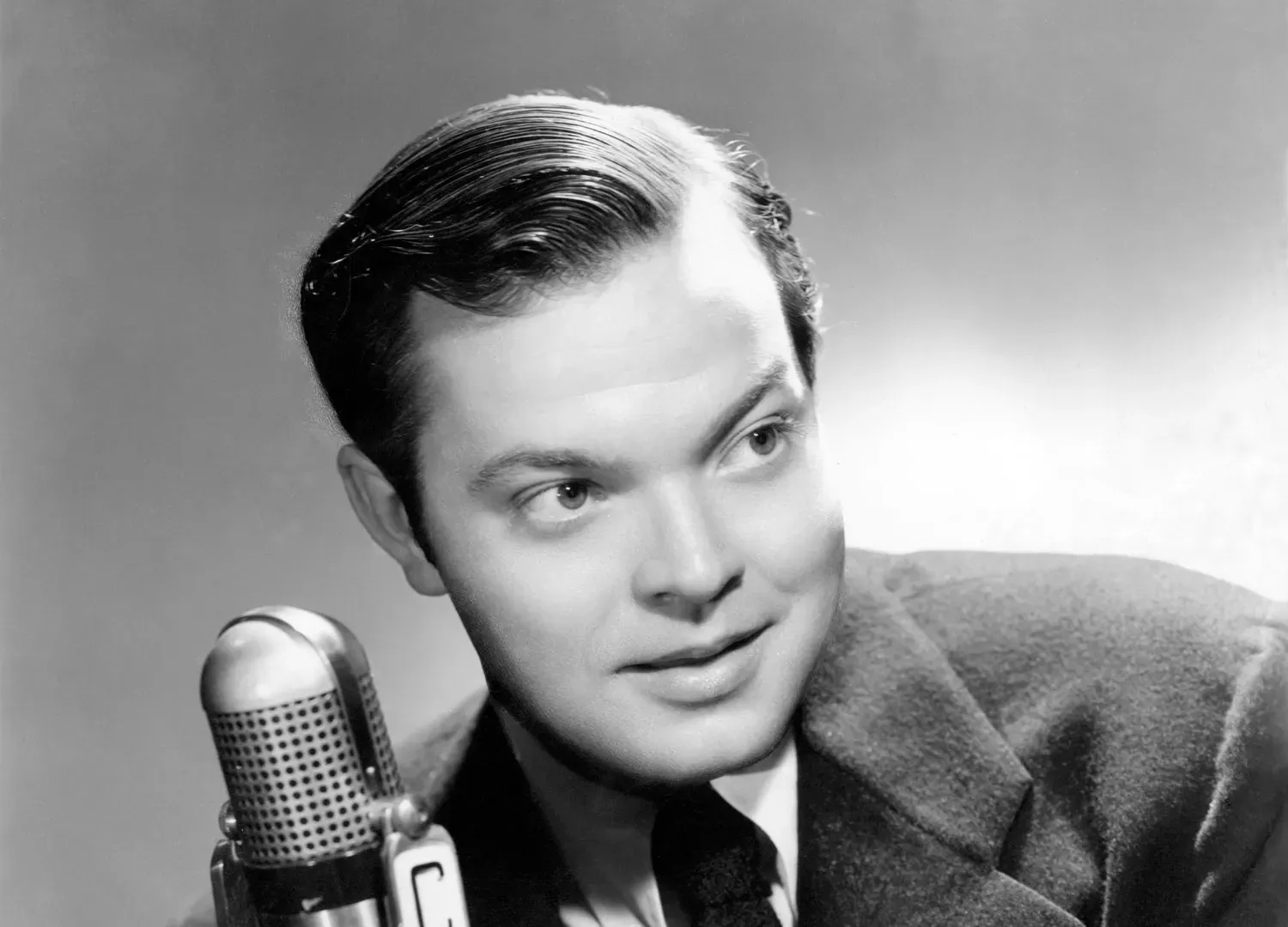
Orson Welles began shooting this Hollywood satire in 1970, intending it as his American comeback after years of working abroad. The film began shooting in 1970 and resumed on and off until 1976, with Welles chasing funding from wherever he could find it, including narration work for documentaries promoting the Iranian government.
He kept editing pieces of it into the 1980s, but legal and financial tangles, including footage locked in a Paris vault tied to the Iranian government, kept it from ever reaching completion. The Other Side of the Wind is a 2018 satirical drama film co-written, co-edited, and directed by Orson Welles, and posthumously released after 48 years in development. Netflix eventually financed the final restoration, and the film premiered in 2018, more than three decades after Welles’ death in 1985.
The Thief and the Cobbler
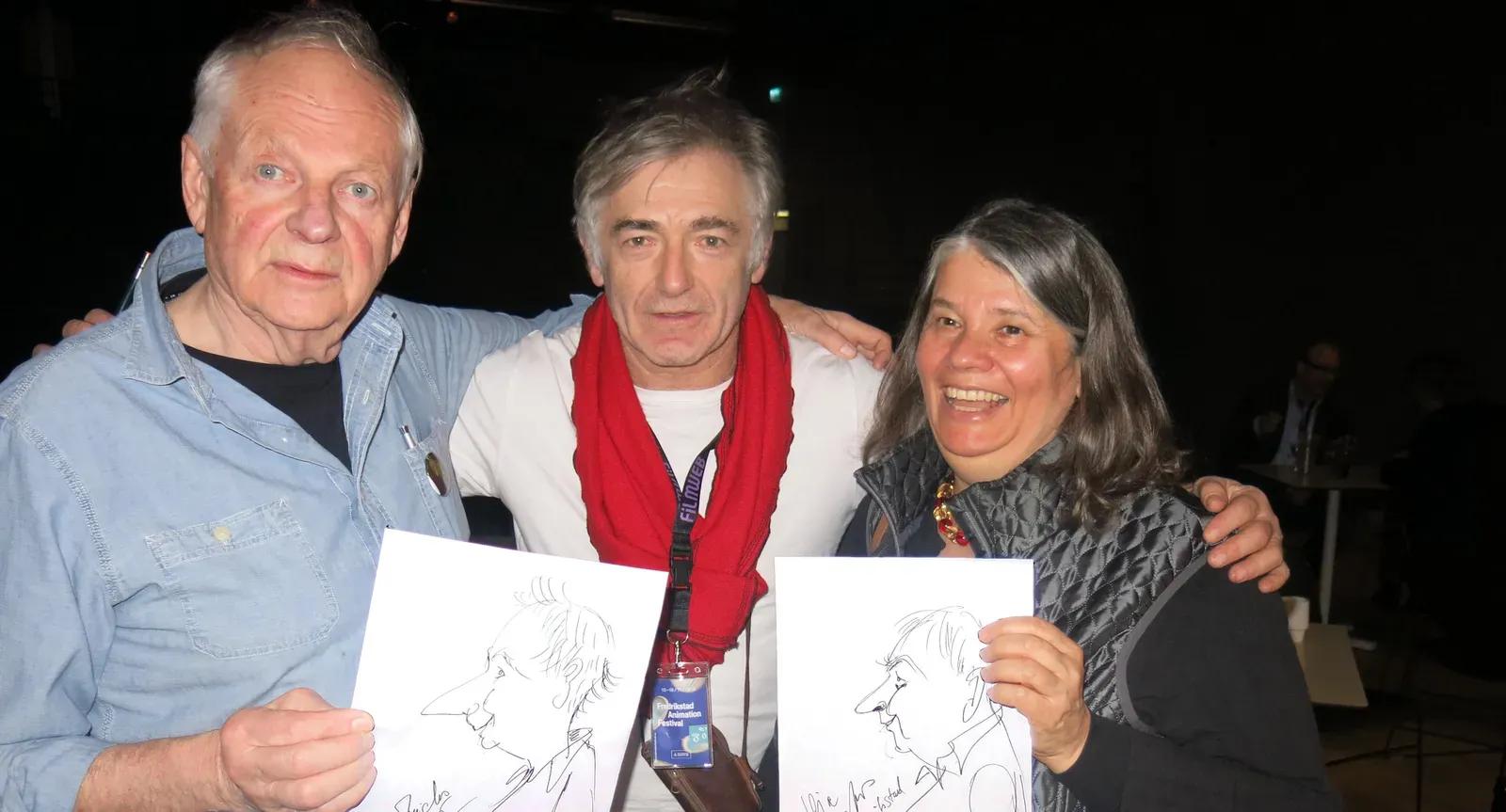
Animator Richard Williams began developing this fantasy epic in 1964, originally as a folklore project inspired by the tales of Mulla Nasruddin. Richard Williams began development work on The Thief and the Cobbler in 1964, planning to do a film about the Mulla Nasruddin, a wise fool of Near Eastern folklore. His obsessive attention to detail meant the animation crawled forward for years, funded piecemeal through his commercial advertising work.
Warner Bros. finally agreed to back the film after Williams won acclaim for his work on Who Framed Roger Rabbit, but the studio pulled out when the production ran over budget and behind schedule. With The Thief and the Cobbler being in and out of production from 1964 until 1993, a total of 29 years, it surpasses the 20-year Guinness record previously held by Tiefland. What eventually reached theaters was a heavily recut version that barely resembled Williams’ original vision, though fan-restored cuts have since tried to recover it.
Mad God
Visual effects legend Phil Tippett, known for his creature work on Star Wars and Jurassic Park, started this stop-motion nightmare as a passion project during a break from other films. Tippett came up with the idea for the experimental film during a break on RoboCop 2, working with sketches inspired by movie monsters he loved as a kid. He shot a few scenes before Steven Spielberg pulled him onto Jurassic Park, and the project sat untouched for years afterward.
Young animators at his studio eventually rediscovered the old props and convinced him to finish it, leading to a Kickstarter campaign and a crew of volunteers finishing the work. Completed in 2021, it was produced over a period of 30 years. The result premiered at Locarno before streaming on Shudder, closing out one of the longest personal passion projects in animation history.
The Man Who Killed Don Quixote
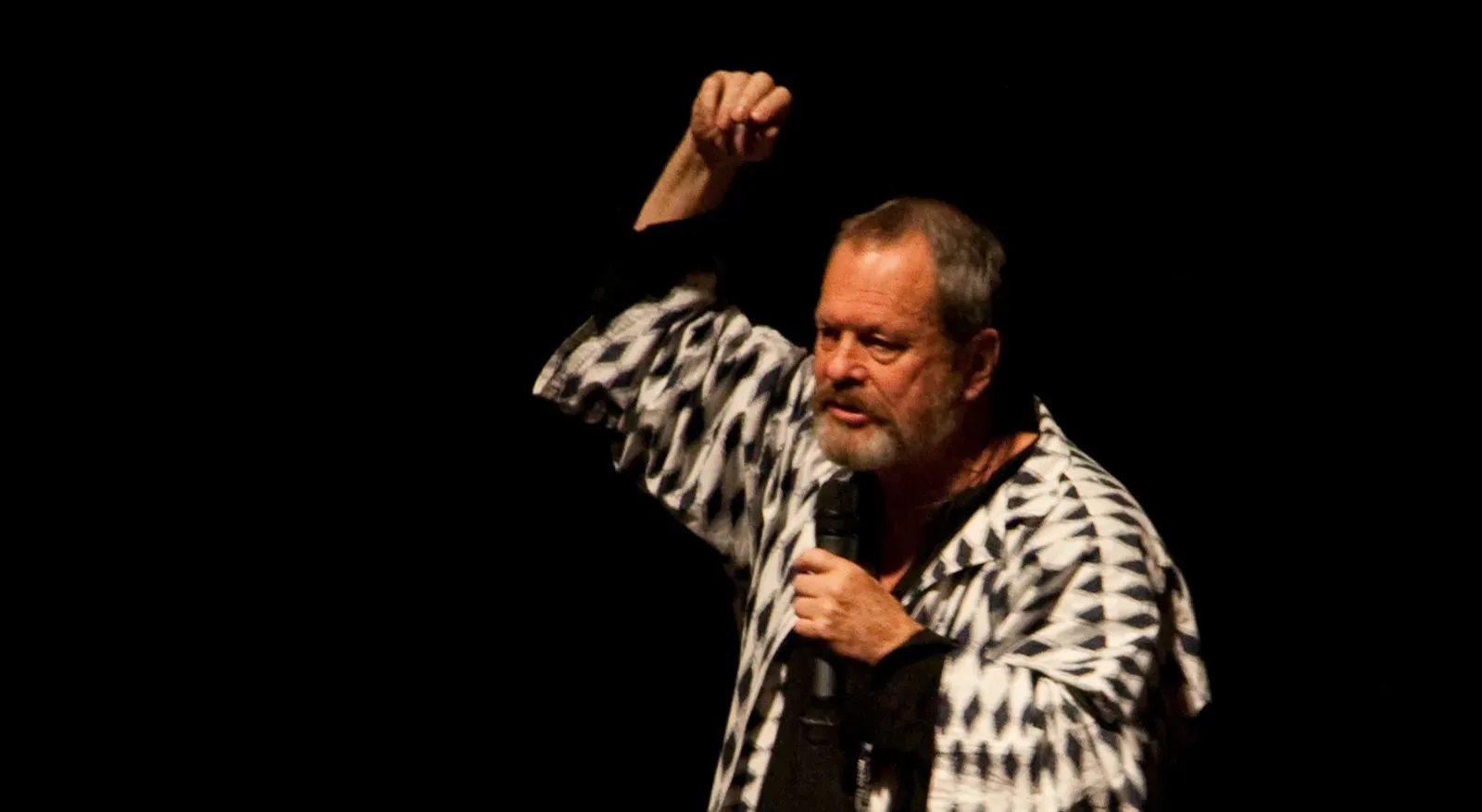
Terry Gilliam first started chasing this adaptation of Cervantes’ novel around 1990, and it quickly became one of the most cursed productions in film history. The project started to move through the gears as early as 1990, though early attempts to secure adequate funding repeatedly collapsed. A 2000 shoot fell apart within days due to flooding, illness, and equipment destruction, a disaster documented in the film Lost in La Mancha.
Gilliam kept returning to the project across the following decades, cycling through different lead actors and financing structures each time. The successful completion of the film represents Gilliam’s tenth attempt at making it, and it finally premiered at Cannes in 2018 before a limited theatrical release the following year. By the time audiences saw it, the saga itself had become almost as famous as the finished movie.
La Flor
Argentine director Mariano Llinás set out to make a film with four theater actresses after finishing his previous project in 2008, not realizing it would consume most of the following decade. Once he had completed his four hour Extraordinary Stories in 2008, he did not set out to make a second feature that would run thirteen hours, and over the course of the following nine years, Llinás and his troupe shot La flor. Filming took the crew across multiple countries, with episodes shot in fits and starts around other work and life commitments.
Partner offer
The finished film runs more than thirteen hours across six wildly different genre segments, unified only by its four lead actresses. The film was shot over nearly a decade across more than a dozen countries in South America, Europe, and Asia, with editing continuing into 2018 before its premiere. It stands as one of the longest narrative films ever completed and a genuine test of endurance for both its makers and its audience.
Boyhood
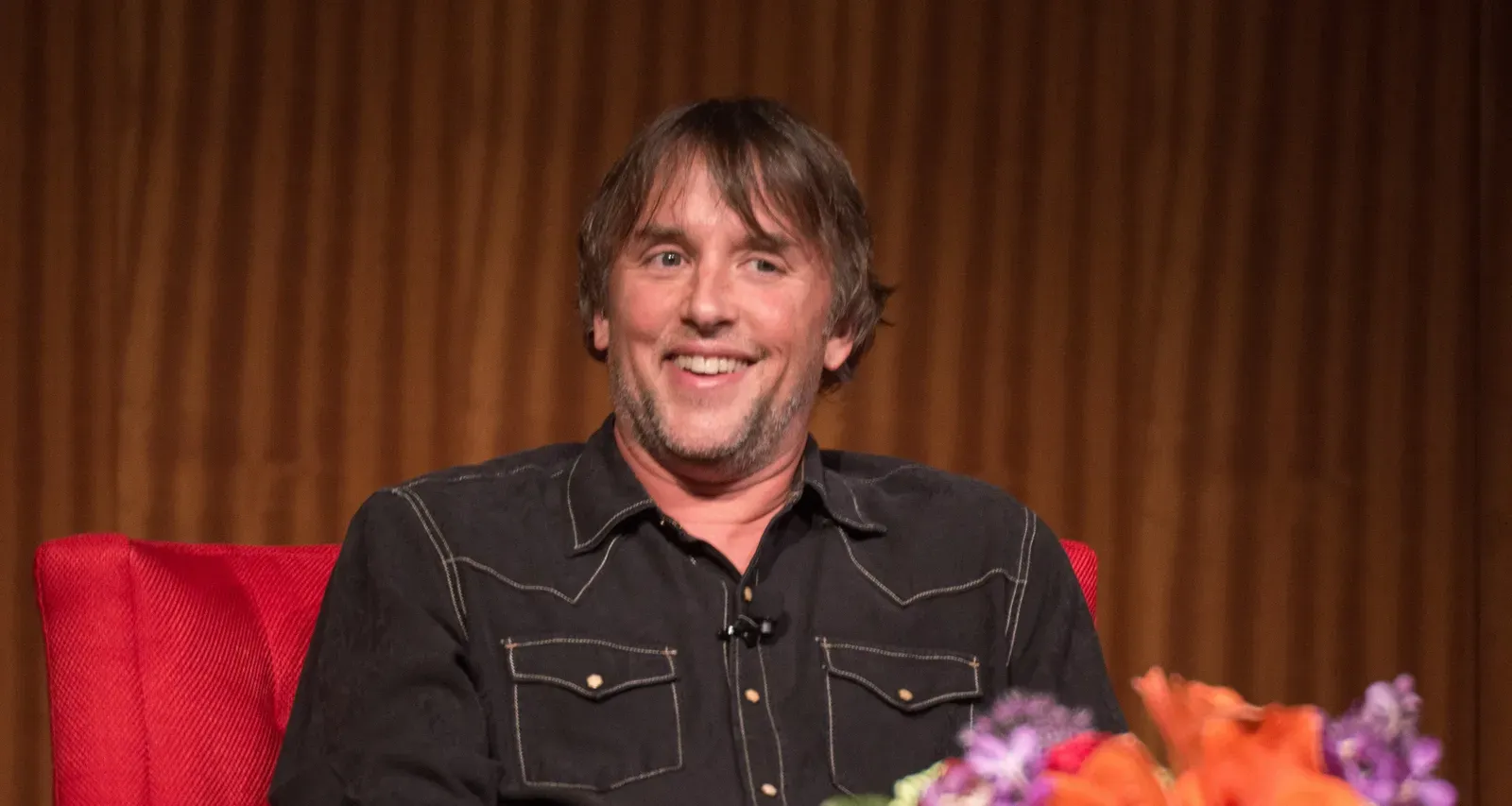
Richard Linklater’s coming-of-age drama took a different approach to long production than most films on this list. Rather than struggling with funding or disasters, Linklater deliberately filmed the same cast, led by a young actor named Ellar Coltrane, for a few days each year across twelve years, watching the characters and actors age in real time on screen.
The concept demanded extraordinary trust from everyone involved, since actors, financiers, and the director all had to commit to a project with no guarantee it would ever be completed or even remain coherent. When it finally reached theaters in 2014, critics praised it as a genuinely novel piece of filmmaking, one that could not have been achieved through any conventional production timeline.
Avatar
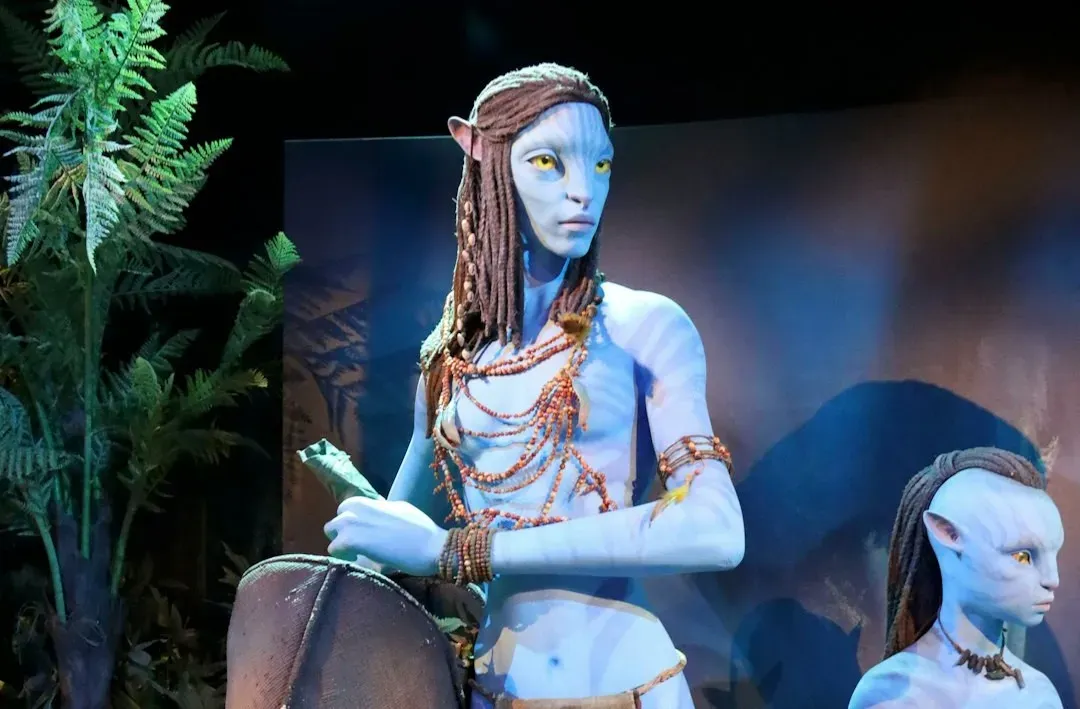
James Cameron wrote his original treatment for Avatar back in the mid-1990s, but shelved the project because the visual effects technology of the era simply could not render his vision of the alien world Pandora. He spent the intervening years working on other films while quietly tracking advances in motion capture and 3D camera systems.
By the time filming technology caught up to his ambitions, roughly a decade and a half had passed since the first drafts of the story. Avatar finally reached theaters in December 2009, and its long gestation period became part of the film’s own mythology, a reminder that some blockbusters wait for the tools to catch up to the imagination behind them.
The Tree of Life
Terrence Malick’s meditation on family, memory, and the origins of the universe traces its roots back decades before its 2011 release. Malick had reportedly been developing ideas related to the project, sometimes referred to during its earliest stages as an exploration of cosmic and natural themes, since the 1970s, long before he had the resources or industry standing to make something so ambitious.
The film went through numerous rewrites and false starts over the years, with Malick’s notoriously private and painstaking working style adding to the delays. When The Tree of Life finally premiered, it won the Palme d’Or at Cannes, validating a vision that had been decades in the making and cementing Malick’s reputation as one of cinema’s most patient auteurs.
Apocalypse Now
The seeds of Francis Ford Coppola’s Vietnam War epic were planted around 1969, when screenwriter John Milius first drafted a script loosely inspired by Joseph Conrad’s Heart of Darkness. Coppola took on the project as producer before eventually stepping in to direct it himself, spending years trying to secure financing and shape the sprawling screenplay into something filmable.
Principal photography, which took place in the Philippines, became infamous for typhoons, recasting, and a near-fatal heart attack suffered by star Martin Sheen, stretching the shoot itself well beyond its planned schedule. By the time the film finally premiered in 1979, roughly a decade had passed since Milius first put words on the page, making the journey from concept to screen almost as dramatic as the story it told.
Films like these are reminders that a long production timeline is not automatically a warning sign or a guarantee of quality. Some, like Boyhood, turned a slow build into the entire point of the film. Others, like The Thief and the Cobbler, show what happens when perfectionism and shifting studio priorities collide over decades. Either way, each of these nine productions demonstrates that persistence, whether intentional or forced by circumstance, can eventually produce something that simply could not exist any other way.Partner offer
Planning a trip to Vegas?
Compare hotel rates and show tickets on VEGAS.com.