Every so often, a movie’s music slips out of the theater and starts living a life of its own. Sometimes the songs outlast the plot entirely, showing up at weddings, karaoke nights, and gym playlists decades after the credits rolled. The film gave the songs a stage, but the songs paid it back many times over, turning into cultural landmarks that outsold, outcharted, and in some cases outlived the movies that introduced them.
What follows is a look at ten soundtracks that did exactly that. Some belong to films still widely watched today, others to movies that have faded from casual conversation while their music keeps spinning. Either way, the numbers and the staying power tell a story of their own.
1. Saturday Night Fever (1977)
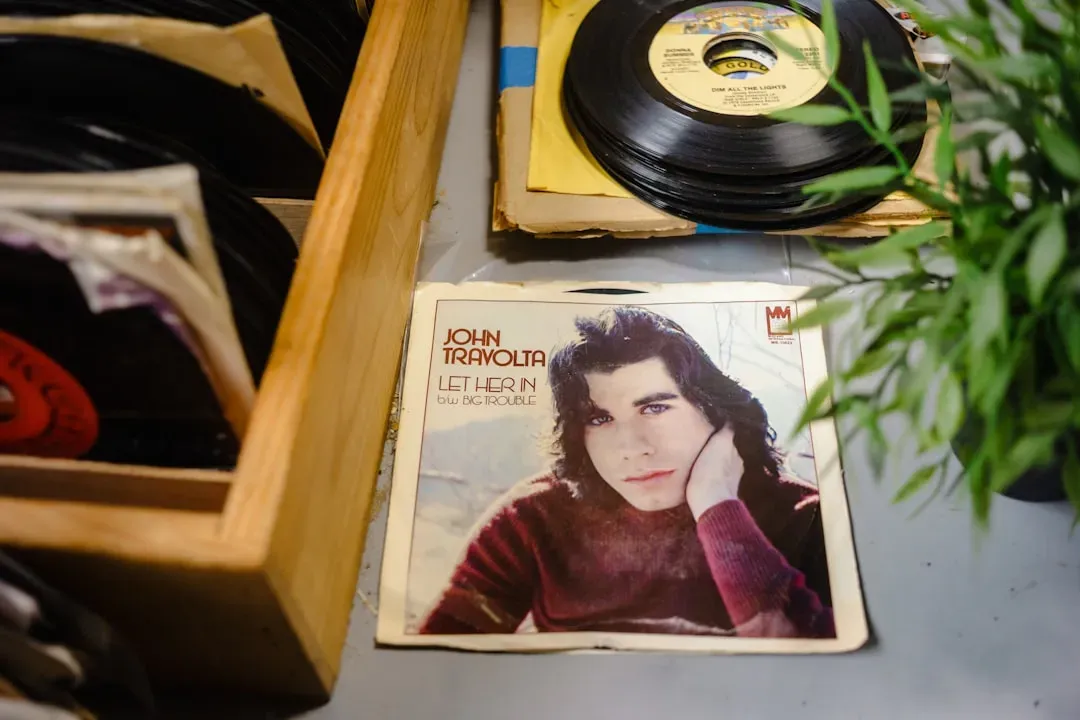
Before John Travolta ever hit the dance floor, disco was mostly an American club scene. The double album changed that overnight, and its commercial run remains one of the wildest in recording history. Prior to the release of Thriller by Michael Jackson, Saturday Night Fever was the best-selling album in music history, and still ranks among the best-selling soundtrack albums worldwide, with sales figures of over 40 million copies.
The chart dominance matched the sales figures point for point. The album dominated the UK charts for 18 consecutive weeks, and a groovy 24 weeks in the US, while five of the soundtrack’s singles reached number one, earning five Grammy Awards including Album of the Year, the only disco album and the first soundtrack album to claim that prize. Travolta’s strut is memorable, but it was the Bee Gees who gave the film its second, longer life.
2. The Bodyguard (1992)
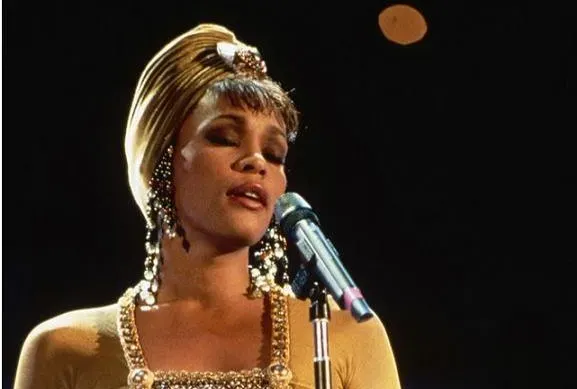
Kevin Costner’s action thriller did fine at the box office, but nobody remembers it for its plot twists. They remember it for Whitney Houston’s voice, and specifically for one song that seemed to swallow the entire year of 1993 whole. The numbers are astounding: 20 weeks in the No. 1 spot on the Billboard 200 and more than 45 million copies sold worldwide.
That staying power hasn’t faded with time. Whitney Houston’s 1992 The Bodyguard soundtrack extends its lead as the top-certified film soundtrack in RIAA history, with the album certified for U.S. shipments of 19 million units. “I Will Always Love You” alone became one of the defining vocal performances of the decade, and it’s easy to forget the film even needed a plot when the music carried this much weight.
3. Purple Rain (1984)
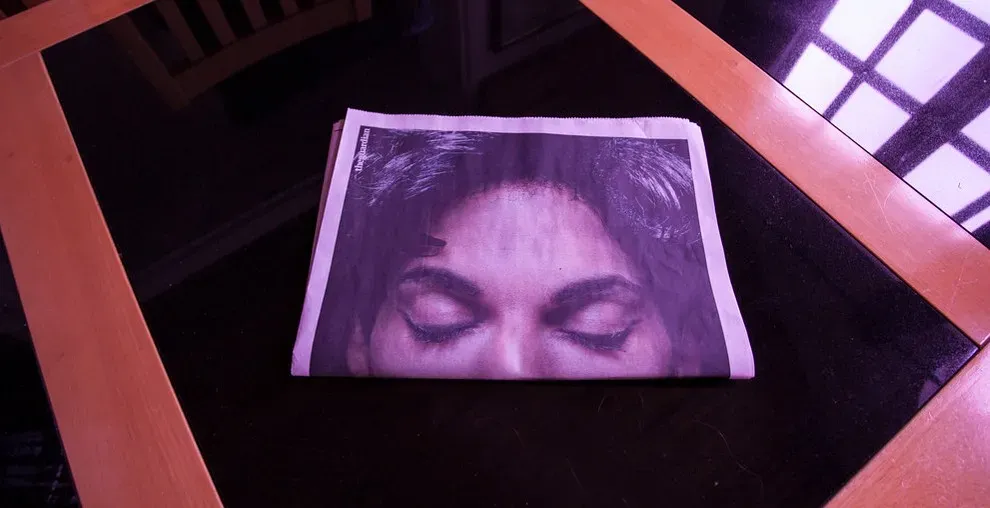
Prince’s semi-autobiographical film was a modest hit, but the album attached to it became something closer to a religious text for musicians. Purple Rain sold 13 million units in the United States, including 1.5 million in its debut week, earning a Diamond Award from the Recording Industry Association of America. It also spent an extraordinary stretch atop the charts.
According to Billboard magazine, the album spent 24 consecutive weeks at number one on the Billboard album charts, from August 4, 1984 to January 18, 1985, becoming one of the top soundtracks ever. During that same stretch, Prince joined a very short list of artists, alongside the Beatles and Elvis Presley, who had the number one album, single, and film in the country simultaneously. Few soundtracks have ever fused image and sound that completely.
4. Dirty Dancing (1987)
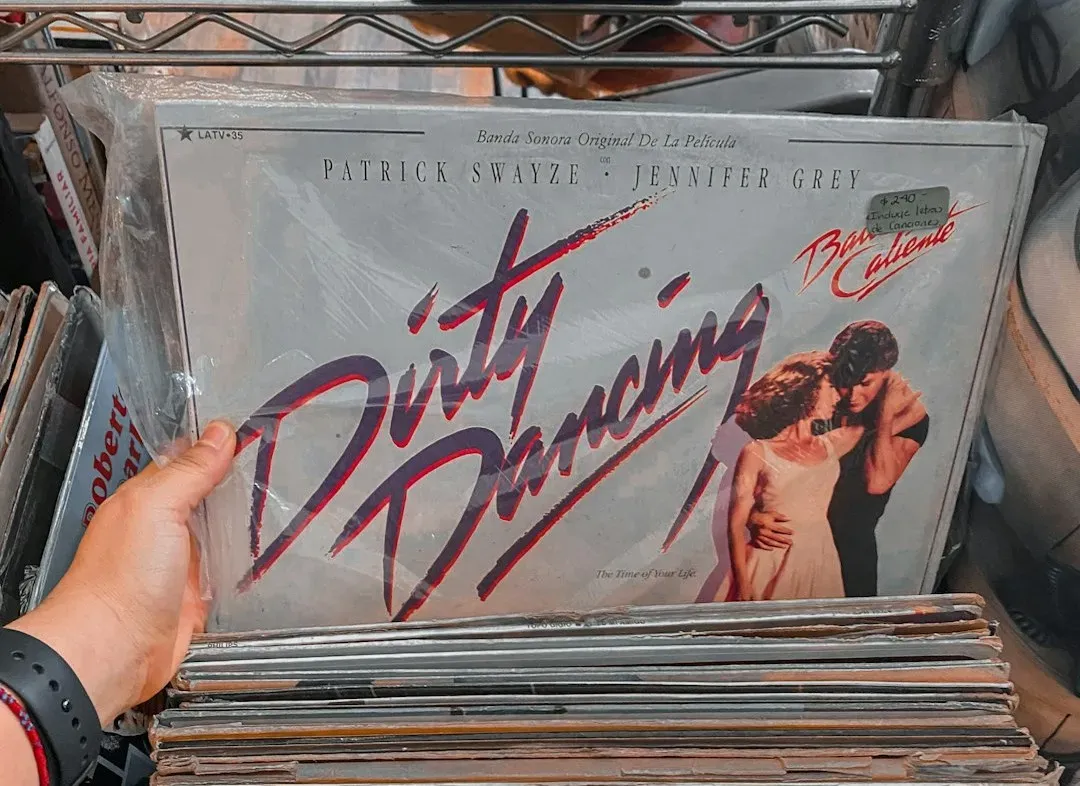
A low-budget dance drama with a modest production turned into one of the most quietly dominant soundtracks of its decade. The mix of retro doo-wop and new original songs like “(I’ve Had) The Time of My Life” struck a chord that outlasted the film’s box office run by years. Six soundtracks have been certified Diamond by the RIAA for at least ten million units, and Dirty Dancing sits among them at 14 million, alongside Saturday Night Fever, Purple Rain, Forrest Gump, Titanic, and The Lion King.
That kind of certification puts a movie soundtrack in rare company, especially for a film that wasn’t a blockbuster on the scale of its music. Radio stations kept the songs alive long after VHS copies gathered dust, and the soundtrack has never really left rotation at weddings and dance studios. It’s a reminder that a modest film budget doesn’t limit how far the accompanying music can travel.
5. Forrest Gump (1994)
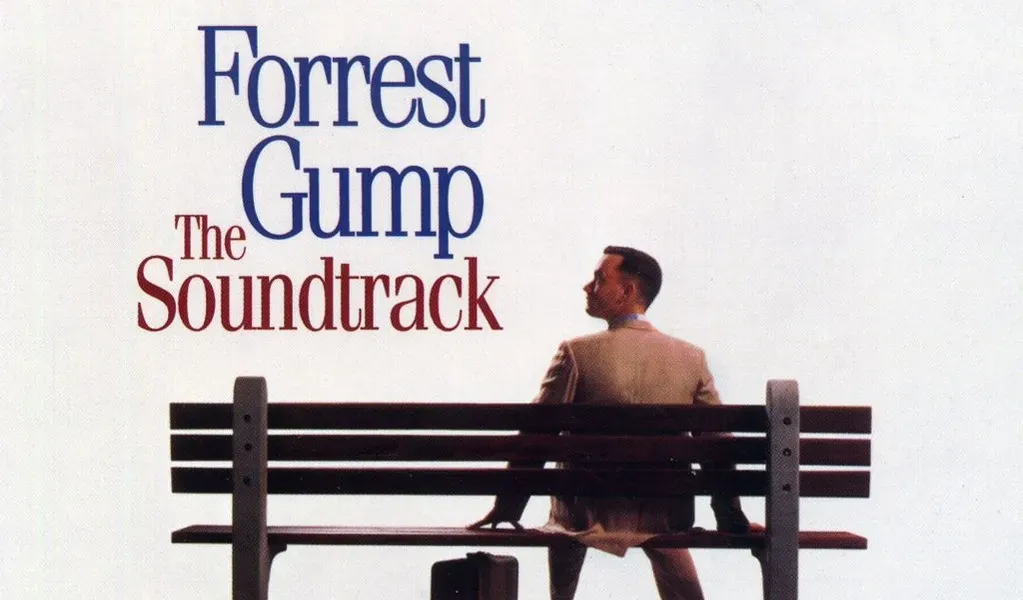
Forrest Gump was already a cultural phenomenon on its own, sweeping the Oscars and becoming one of the top grossing films of its year. Yet the two-disc soundtrack, stacked with decades of classic rock and soul hits used to trace the character’s journey through American history, became a commercial force in its own right. It has been certified Diamond by the RIAA at 12 million units, putting it in the same rarefied tier as Titanic and Dirty Dancing.
Part of the appeal was the format itself. Instead of an original score built around new songs, the compilation worked like a guided tour through the Doors, Creedence Clearwater Revival, and dozens of other acts, giving listeners a nostalgic playlist that worked whether or not they’d seen the movie recently. That approach has since been copied by countless films trying to bottle the same effect, rarely with the same success.
6. Titanic (1997)
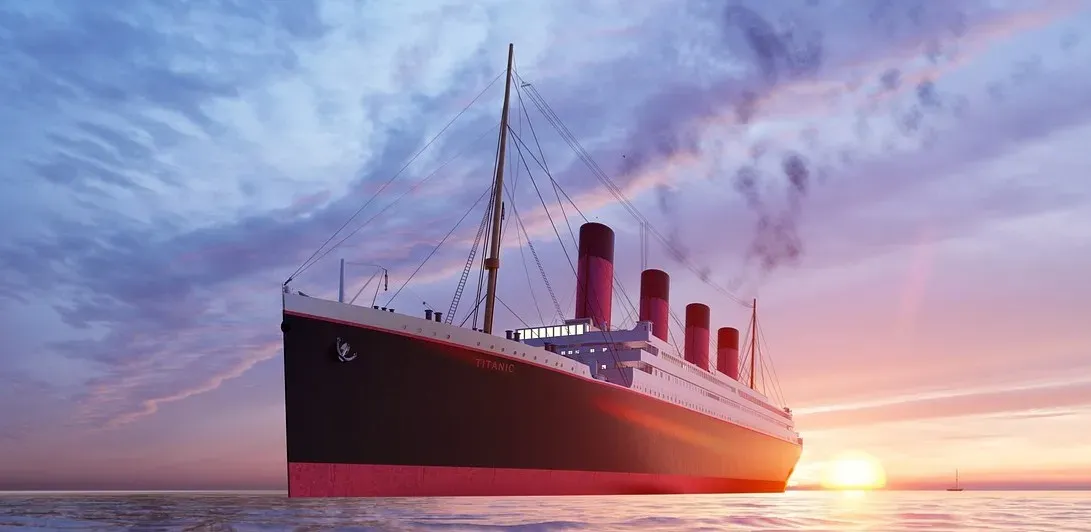
James Horner’s orchestral score paired with Celine Dion’s “My Heart Will Go On” created one of the strangest commercial pairings in film history, a sweeping symphonic soundtrack that somehow outsold most pop albums of its era. Titanic: Music from the Motion Picture became the highest-selling primarily orchestral film score in history, with worldwide sales surpassing 30 million copies.
Its chart run was just as unusual for an instrumental-heavy release. The soundtrack moved from number eleven to number one on the Billboard 200 in January 1998, and it remained at the top for sixteen straight weeks until it was replaced by the Dave Matthews Band album Before These Crowded Streets. No album would match that kind of consecutive run at the top until Adele’s 21 arrived more than a decade later, a fact that says as much about the soundtrack’s grip on audiences as any sales figure could.
7. O Brother, Where Art Thou? (2000)

The Coen Brothers’ Depression-era comedy performed respectably at the box office, but its bluegrass, gospel, and old-time folk soundtrack became a genuine phenomenon that outran the film by a wide margin. It swept the CMA, ACM and IBMA awards before winning the Grammy Award for Album of the Year in 2002, and it became the number one selling country album, eventually racking up between 8 and 9 million records sold.
The album’s rise was slow and organic rather than driven by a single hit radio single. The film’s signature song, “I Am A Man Of Constant Sorrow,” helped drive the soundtrack to the number one spot on the Billboard 200, where it spent 15 weeks during a run of 683 weeks on the chart overall. T Bone Burnett’s production sparked a broader Americana and bluegrass revival that outlasted the film’s theatrical run by years, reshaping how roots music was marketed for a new generation.
8. Guardians of the Galaxy: Awesome Mix Vol. 1 (2014)
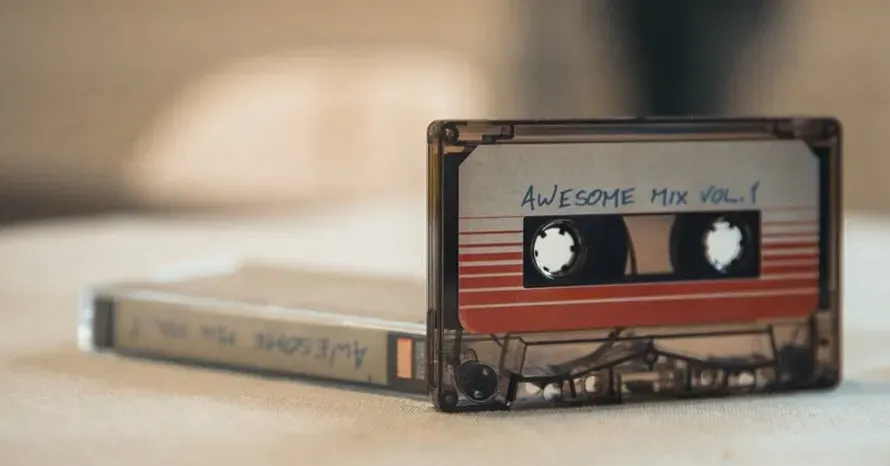
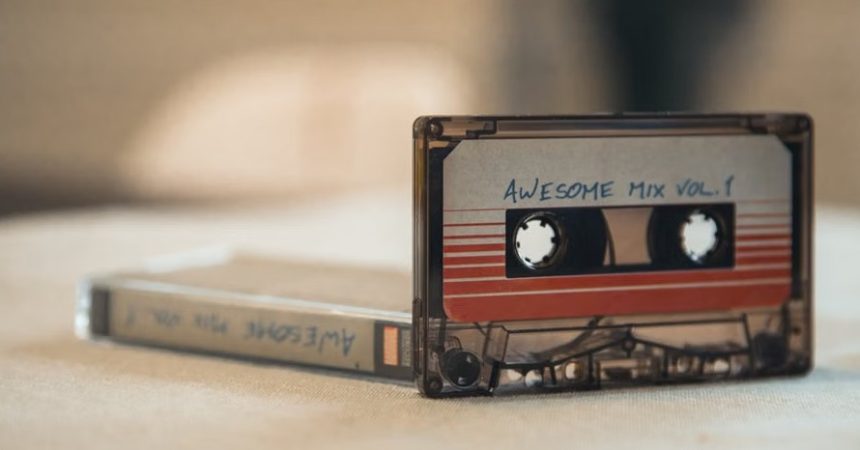
Marvel’s cosmic adventure did something genuinely unusual with its soundtrack, building an entire commercial release around a mixtape of decades-old classic rock and soul songs rather than commissioning new material. That gamble paid off in a way nobody quite expected. By August 2014, Guardians of the Galaxy: Awesome Mix Vol. 1 had reached the top of the Billboard 200 chart, becoming the first soundtrack album consisting entirely of previously released songs to top the chart.
The album’s staying power extended well past opening weekend. As of April 2017, it had sold over 1.75 million copies in the United States alone, and had been certified Platinum by the RIAA. Songs by Blue Swede, the Raspberries, and 10cc suddenly found themselves back on modern streaming playlists, proof that a well-curated mixtape can move units just as effectively as an original score.
9. Frozen (2013)
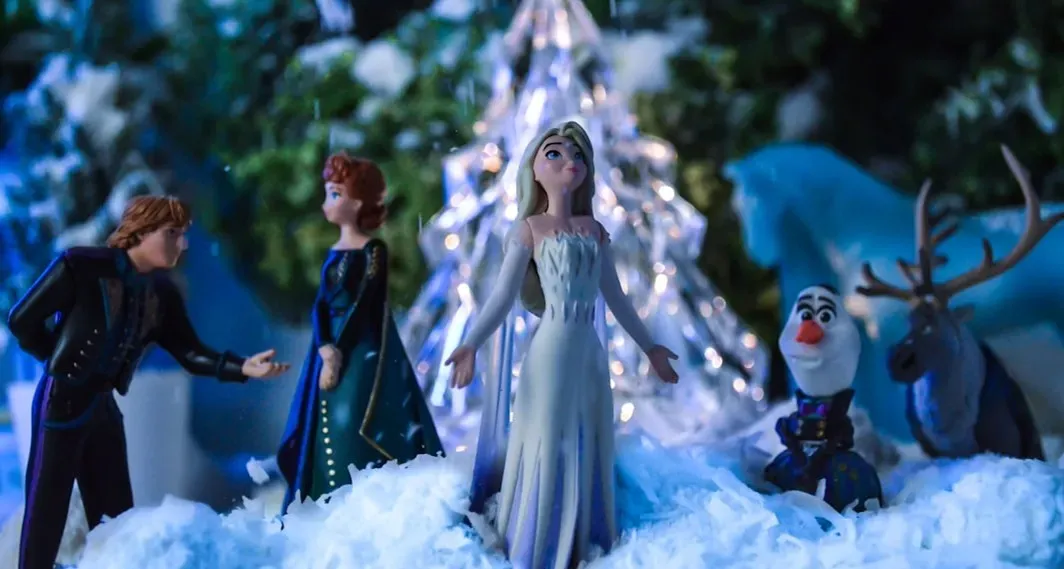
Disney’s animated hit was already a massive box office success, but its soundtrack became a genuine chart phenomenon that spread well beyond the usual family audience. The Billboard record shows just how dominant it was during that stretch of 2014, topping the chart before Guardians of the Galaxy eventually took over the top spot. Songs like “Let It Go” and “Do You Want to Build a Snowman” became inescapable on radio, in classrooms, and at family gatherings for years afterward.
“Let It Go” went on to win the Academy Award for Best Original Song, cementing the soundtrack’s crossover appeal beyond the usual Disney fanbase of young children. Parents who never intended to memorize every lyric found themselves singing along anyway, a sign of just how thoroughly the songs escaped the confines of the film. Few animated soundtracks have managed to dominate both children’s entertainment and mainstream pop culture at the same time the way this one did.
10. Trainspotting (1996)

Danny Boyle’s gritty Edinburgh drama about heroin addiction was a critical success, but its soundtrack became something closer to a generational mixtape for the Britpop and electronic scene of the mid-1990s. Iggy Pop’s “Lust for Life” became permanently associated with the film’s opening sprint, giving the decades-old track a second life on modern radio. Underworld’s “Born Slippy .NUXX,” meanwhile, turned into a genuine dance floor anthem after the film’s release, arguably eclipsing the recognition of the movie itself for an entire generation of clubgoers.
What made the soundtrack stand apart was its refusal to play it safe, mixing Britpop staples with electronic tracks in a way few studio releases attempted at the time. The compilation captured a very specific moment in British youth culture, one that continued influencing curated soundtracks for years after the film left theaters. Its influence on how directors use pre-existing music to define a scene’s tone is still visible in films released today.
Taken together, these ten records show how a well-chosen song, or a whole album’s worth of them, can take on a life the filmmakers never planned for. Some of these soundtracks propped up movies that have since faded from regular conversation. Others rode alongside films that remain classics in their own right, adding an extra layer of staying power that neither the music nor the movie could have reached alone.