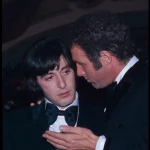
Long before the world knew their names, plenty of legendary musicians clocked in and out of jobs that had nothing to do with music. Some scooped ice cream, others handled luggage or dug through paperwork in cramped offices, all while quietly nursing dreams of something bigger. Their stories are a useful reminder that stardom rarely arrives on schedule, and that the road there often runs through some surprisingly unglamorous places.
1. Rod Stewart’s brief spell at Highgate Cemetery
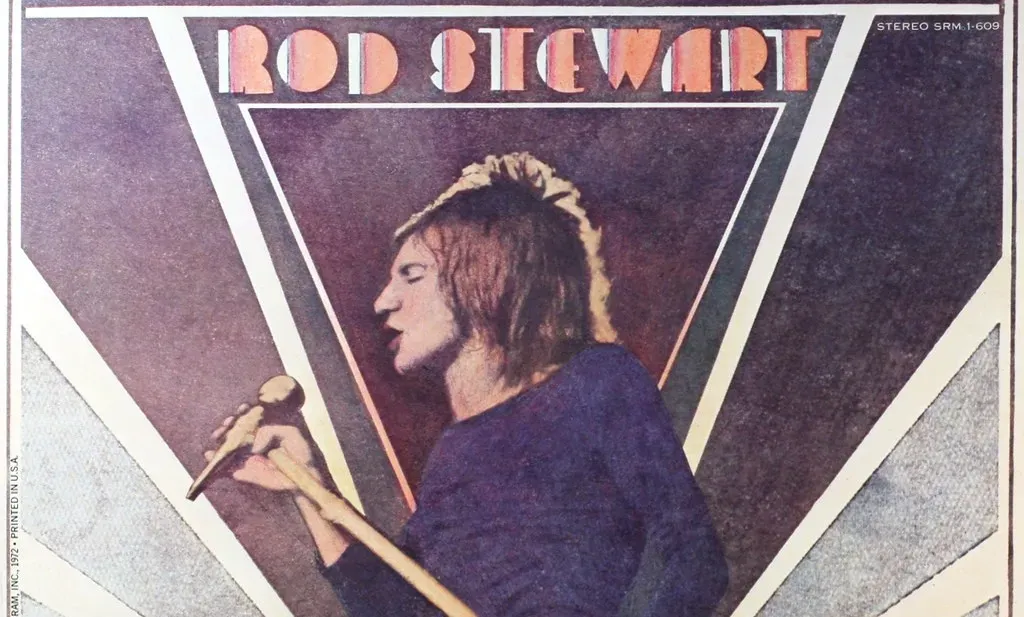
Rod Stewart’s connection to gravedigging has become one of rock’s most repeated tales, though the full picture is a bit more nuanced than the legend suggests. Rod Stewart is commonly believed to have worked as a grave digger at Highgate Cemetery in north London, though this is something of an urban myth. While he was temporarily employed by the cemetery in his youth, his work consisted of marking plots and performing various other manual tasks, which did not include gravedigging.
Stewart himself has leaned into the story over the years, even while setting the record straight. He acknowledged that the popular myth arose, one he happily rode along with, that he was once a gravedigger, calling it a delicious, mysterious piece of back story. Before any of that, though, he passed through a string of far less romantic gigs, including work as a paper boy and a picture framer, all part of a working class upbringing in London that gave little hint of the fame to come.
2. Freddie Mercury’s shift handling luggage at Heathrow
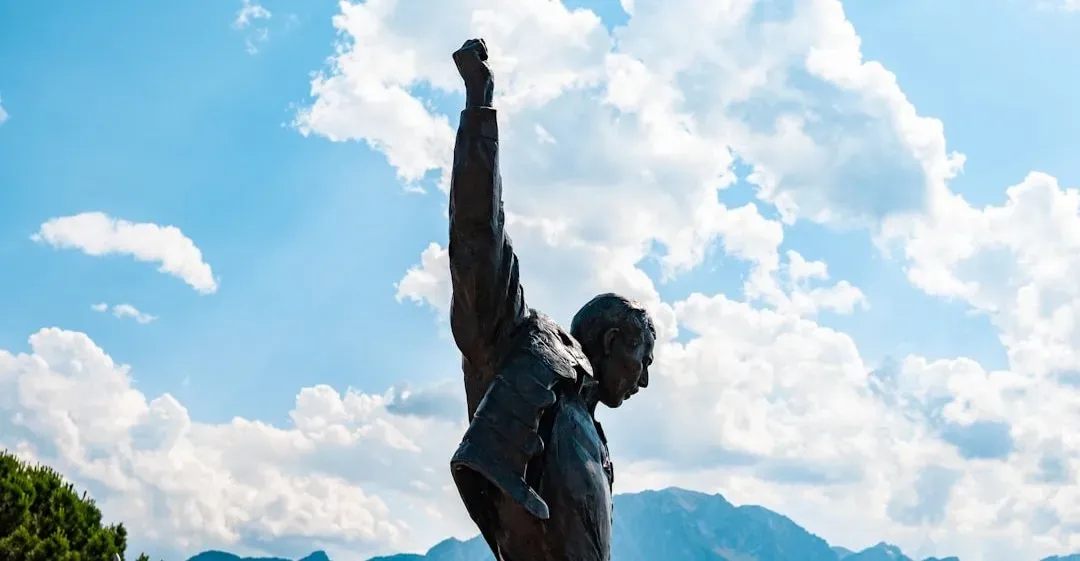
Years before he commanded stadiums as Queen’s frontman, Freddie Mercury spent his days on the tarmac of one of the world’s busiest airports. Freddie used to be a baggage handler at Heathrow Airport, and in 1970 he joined the band that would become his defining legacy. It was ordinary, physical work, tossing suitcases and carts around while living a fairly unremarkable life in nearby Feltham.
The contrast between that job and his later persona has made it a favorite footnote in his biography. The baggage handlers who eventually paid tribute to him were performing moves inspired by the charismatic rock star who worked at the airport nearly fifty years earlier, shortly before joining Queen and packing arenas around the world. It is a detail that tends to surprise people precisely because Mercury’s stage presence feels so far removed from anything routine.
3. Sting’s years as a schoolteacher

Before he was the bassist and voice behind The Police, Gordon Sumner spent his twenties trying out a handful of very different careers. After working as a bus conductor, building labourer and tax officer, he attended the Northern Counties College of Education from 1971 to 1974 and qualified as a teacher. It was a serious, structured path that had little in common with the punk and reggae influenced sound he would later help define.
His time in the classroom was not just a footnote either. After graduating, Sting taught at St Paul’s First School in Cramlington for two years. Before joining the Police, Sting had worked as an English teacher, an experience that later found its way, quite directly, into some of his songwriting.
4. Madonna’s short, chaotic stint at Dunkin’ Donuts

When Madonna arrived in New York City in the late 1970s chasing a career in entertainment, she needed money fast, and that meant taking whatever work she could find. Living in New York in 1978 and hoping to find a job in entertainment, she ultimately had to look elsewhere to pay the bills and took a position at Dunkin’ Donuts. The job did not last long, and the reason why has become something of a running joke in interviews since.
According to Madonna’s own account, the trouble started with the store’s jelly dispenser. In a 2015 interview, when asked whether she was fired for squirting jelly over everyone, Madonna responded that she had been playing with the jelly squirter machine, adding that her employers seemed unhappy she was not taking the job seriously. She reportedly lasted only about a week before getting let go, a brief and slightly absurd chapter in a career that would soon turn anything but ordinary.
5. Elvis Presley’s time behind the wheel of a delivery truck
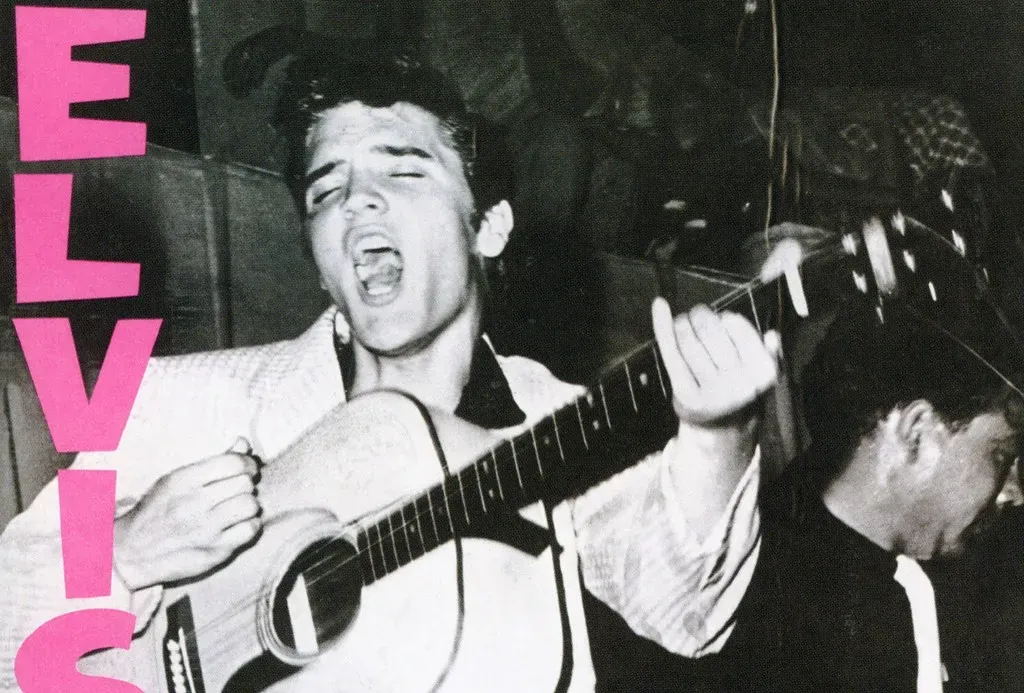
Before he became known as the King of Rock and Roll, Elvis Presley held down a steady, blue collar job in Memphis. He worked as a truck driver for Crown Electric, hauling supplies around the city while chasing a music career on the side. It was routine work, the kind that paid the bills but gave no hint of the cultural upheaval he was about to cause.
Presley reportedly kept the job even after recording his first demo at Sun Studio, unsure whether music would ever pan out into something stable. That caution says something about how uncertain the early path to fame really was, even for someone whose talent would eventually reshape popular music. It is a useful corrective to the idea that stars always know they are destined for greatness.
6. Ozzy Osbourne’s grueling days in a slaughterhouse

Long before he became the self-styled Prince of Darkness fronting Black Sabbath, a teenage Ozzy Osbourne worked in a Birmingham slaughterhouse. The job was physically demanding and grim by most accounts, involving long hours around the slaughter and processing of animals. It was about as far from rock stardom as a job could be, and Osbourne has spoken about it as one of several rough gigs he took just to get by.
He also reportedly worked briefly as a plumber’s assistant and in a factory that tuned car horns, jumping between manual labor jobs in industrial Birmingham. None of it lasted, and none of it was meant to. Still, that stretch of hard, unglamorous work in his youth arguably shaped the gritty, unpolished edge that came to define Black Sabbath’s early sound.
7. Johnny Cash’s stint in the United States Air Force
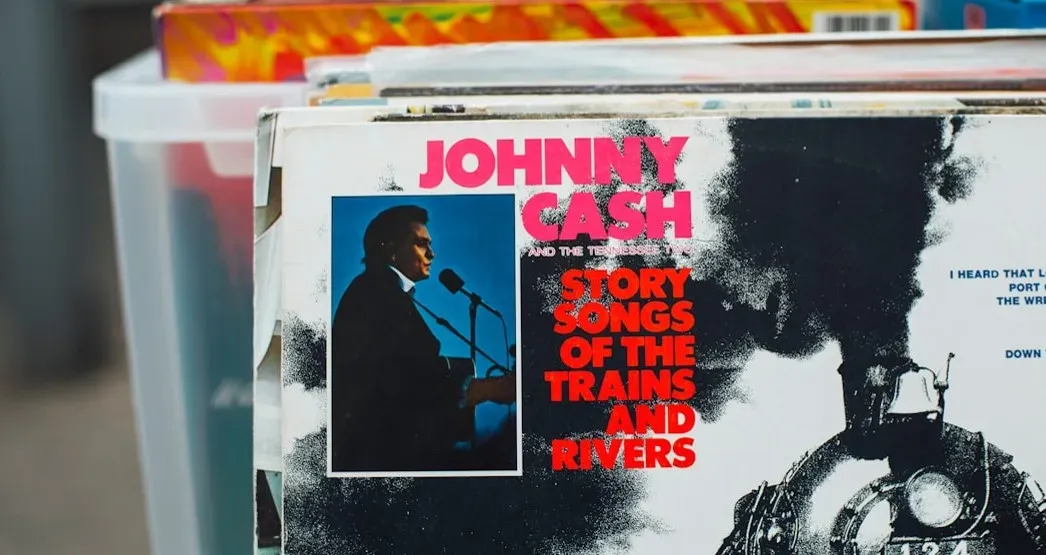
Johnny Cash’s day job before fame was not exactly ordinary in the civilian sense, but it was steady, structured work far removed from the honky tonk stages he would later dominate. He enlisted in the United States Air Force and served for several years, stationed in West Germany as a radio intercept operator. It was disciplined, unglamorous work that involved monitoring Soviet Morse code transmissions rather than writing songs.
It was during his military service that Cash bought his first guitar and began teaching himself to play, forming a band with fellow airmen to pass the time. The routine of service life, paired with long stretches of boredom, gave him space to develop the sound that would eventually turn into hits like “Folsom Prison Blues.” His path to Nashville only began once his enlistment ended.
8. David Bowie’s early work as a commercial artist
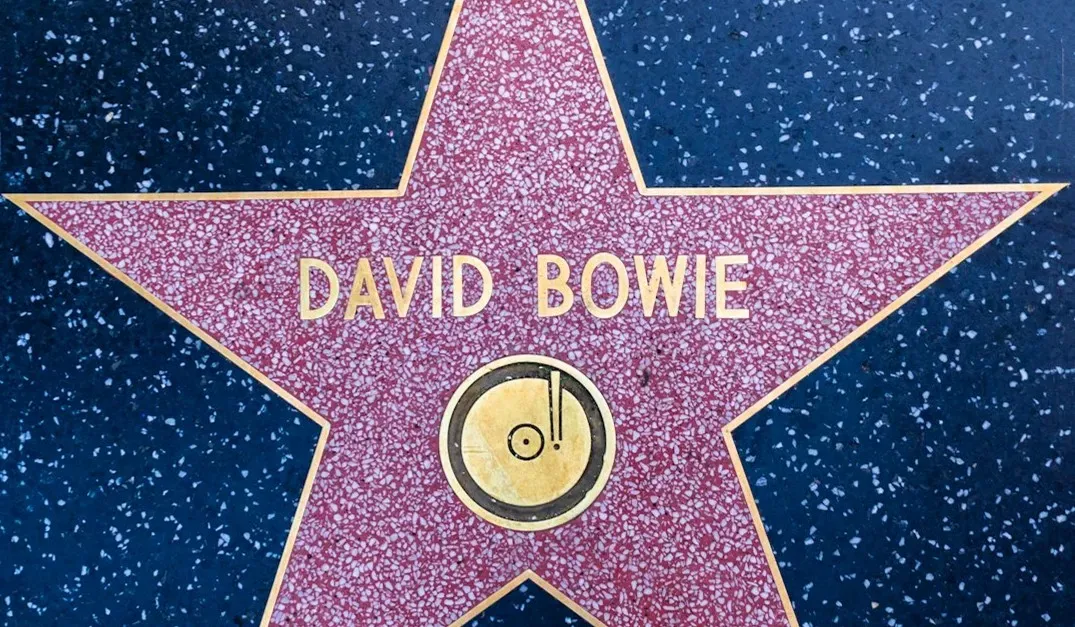
Before reinventing himself repeatedly on stage, David Bowie spent time working in more conventional creative roles, including a period as a commercial artist. He took on design and advertising related work in London during the early 1960s, years before Ziggy Stardust or any of his other personas existed. It was steady, unremarkable work that helped support his early attempts to break into music.
Bowie’s background in visual art never fully disappeared from his career either. He remained deeply engaged with design, styling, and visual presentation throughout his musical life, something that likely traces back to those early years spent doing commercial work rather than performing. It is a small detail, but one that helps explain why his stagecraft always felt so deliberately composed.
9. Lady Gaga’s years waiting tables in New York

Before headlining arenas, Lady Gaga spent time waiting tables and working service jobs around New York City while trying to get a foothold in the music industry. She has spoken in interviews about scraping together rent money through ordinary hospitality work during a stretch when nothing about her future seemed guaranteed. It was a familiar story for aspiring performers in the city, long hours on her feet followed by late nights trying to break into clubs and get noticed.
That period of financial uncertainty reportedly shaped some of her early songwriting and her drive once success finally arrived. She has occasionally referenced those lean years as a grounding experience, one that kept her connected to an audience of people working jobs not unlike the ones she once held herself. It is a detail that adds some texture to an otherwise larger than life public persona.
Ordinary Beginnings, Extraordinary Outcomes

What stands out across these nine stories is not just the contrast between the mundane and the spectacular, but how unremarkable that stretch of uncertainty felt at the time. None of these musicians knew, while digging graves, hauling luggage, or teaching a classroom of children, that they were on the edge of something enormous. Fame, as these stories suggest, rarely announces itself in advance.
There is something quietly reassuring in that. The path from an ordinary paycheck to a global stage is rarely straight, and for most people chasing something ambitious, the in between jobs are simply part of the process rather than a detour from it.