
Working the floor at a concert venue means watching thousands of people funnel through metal detectors, find their seats, and lose themselves in the music. Most nights go smoothly. But staff members who have spent years in arenas, amphitheaters, and clubs notice patterns that never quite make it into official safety briefings, small habits that quietly worry the people whose job it is to keep everyone safe. These aren’t dramatic incidents that end up on the news. They’re the subtle behaviors that security teams, ushers, and medical staff talk about backstage, the things that make experienced venue workers glance at each other and start moving a little faster.
1. Climbing on barricades during the encore rush
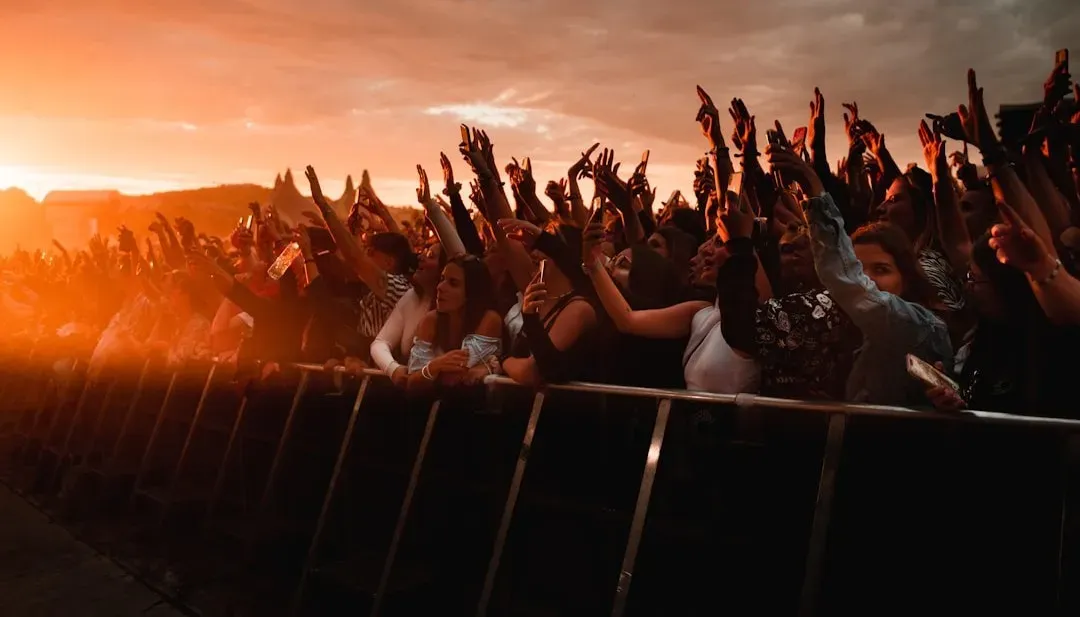
When the lights dip for an encore, the energy in the crowd shifts almost instantly, and that’s exactly when staff start watching the barricades closest. Fans who scramble up on the metal railing to get a better view or a better photo put real strain on structures that are rated for lateral crowd pressure, not vertical climbing weight. Security teams at large venues are trained to spot this behavior early because a barricade failure in a packed pit can cause a chain reaction of falls in seconds.
Venue staff have said that this particular moment, right before an encore, is one of the riskiest windows of any show. The crowd surges forward, people start climbing to see over shoulders, and the barricade becomes the only thing separating a manageable crowd from a genuine crush hazard. Most fans don’t intend any harm; they just want a better view for thirty seconds. Staff would rather see phones held up than bodies climbing metal.
2. Passing unconscious or heavily intoxicated friends overhead
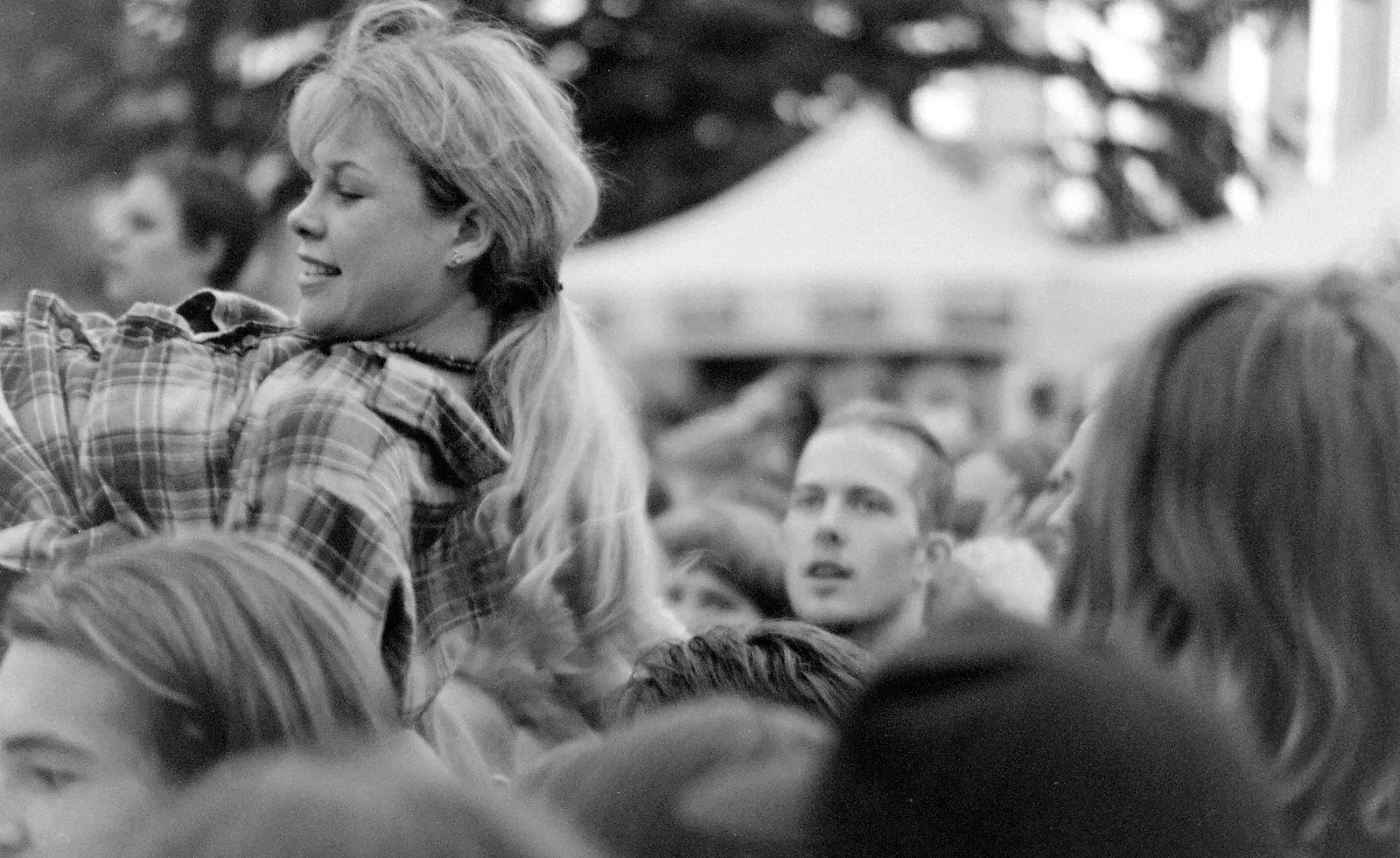
Crowd surfing someone who’s alert and cooperating is one thing. Passing along a person who’s gone limp, unresponsive, or visibly unable to protect their own head and neck is a different situation entirely, and it’s one that triggers immediate concern among staff watching the pit. Medical teams at concerts have noted that alcohol and heat exhaustion combine quickly in dense crowds, and an unconscious body moving through a sea of hands is nearly impossible to monitor for airway obstruction or spinal injury.
Security staff are trained to intercept these situations the moment they spot them, often diverting extra personnel toward the pit rail to pull the person out safely. What worries staff most isn’t the surfing itself, it’s how often the people doing the passing don’t realize their friend has actually lost consciousness rather than just gone loose and relaxed. The difference matters enormously for how quickly medical attention needs to arrive.
3. Sneaking in outside food, drinks, or unlabeled containers

Bag checks exist for a reason beyond just banning weapons. Venue staff regularly find fans trying to smuggle in flasks, unmarked water bottles, or homemade snacks, and while most of this is harmless rule bending, it creates a genuine blind spot for security. An unlabeled container could hold anything from vodka to something far more concerning, and staff have no reliable way to verify contents on sight without opening and testing everything, which simply isn’t feasible at the pace bag checks need to move.
The bigger worry, according to staff who’ve worked entry points for years, is less about the item itself and more about what it signals. Fans who go out of their way to conceal something are often trying to avoid a rule they know exists for safety reasons, whether that’s outside alcohol limits or capacity restrictions on liquids. That pattern of concealment makes staff more cautious about what else might be getting through unnoticed.
4. Wandering away from friend groups while visibly disoriented
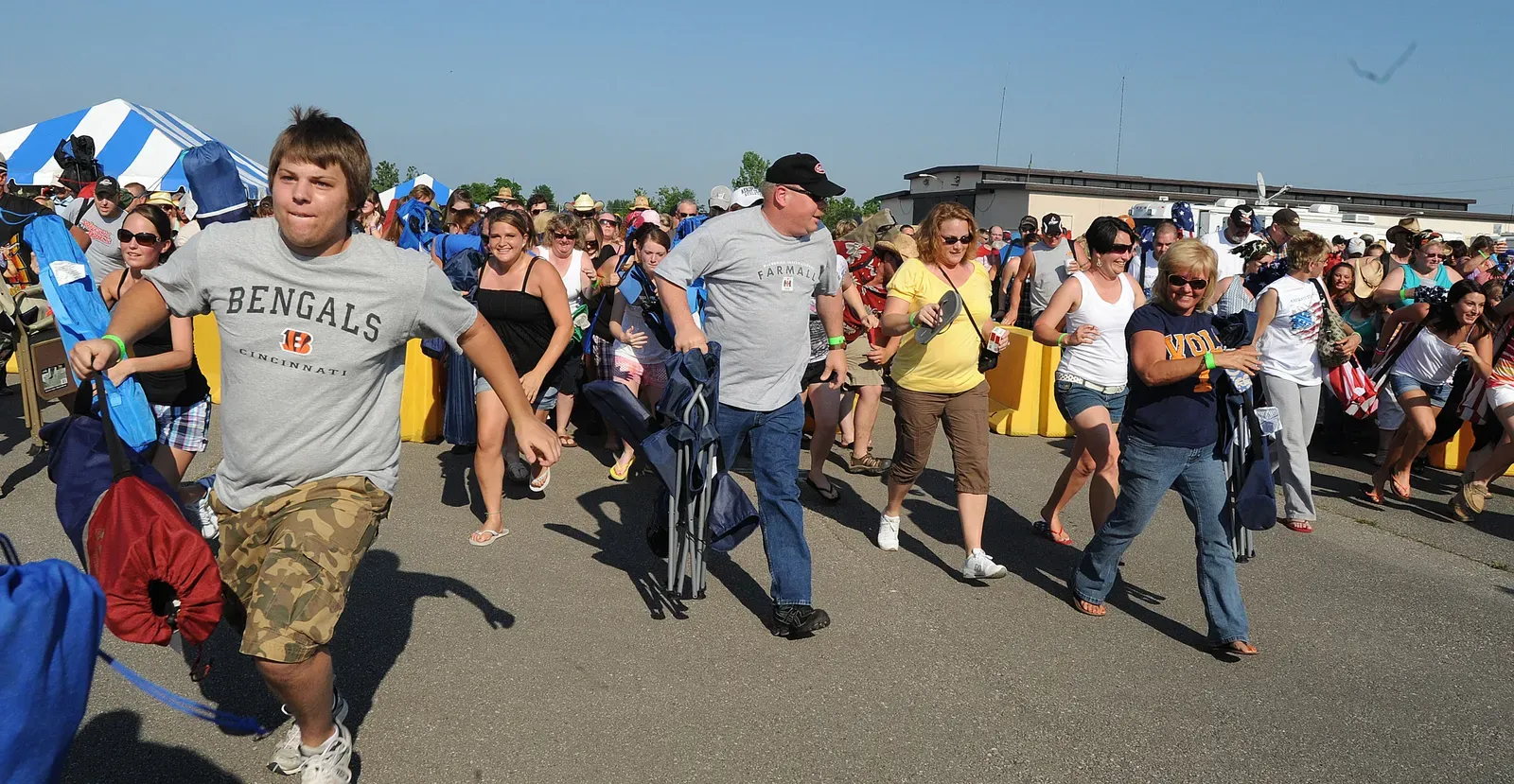
Large venues are loud, dark, and disorienting even for sober attendees who know exactly where they’re going. Staff say one of the most common quiet worries is spotting someone stumbling alone, clearly separated from whoever they came with, and unable to clearly say where their group is or what section they’re in. This is especially common near the end of shows when crowds surge toward exits all at once and people get physically swept in different directions.
Medical and security staff are trained to approach these individuals directly rather than wait for someone to report them missing, because a disoriented person wandering alone in a crowd of thousands is vulnerable in ways that aren’t always obvious. Dehydration, low blood sugar, and alcohol can all produce similar symptoms, and sorting out which one is happening takes a trained eye and a few careful questions.
5. Ignoring posted evacuation routes and exit signage

Most fans never look at the exit signs until they actually need one, and that’s precisely what worries fire safety and venue operations staff. Every venue is legally required to post evacuation routes, and staff run regular walkthroughs to make sure those paths stay clear, but the plan only works if patrons actually follow it during an emergency instead of defaulting to the main entrance they walked in through. During real evacuations, staff have observed crowds instinctively funneling back toward familiar entry points even when closer, clearly marked exits are available.
This herd instinct toward familiar exits can create dangerous bottlenecking exactly when speed matters most. Staff who work larger arenas say part of their pre-show routine involves scanning the crowd for people blocking or standing near exit doors, since a single obstructed exit can slow an entire evacuation by minutes that genuinely count in a fire or severe weather situation.
6. Bringing very young children to loud, packed general admission shows
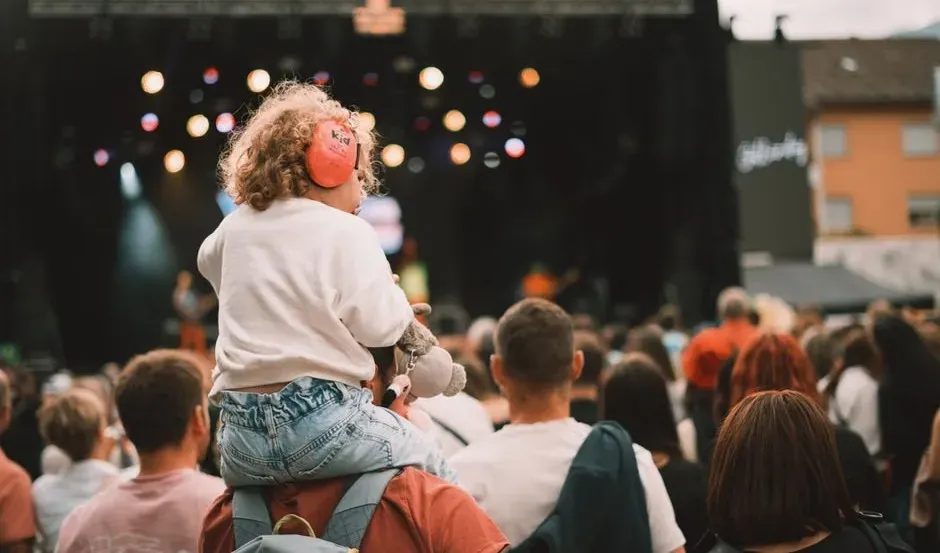
Staff at general admission venues frequently see parents bring toddlers or young children into standing-room crowds meant for full grown adult bodies pressed shoulder to shoulder. Beyond hearing damage concerns from sustained high decibel levels, which audiologists have long linked to concert sound levels well above safe exposure thresholds, there’s a practical safety issue: small children simply cannot be seen or protected the same way in a dense standing crowd. If a surge happens, a child at chest height to most adults has almost no room to breathe or move.
Venue medical staff say they’ve had to pull children out of pits during crowd surges more often than most parents would expect, and the panic in those moments is significant for everyone involved, including staff who now have a frightened child and separated parent to manage simultaneously. Many venues now recommend seated sections or balcony areas specifically for families for this exact reason.
7. Filming entire songs while blocking sightlines and pathways
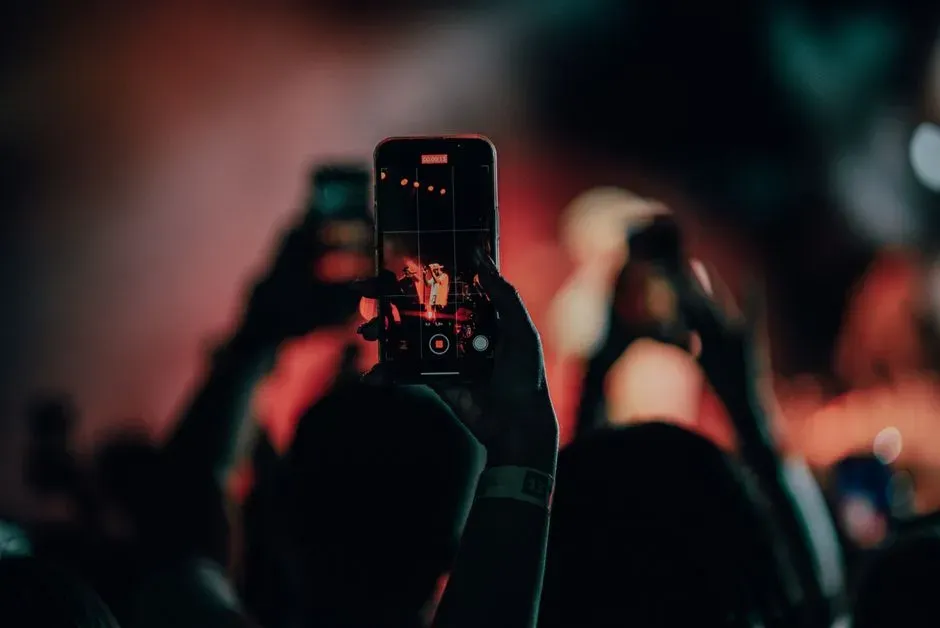
A raised phone here and there is expected at any modern concert, but staff have noticed a rise in fans holding phones up for entire songs while standing in walkways, aisles, or narrow sections meant to stay clear for staff movement. This matters more than it might seem, because ushers and medical responders need those pathways open to reach someone quickly if a health issue arises elsewhere in the crowd. A blocked aisle during an emergency response can cost precious seconds.
Staff have also noted that fans absorbed in filming often lose spatial awareness of what’s happening around them, meaning they’re less likely to notice a stumbling neighbor or a developing crowd surge nearby. It’s not that filming itself is a problem, it’s the combination of prolonged distraction and physical obstruction that quietly worries the people responsible for keeping walkways clear.
8. Refusing help when clearly struggling with heat or dehydration
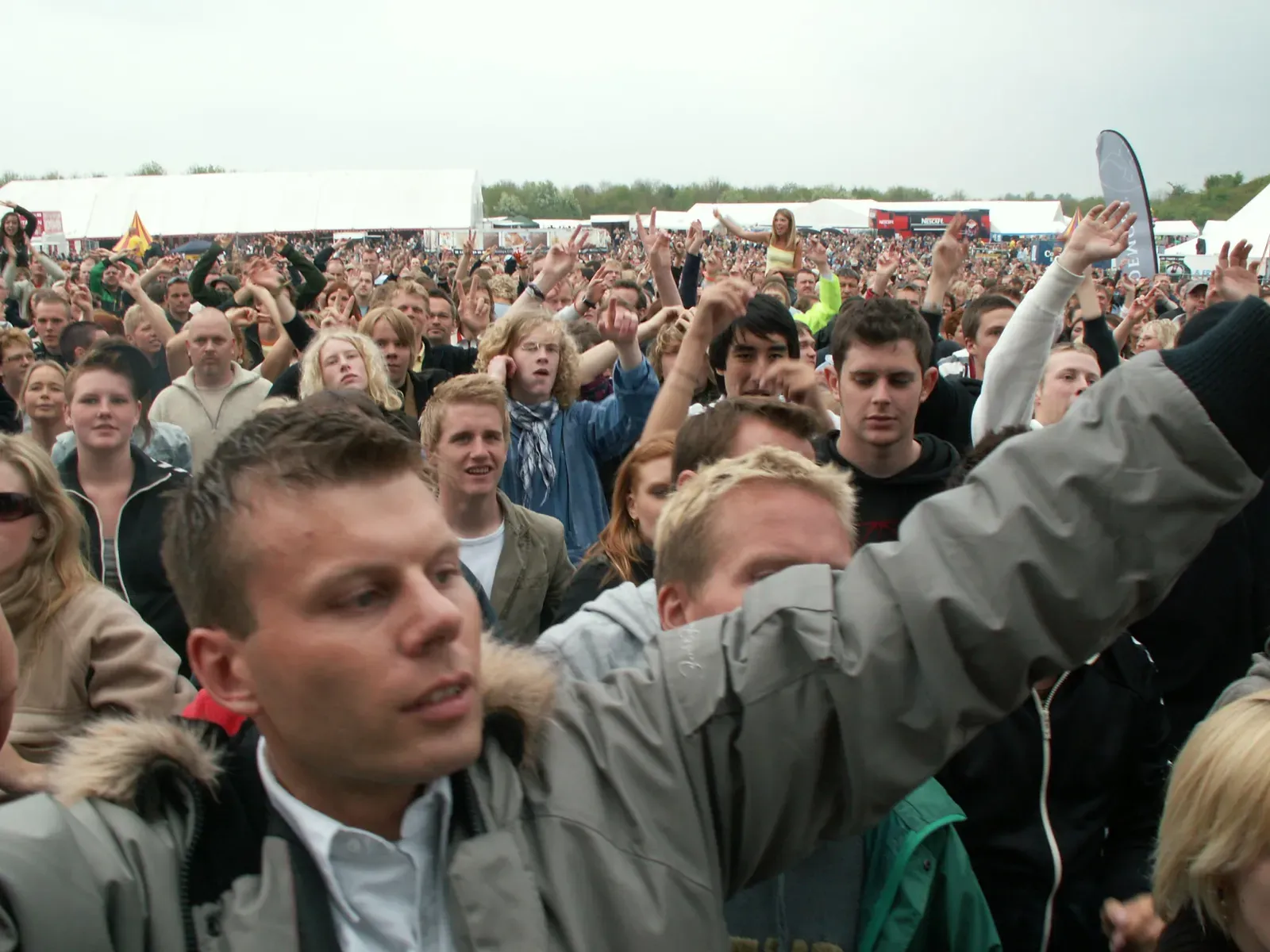
Perhaps the most consistent concern staff mention is fans who wave off medical assistance even when they’re visibly pale, sweating heavily, or swaying on their feet. Pride, embarrassment, or simple denial often kicks in before someone will admit they need water or a cooler spot to sit down, and by the time they do accept help, dehydration or heat exhaustion can have already progressed significantly. Outdoor summer shows and festivals see this pattern most often, particularly during extended sets in direct sun or packed indoor arenas with poor airflow.
Medical staff say the lag between noticing symptoms and a fan actually accepting help is often the most frustrating part of the job, because early intervention is so much easier than treating someone who has already collapsed. Staff are trained to keep offering water and shade even after an initial refusal, precisely because that first “I’m fine” is so often not accurate.