Hollywood and the games industry have been swapping ideas since the arcade boom of the early 1980s, and the results have not always gone the way anyone expected. A handful of movie tie-in games quietly became bigger commercial or cultural stories than the films that inspired them, sometimes earning more money over their lifetime, sometimes simply outlasting a forgettable movie in the public memory.
What follows is a look at nine cases where the game, not the film, ended up being the more successful, more remembered, or more financially efficient product. Some of these comparisons rest on hard sales figures. Others rely on critical and cultural reception, since exact revenue data for older titles is not always public.
1. GoldenEye 007 (1997)
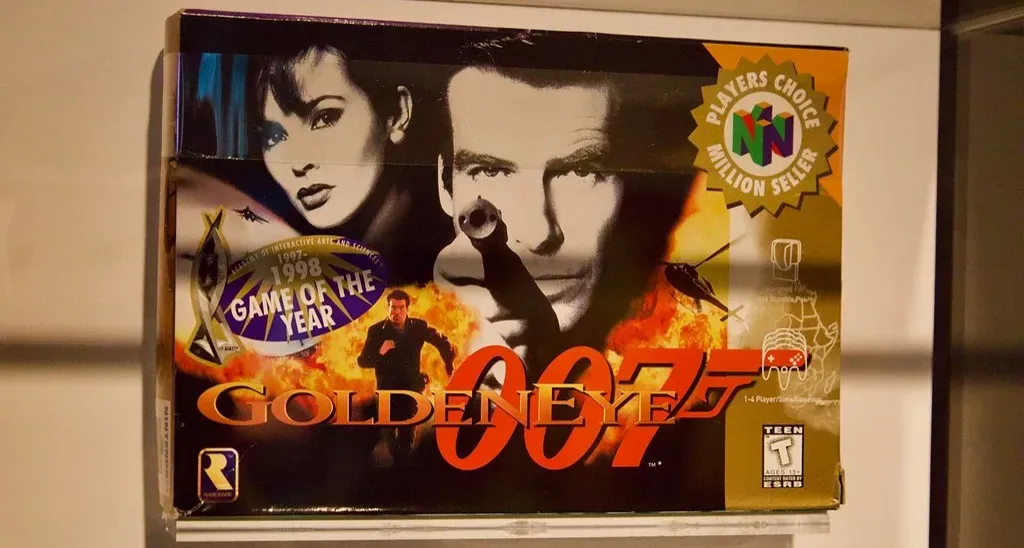
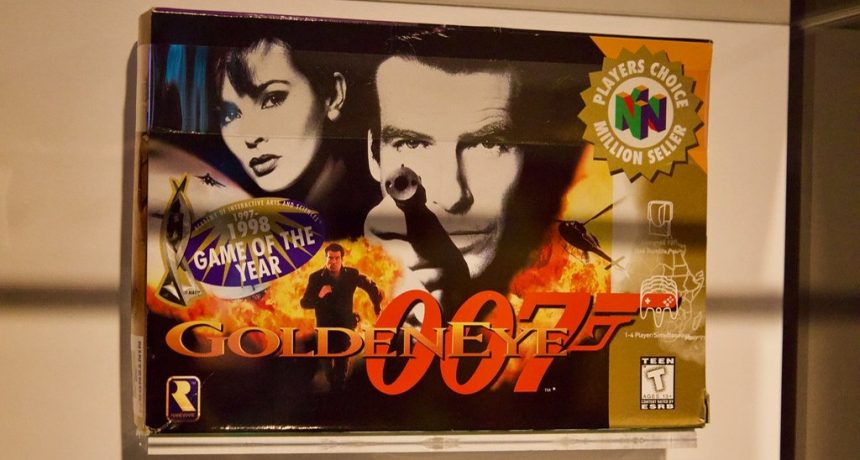
Rare’s N64 shooter is probably the single most cited example of a movie game eclipsing its source material. Selling over 8 million copies, GoldenEye grossed $250 million with a budget of only $2 million, compared to the film’s $352 million gross and $60 million budget. The film still earned more in raw dollars, but the game’s return on investment was staggering by comparison.
GoldenEye 007 sold more than eight million units worldwide, making it the third-best-selling Nintendo 64 game, behind Super Mario 64 and Mario Kart 64. That put a licensed movie tie-in ahead of nearly every other N64 release ever made, a feat almost no other film adaptation has matched before or since.
2. Scarface: The World Is Yours (2006)

Brian De Palma’s 1983 Scarface was a modest theatrical performer that grew into a cult classic mostly through home video and cable reruns. Decades later, Radical Entertainment’s video game sequel gave the story a second life on consoles. According to Game Informer and Vivendi Universal, Scarface: The World Is Yours sold over 2 million copies in North America, Europe, and Australia.
Vivendi Games subsidiary Sierra Entertainment matched Gears of War’s million-copy milestone with Scarface: The World Is Yours, which was the overall top-selling title in the US in October, as well as the number-one PlayStation 2 and Xbox game for the month. For a game built around an alternate ending to a movie that was already more than two decades old, that kind of chart performance was a genuine surprise.
3. The Chronicles of Riddick: Escape from Butcher Bay (2004)

Few movie tie-ins have flipped the script quite like this one. Film critics slammed Vin Diesel’s The Chronicles of Riddick in 2004, but the Riddick game, Escape from Butcher Bay, drew raves, offering plenty of surprises of its own since it had a completely original story as a prequel to the first Riddick movie, Pitch Black.
Critics hailed it as one of the best licensed games ever, and to this day, it’s considered a cult classic that outperformed its film counterpart. Starbreeze Studios built a stealth action experience so well regarded that it is still discussed as one of the finest movie games ever made, long after most people stopped talking about the movie itself.
4. Tron (1982 arcade game)

Disney’s Tron was an ambitious box office gamble in 1982, but Bally Midway’s arcade cabinet turned out to be the real earner. Industry analysts estimate that the Tron arcade game earned $100 to $200 million in coin drop revenue during its peak years of 1982 and 1983, meaning players collectively poured more money into Tron arcade cabinets than audiences spent on movie tickets.
It was an early example of cross-media synergy, a film and a video game designed to boost one another, but in this case, the game arguably outperformed the film. Quarters added up fast in the early eighties, and Tron’s cabinet became one of the defining machines of that arcade generation.
5. Blade Runner (1997 PC adventure game)
Ridley Scott’s 1982 Blade Runner is now considered one of science fiction’s essential films, but it underperformed at the box office on release and needed years of home video circulation to build its reputation. Westwood Studios’ 1997 point and click adventure game, set in the same world with its own detective story, arrived at a moment when the film’s cult following had grown large enough to support a spinoff.
The game is frequently ranked among the best adventure titles of its era for its branching narrative and moody atmosphere, and it introduced Blade Runner’s world to a generation of PC gamers who never saw the film in a theater. It never needed to outsell the movie’s original theatrical run to matter. It simply outlasted the film’s initial commercial disappointment in a way that helped keep the franchise alive.
6. The Warriors (2005)

Walter Hill’s 1979 cult film about rival New York gangs never became a major box office draw, but it built a devoted following over decades on home video. Rockstar Toronto’s 2005 video game adaptation arrived with a level of craft that surprised critics, expanding the film’s single night into a full origin story for its characters.
Reviewers praised the game for capturing the movie’s tone while adding depth the original story never had room for, and it remains one of the more respected licensed titles of the mid-2000s. For a film that struggled to find its audience on release, the game gave The Warriors a far bigger and more active fanbase than it had ever enjoyed in theaters.
7. King Kong: The Official Game of the Movie (2005)
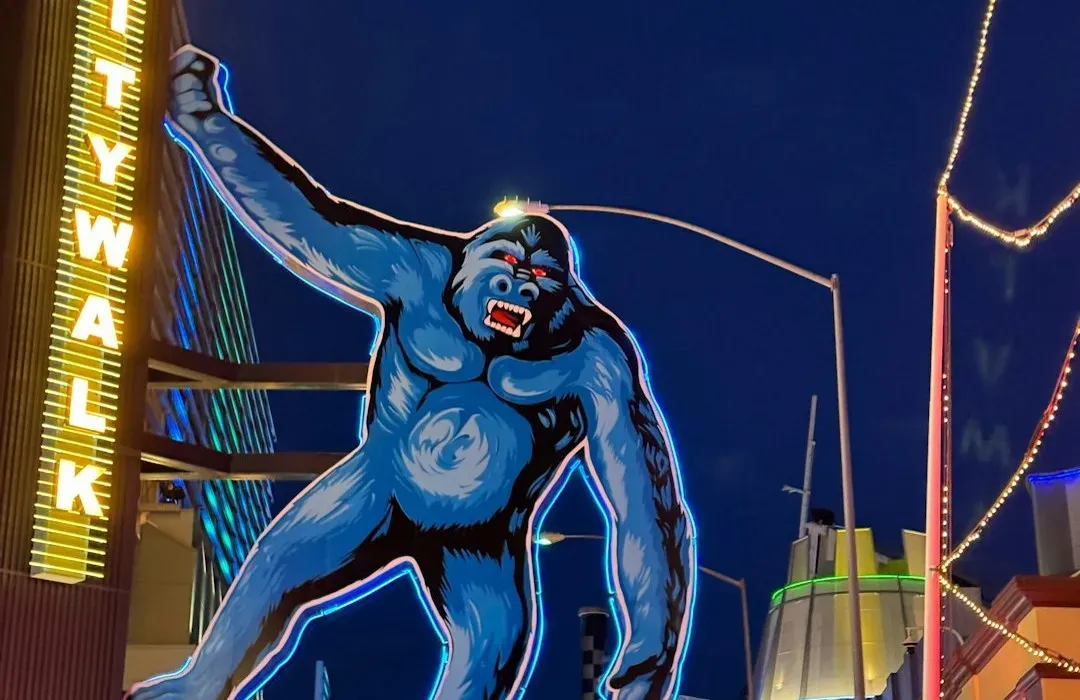
Peter Jackson’s 2005 King Kong was a costly, ambitious blockbuster that performed reasonably well but fell short of matching its enormous budget against expectations. Ubisoft’s tie-in game, developed with input from Jackson himself, took a first-person survival approach that critics found more inventive than many licensed games of its time.
The game’s atmosphere and pacing earned it comparisons to survival horror titles rather than typical movie cash-ins, and it is still remembered fondly by players who never revisited the film itself. It stands as one of the rare cases where a director’s direct involvement in a game adaptation actually produced something distinctive.
8. Aladdin (1993, Sega Genesis and Super Nintendo)
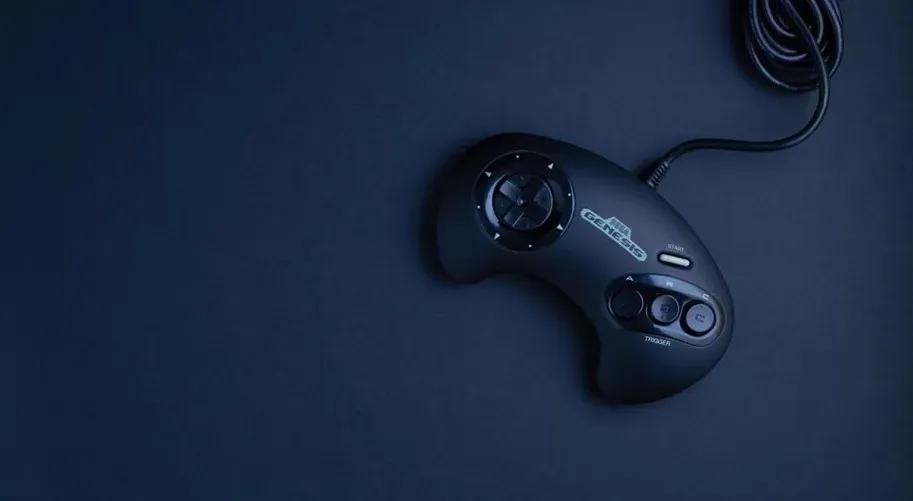
Disney’s Aladdin was a massive theatrical hit in 1992, so no game was ever going to outsell it financially. What makes this pair of games notable is how thoroughly they outclassed the usual movie tie-in formula of the era, offering two genuinely distinct and well designed platformers on rival consoles.
The Genesis version, developed with input from Disney animators, and the SNES version, built by Capcom, are both still cited today as among the best movie-licensed games ever made. Decades after most Aladdin merchandise faded from shelves, these two cartridges are still actively collected and replayed, a rare longevity for any tie-in product.
9. Spider-Man 2 (2004)
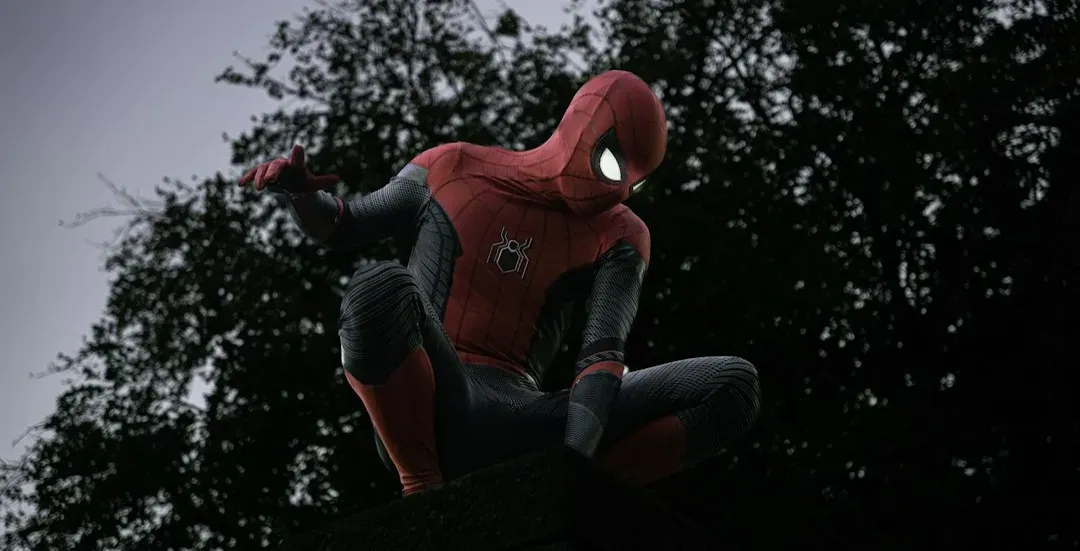
Sam Raimi’s Spider-Man 2 was already a box office giant when it hit theaters in the summer of 2004, so framing the game as a financial winner over the film would be inaccurate. What the Treyarch developed tie-in did accomplish was rare for its category: it became one of the best reviewed superhero games of its generation, praised specifically for its open world web-swinging mechanics.
Many critics and players still point to Spider-Man 2’s game as a better overall experience than several later, more expensive superhero titles that followed it. It set a technical and design benchmark that outlived the immediate marketing cycle of its movie, influencing open world superhero games for more than a decade afterward.
Taken together, these nine cases show that commercial success and cultural staying power do not always follow the same script Hollywood and game publishers expect. Sometimes a rushed movie tie-in becomes the more durable product simply because a smaller studio found room to experiment where a blockbuster film could not.