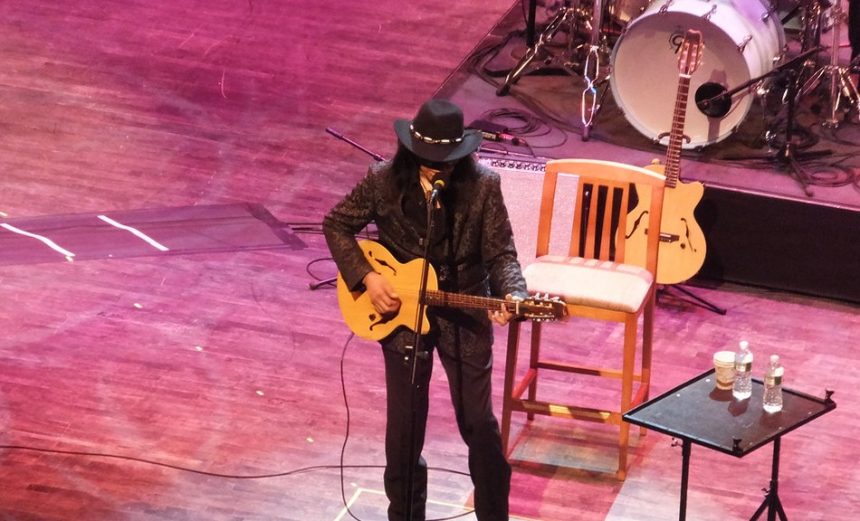
We tend to picture a breakthrough as a clean break. The song takes off, the resignation letter goes in, and the old life ends by Monday. Real careers have often been messier than that.
Some artists held on to ordinary paychecks well after their music started reaching people. The reasons ranged from caution to circumstance. Three cases show how different that choice can look.
Bill Withers and the Aircraft Factory
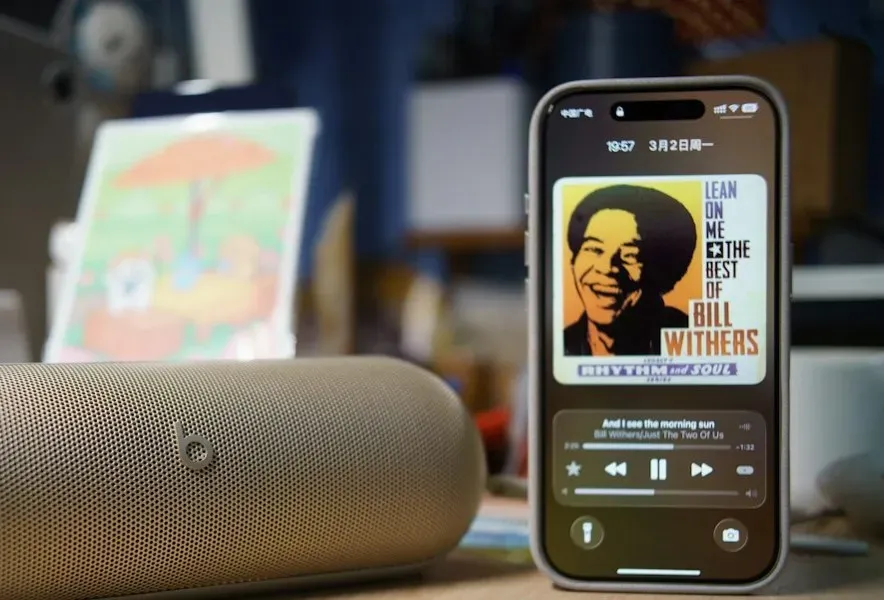
In 1971, Bill Withers was still employed at an aircraft parts company where he made toilets for 747s, even as “Ain’t No Sunshine” climbed into the Billboard top 10. He was already in his early thirties by then. He had grown up in the coal mining region of West Virginia and served in the Navy for nine years before earning anything from music.
His reasoning was practical. Withers refused to resign because he believed the music business was a fickle industry. The debut album’s cover shows the same stubbornness, since he’s pictured at his job at Weber Aircraft in Burbank, California, holding his lunch box. The photo was reportedly taken on a break at the factory, so the lunch pail wasn’t a prop.
Sixto Rodriguez and the Detroit Work Crews
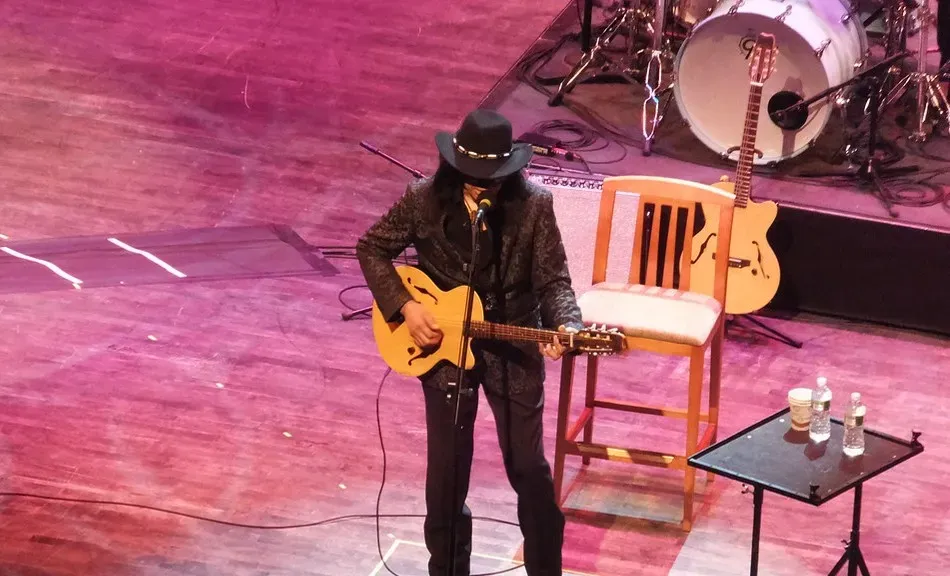
Rodriguez’s story runs on a different track, because his first records didn’t take off at home. His albums flopped in the US in the 1970s, but unknown to him, he later became a star in South Africa. Back in Detroit, he returned to working jobs that included construction and demolition.
The gap between his two lives lasted decades. In 1996, Stephen Segerman and a journalist set out to learn the truth about him, and their search led them to Detroit, where they found him working on construction sites. Even after the story went public, he kept a dual life as a rock star in South Africa and a day laborer in Detroit for a while, until the music gradually took over. He died in Detroit in August 2023, at age 81.
Ian Curtis and the Unemployment Office
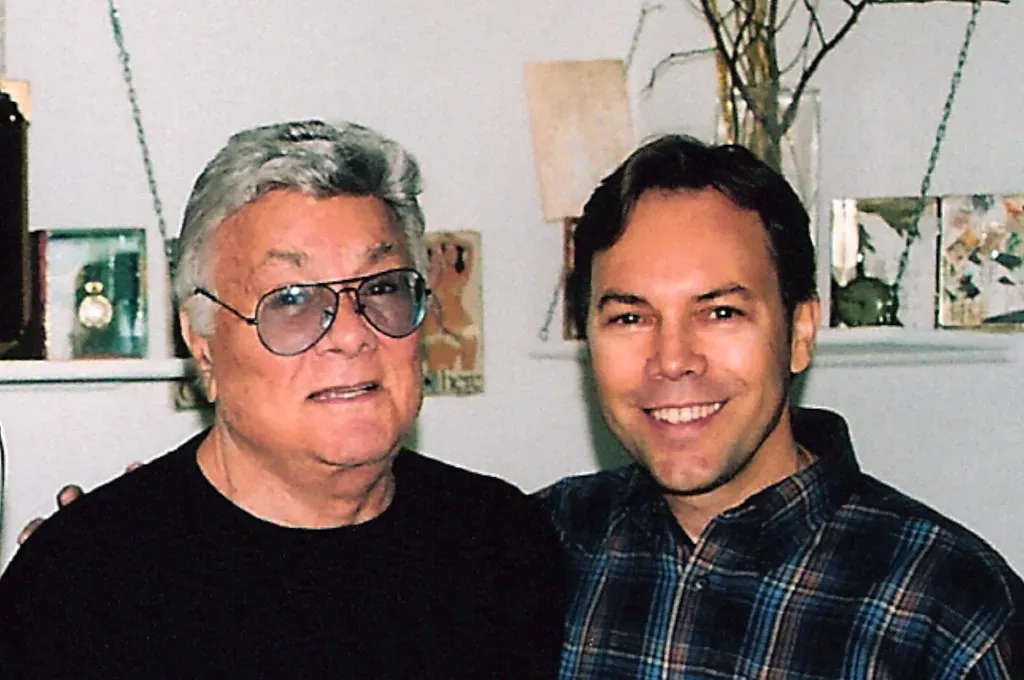
Joy Division were already getting noticed in the late 1970s, though their members weren’t living off the music. While the band recorded their debut album, Unknown Pleasures, frontman Ian Curtis worked as an employment counselor at a Manchester unemployment office. His bandmates held their own jobs too.
That wasn’t because the band lacked attention. They had appeared on national television and on BBC Radio 1’s John Peel Sessions, yet the members all kept their day jobs until the fall of 1979. The change came several months after the album’s release, when the Buzzcocks asked them to open for them on a UK tour.