Color has been the default for movies since the 1960s, yet every so often a director decides that shadows and contrast can tell a story better than any palette. The choice usually says something about the film itself, whether it’s nostalgia, grief, memory, or just a desire to strip away distraction. Here are ten notable films from the 2000s and beyond that made black and white their defining visual language.
1. The Artist (2011)

Michel Hazanavicius built his French production as a near-total silent film, and the black-and-white cinematography by Guillaume Schiffman became inseparable from its identity. The Artist takes place in Hollywood on the eve of sound film and screened in competition at the 2011 Cannes International Film Festival. The visual choice wasn’t just decorative; it placed audiences directly inside the crumbling world of silent cinema as talkies took over.
The gamble paid off in a way few expected. The Artist won the Academy Award for best picture, becoming the first mostly silent film to win the award since 1929. It was also the first wholly black-and-white film to win Best Picture since The Apartment in 1960, and the first French-produced film to win Best Picture.
2. Nebraska (2013)
Alexander Payne’s road movie follows an aging father and his estranged son driving from Montana to Nebraska over a dubious sweepstakes prize. Cinematographer Phedon Papamichael shot the Midwest landscape in stark grayscale, stripping away any postcard prettiness the setting might otherwise suggest. The result feels closer to a faded photograph than a typical modern drama.
Critics at the time noted how the monochrome treatment matched the film’s tone of quiet regret and dry humor. Bruce Dern’s performance as the confused, stubborn patriarch earned an Oscar nomination, and the visual austerity of the film became part of the conversation around it. It remains one of the more mainstream studio releases to embrace black and white this century.
3. The Lighthouse (2019)
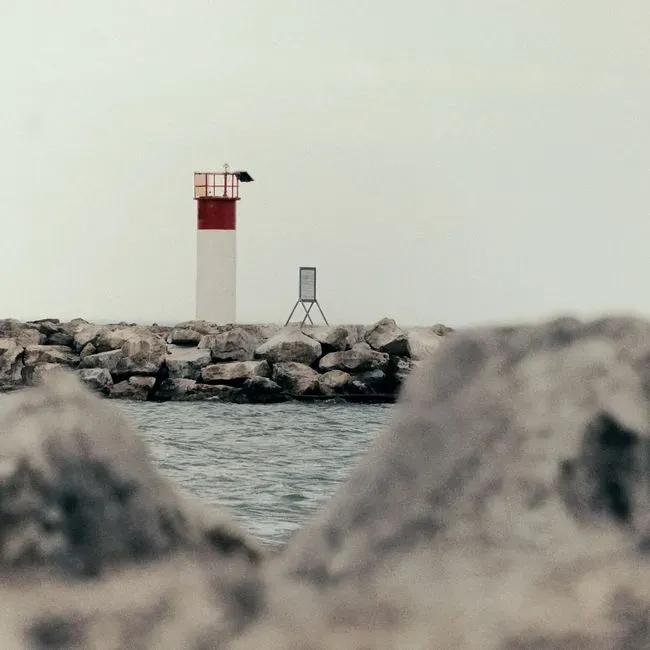
Robert Eggers set his psychological thriller on a remote New England island in the 1890s, following two lighthouse keepers slowly losing their grip on sanity. The film was shot on black-and-white 35mm film stock with a nearly square aspect ratio, giving it a claustrophobic, almost archival texture. That choice pulled the movie visually closer to the era it depicts than color ever could.
Robert Pattinson and Willem Dafoe carry the two-hander with performances that feed off the film’s oppressive atmosphere. The black-and-white photography, credited to Jarin Blaschke, earned an Academy Award nomination for Best Cinematography. It’s often cited as one of the strongest examples of monochrome used for mood rather than nostalgia.
4. Roma (2018)
Alfonso Cuarón’s semi-autobiographical film about a domestic worker in 1970s Mexico City was shot entirely in black and white, with Cuarón himself serving as cinematographer. The decision echoes his own childhood memories, filtered through a visual style that recalls the era’s photography rather than its cinema. Wide, slow-moving shots give the film a documentary-like patience.
Roma went on to win three Academy Awards, including Best Director and Best Cinematography, and was nominated for Best Picture, a rare feat for a foreign-language, black-and-white Netflix release. The film’s grayscale palette became central to critical discussion, with many arguing it deepened the emotional distance and intimacy the story required simultaneously. It remains one of the most acclaimed black-and-white films of the streaming era.
5. Frances Ha (2012)
Noah Baumbach’s low-budget comedy about a directionless dancer in New York City leans heavily on the visual language of French New Wave cinema. Shot digitally but converted to black and white in post-production, the film has a loose, handheld energy that suits its meandering plot. Greta Gerwig, who co-wrote and stars, gives the film its restless charm.
The monochrome choice here wasn’t about grand historical weight but about tone. It gave the film a timeless, almost European feel that matched its scrappy production and youthful uncertainty. Many critics later cited it as one of the defining independent films of its decade, black-and-white cinematography included.
Partner offer
6. Good Night, and Good Luck (2005)

George Clooney’s second directorial feature dramatizes journalist Edward R. Murrow’s on-air confrontation with Senator Joseph McCarthy during the Red Scare. Shooting in black and white allowed Clooney to blend real archival footage of McCarthy seamlessly with newly filmed scenes, since no new footage would clash visually with the period material. It’s a practical choice that also happens to suit the film’s tense, smoke-filled newsroom atmosphere.
David Strathairn’s performance as Murrow anchors the film, which was nominated for six Academy Awards including Best Original Screenplay and Best Cinematography. The choice of monochrome reinforced the film’s documentary credibility, making it feel less like a modern recreation and more like a genuine artifact of 1950s television journalism.
7. The White Ribbon (2009)
Michael Haneke’s German drama unfolds in a small village in the years leading up to World War I, where a series of unexplained, punishing incidents disturb the community. Shot in crisp black and white by cinematographer Christian Berger, the film uses its stark visual style to underline themes of repression and hidden cruelty beneath a placid rural surface. The starkness of the imagery mirrors the coldness at the heart of the story.
The film won the Palme d’Or at the Cannes Film Festival and received two Academy Award nominations, including Best Foreign Language Film and Best Cinematography. Its unsettling tone owes a great deal to the decision to strip color from every frame, leaving only shadow and light to carry the film’s moral weight.
8. Coffee and Cigarettes (2003)
Jim Jarmusch compiled this anthology film from short vignettes shot over nearly two decades, unifying them visually through consistent black-and-white cinematography. Each segment features different actors sharing a table, coffee, and cigarettes, with dialogue that ranges from absurd to melancholic. The monochrome look ties together stories that otherwise share little beyond their format.
The cast includes Bill Murray, Tom Waits, Cate Blanchett, and Roberto Benigni, among others, each bringing a distinct energy to their segment. Jarmusch’s choice of black and white gives the film a deadpan, timeless quality that fits its offbeat humor. It stands as one of the more unconventional entries in the modern black-and-white catalog.
9. Control (2007)
Anton Corbijn’s directorial debut chronicles the short life of Joy Division singer Ian Curtis, whose personal struggles ended in his death by suicide at twenty-three. Corbijn, a longtime music photographer, shot the film in black and white to match the era’s post-punk aesthetic and his own history documenting the band. The visual style gives the film a somber, almost documentary weight.
Sam Riley’s performance as Curtis received widespread critical praise, and the film won multiple awards at the Cannes Film Festival, including recognition for best debut. The monochrome cinematography, handled by Martin Ruhe, reinforces the bleak industrial backdrop of late 1970s England, making the film feel inseparable from its visual choices.
10. The Man Who Wasn’t There (2001)
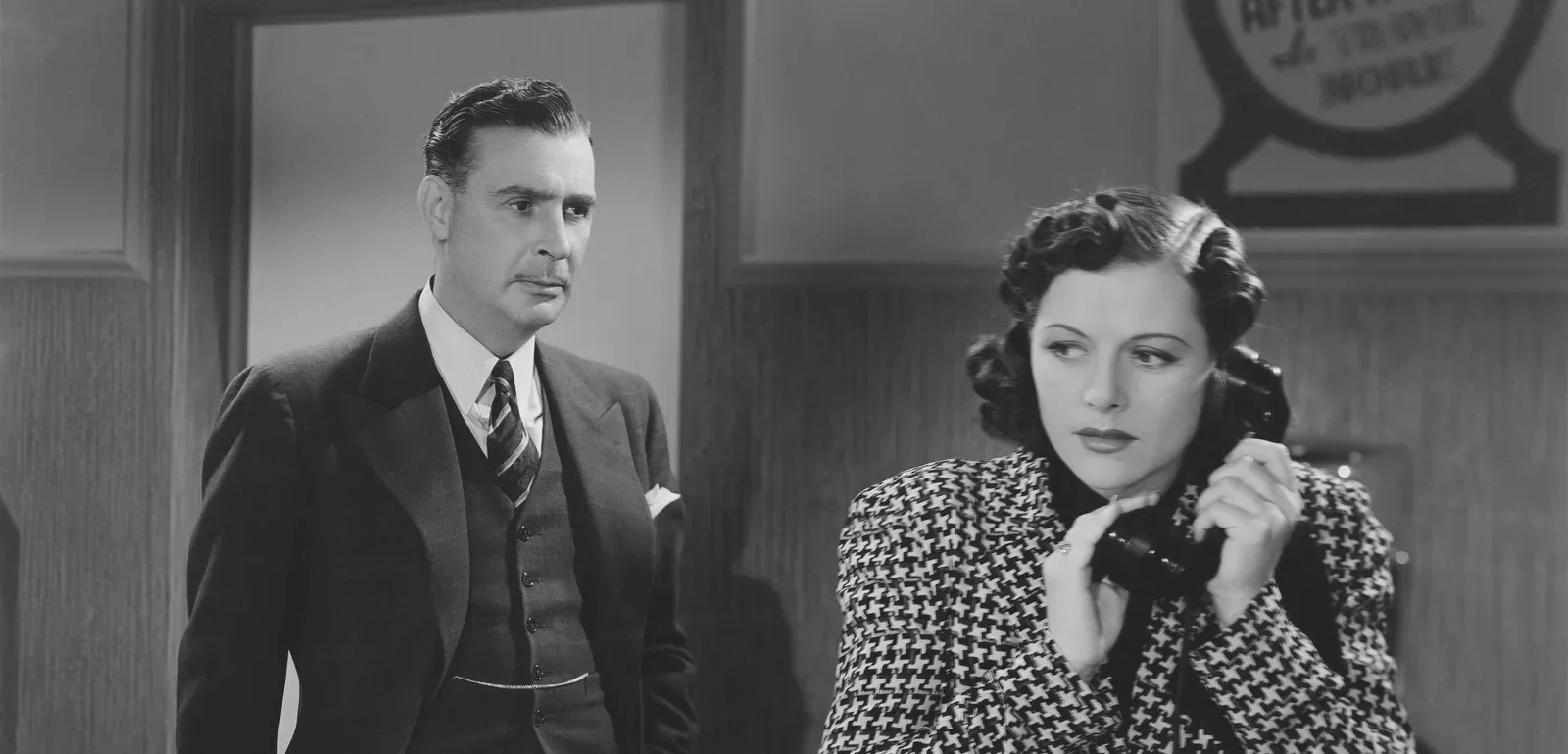
Joel and Ethan Coen’s noir throwback follows a taciturn barber in 1949 California who gets pulled into blackmail and murder after a moment of impulsive greed. Shot in color but printed in black and white, the film leans fully into classic film noir conventions, right down to its cigarette smoke and venetian-blind shadows. Roger Deakins handled the cinematography, and the film earned him an Academy Award nomination.
Billy Bob Thornton stars as the emotionally flat protagonist, delivering narration that fits the genre’s fatalistic tone perfectly. The black-and-white treatment wasn’t nostalgia for its own sake here; it was a direct homage to the pulp novels and B-movies the story draws from. It remains one of the more deliberate and successful uses of monochrome in the Coens’ filmography.
Taken together, these films show that black and white hasn’t disappeared from modern cinema so much as it’s been repurposed. Directors reach for it when color would distract, when history needs to feel tactile, or when a story simply demands the weight of shadow over the noise of hue. The technique remains rare enough to feel like a statement every time it appears on screen.Partner offer
Planning a trip to Vegas?
Compare hotel rates and show tickets on VEGAS.com.