Some breakups feel permanent right up until the moment they aren’t. Grudges cool, egos settle, and sometimes the only thing left standing between old bandmates is time itself. What follows are eight groups that proved a split, even a bitter one, doesn’t always have to be the final chapter.
ABBA
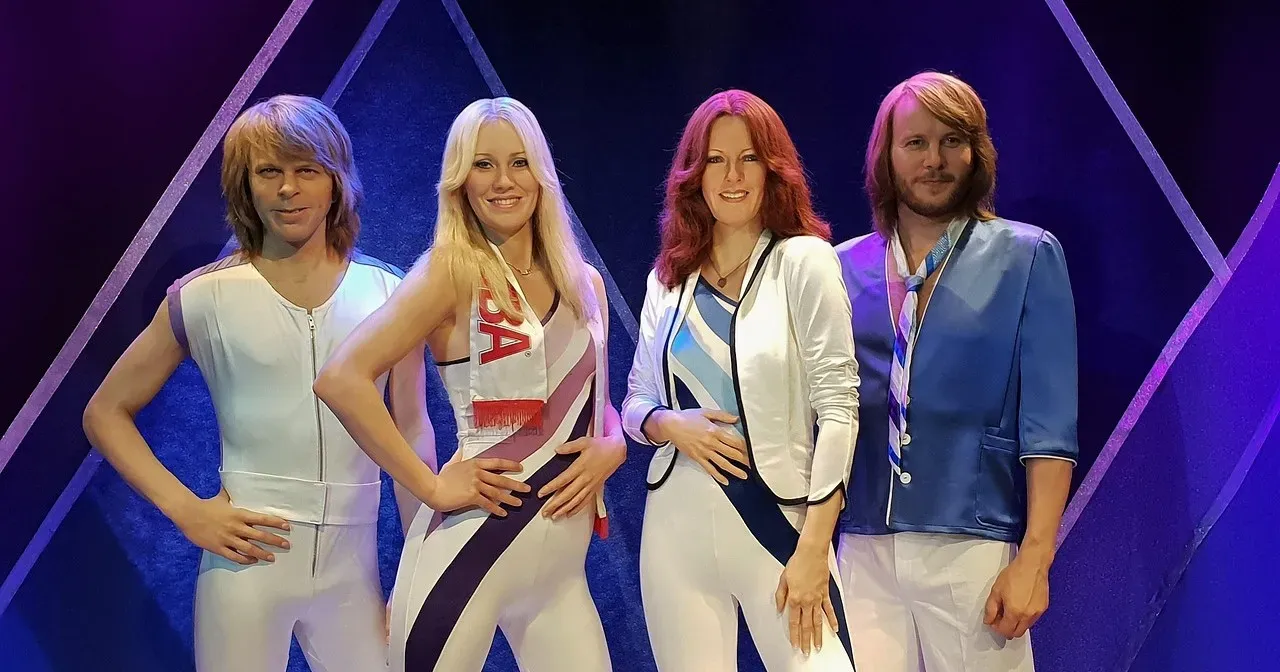
When ABBA quietly stopped working together in 1982, nobody expected a follow up. The Swedish quartet had already sold tens of millions of records and effectively become a global pop institution, but internal relationships had frayed along with two marriages within the band. For nearly four decades, reunion rumors surfaced and died down without ever amounting to more than a rejected offer, reportedly including a nine figure sum turned down at one point.
Then in 2021, ABBA released Voyage, their first new album in 39 years, paired with a London residency that used digital avatars rather than the band physically touring. The gap between their breakup and comeback remains one of the largest in modern pop history. It wasn’t a traditional reunion tour, but it was unmistakably ABBA, back on their own terms after a wait longer than most fans had been alive.
Buffalo Springfield
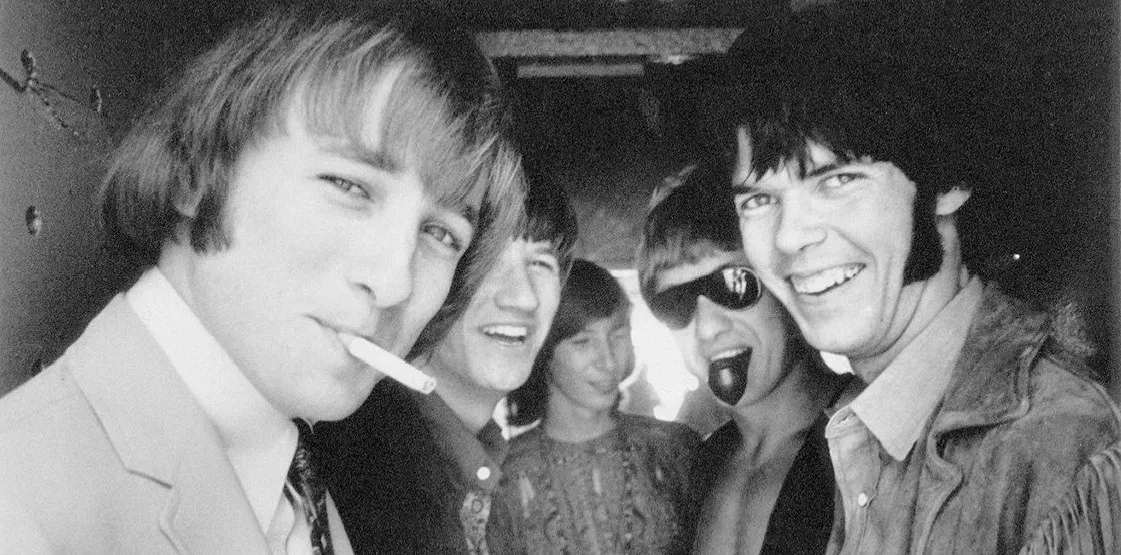
Buffalo Springfield lasted barely two years the first time around, splintering apart in 1968 amid visa troubles, ego clashes, and the friction between Neil Young and Stephen Stills that would follow both men for the rest of their careers. Buffalo Springfield had a short-lived career in the ’60s, with the band having broken up after one farewell concert in 1968. Attempts to patch things together surfaced now and then, including a scrapped 1986 rehearsal, but nothing stuck for over forty years.
The remaining Buffalo Springfield members, Neil Young, Stephen Stills and Richie Furay did reunite at the annual Bridge School Benefit concerts on October 23rd and 24th, 2010 in Mountain View, California. The remaining members, Young, Stills, and Furay, reunited at the Bridge School Benefit in 2010 and later reunited for six concerts in 2011. It didn’t last, though. Young announced in 2012 that Buffalo Springfield was on an indefinite hiatus. Even so, those brief 2010 and 2011 shows gave fans something they’d waited more than four decades to see.
Cream
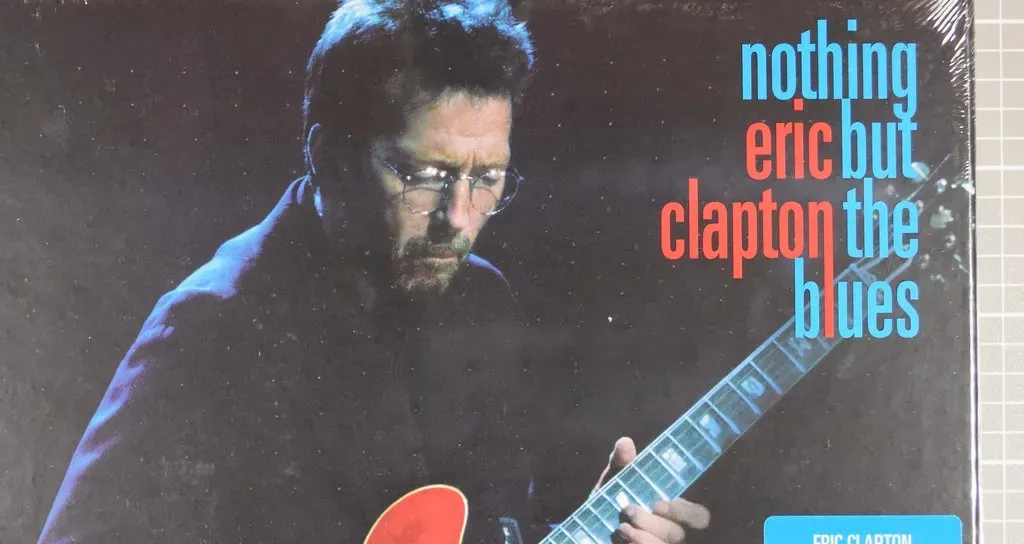
Eric Clapton, Jack Bruce, and Ginger Baker burned bright and fast, releasing four influential albums before calling it quits after a farewell show at London’s Royal Albert Hall in November 1968. There was a brief flicker of reunion energy at their 1993 Rock and Roll Hall of Fame induction, but that amounted to little more than a short set. Jack Bruce later recalled suggesting a new album back in 1993, “But it didn’t work out that way, I’m afraid. We did the old tunes, which was nice.”
The real reunion came in 2005, when the trio returned to the very stage where they’d said goodbye. Thirty-seven years after a 1968 concert at Royal Albert Hall that was to be their last, Eric Clapton, Jack Bruce, and Ginger Baker returned to that same stage in early May of 2005 for a four-night reunion engagement. All four concerts sold out in under an hour. It turned out to be a one time event rather than a lasting reformation, but for four nights, one of rock’s most volatile partnerships found its footing again.
Simon & Garfunkel
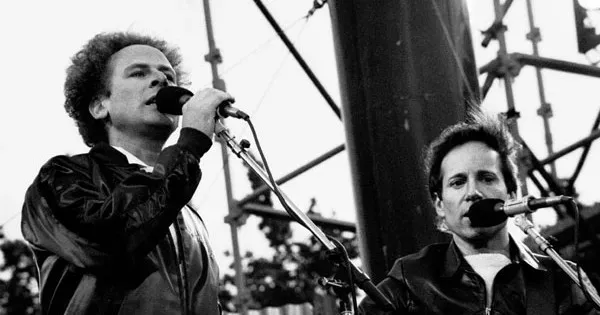
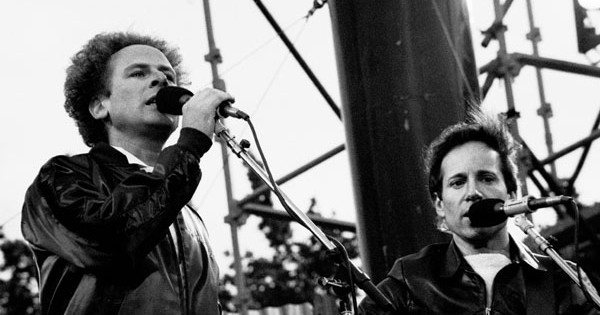
Paul Simon and Art Garfunkel dissolved their partnership in 1970 at the height of their fame, worn down by creative disagreements that had simmered for years. A one off 1981 concert in New York’s Central Park drew half a million people and briefly suggested the door wasn’t fully closed, though it led to only a short lived tour before the pair drifted apart again.
It took until 2003 and 2004 for a full scale reunion tour, billed as Old Friends, to bring the duo back onto stages across the country for an extended run. By then, more than three decades had passed since their original split, and the tension between them had softened into something closer to mutual respect. Their harmonies, famously, hadn’t lost a step.
Partner offer
The Faces
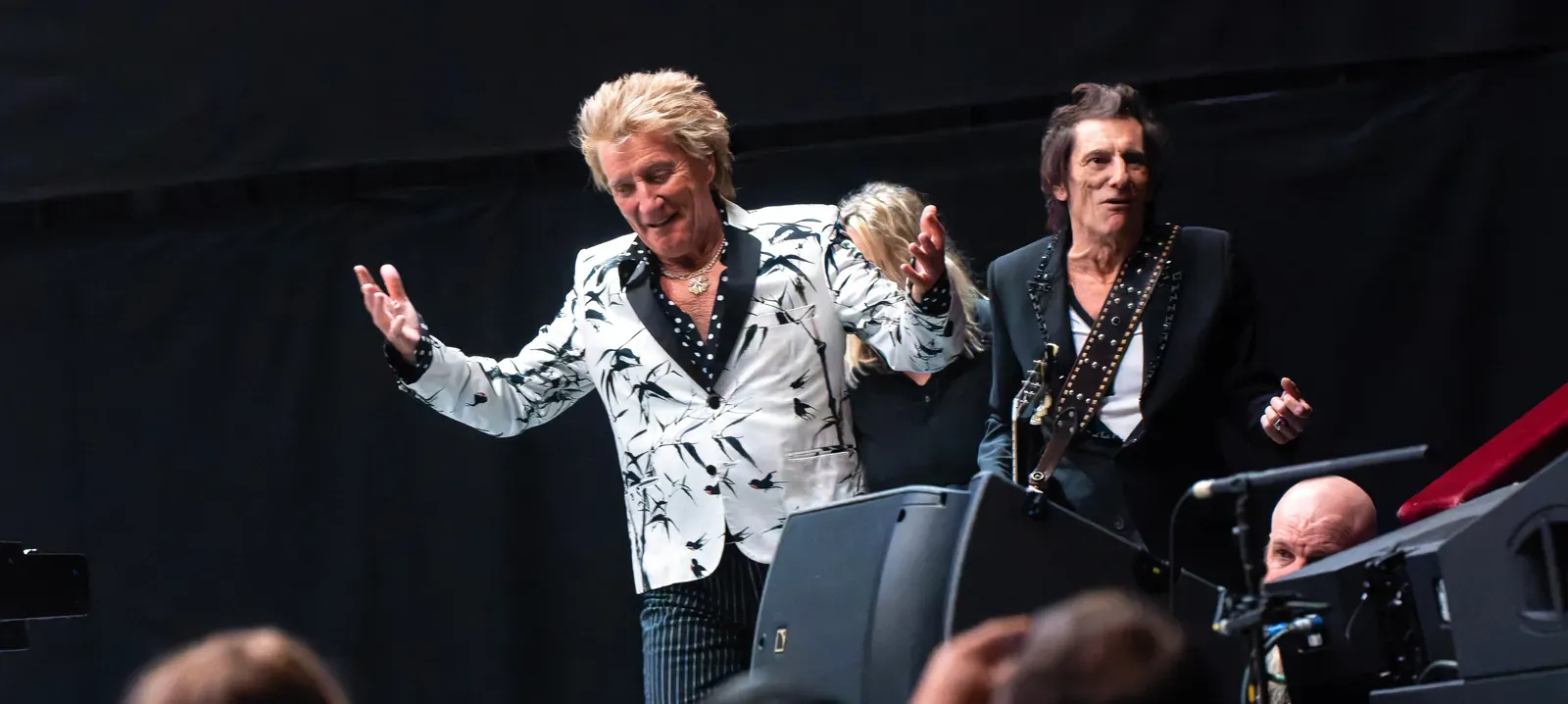
The Faces broke apart in 1975 as Rod Stewart’s solo career pulled him away from the rowdy, boozy camaraderie that had defined the band since the late 1960s. Ronnie Wood eventually joined the Rolling Stones, and for decades a full reunion with Stewart seemed unlikely given how far his career had drifted from the band’s scrappy origins.
In 2015, forty years after their split, Stewart rejoined Wood and the surviving members for a one off performance at the Isle of Wight Festival. It wasn’t a tour or a new album, just a single show, but it closed a gap that had outlasted most people’s expectations. Fans who’d never seen the classic lineup together finally got their chance, decades later than anyone had planned.
The Police
Sting, Andy Summers, and Stewart Copeland were barely speaking by the time The Police effectively dissolved in 1984, worn down by the same tensions that had fueled some of their best material. Sting went on to a long, prolific solo career, and for years he brushed off reunion questions with something between amusement and irritation.
That changed in 2007, when the trio launched a reunion tour that ran for more than a year and became one of the highest grossing tours of that era. Twenty three years had passed since their last studio album together, and the shows sold out arenas and stadiums worldwide almost immediately. It remains their only reunion, but it was a thorough one, spanning dozens of countries before they went their separate ways again.
Guns N’ Roses
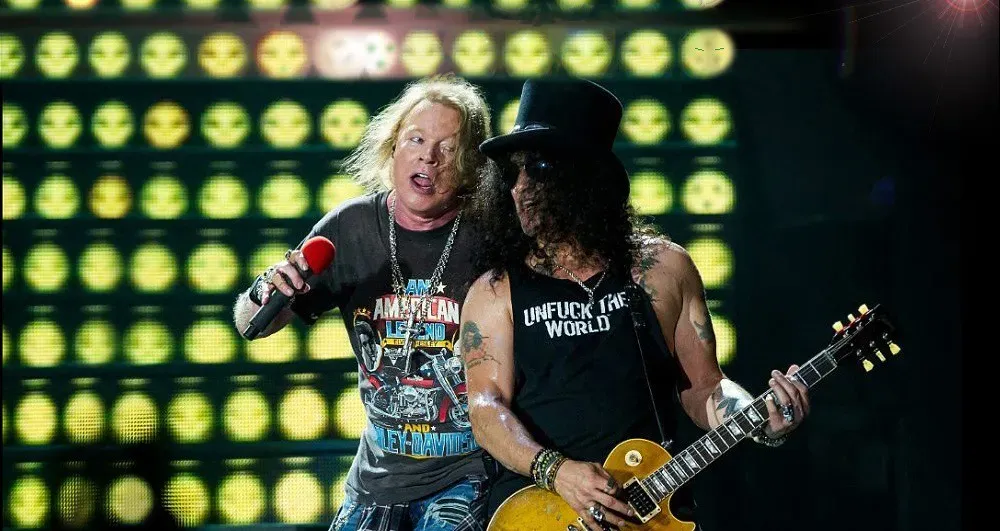
The classic Guns N’ Roses lineup unraveled gradually through the early 1990s, with Slash finally departing in 1996 amid years of friction with Axl Rose that had already claimed several other original members. For two decades, Axl toured under the band’s name with an entirely different lineup while fans wondered if Slash, Duff McKagan, and Axl would ever share a stage again.
The answer came in 2016 with the Not in This Lifetime tour, named with a wink toward Axl’s own past denials that a reunion would ever happen. Slash and Duff rejoined Axl for a run that eventually became one of the highest grossing tours in history, stretching across several years and continents. Twenty three years after the split that many assumed was permanent, three of the band’s most recognizable members were playing “Sweet Child O’ Mine” together again.
Sex Pistols
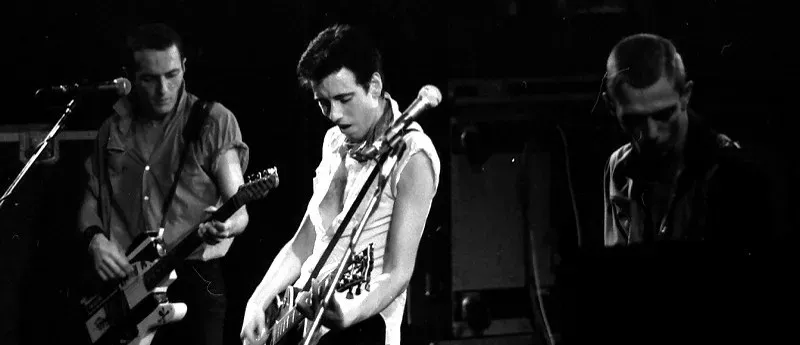
The Sex Pistols imploded in early 1978 partway through a chaotic American tour, undone by internal chaos and the departure of Sid Vicious from the lineup that had defined British punk. Johnny Rotten, later performing under his given name John Lydon, spent years publicly dismissing any notion of a reunion as a cash grab beneath the band’s original spirit.
In 1996, nearly two decades after that unraveling, the original surviving members regrouped for the self mockingly titled Filthy Lucre tour. It played to sold out crowds across multiple continents, proving the appetite for the band’s original energy hadn’t faded even after eighteen years apart. The tour didn’t erase old tensions, but it did give a generation of fans too young to catch the band the first time around a chance to see them live.
Reunions like these rarely happen because everything got resolved neatly behind the scenes. More often, time just wears down the sharper edges of old conflicts until what’s left is something closer to nostalgia than anger. Whether the results were a single festival set or a multi year world tour, each of these bands found a way to answer a question fans had stopped expecting to have answered at all.Partner offer
Planning a trip to Vegas?
Compare hotel rates and show tickets on VEGAS.com.