Some songs wear a costume. They borrow a horn line, a drum sound, or a vocal style from decades before their release, and the effect is uncanny. You hear them on the radio and your brain files them under “classic,” even though they came out well within the streaming era.
Below are nine tracks that pull off this trick with real craft, not just nostalgia for its own sake. Each one leans on a specific era’s sound, sometimes deliberately, sometimes almost by accident, and the result is music that feels older than its actual release date.
1. “Uptown Funk” by Mark Ronson featuring Bruno Mars (2014)
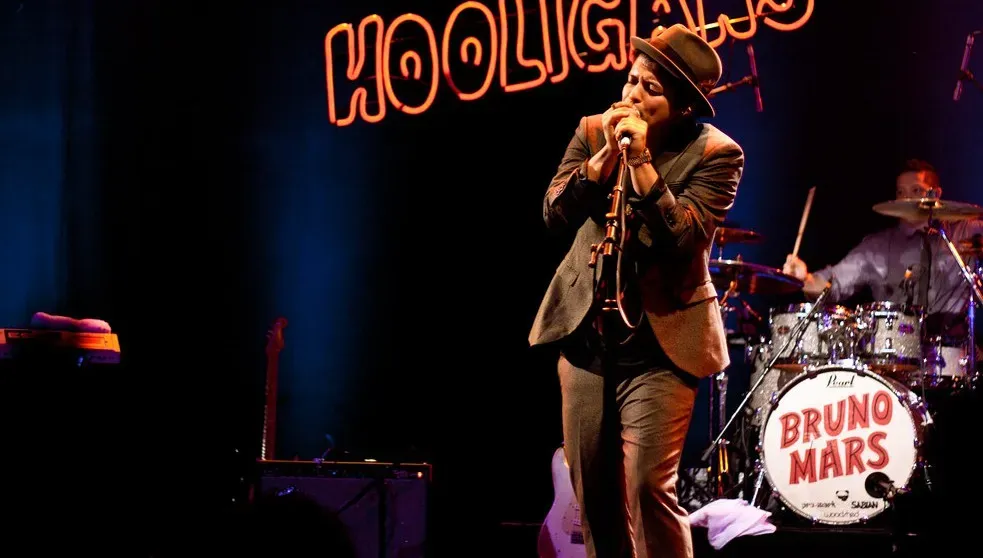
This one barely hides its intentions. The song was heavily influenced by the Minneapolis sound from the early 1980s. It features heavy inspiration from the Minneapolis sound of 1980s-era funk music, having a spirit akin to works by Prince as well as Morris Day and The Time.
The influences run so deep that they eventually caused legal trouble. The 1980s Minneapolis funk group Collage sued Ronson and Mars for alleged copyright infringement, claiming elements of “Uptown Funk” were “deliberately and clearly copied” from their 1983 single “Young Girls.” Whatever the courts sorted out, the sound itself never pretended to be anything other than a love letter to early 80s funk and boogie.
2. “Feel It Still” by Portugal. The Man (2017)

This one is a genuine time capsule wearing a modern label. The song draws on the melody from the Marvelettes’ 1961 hit “Please Mr. Postman.” Frontman John Gourley has said the melody came from music he grew up hearing on long drives, and he loved listening to melodies by Smokey Robinson and Sam Cooke, and any Motown stuff and Beatles stuff, because they gave him really specific great memories.
The songwriting credits reflect just how literal the borrowing was. Robert Bateman, Brian Holland, and Freddie Gorman, all of whom were involved in writing “Please Mr. Postman,” received writing credits for “Feel It Still.” The lyrics even name-check 1966 directly, so the song is practically advertising its own vintage.
3. “Valerie” by Amy Winehouse (2007)
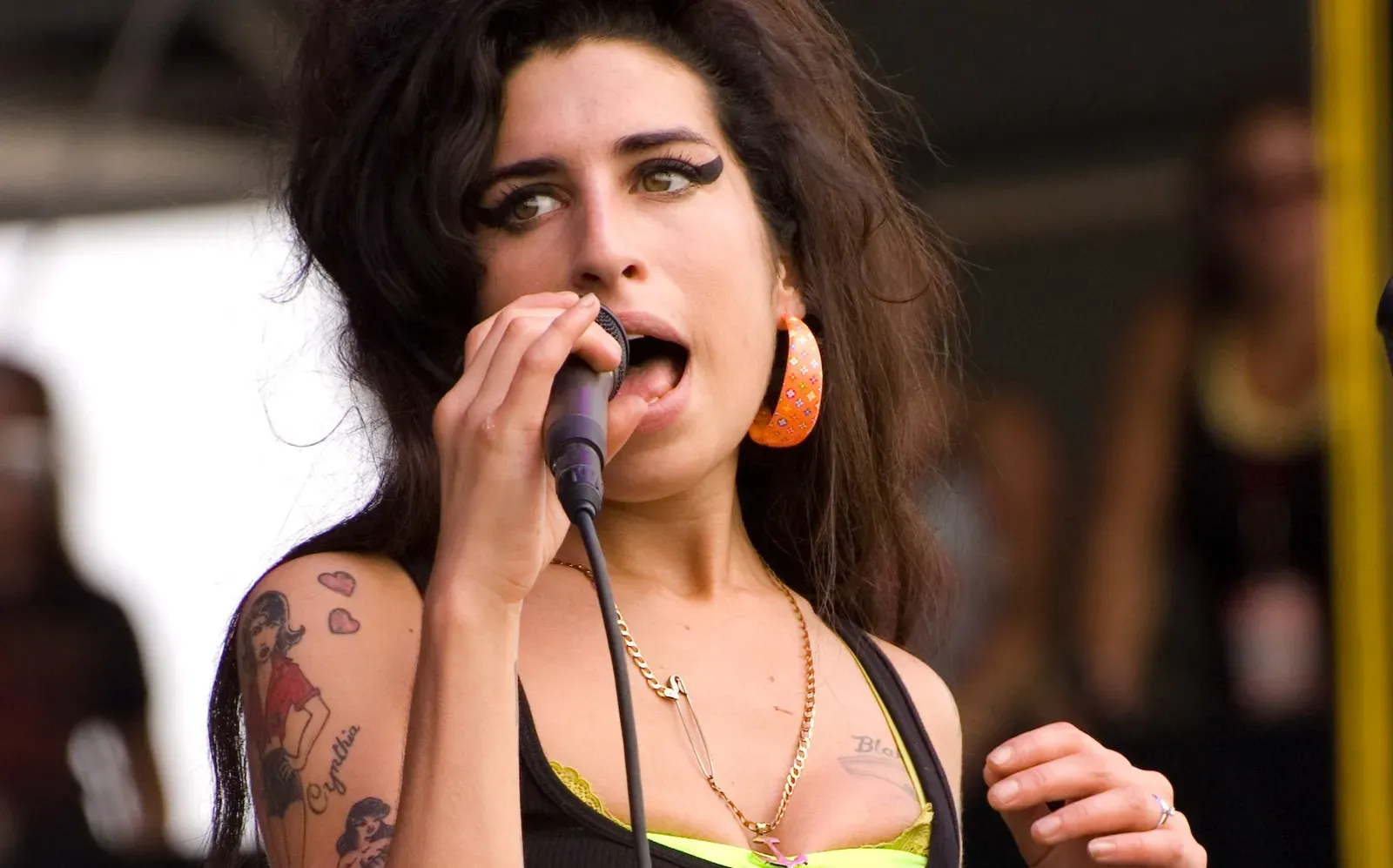
Winehouse’s version of “Valerie” (originally a Zutons song) leans so hard into 1960s girl-group and Northern Soul territory that many listeners assume it’s a genuine oldie. The horn arrangements, the brisk swing rhythm, and the live-band warmth all point straight back to Motown and Stax sessions from decades earlier. Producer Mark Ronson, who also worked on “Uptown Funk,” built the arrangement around vintage instrumentation rather than anything resembling mid-2000s pop production.
Part of what sells the illusion is Winehouse’s voice itself, a smoky, behind-the-beat delivery that echoes singers like Dusty Springfield. The song appeared on Ronson’s 2007 album “Version,” a whole project built around reimagining contemporary songs through a retro lens. It worked so well that “Valerie” now gets mistaken for a genuine 60s cover almost as often as it gets recognized as a Winehouse original.
4. “Get Lucky” by Daft Punk featuring Pharrell Williams and Nile Rodgers (2013)
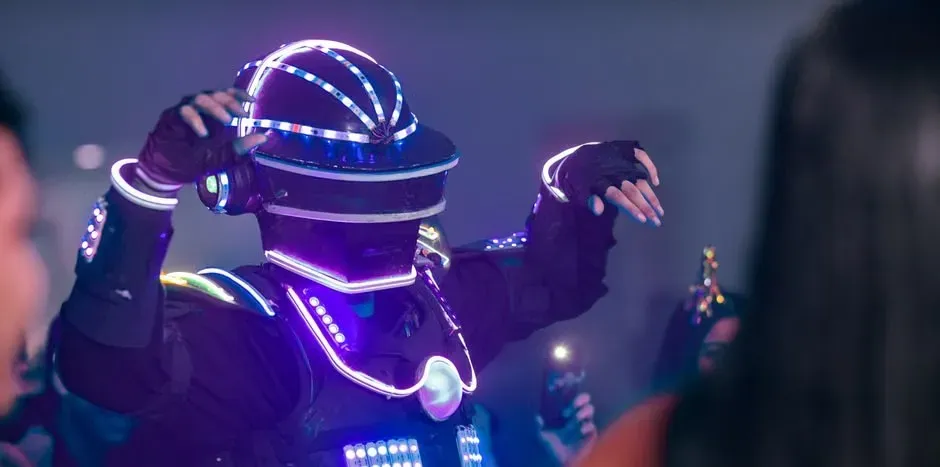
Daft Punk didn’t just reference disco, they hired one of its architects. Nile Rodgers, guitarist and co-founder of Chic, played the rhythm guitar on the track, giving it an authentic disco-funk backbone rather than a digital imitation of one. The result sounds like it could have slotted onto a late-70s dance floor without anyone blinking.
What makes “Get Lucky” especially convincing is the restraint. Daft Punk, known for heavily processed electronic music, stripped back the robotics here in favor of live bass, real drums, and a groove that breathes the way actual disco records did. It became one of the defining songs of 2013, but its bones are pure 1978.
5. “Redbone” by Childish Gambino (2016)
Donald Glover’s psychedelic soul track sounds like it was pulled from a dusty vinyl crate of early-70s funk records. The falsetto vocals, the wah-guitar textures, and the murky, warm production all recall artists like Funkadelic and early Prince. It’s a slow-burning groove that feels deliberately unhurried, the opposite of the tight, radio-ready pop structure common in mid-2010s hits.
The song’s staying power says something about how well the retro approach worked. “Redbone” became one of Glover’s signature tracks and found a second life years after release when it resurfaced in horror film “Get Out,” a placement that only reinforced its eerie, vintage funk atmosphere. Listeners often assume it’s a deep cut from decades earlier rather than a 2016 single.
Partner offer
6. “Take Me to Church” by Hozier (2013)

Hozier’s breakout single draws heavily on blues and gospel traditions that stretch back nearly a century. The call-and-response phrasing, the raw vocal grit, and the slow-building intensity all echo old blues records rather than anything typical of 2013 pop radio. It feels less like a contemporary single and more like a rediscovered gospel-blues recording.
Hozier has spoken openly about his love of blues, soul, and gospel music from artists who predate him by generations, and that influence shows in every part of the arrangement. The stark, almost hymn-like structure gives the song a timeless quality that makes it easy to forget it’s barely over a decade old. It remains one of the clearest examples of a modern song borrowing an old soul.
7. “Ho Hey” by The Lumineers (2012)
This one leans into a stripped-down, front-porch folk sound that could pass for something from the 1930s or 1940s. The handclaps, the simple acoustic strumming, and the group’s unpolished, communal vocal delivery all recall old-time American folk and early country recordings. There’s nothing in the production that signals a specific decade of modern pop.
The Lumineers built much of their early identity around this kind of intentional simplicity, favoring warmth and rawness over studio polish. “Ho Hey” became a massive crossover hit despite sounding almost anti-modern, proof that audiences were ready for something that felt handmade. It’s a song that seems to belong to no particular era, which is exactly the point.
8. “The Night We Met” by Lord Huron (2015)
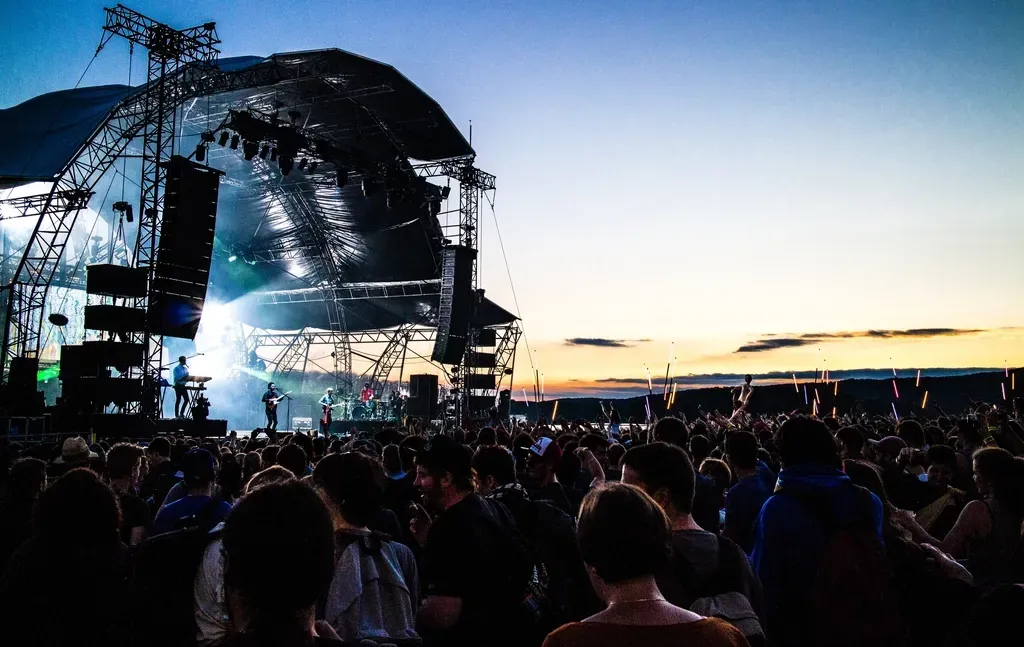
Lord Huron built an entire aesthetic around vintage reverb and cinematic, dusty Americana, and “The Night We Met” is one of the purest examples. The heavy tremolo guitar and washed-out vocal tone recall recordings from the late 1950s and early 1960s, particularly the surf and desert rock styles of that period. It sounds like something that should be playing on an old jukebox rather than a streaming playlist.
The song found a strange second life years after its original release, going viral on social media platforms where its melancholy, retro atmosphere resonated with new listeners. That delayed popularity only reinforced the sense that the song exists outside of a normal timeline. It’s modern in creation but deliberately ancient in feeling.
9. “Budapest” by George Ezra (2014)

George Ezra’s deep, weathered baritone is the main reason this song sounds decades older than its release date suggests. That voice, paired with simple acoustic guitar and a loose, almost lazy rhythm, recalls blues and folk recordings from long before Ezra was born. Many first-time listeners assume they’re hearing an older artist entirely.
The production stays minimal on purpose, avoiding the layered, synth-heavy textures common in mid-2010s pop. That restraint lets the vocal do the work, and the vocal alone carries decades of borrowed gravity. “Budapest” became a global hit partly because it sounded like nothing else on the radio at the time, precisely because it sounded like something from an earlier one.
Taken together, these nine songs show how deliberately artists can time-travel through sound. Some borrow melodies outright, some borrow instrumentation, and some simply borrow attitude, but all of them prove that a great throwback doesn’t need to be old to feel timeless.
Partner offer
Planning a trip to Vegas?
Compare hotel rates and show tickets on VEGAS.com.