Some films earn a spot on every best of list and still sit untouched on the shelf after one viewing. Viewers often describe these as movies they admire but have no wish to repeat. The reason usually isn’t poor quality. It’s that the film worked too well.
The seven war films below come up again and again in that conversation. This isn’t a scientific ranking, and plenty of people rewatch every one of them. Still, each has qualities that explain why a single viewing can feel like enough.
Saving Private Ryan (1998)
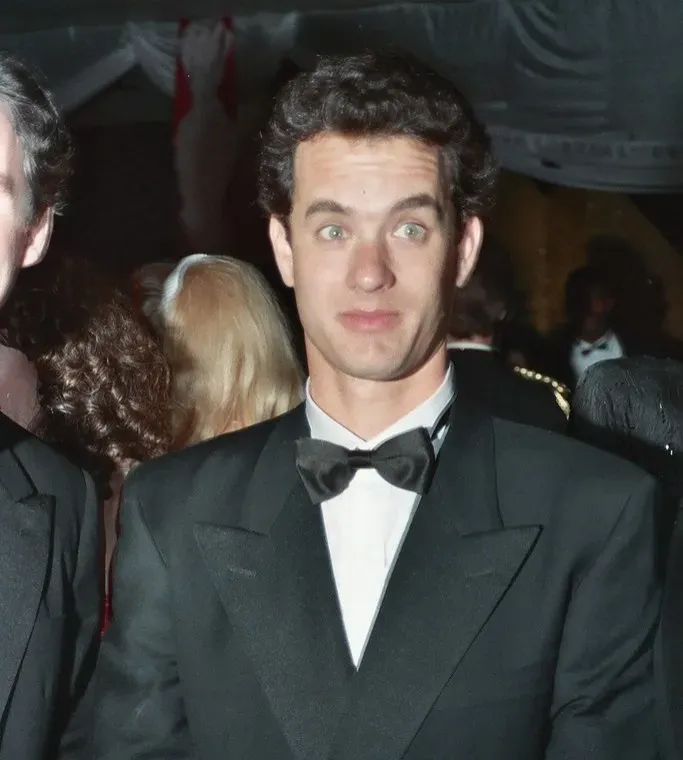
Steven Spielberg’s World War II drama opens with the landing at Omaha Beach, a sequence that runs for roughly twenty minutes. It helped the film win five Academy Awards, including Best Director. Many viewers say they remember that opening far more vividly than they expected to.
Tom Hanks plays Captain Miller, who leads a squad behind enemy lines to find one paratrooper. The mission itself is quiet and human. Yet the film’s realism, especially its handheld camerawork and sudden violence, leaves some people feeling they’ve already absorbed everything it has to give.
Come and See (1985)
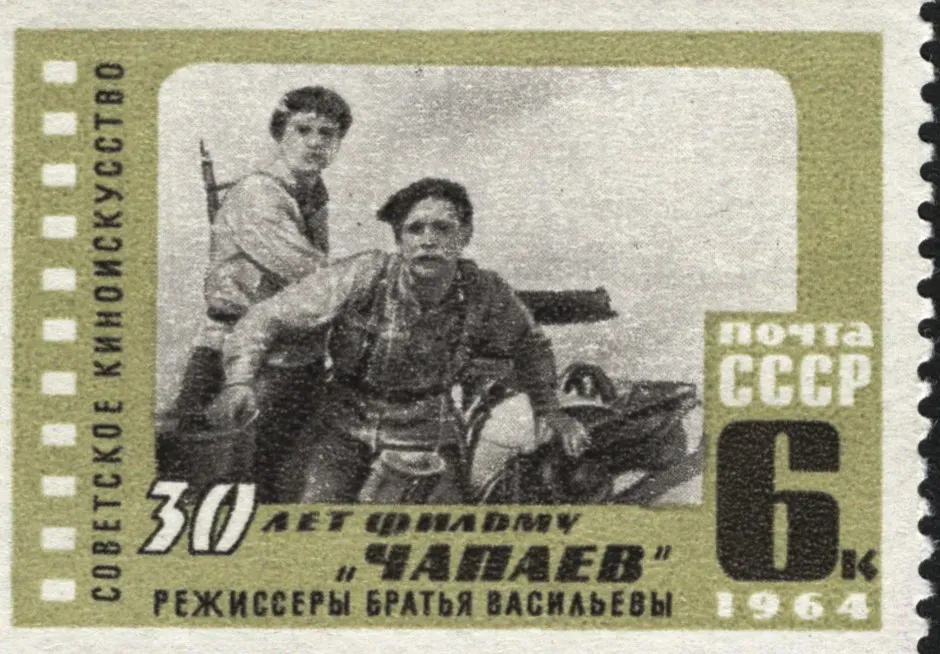
Elem Klimov’s Soviet film follows a teenage boy, played by Alexei Kravchenko, through Nazi occupied Belarus. It won the top prize at the 1985 Moscow International Film Festival. Critics regularly place it among the greatest war films ever made.
Audiences often call it the hardest film on this list to sit through. It avoids heroics and battlefield glory, focusing instead on a village massacre and a child’s changing face. People frequently say it’s a film to respect once and carry for a long time.
Grave of the Fireflies (1988)
Isao Takahata directed this Studio Ghibli feature, based on a semi autobiographical story by Akiyuki Nosaka. It follows two orphaned siblings, Seita and Setsuko, in Japan during the last months of World War II. The story begins with the firebombing of Kobe in 1945.
Because it’s animated, many first time viewers expect something gentler. It was originally released in Japan on a double bill with My Neighbor Totoro, which makes the contrast even stranger. Viewers often say the sadness is so complete that once feels like enough.
Partner offer
Platoon (1986)
Oliver Stone drew on his own service in Vietnam to write and direct Platoon. The film won the Academy Award for Best Picture for 1986. Charlie Sheen plays a young volunteer caught between two sergeants, played by Tom Berenger and Willem Dafoe.
The jungle scenes feel cramped and confusing by design. Many viewers point to the moral split within the platoon as the part that lingers. It’s a film people often describe as powerful, but not one they revisit casually.
The Deer Hunter (1978)
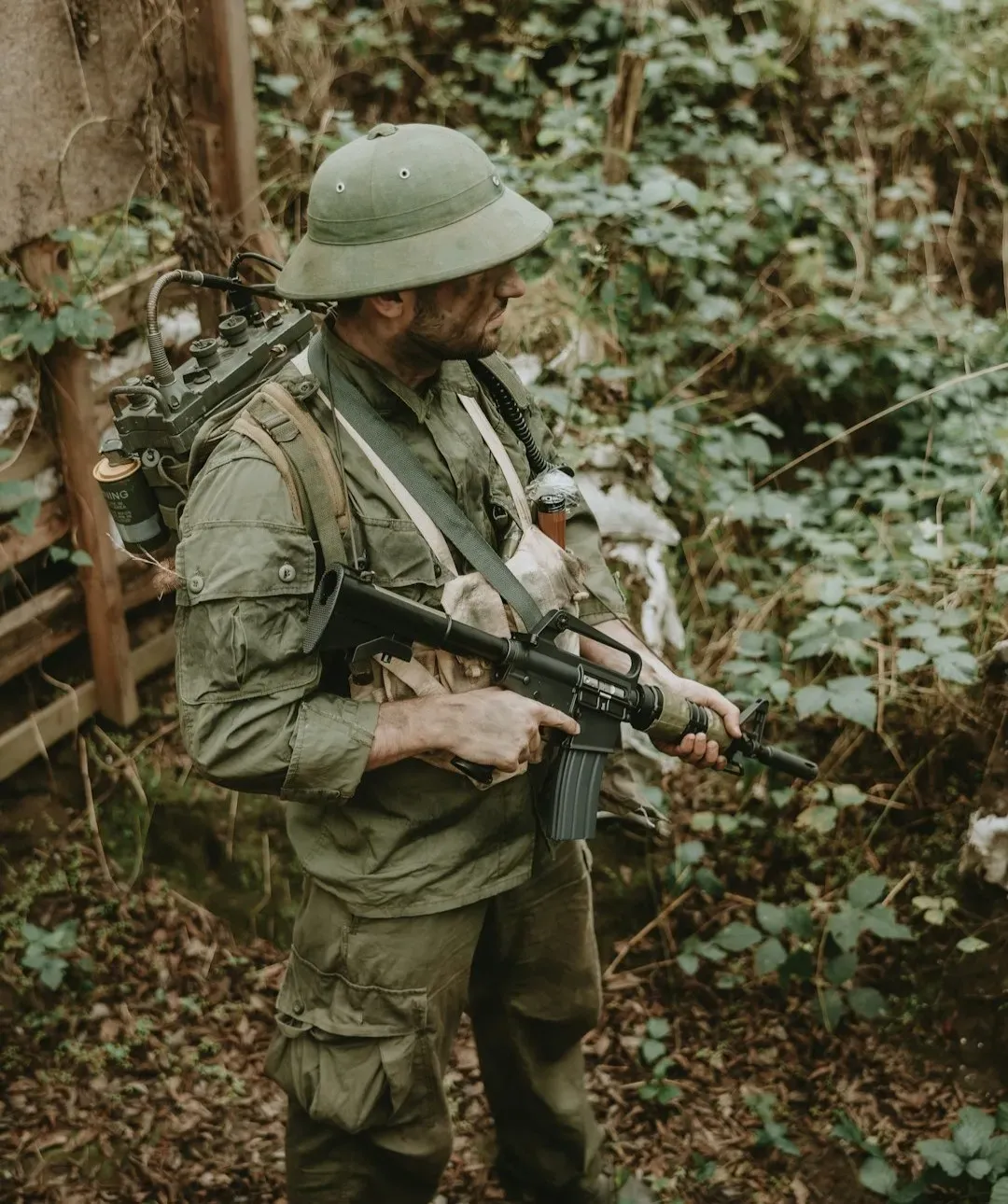
Michael Cimino’s Vietnam era drama follows three friends from a Pennsylvania steel town. It won Best Picture, and Christopher Walken took the supporting actor award. Robert De Niro and Meryl Streep also earned wide praise for their roles.
The Russian roulette scenes are the ones most viewers mention, even though the game has no documented basis in the actual war. The film is long and slow, and its emotional weight builds gradually. Some say that once they know where it’s heading, returning feels like a heavy commitment.
All Quiet on the Western Front (1930)
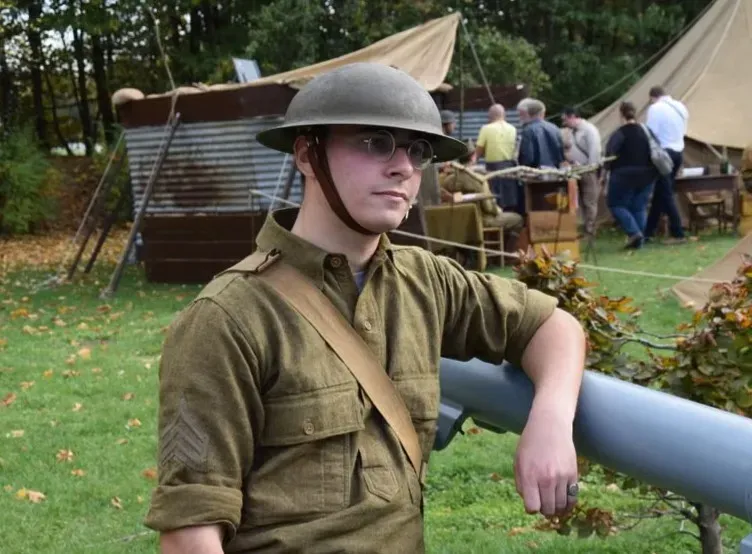
Lewis Milestone’s adaptation of Erich Maria Remarque’s novel won the Academy Award for Best Picture. It follows a group of German schoolboys who enlist in World War I after being urged on by a patriotic teacher. The film’s antiwar stance was unusually direct for its time.
Its final scene, involving a butterfly, is often cited as one of the most affecting endings in early cinema. The 2022 German language Netflix version later won four Academy Awards, including Best International Feature. Viewers of either version often say the ending alone makes a second visit hard.
Full Metal Jacket (1987)
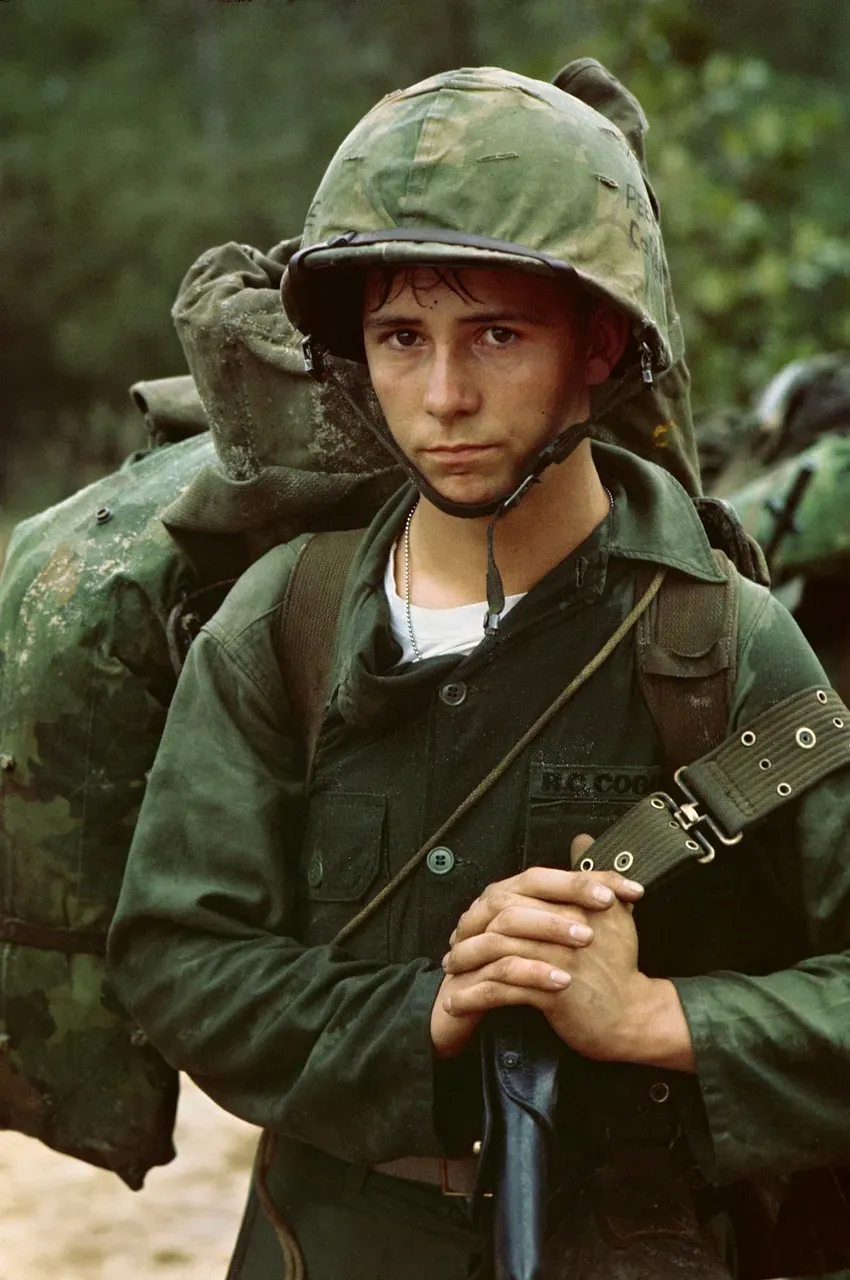
Stanley Kubrick’s Vietnam film is split into two halves, starting with Marine boot camp at Parris Island and moving to combat in the city of Hue. R. Lee Ermey, a former Marine drill instructor, is closely associated with the first half. Much of the film was shot in England, including at a former gas works site used to represent Hue.
Viewers often say the boot camp section is the part they can’t shake, while the second half feels colder and more detached. Kubrick’s clinical style keeps the audience at arm’s length. For many, that distance is exactly what makes a single viewing feel complete.
Partner offer
Planning a trip to Vegas?
Compare hotel rates and show tickets on VEGAS.com.