Ask a group of adults which book made them cry as kids, and the answers come fast. Nobody needs to think about it. A dog, a spider, a rabbit, or a tree usually comes up first.
These books were written for young readers, yet they deal with death, loss, and sacrifice in plain language. That may be why they stick. Here are seven that many people still carry with them decades later.
Charlotte’s Web by E. B. White
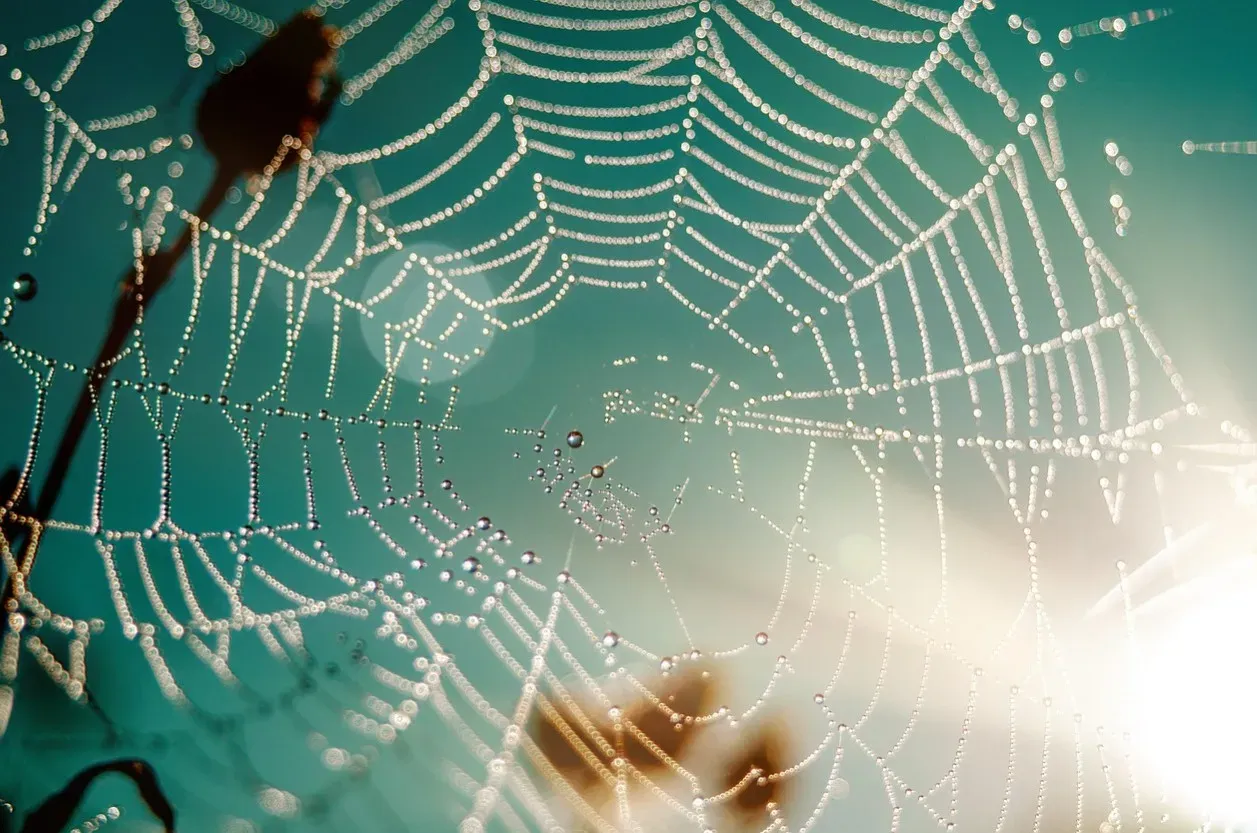
Published in 1952, this story follows a pig named Wilbur and the spider who saves his life. Charlotte spends her last days weaving words into her web, and then she dies alone at the fairground. Wilbur takes her egg sac home, and that quiet moment is the one many readers remember.
The book has stayed in print for generations and is often a child’s first encounter with death in fiction. White doesn’t soften it with a rescue. Charlotte’s children hatch, and the cycle of life moves on, which is comforting but doesn’t erase the loss.
Where the Red Fern Grows by Wilson Rawls
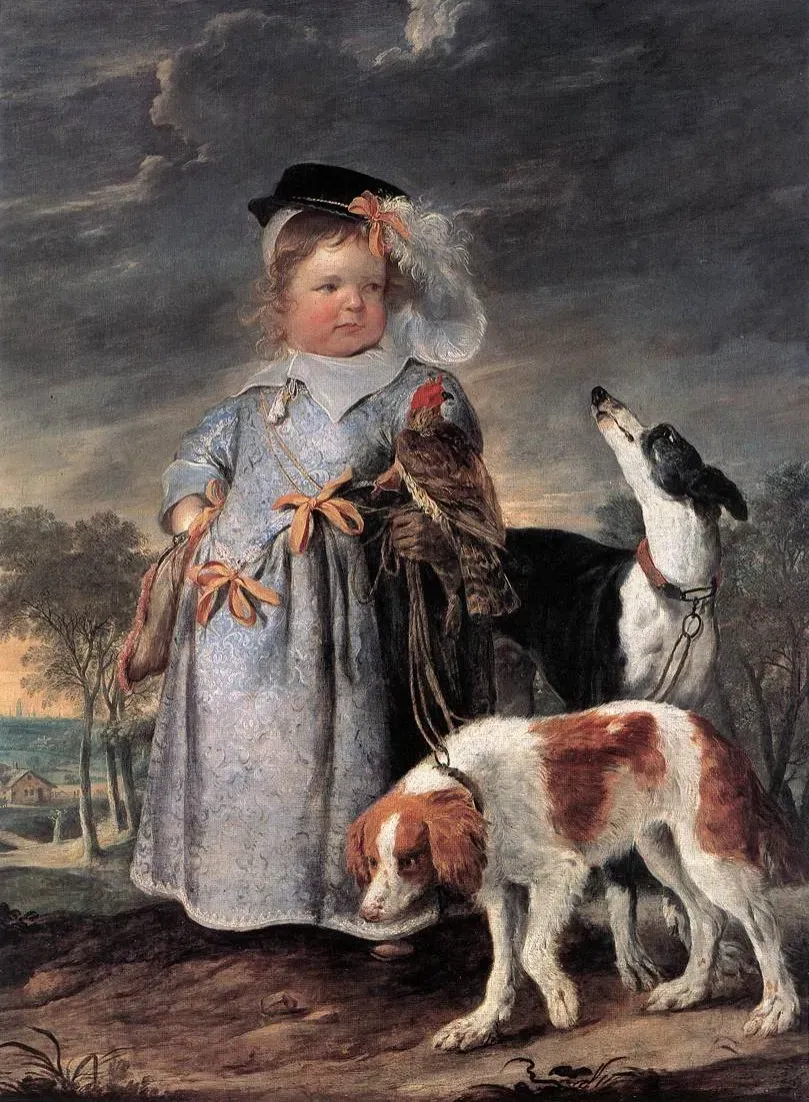
Rawls published this novel in 1961. It tells of a boy in the Ozarks who saves up for two coonhound pups and trains them into a devoted hunting team. One dog dies protecting the boy, and the other dies of grief soon after.
Many adults name it as the book that made them cry in a classroom. The story is set in a rural, hardscrabble world, and the bond between boy and dogs feels earned. That’s why the ending lands so hard.
Bridge to Terabithia by Katherine Paterson
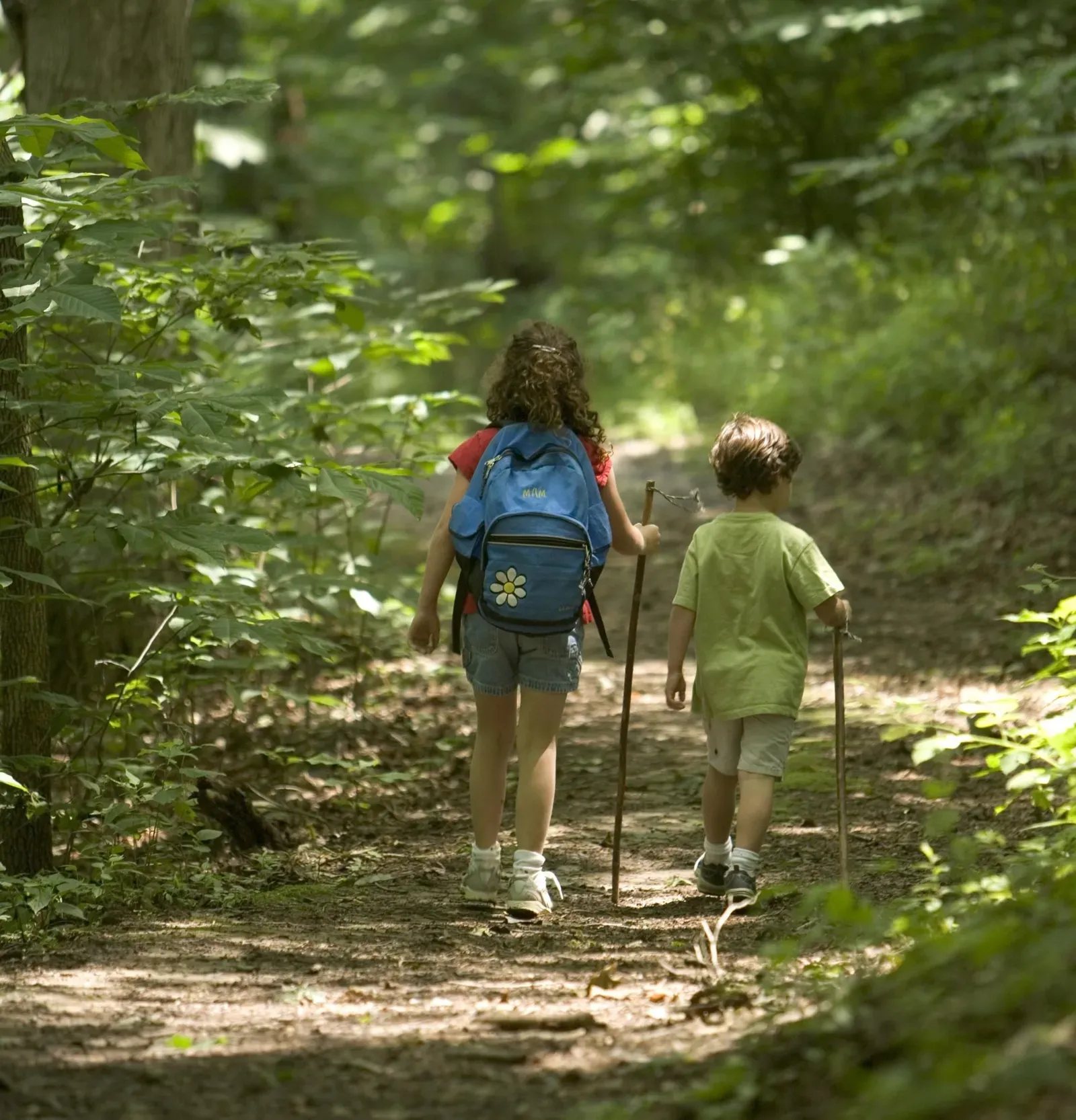
Paterson’s 1977 novel is about Jess and Leslie, two friends who invent a secret kingdom in the woods. Leslie dies suddenly while trying to reach it alone. Jess has to work through shock, guilt, and anger.
The book won the Newbery Medal in 1978. Paterson has said she wrote it partly in response to the death of her son’s close friend, which helps explain how honest it feels. It also appears regularly on lists of frequently challenged books, partly because of how directly it treats grief.
Partner offer
The Giving Tree by Shel Silverstein
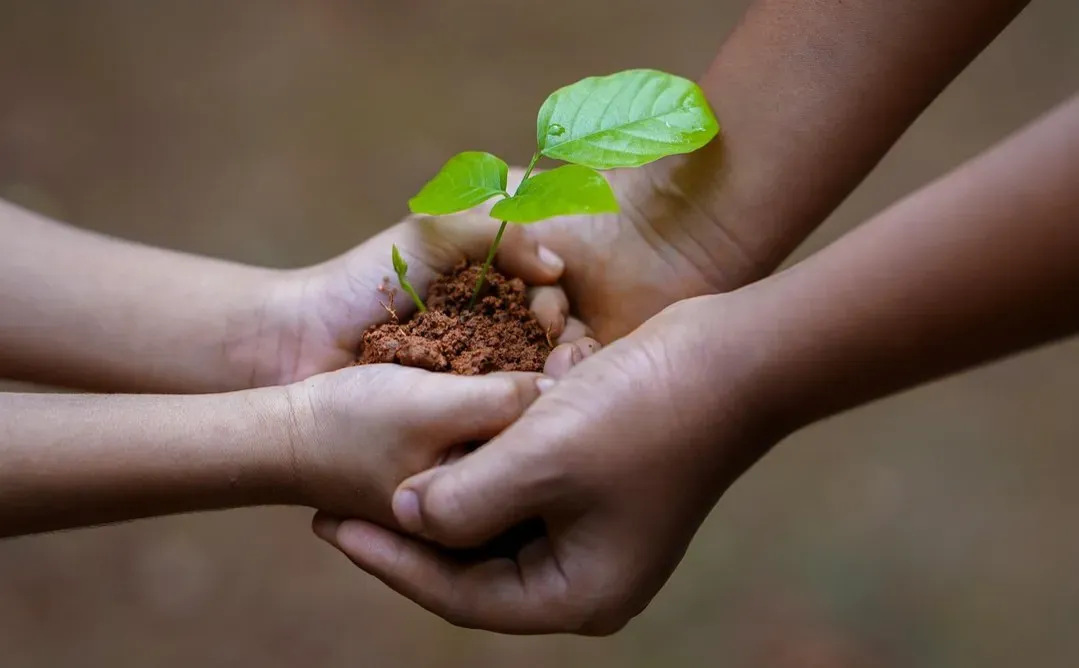
This 1964 picture book is short and spare. A tree gives a boy her apples, branches, and trunk over a lifetime, until only a stump remains. The boy, now an old man, sits on it to rest.
Readers disagree about what it means. Some see it as a tale of unconditional love, while others read it as a story about one-sided taking. Either way, the sadness is hard to shake, and it’s often the reason people remember it.
Old Yeller by Fred Gipson

Gipson’s 1956 novel is set in Texas in the 1860s. A stray dog becomes part of a frontier family and protects them from danger. After being bitten by a rabid wolf, he has to be put down by young Travis.
The book was a Newbery Honor title in 1957 and was adapted by Disney into a 1957 film. The ending has become a cultural shorthand for a heartbreaking pet story. Its plain, unsentimental telling is a big part of why it works.
The Velveteen Rabbit by Margery Williams
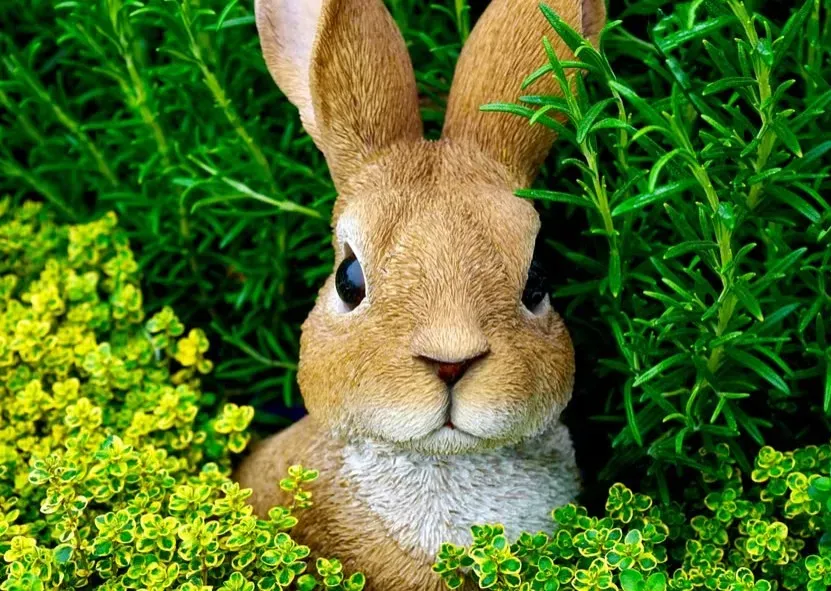
First published in 1922, this story follows a stuffed rabbit who longs to become real through a child’s love. When the boy falls ill, the toys are to be burned. The rabbit is saved when a fairy turns him into a real rabbit.
Its ending is hopeful, yet the sadness runs through the middle. It deals with illness, neglect, and the idea that being loved can be painful. Many adults recall it as gentle on the surface and surprisingly heavy underneath.
Tuck Everlasting by Natalie Babbitt

Babbitt’s 1975 novel centers on Winnie Foster, who discovers a family that drank from a spring and can never age or die. She must decide whether to join them in eternal life. The story doesn’t treat immortality as a gift.
The sadness here is quieter than in the dog and spider stories. It’s about time passing and the choice to accept an ending. Winnie’s decision, and the brief glimpse of her grave years later, leaves a lasting impression on readers.
Partner offer
Planning a trip to Vegas?
Compare hotel rates and show tickets on VEGAS.com.