Walk into almost any high school or university literature course and you’ll find a reading list packed with titles that once struggled to find readers. Some went out of print. Others were dismissed by critics who didn’t quite know what to make of them.
Publishing history is full of these reversals, and the details are often stranger than the legend. Here are nine novels that began with weak sales or a cold reception and later earned a permanent place in the classroom.
Moby-Dick by Herman Melville
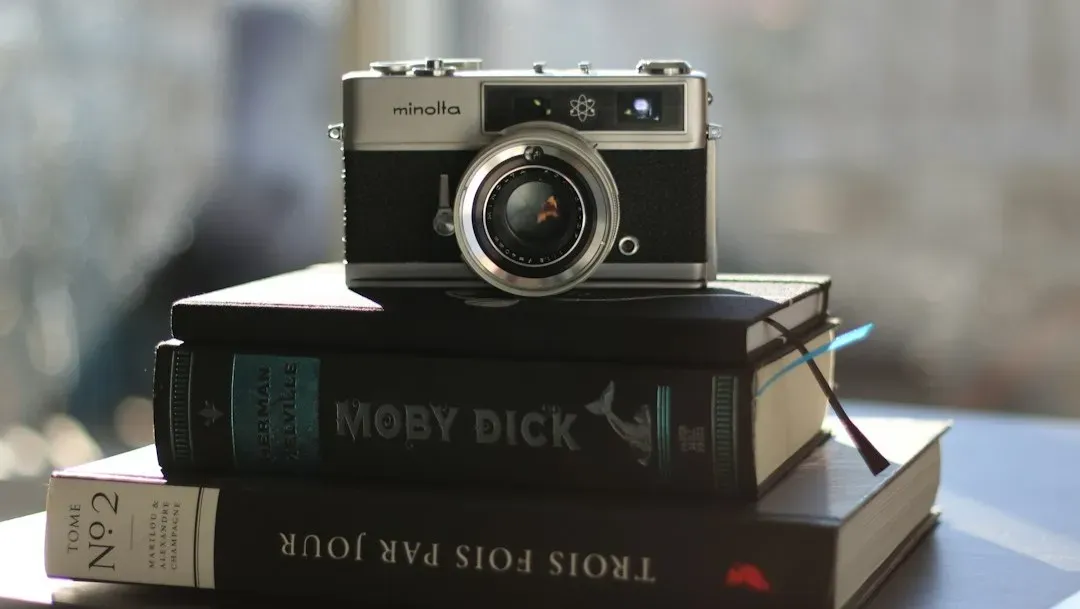
When Moby-Dick appeared in 1851, it confused many reviewers and did not sell the way Melville’s earlier sea adventures had. Over his lifetime, the book reportedly sold only a few thousand copies, and Melville spent his later years working a customs job in New York.
The turnaround came decades after his death, during a burst of scholarly interest in the early 1920s. Critics began treating the novel as an American epic, and it has since become a standard in college courses on nineteenth century literature.
The Great Gatsby by F. Scott Fitzgerald
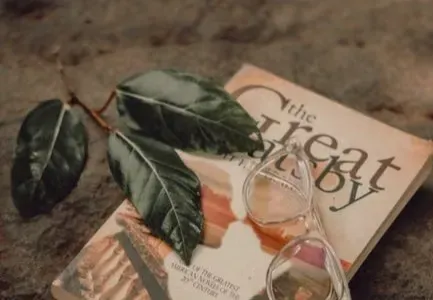
Fitzgerald’s 1925 novel earned respectable reviews but sold well below his earlier books, at roughly twenty thousand copies in its first printings. He died in 1940 believing it had largely been forgotten.
A wartime program helped change that. Armed Services Editions put a very large number of copies into the hands of American soldiers, and postwar critics reappraised the book. Today it’s among the most commonly assigned novels in American high schools.
Their Eyes Were Watching God by Zora Neale Hurston

Published in 1937, this novel received mixed responses, and some contemporaries objected to its use of dialect and its focus on a Black woman’s inner life. It faded from print and Hurston herself died in relative obscurity in 1960.
In the 1970s, writer Alice Walker helped bring Hurston back to public attention, and scholars followed. The book now appears in courses on American literature, African American studies, and women’s writing.
Lord of the Flies by William Golding

Golding’s first novel was turned down by a number of publishers before Faber accepted it in 1954. Its early sales in the United States were modest, and it slipped out of print for a stretch in the late 1950s.
College students embraced it in the early 1960s, and paperback editions spread it widely. Teachers have used it ever since to discuss power, group behavior, and human nature.
The Awakening by Kate Chopin
Chopin’s 1899 story of a married woman seeking independence drew harsh criticism for its frank treatment of desire and discontent. The reaction stung, and the book fell into long neglect after her death in 1904.
Interest revived in the mid twentieth century, and feminist scholars in the 1970s pushed it into the canon. It’s now a regular presence in survey courses on American realism and women’s literature.
The Sound and the Fury by William Faulkner
Faulkner’s 1929 novel, with its fractured timeline and shifting narrators, was a difficult sell for general readers. Sales were slow, and for years he struggled to make a living from his fiction.
His reputation rose sharply in the mid 1940s, helped by a collected volume that reintroduced his work. He received the Nobel Prize in Literature in 1949, and this book became a fixture in advanced literature classes.
The Bluest Eye by Toni Morrison
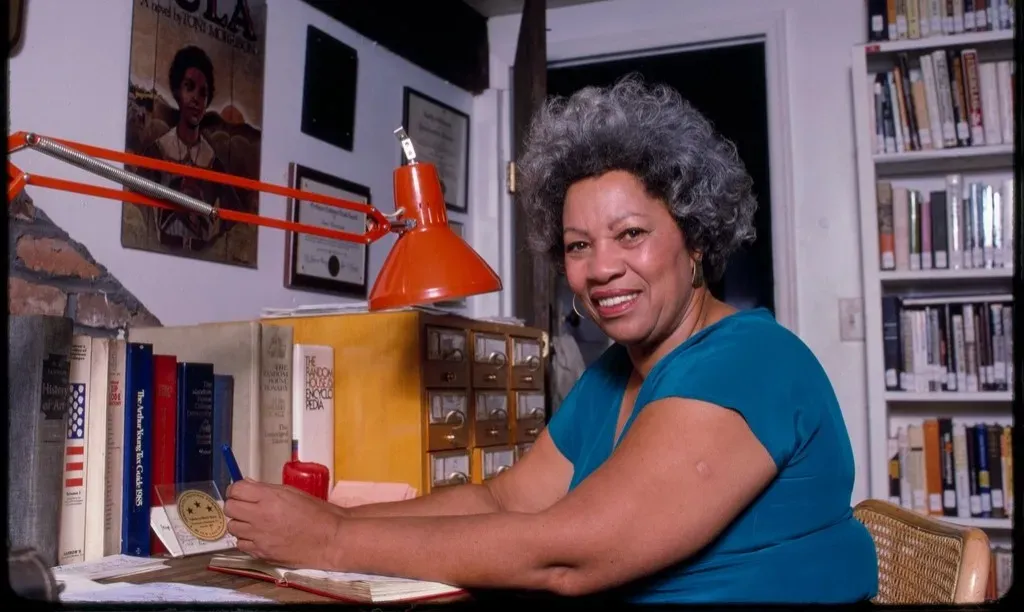
Morrison’s debut novel came out in 1970 to modest sales and limited attention. It explored racism, beauty standards, and childhood trauma in ways that many readers of the time weren’t prepared to discuss.
Her later success, including the Nobel Prize in 1993, drew a much wider audience back to the book. It’s now taught in high schools and universities, though it has also been a frequent target of challenges in school libraries.
Pedro Páramo by Juan Rulfo

Mexican author Juan Rulfo published this short novel in 1955, and it sold slowly in its early years. Its ghostly, fragmented structure was unlike much of what readers expected at the time.
Over time, writers across Latin America cited it as a major influence, and it became a cornerstone of the region’s literary boom. Spanish and world literature courses now routinely assign it.
Catch-22 by Joseph Heller

Heller’s 1961 war satire received divided reviews, and its hardcover sales were modest compared with the acclaim it later earned. Some critics found its looping structure exhausting.
The paperback edition changed the picture, especially among young readers during the Vietnam War era. The title even entered everyday language, and the novel is now a common choice in courses on satire and modern American fiction.