
Every hit song feels inevitable once it’s out in the world, as if no other voice could have carried it. Yet plenty of the tracks now considered untouchable classics started out as demos meant for a completely different singer. Sometimes an artist passed, sometimes a manager got greedy, and sometimes fate simply nudged the song toward someone the writer never expected. Here are ten cases where the path to iconic status ran through someone else’s rejection first.
I Will Always Love You: Whitney Houston’s ballad almost belonged to Elvis
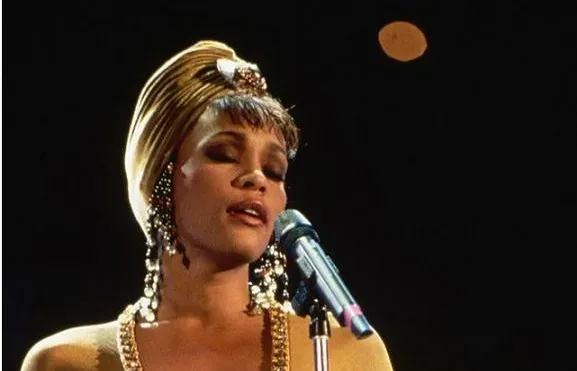
Dolly Parton wrote this song not as a love ballad in the romantic sense, but as a farewell note. Parton wrote the song to tell Wagoner, with whom she had performed as a duet partner for seven years, that she was leaving to pursue a solo career, saying it meant “just because I’m going don’t mean I won’t love you.” It became a country number one long before Whitney Houston ever touched it.
Years later, Elvis Presley wanted his own version. The deal fell apart at the last minute because Colonel Tom Parker told Parton the night before the session that “we don’t record anything with Elvis unless we have publishing on it, or at least half the publishing.” Parton refused, a decision she later called painful but ultimately right, since the royalties she earned from Houston’s recording “made enough money to buy Graceland.”
Nothing Compares 2 U: Prince wrote it for a band he created, not for Sinéad O’Connor
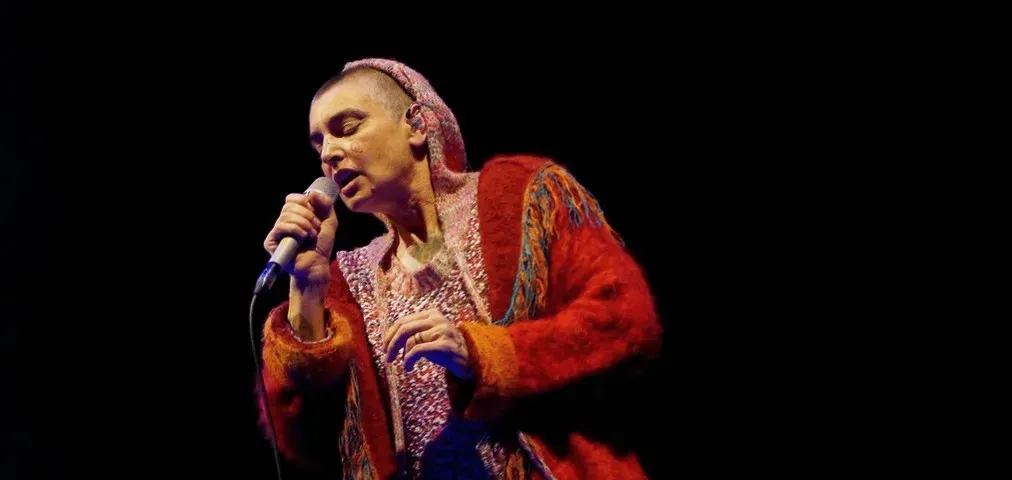
Before Sinéad O’Connor turned it into one of the most devastating vocal performances of the era, this song had a much more obscure life. Sinéad O’Connor’s version was originally written by Prince, who wrote it for The Family, a band he created and produced music for. The Family’s 1985 recording came and went with barely any notice.
The song’s origin turns out to be intensely personal. According to his former sound engineer, the song was written in 1984 when Prince was on a “creative roll,” with lyrics connected to his housekeeper Sandy Scipioni, who had left temporarily when her father had a heart attack, along with his growing feelings for someone in The Family. Prince reportedly wrote the entire lyric in under an hour.
…Baby One More Time: Britney Spears’ breakout single was meant for TLC
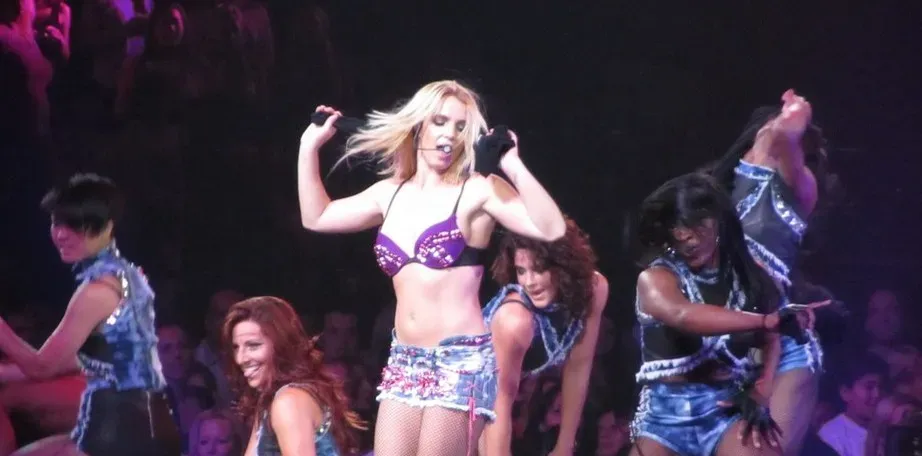
It is hard to imagine anyone but a teenage Britney Spears delivering that opening piano riff, yet the song was shopped elsewhere first. The track wasn’t written for the then-unknown starlet, but for 90s girl group TLC, since Max Martin and Rami Yacoub thought the track fitted the group’s image, but TLC entirely disagreed, taking issue with the song’s refrain.
TLC’s rejection wasn’t the only near miss. When the track began circulating in search of another home, Simon Cowell, who was managing boyband 5ive at the time, made a bid for it, but the band passed, feeling they should focus on recording material they themselves had written. Spears got the song almost by default, and the rest became pop history.
Umbrella: Rihanna’s signature song was pitched to Britney Spears first

Rihanna’s “Umbrella” is one of those tracks that feels custom built for her voice and image, which makes its backstory even stranger. It’s difficult to conceptualize “Umbrella” without Rihanna’s distinct vocals, yet writers Terius “The-Dream” Nash and Christopher “Tricky” Stewart first asked Britney Spears if she’d like to cover the song before it hit number one on the Billboard Charts in 2007.
Some accounts point to a slightly different chain of custody, noting the song was written with Spears in mind and passed along by her team before landing with Rihanna. Rihanna’s 2007 smash hit “Umbrella” was originally written with Britney Spears in mind, but Spears’ team passed on the track, and it ultimately became a global phenomenon that solidified Rihanna’s place in pop history. Either way, the song found its way to the artist who would define it.
The Long and Winding Road: McCartney pictured Ray Charles singing it
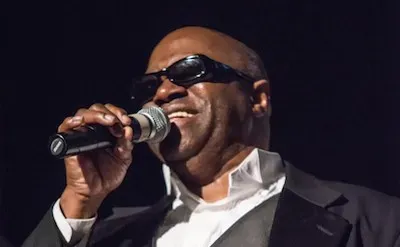
Paul McCartney didn’t write this Beatles closer with his own bandmates in mind at all. McCartney originally penned the tune while imagining someone else singing it, saying, “I just sat down at my piano in Scotland, started playing, and came up with that song, imagining it was going to be done by someone like Ray Charles.”
McCartney actually tried to give the song away before the Beatles ever recorded it. He offered the completed song to Welsh musician Tom Jones on the condition that it would be Jones’s next single, but Jones already had a new single planned, so the song was shelved until it found its way onto the Beatles’ Let It Be. It became one of the band’s final released tracks, closing out their catalog on a bittersweet note.
Irreplaceable: Ne-Yo wrote it imagining a country star, not Beyoncé
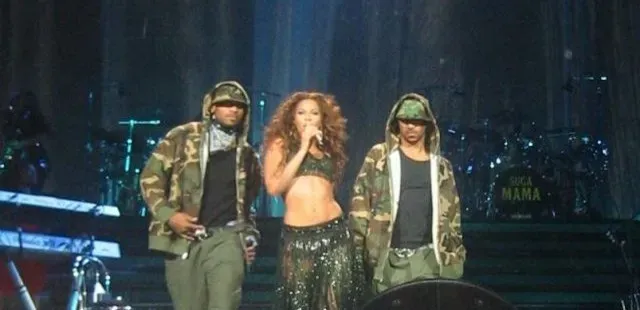
Beyoncé’s breakup anthem sounds like it was built for her commanding delivery, but the writer had someone entirely different in mind. Beyoncé’s empowerment anthem “Irreplaceable” was initially penned by Ne-Yo, who thought the song would be a good fit for a female country singer like Shania Twain.
The transition from country-leaning demo to R&B smash happened almost by accident. Beyoncé’s team got hold of the demo, and with a few adjustments, it became one of her most beloved tracks. The song went on to spend weeks at the top of the charts and remains one of her most recognizable singles.
Whataya Want From Me: Pink recorded it first, then gave it up
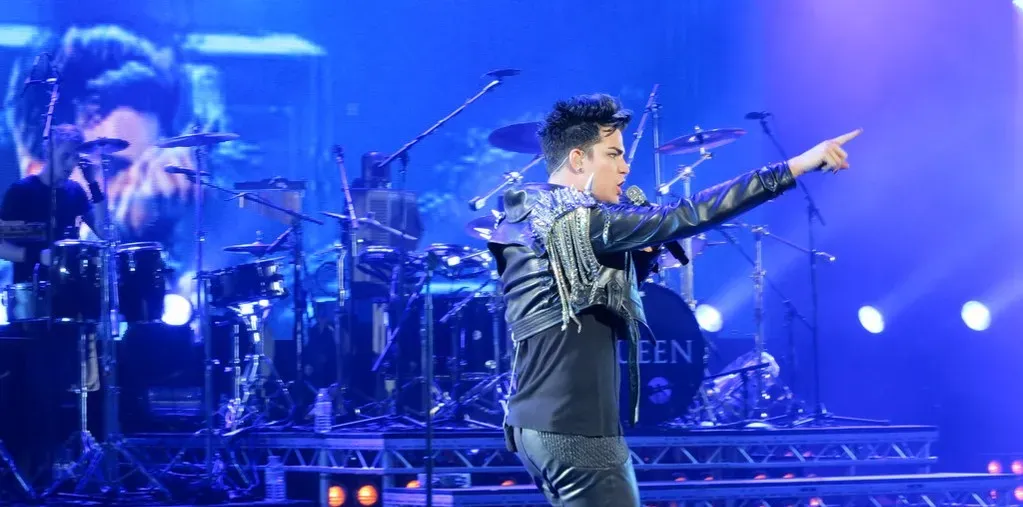
Adam Lambert turned this song into a defining post-American Idol hit, but it started life as a P!nk demo. This powerful ballad was originally written by P!nk, Max Martin, and Shellback, and Pink recorded a demo for her Funhouse album but ultimately decided not to use it.
The song then landed in the hands of an artist who could stretch it into a bigger, more theatrical vocal showcase. Instead, the track was given to Adam Lambert, who turned it into one of his signature hits. It became one of the standout tracks from his debut album and a staple of his live shows.
Since U Been Gone: Both Pink and Hilary Duff turned it down

Kelly Clarkson’s breakout anthem had two chances to belong to someone else before it ever reached her. Kelly Clarkson’s energetic anthem “Since U Been Gone” was almost sung by someone else, as songwriters Max Martin and Dr. Luke initially offered the song to P!nk and Hilary Duff, but both artists passed on it.
Partner offer
What happened next reshaped Clarkson’s entire career trajectory. Clarkson’s raw vocals and powerful delivery made the song a massive success, helping define her career. It remains one of the defining pop rock singles of the mid 2000s and a signature moment for the first American Idol winner.
Better Man: Taylor Swift wrote it for her own album, then let it go
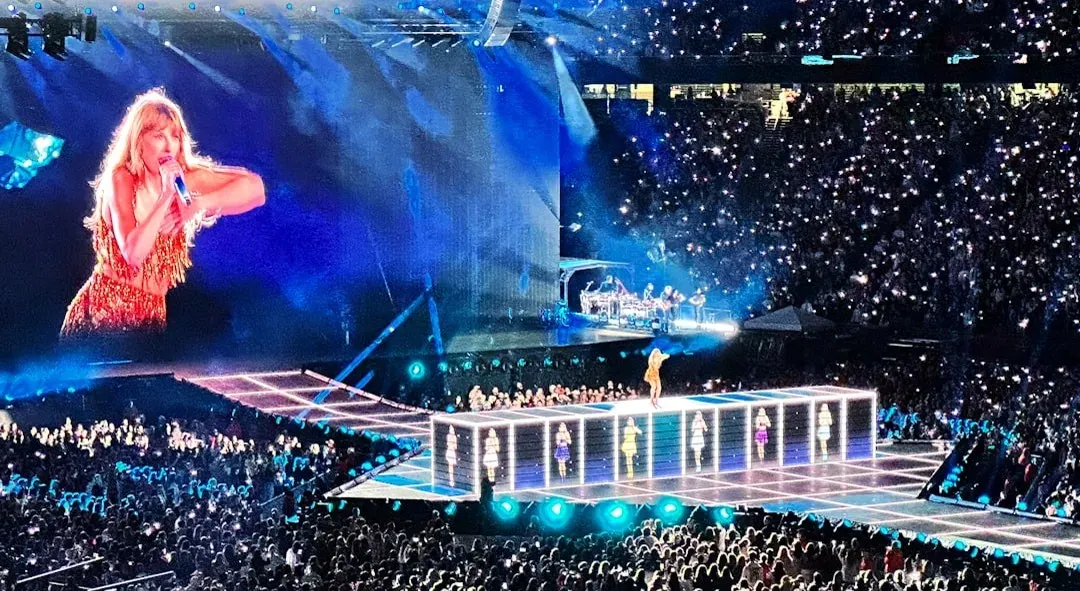
Little Big Town’s “Better Man” won a Grammy for Best Country Song, but the story behind it involves an artist choosing not to keep something she wrote. That was the case with Little Big Town’s song “Better Man,” which Taylor Swift wrote with the intention to use on her Red album but passed to the group instead.
The song’s subject matter fits neatly into Swift’s known songwriting territory even though she never released her own version. “Better Man” tells the story of a person dealing with a breakup and reflecting on how they wished they were a better person for them. Little Big Town’s recording became one of the group’s biggest commercial and critical successes.
Party in the U.S.A.: Jessie J wrote it before Miley Cyrus ever heard it

Long before Jessie J became a solo star in her own right, she was a working songwriter placing tracks with other artists. One of those songs ended up defining a moment in Miley Cyrus’s career rather than her own, and the financial payoff was substantial even without the spotlight. Jessie said that the royalties from that song alone paid her rent for three years.
The arrangement is a reminder that songwriting credits often work quietly behind the scenes of pop’s biggest moments. Cyrus’s recording became a defining single of her transition from Disney star to mainstream pop artist, anchoring an era of her career that still gets referenced today. The song’s writer, meanwhile, moved on to build her own catalog of hits under her own name.
What these stories reveal about how hits actually get made

Looking across all ten of these songs, a pattern emerges that has nothing to do with luck and everything to do with persistence. Songwriters and producers often have a strong instinct that a song works, even when the first, second, or third artist they pitch it to disagrees. The eventual home a song finds is frequently determined by timing, contract disputes, or simple personal taste rather than any flaw in the material itself.
It’s worth remembering this the next time a song feels like it was written specifically for the voice singing it. In many cases, that feeling of perfect fit was earned only after a string of rejections nobody involved could have predicted would matter so much. The songs survived the detours, and in most cases, they turned out better for having taken them.
Partner offer
Planning a trip to Vegas?
Compare hotel rates and show tickets on VEGAS.com.