Most of us watch films on a phone, a laptop or a living room TV, and that’s fine for a lot of movies. Some films were built for something bigger, though. They rely on scale, silence, a wall of sound, or a crowd laughing and gasping in the dark.
The nine titles below come from different decades and genres. What they share is a reason to be seen in a theater, and each one is explained in the section that follows.
2001: A Space Odyssey
Stanley Kubrick’s 1968 science fiction landmark was shot in Super Panavision 70, a large format film process. That gives the images a clarity and depth that shrink badly on a small screen. Long, wordless stretches of space travel are meant to be absorbed slowly.
Christopher Nolan helped bring the film back to cinemas in 2018 with a new 70mm print made from the original camera negative, without digital restoration. The film also leaves plenty unexplained, and a dark auditorium with no pause button makes that mystery easier to accept. The famous final sequence hits differently when you can’t look away.
Lawrence of Arabia

David Lean’s 1962 epic was filmed in Super Panavision 70, and the desert is practically a character. Freddie Young’s cinematography turns empty horizons into the main event. The famous shot of Lawrence’s figure emerging from a shimmering mirage only works when the frame is huge.
The film was restored in 1989 and again for a 2012 release, so good prints and digital presentations do exist. It runs well over three hours, which sounds daunting at home. In a theater, with an intermission and no distractions, it feels closer to an event than a chore.
Jaws
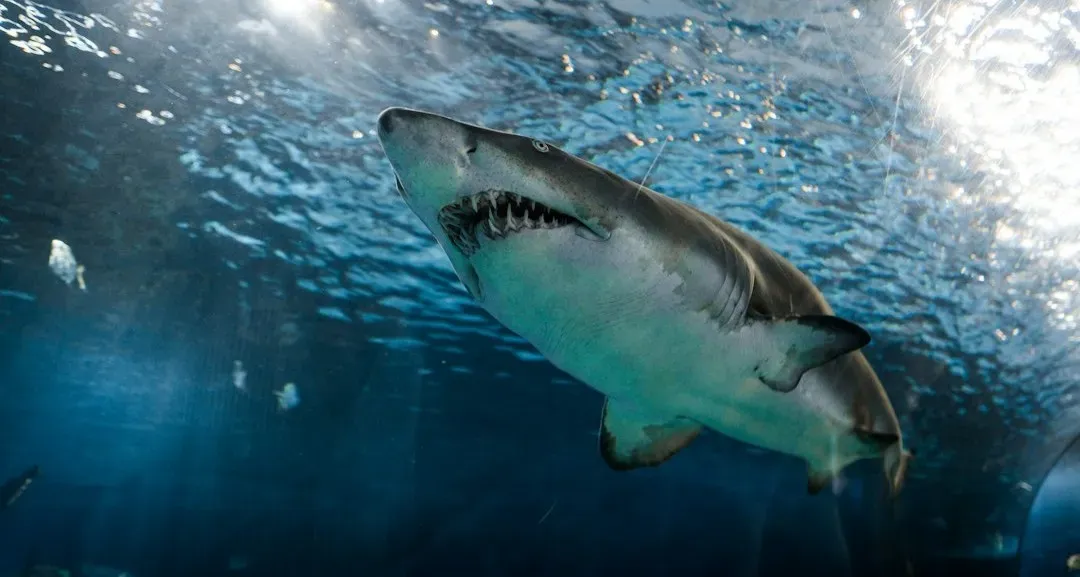
Steven Spielberg’s 1975 thriller is often credited as a forerunner of the modern summer blockbuster. It returned to theaters for its 50th anniversary in 2025, which gave a new generation the chance to see it properly. The tension depends on what you don’t see, and a large dark room makes every empty stretch of water more uneasy.
John Williams’ two note theme is one of the most recognizable pieces of film music ever written. Heard through a cinema sound system, it lands physically rather than just as a memory. Watching with a full audience adds something too, because people jump together and laugh at the same nervous moments.
The Godfather
Francis Ford Coppola’s 1972 crime saga is famous for its low lit interiors, and cinematographer Gordon Willis leaned deep into shadow. On a bright TV or a phone in daylight, much of that detail simply disappears. In a theater, the darkness reads as intended, with faces half lit and menace sitting just outside the frame.
The film received a 4K restoration for its 50th anniversary in 2022, and it was shown in cinemas again around that time. The pacing rewards a captive audience. Scenes like the wedding opening and the baptism montage carry far more weight when nobody is checking a phone.
Partner offer
Mad Max: Fury Road
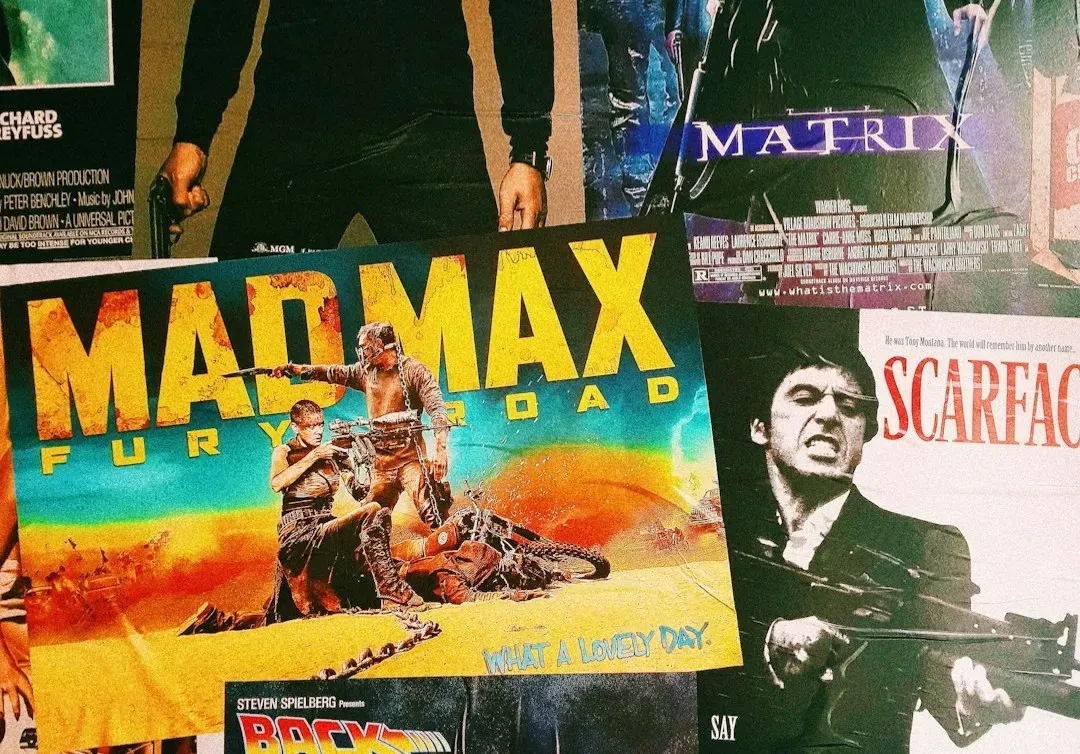
George Miller’s 2015 action film is built almost entirely around motion, and much of it was done with real vehicles and practical stunts in the Namibian desert. The screen needs to be large for you to follow the chaos and still feel the speed. Its color palette of orange sand and blue night is striking at scale.
The sound design is loud, layered and rhythmic, with engines and drums pushing the action forward. Miller returned to the same world with Furiosa in 2024, but the earlier film is still the one people bring up when they talk about action cinema. If a theater near you programs a revival, it’s worth going.
Gravity
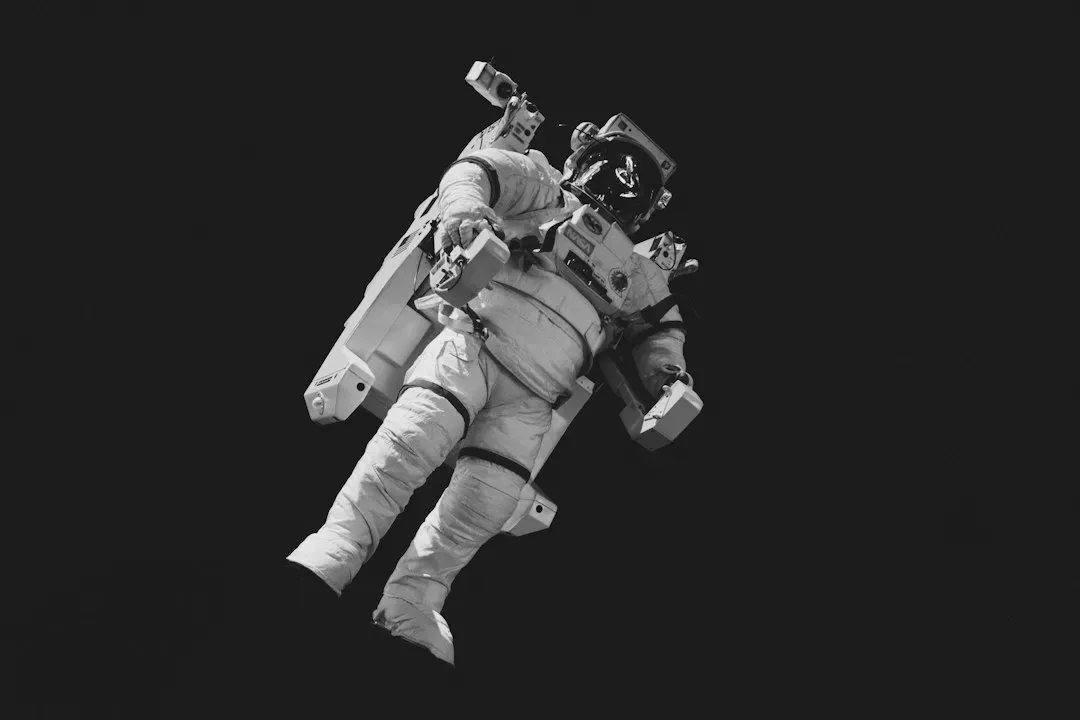
Alfonso Cuarón’s 2013 survival story in orbit is one of the few films where 3D genuinely earns its place. Debris drifts toward the audience, and the depth of empty space makes the isolation feel real. The opening shot alone runs for a remarkably long time without an obvious cut.
The film won seven Academy Awards, including Best Director for Cuarón. Much of the recognition went to the visual effects and sound, both of which lose impact at home. A big screen turns a simple story of one astronaut getting back to Earth into something close to a physical experience.
Avatar

James Cameron’s 2009 film changed how studios thought about 3D and large format presentation. It returned to theaters in 2022, ahead of its sequel, and audiences were reminded how much of its appeal comes from immersion. The glowing forests of Pandora were designed to fill your field of vision.
The story is familiar, and critics have said so for years. The spectacle, however, remains the point, and it works best on a giant screen with a strong projector. If you’ve only seen it on a television, you’ve seen roughly half of what it was made to do.
Oppenheimer
Christopher Nolan’s 2023 drama was shot with IMAX 65mm cameras, and it was the first feature to use IMAX black and white film photography. It won seven Oscars at the 2024 ceremony, including Best Picture. The best presentations were in IMAX 70mm, which few cinemas can show, but even standard theaters give it more punch than home viewing.
Much of the film is conversation, yet Nolan treats it like an action picture. The sound mix goes from near silence to overwhelming force, and the Trinity test sequence depends on that contrast. Watching at home at a polite volume makes the dynamics fall flat.
Spirited Away

Hayao Miyazaki’s 2001 animated fantasy won the Academy Award for Best Animated Feature in 2003. Its hand drawn backgrounds are packed with small details, from steaming bathhouse corridors to strange creatures in the corners. A large screen lets those touches breathe rather than blur into the frame.
Studio Ghibli titles have returned to cinemas in many countries through special screenings over the years, so it’s worth checking local listings. The film moves at a gentle, dreamlike pace that suits a quiet theater. Joe Hisaishi’s score also carries more emotion through proper speakers than through laptop audio.
Partner offer
Planning a trip to Vegas?
Compare hotel rates and show tickets on VEGAS.com.