Most TV theme songs are built to do a job and then step aside. They set the mood in under a minute and send you into the episode. A few, though, escaped the living room and landed on the radio.
The seven songs below all made that jump, and some climbed all the way to the top of the Billboard Hot 100. Each one started as a piece of a show and ended up a hit in its own right.
I’ll Be There for You by The Rembrandts

The Friends theme debuted in 1994, but the version people first heard on the show was short, and it was credited to The Rembrandts only after the fact. Radio stations began playing the track in 1995, so the band recorded a longer version for release. The song was written by Michael Skloff and Allee Willis with the show’s creators, David Crane and Marta Kauffman, and the band’s Phil Solem and Danny Wilde.
The single reached No. 17 on the Billboard Hot 100 and climbed to No. 3 on the UK Singles Chart. It also spent a long stretch at the top of Billboard’s adult radio charts. Few theme songs have stuck so firmly to a show’s identity.
Miami Vice Theme by Jan Hammer
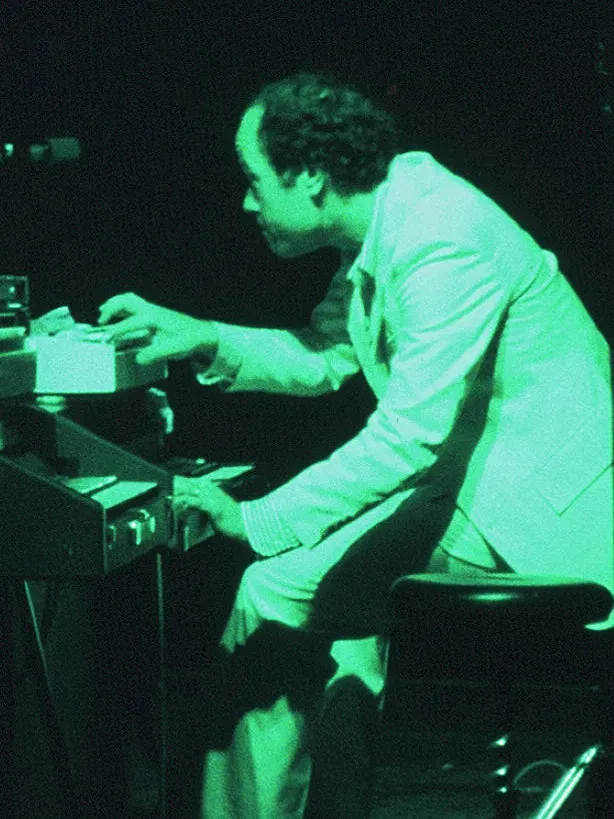
Czech born keyboardist Jan Hammer wrote the music for Miami Vice, which premiered in 1984. His synthesizer driven theme matched the show’s neon look. It had no lyrics at all, which makes its chart run more surprising.
In November 1985 the instrumental hit No. 1 on the Billboard Hot 100. Instrumentals rarely get that far, and a TV theme doing it was rarer still. It remains one of the best known examples of a show’s sound becoming a pop success.
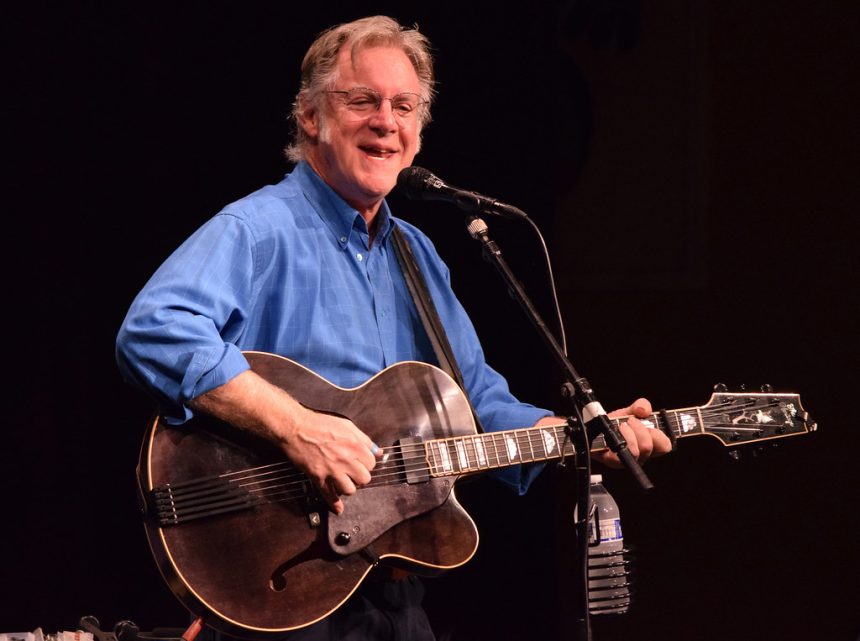
Welcome Back by John Sebastian
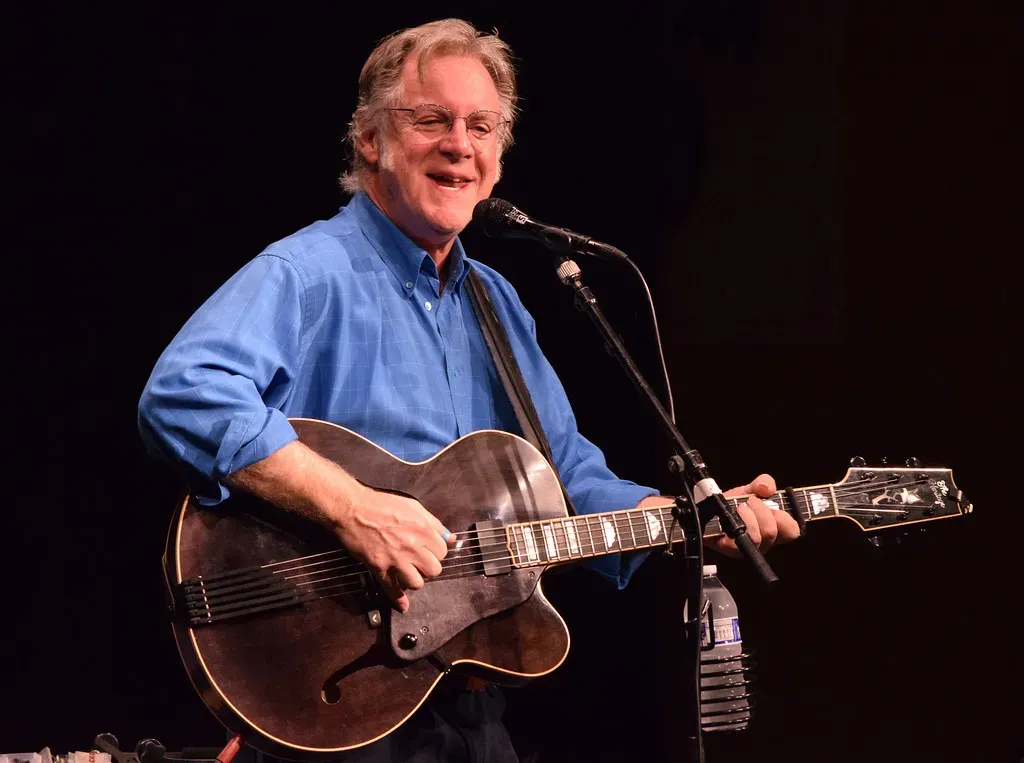
Welcome Back, Kotter ran on ABC from 1975 to 1979. Its theme was written and sung by John Sebastian, who had already made his name as a founding member of The Lovin’ Spoonful. The song was written for the sitcom and was not a repurposed older track.
A full length single followed, and in May 1976 it reached No. 1 on the Billboard Hot 100. It was Sebastian’s only chart topper as a solo artist. The show made John Travolta a star, and the theme gave its composer an unexpected victory lap.
Believe It or Not by Joey Scarbury
The Greatest American Hero was a lighthearted superhero series that aired in the early 1980s. Its theme, Believe It or Not, was written by Mike Post and Stephen Geyer and sung by Joey Scarbury. The lyrics suited the show’s premise of an ordinary teacher given a powerful suit.
Partner offer
The single peaked at No. 2 on the Billboard Hot 100 in 1981. It missed the top spot but stayed in the public ear for months. It also earned a Grammy nomination, which is a real distinction for a TV theme.
Theme from S.W.A.T. by Rhythm Heritage
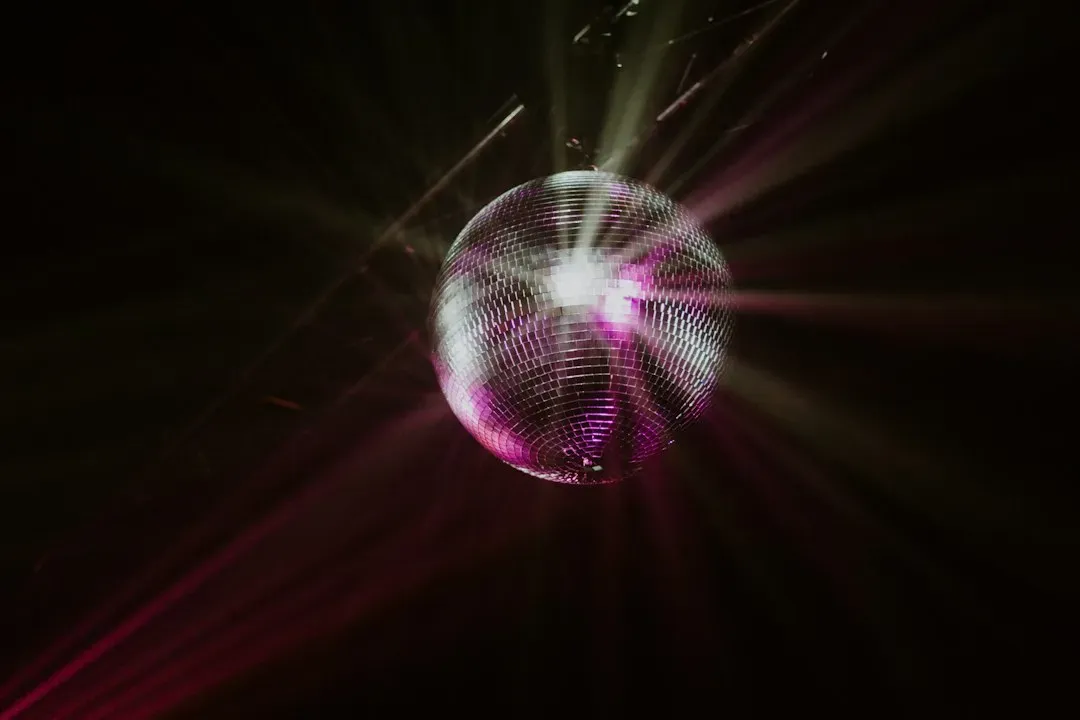
S.W.A.T. was a police drama that aired on ABC in the mid 1970s. Its theme was composed by Barry De Vorzon, and a disco flavored recording by the studio group Rhythm Heritage turned it into a dance floor staple. Steve Barri and Michael Omartian were behind that version.
The single went to No. 1 on the Billboard Hot 100 in early 1976, even though the show itself lasted only a short time. The theme outlived the series by a wide margin. Its brassy, driving feel still turns up in later TV and film.
Happy Days by Pratt and McClain
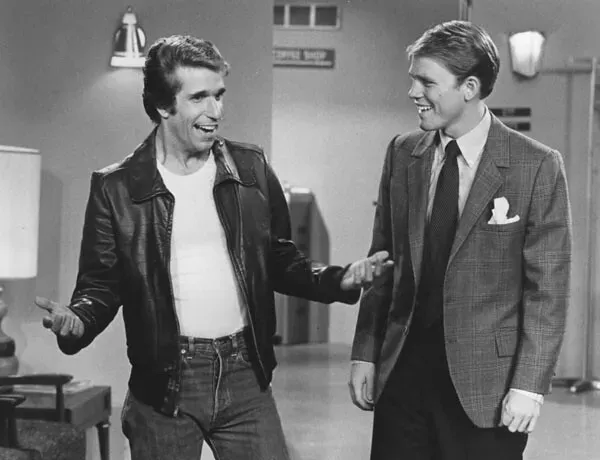
The sitcom Happy Days opened with Rock Around the Clock in its first seasons. Later it moved to a newly written theme by Norman Gimbel and Charles Fox, performed by the duo Pratt and McClain. The new song fit the show’s cheerful nostalgia for the 1950s.
Released as a single in 1976, Happy Days reached No. 5 on the Billboard Hot 100. Its success shows how popular the show had become by then. Plenty of viewers who had never heard of the duo could still sing along.
I Don’t Want to Wait by Paula Cole

Dawson’s Creek premiered in 1998 and opened with a song by Paula Cole, I Don’t Want to Wait. The track came from her 1996 album This Fire, so it was not written for the show. Even so, the series made the song feel like a teen drama anthem.
The single reached No. 11 on the Billboard Hot 100. Its success followed the show’s rise, and the two became closely linked in the public mind. Later home video releases of the series changed the music because of licensing, which fans noticed.
Where These Hits Stand Today
The seven songs span from the mid 1970s to the late 1990s. Four of them hit No. 1 or came close, which shows how much weight a successful TV show could give a record. Radio airplay and television exposure fed each other.
Streaming has changed how theme songs reach people, yet these tracks continue to circulate through reruns, playlists and nostalgia. Their chart positions remain a matter of record on Billboard and the UK Official Charts.
Partner offer
Planning a trip to Vegas?
Compare hotel rates and show tickets on VEGAS.com.