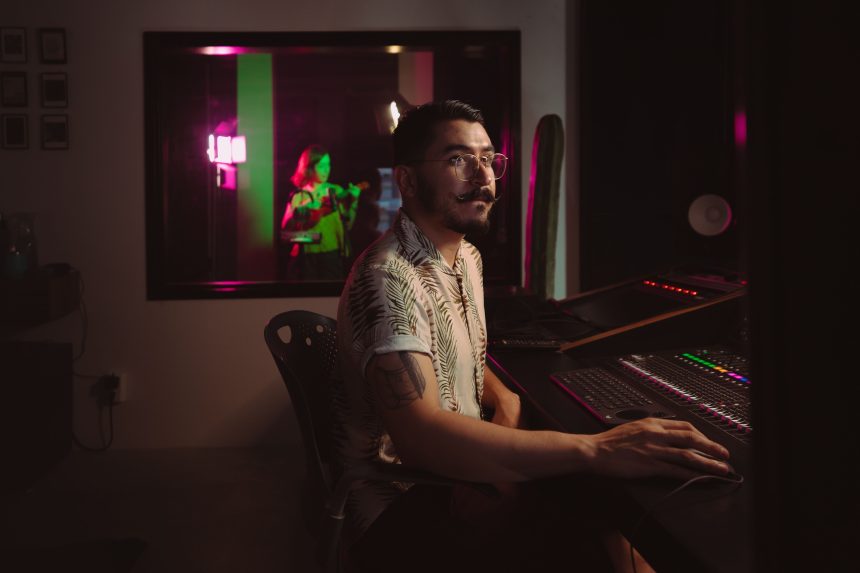
It seems backwards at first. A character that doesn’t exist yet gets a voice, and the performance is captured in a booth long before an animator draws a single finished frame. Yet for most animated features, that’s how it works. The voice comes first, and the picture grows around it.
This isn’t just tradition. It’s a practical answer to a hard production problem. Here’s how the process works, why studios favor it, and where it breaks down.
Why Sound Usually Comes Before Picture
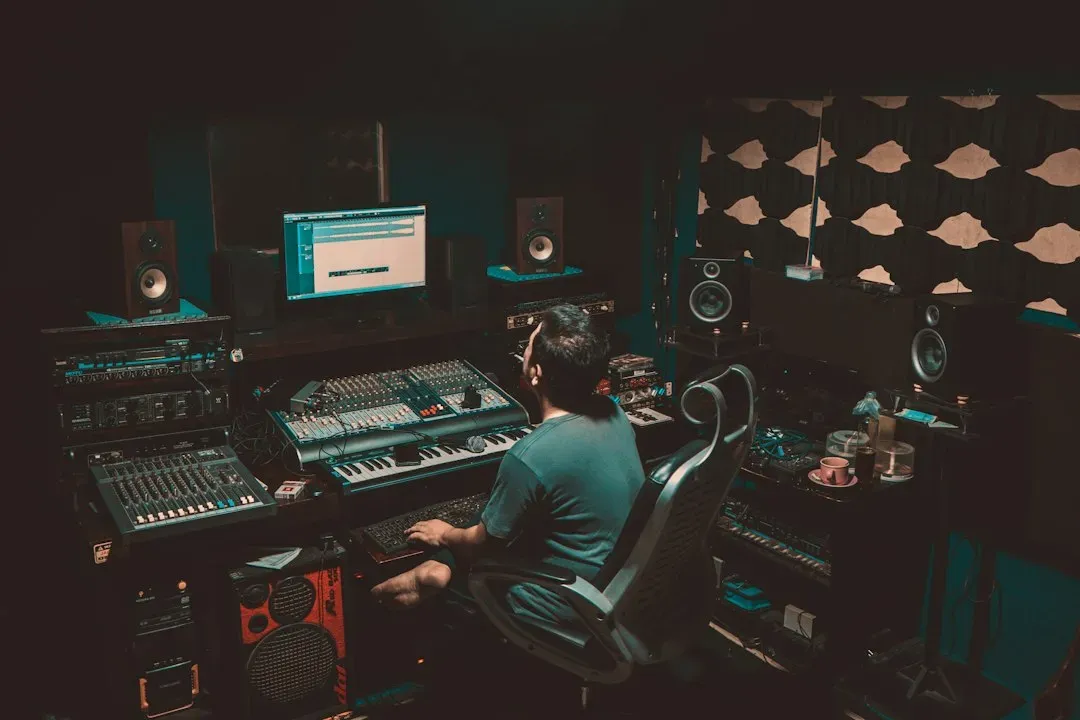
The core reason is simple. Because animation is produced so slowly and methodically, it’s almost always easier to synchronize animation to an existing soundtrack than to fit a soundtrack to existing animation. Animators can’t easily stretch or squeeze a finished shot, but an audio file gives them fixed timing to work against.
Studios also treat the voice as a creative resource, not only a technical one. Animators rely heavily on the actor’s cadence, vocal inflections and breath pauses to time character movements and mouth shapes correctly. A pause or a sudden laugh in the recording becomes something the character can physically act out.
The Script and Storyboard Come First

Voice sessions don’t start from nothing. The source material is converted into a film script, and the storyboard is derived from it. A storyboard is a shot by shot breakdown of the staging, acting and camera moves, and it looks a bit like comic book panels.
That early planning matters because recording is part of pre-production. Scriptwriting, concept art, storyboarding, animatics and voice recording help identify problems early, which reduces costly revisions later. It’s far cheaper to fix a line on paper or in a booth than in finished animation.
Scratch Tracks: The Rough Draft of a Performance
Before the final cast records, studios often use temporary voices. A preliminary soundtrack, or scratch track, is recorded before true animation begins so the animation can be synchronized more precisely. The scratch track isn’t a finished mix. It typically holds only the voices, any songs the characters sing, and temporary music, while the final score and sound effects come in post-production.
Who provides those temporary voices varies. They can come from professional voice actors, or from anyone around the studio willing to read a line or two, including friends or family. Directors use them to find their way through script revisions, visual renderings and other steps.
Why Studios Delay the Big Names
Sometimes the star’s session waits. One animation educator notes that studios may record temporary audio as a placeholder until the big star is recorded, because stars are expensive and scripts keep changing, so nobody wants to pay for repeated dialogue changes.
The same source adds a caution. Even so, the voice performance should be finalized before animation gets hold of it. In other words, placeholders help the story, but they’re a poor foundation for final character animation.
Partner offer
Inside the Recording Session
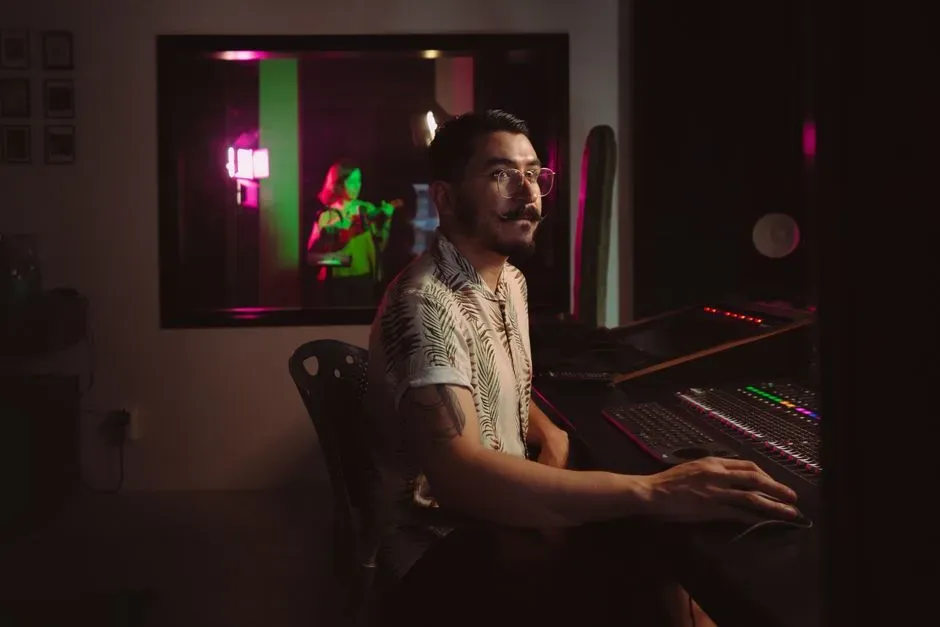
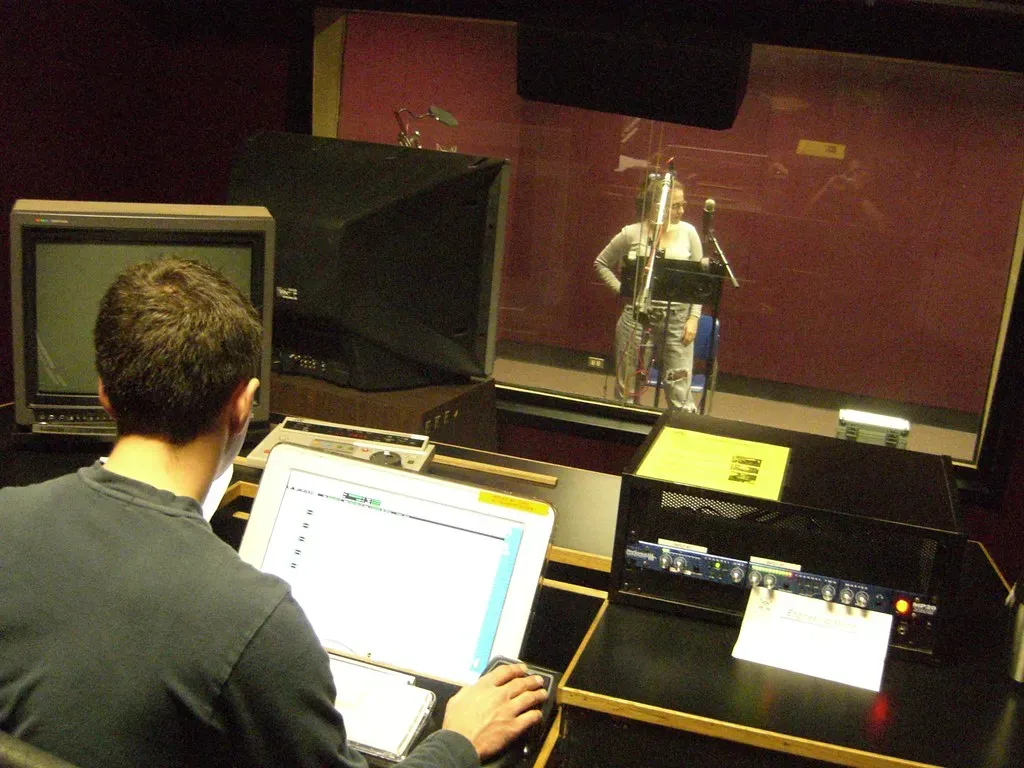
The booth session is usually built around choice. Actors often perform several takes to capture the right emotion and delivery. Directors and actors also tinker as they go. One person who has done scratch sessions says both the director and the actor were making changes as they went along.
Video is often rolling too. One commonly cited account says video of the performance is customarily captured as reference, and animators study it to match facial movement to the dialogue. That comes from a forum answer, not a studio document, so treat it as a description of common practice rather than a rule. Still, it fits how animators describe studying actors’ expressions.
From Audio to Animatic
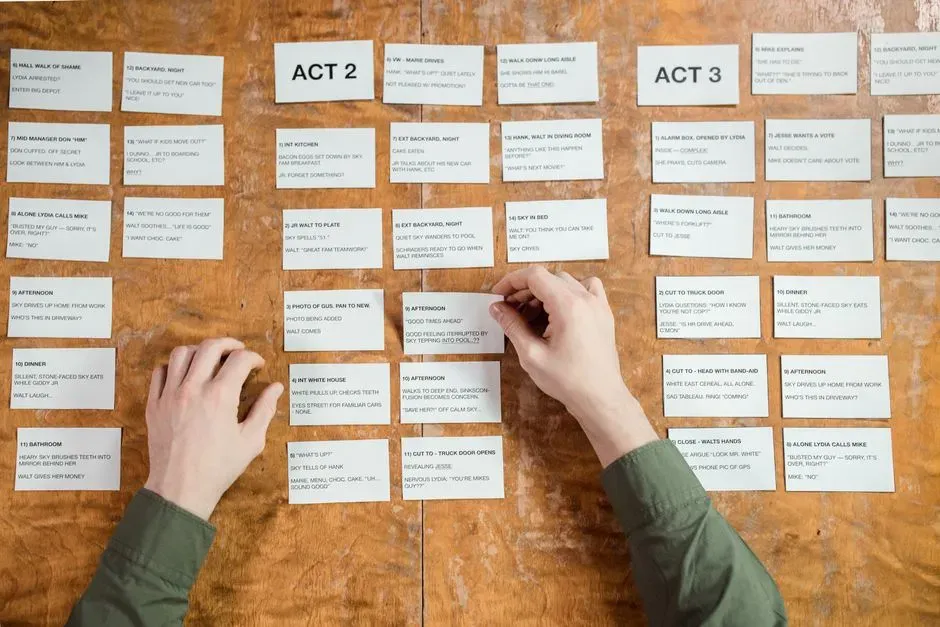
Once dialogue is recorded, it meets the storyboard. An animatic, or story reel, is usually created after the soundtrack is recorded and before full animation begins. It can consist of static storyboard frames edited together and timed to audio.
This is where the story gets tested. Directors and animators work out script and timing issues, amend the storyboard and soundtrack if needed, and may create new animatics until the storyboard meets the director’s requirements. Dialogue can be reshaped many times before expensive animation starts.
A Short History of the Voice-First Habit
The order wasn’t always standard. Most pre-1930 sound cartoons, and Japanese animation, were post-synched, meaning the soundtrack was recorded after the film elements were finished. Fleischer Studios kept post-synching through most of the 1930s, which allowed the muttered ad-libs heard in Popeye and Betty Boop cartoons.
The modern full-film version came later. Toy Story was the first animated film for which scratch vocals were recorded for all reels, in 1993. Before that, in the 1980s, Walt Disney Feature Animation experimented with recording production sound for all reels before animating, using scratch vocals only for changes.
When the Order Flips
Voice-first isn’t universal. Anime has long followed a different pattern. In foreign-language dubbing, the animation already exists, so actors must match timing that’s already locked. As one explainer puts it, the challenge is to match the existing visuals, and ADR can also be used in post-production to tweak lines or add new dialogue.
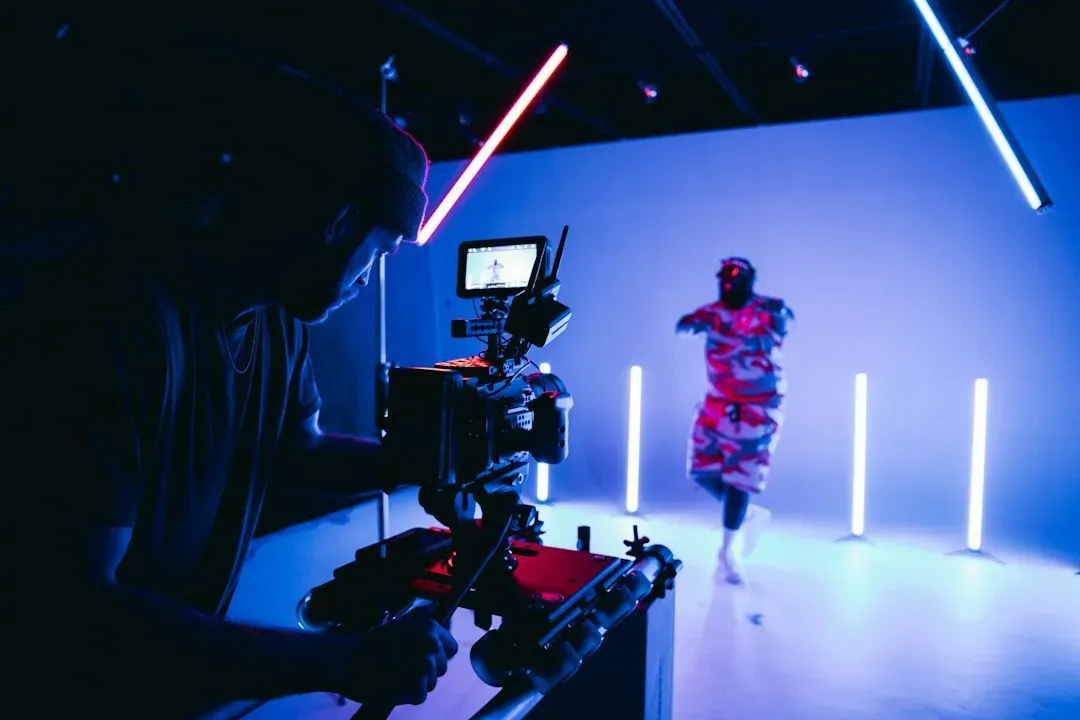
Motion capture shifts things as well. In some 3D and game projects, actors perform in mocap suits while delivering lines, capturing voice, movement and facial expression together. The explainer is a social media video, so it’s a general overview, not a definitive industry survey. Practices differ by studio and project.
Conclusion
Recording voices before animation exists is mostly about control and efficiency. Audio gives animators a fixed timeline, and it lets directors test story and pacing cheaply through scratch tracks and animatics. Exceptions exist, from dubbing to ADR to motion capture, but the voice-first approach remains the default for much feature animation.
In the end, the animated character is a collaboration across time. The actor speaks first, and the animators answer.
Partner offer
Planning a trip to Vegas?
Compare hotel rates and show tickets on VEGAS.com.