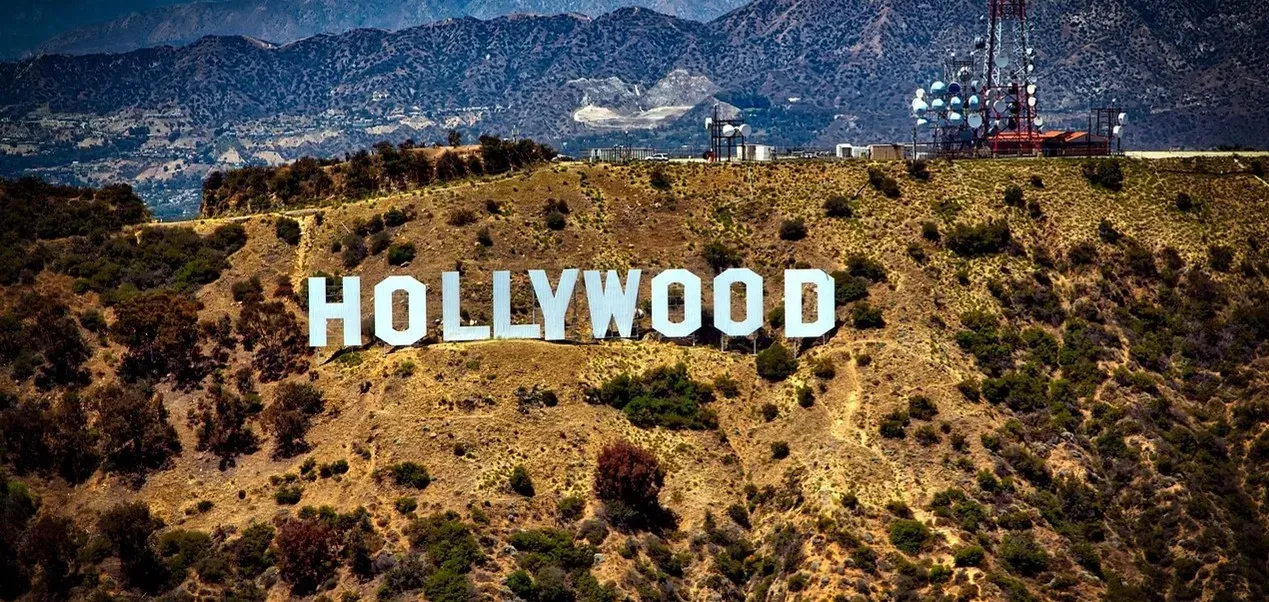
Every so often in Hollywood, a decision that looks minor in the moment ends up rewriting the rules of an entire industry. That’s exactly what happened in 1976, when a director nobody fully trusted yet walked away from a bigger paycheck in exchange for something the studio considered almost worthless. Nobody in the room that day understood they were watching the birth of a business model that would eventually dwarf the film itself.
The story involves a space movie almost nobody wanted to make, a toy company that hadn’t even seen the script, and a contract clause so undervalued that the studio signed it away without much of a fight. What followed became one of the most studied deals in entertainment history, and it still shapes how blockbusters are marketed today.
A modest deal for an uncertain movie
In 1973, George Lucas walked into 20th Century Fox with a script about space samurai, and after American Graffiti turned $750,000 into $100 million at the box office, Lucas had something rare for a young filmmaker: leverage. That leverage didn’t come from Star Wars itself, which most executives found confusing at best. Fox had greenlit his next project, a science fiction film about space and an energy field called the Force that most executives at the studio had not read past the first page.
Rather than push for a bigger fee, Lucas made an unusual request. Rather than take the raise his agent believed he could command, reportedly as much as $500,000, he agreed to a $150,000 salary and asked Fox to let him keep the merchandising rights, along with the rights to any sequels. It seemed like a strange trade to everyone but him.
The Fox executives who saw no risk
From the studio’s perspective, this wasn’t even a close call. As far as anyone at the studio was concerned, they weren’t giving up much of anything, since nobody in that room thought a space movie was going to sell lunchboxes. Fox agreed almost immediately.
The bigger context made the decision feel even safer to the executives involved. By the time Star Wars went into production, Fox was not a studio brimming with confidence in it, its budget had crept upward over the course of an already strained production, and the executives signing off on it were doing so with the specific, guarded caution of people who suspected they were funding a flop. Giving away toy rights to a movie they doubted would even finish shooting cleanly felt like a low stakes concession.
Kenner’s unlikely gamble
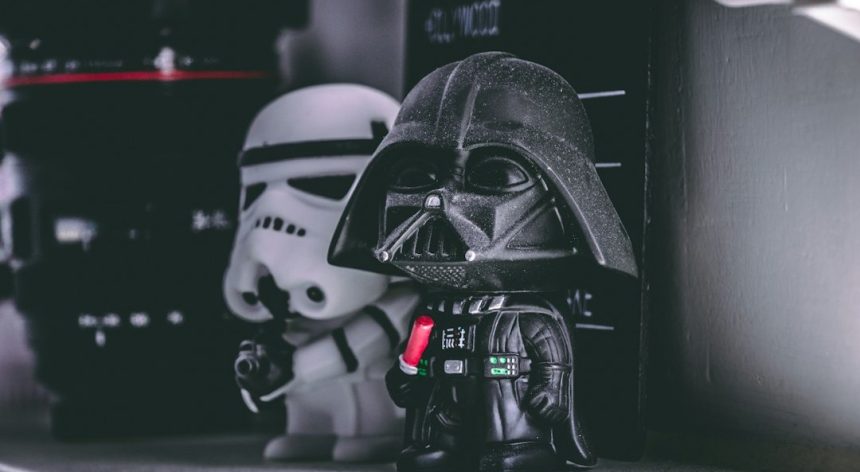
The toy company that eventually landed the license wasn’t chasing a sure thing either. Kenner’s president read about Star Wars in a trade magazine, and though he hadn’t seen the movie, he had what colleagues called a golden gut, an uncanny sense for what would sell. That instinct, more than any market research, is what got the deal done.
The financial terms were startlingly small for what followed. Lucas eventually sold the toy merchandising rights to his movie to Kenner, which at the time was a division of cereal maker General Foods, in advance of the film opening for a flat fee of $100,000. With limited options, Lucas had little room to negotiate and therefore accepted the terms put forward, receiving only five cents for every dollar of toys sold indefinitely, provided Kenner paid at least $10,000 in royalties to Lucas. It was a modest arrangement that nobody expected to matter much.
When the toys weren’t ready for Christmas

Confidence turned into panic fairly quickly once the film actually opened. Talk was cheap, and pretty soon it became apparent to Kenner that the company would be unable to meet the Christmas 1977 deadline to produce the first batch of toys, so Kenner got crafty, and instead of finding toys under the tree, kids around the country found themselves unwrapping an I.O.U. The demand had simply outpaced anything the toy industry had planned for.
The scale of the shortfall says a lot about how unprepared everyone was. By the time the ink dried on that merchandising deal, Star Wars was only a month away from theaters. Designers scrambled with whatever materials were on hand, including repurposed parts from other toy lines that had nothing to do with space adventures.
The early bird certificate that saved the season

Kenner’s improvised solution became almost as famous as the toys themselves. Some marketing genius came up with the idea of selling a Star Wars Early Bird Certificate Package, a nearly empty box with a certificate entitling the bearer to have action figures of Luke Skywalker, Princess Leia, R2D2, and Chewbacca shipped to them between February 1st and June 1st the following year. Parents bought it anyway, because there was nothing else to buy.
The gamble worked despite plenty of public grumbling. Despite some outcry over Kenner’s failure to deliver the toys in a timely manner, certificates had sold out in stores all over New York and Chicago a week prior to Christmas, and in January 1978, Kenner began shipping out the toys as promised. By the time the actual figures arrived, demand had only grown.
The numbers that stunned Hollywood
Once the toys hit shelves, the sales figures made it obvious this was not a normal licensing arrangement. Kenner sold 40 million Star Wars toys during that first calendar year, representing $100 million in revenue. That single year of toy sales matched the entire flat fee Kenner had originally paid for the rights many times over.
The long term totals are almost hard to process by comparison. In just one year, Kenner sold $100 million worth of Star Wars toys, and four decades later, sales of the franchise’s merchandise reached $12 billion. The $20 billion in merchandise sold through the film series reveals the resonance of a simple good versus evil story, along with the mastermind brushstrokes of the filmmaker.
Renegotiating a deal that no longer made sense
Once the scale of the mistake became clear, both sides moved to fix it. Two years into this massive success, Lucas grew impatient enough with his merchandising deal to push for renegotiations, and the resulting contract allowed Kenner to hold onto Star Wars’ exclusive rights in perpetuity as long as they produced enough merchandise a year to pay Lucasfilm $10,000 in royalties. It was a modest improvement, but not the full reset Lucas wanted.
Lucas applied similar pressure to Fox directly when it came time to make the sequel. The deal offered to Fox was that they would get distribution rights theatrically and on video around the world for seven years, while Lucas retained everything else, and by the way, he wanted the merchandising back. Fox had started with the merchandising in that first year or two and did very well too, but Lucas wanted it back as of the time of Empire.
A template other franchises would copy
Kenner’s success didn’t stay contained to one company for long. Competitors watched closely and adjusted their entire business strategy around what had just happened. New competition from G.I. Joe, Transformers, and He-Man, all of whom had learned from Kenner’s example, cashed in on merchandise big time as the initial demand slowed to a trickle by the mid 1980s.
The ripple effects extended well beyond toy aisles. The toy industry itself changed forever, and any potential blockbuster movie would now have licensing deals lined up and toys on the shelves by its premiere date. Studios that once treated merchandise as an afterthought began building it into film budgets and release schedules from the start.
The legacy that still shapes blockbusters today
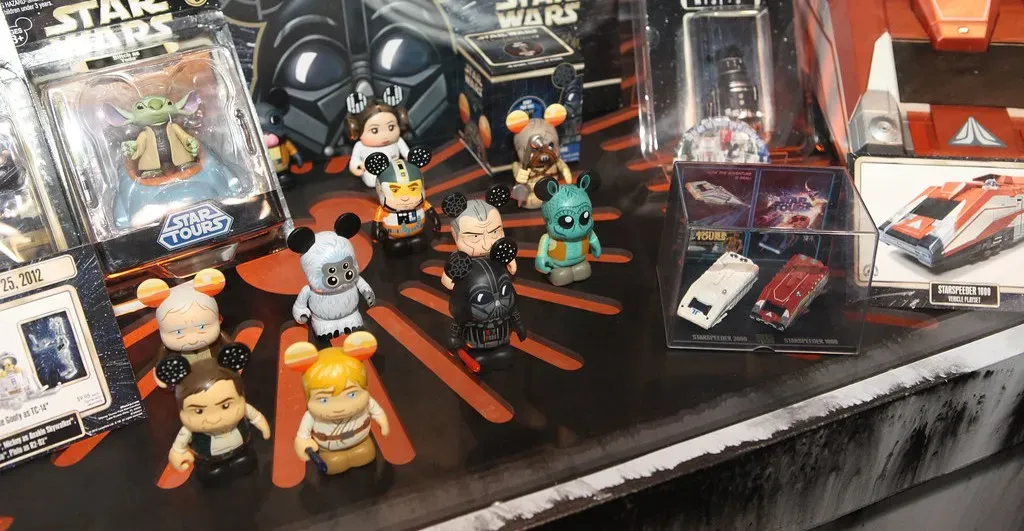
The Star Wars merchandising story didn’t just make one director wealthy, it rewired how the entire film business thinks about ancillary revenue. While the movies have been lucrative, it is the licensing and merchandising that has brought a bonanza. Every major franchise release since has followed some version of the same playbook, lining up toy partners, apparel deals, and collectibles months before a single ticket sells.
The scale of that shift is easy to see in current industry projections. Today, almost every blockbuster premieres with a supporting range of merchandise to market, and by the end of 2025, the market is forecast to be worth $33.8 billion. What started as a $100,000 afterthought clause became the financial backbone of modern film franchising.
Final thoughts
What makes this story stick isn’t just the size of the numbers, though those are hard to look past. It’s the fact that neither side fully understood what they were signing. Fox saw a cheap concession to a director asking for something odd. Kenner saw a risky bet on an unproven space film nobody at the company had even watched. Lucas saw, or at least sensed, something closer to the truth: that the toys, lunchboxes, and figures might end up mattering more than the ticket sales ever could. Decades later, that mismatch between what everyone assumed and what actually happened remains one of the clearest examples of how little anyone in Hollywood can predict what audiences will actually want to take home with them.