A name on a book cover is a promise of sorts. It tells readers what to expect, and sometimes the writer would rather not make that promise. Over the past two centuries, plenty of famous authors have stepped behind another name to dodge prejudice, test the market, or simply write something different.
Some of those disguises lasted decades. Others fell apart within months. Here are seven writers whose pen names changed how their work was read.
J.K. Rowling as Robert Galbraith
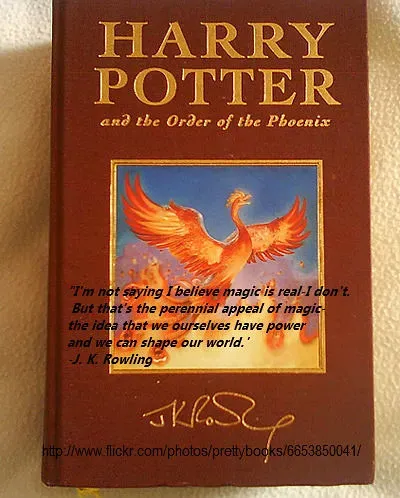
After Harry Potter made her one of the best known authors alive, Rowling wanted to try crime fiction without the weight of her own fame. In 2013 she published The Cuckoo’s Calling as Robert Galbraith, a former military policeman turned private investigator in the author’s biography. The book sold modestly at first and drew gentle praise from critics.
That anonymity did not last long. The Sunday Times reported in July 2013 that Rowling was the real author, and sales jumped dramatically once the news spread. She kept the Galbraith name anyway, and the Cormoran Strike series has continued into the 2020s, including the 2025 novel The Hallmarked Man. The books have also been adapted for television.
Stephen King as Richard Bachman

King began publishing as Richard Bachman in the late 1970s, starting with Rage in 1977. The reasoning was practical. Publishers at the time believed a writer should release only one book a year, and King was writing faster than that.
Bachman got a fake biography and a separate author photo, and the books were darker and bleaker than King’s usual work. The cover was blown in the early 1980s when a Washington bookstore clerk named Steve Brown noticed similarities in style and checked copyright records. King acknowledged the connection in 1985, when The Bachman Books collected four of the early novels.
Agatha Christie as Mary Westmacott
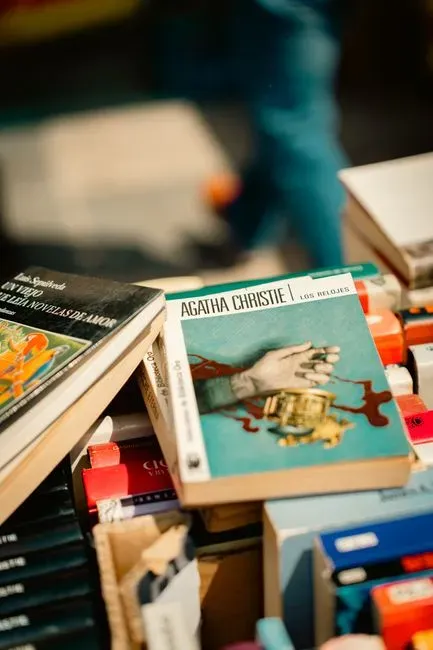
Christie was synonymous with detective fiction, so she took a different name for something quieter. Between 1930 and 1956 she wrote six romantic novels as Mary Westmacott, beginning with Giant’s Bread. Westmacott was built from her own middle name and a family name.
She kept the secret for roughly twenty years. A journalist and a literary sleuth finally connected the two names around 1949, and Christie confirmed it. She later said the Westmacott books were the ones she felt most personally satisfied by, according to her autobiography.
Nora Roberts as J.D. Robb
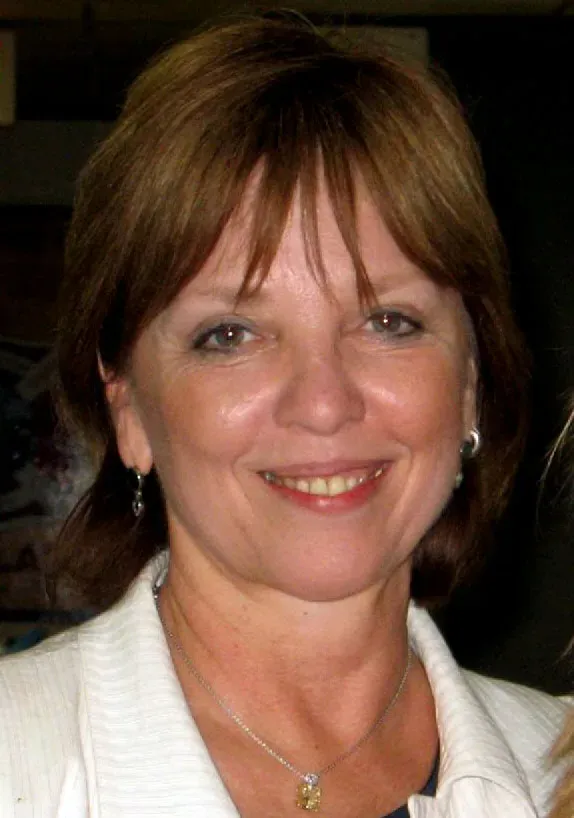
Roberts is among the most prolific romance writers in the world, yet she wanted a clean break for her futuristic crime stories. The In Death series launched in 1995 with Naked in Death under the name J.D. Robb. The initials stand for her sons’ names, Jason and Dan, plus her own last name.
Partner offer
For a while the arrangement was a quiet one, and the publisher did not hide the link for long. By the late 1990s readers knew the two names belonged to one writer. The series has since grown past fifty novels, and new installments keep arriving every year.
Mary Ann Evans as George Eliot
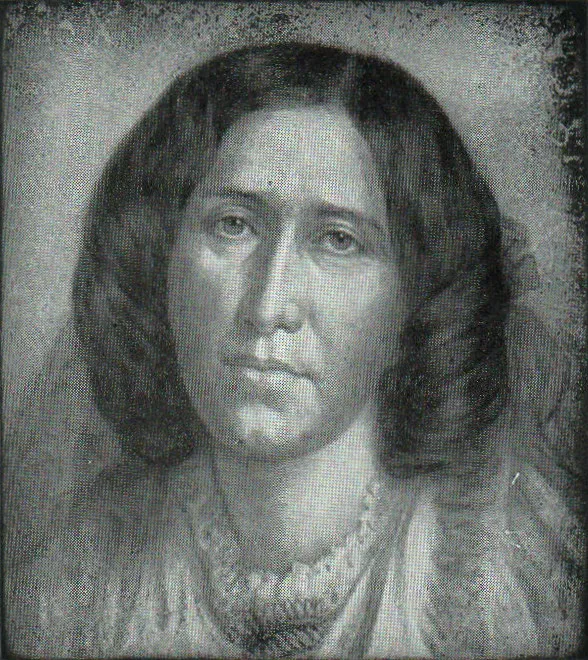
Mary Ann Evans chose a male name in 1850s England because she feared her fiction would be dismissed as lightweight if it carried a woman’s name. She also lived openly with the critic George Henry Lewes, who was married to someone else, which made a private identity all the more useful. Her first fiction, Scenes of Clerical Life, appeared in 1857 under the name George Eliot.
Speculation about who the writer really was grew with the success of Adam Bede in 1859. Evans eventually revealed herself, but she kept the pen name for the rest of her career. Middlemarch, published in installments in 1871 and 1872, is still often ranked among the great English novels.
Charlotte Brontë as Currer Bell
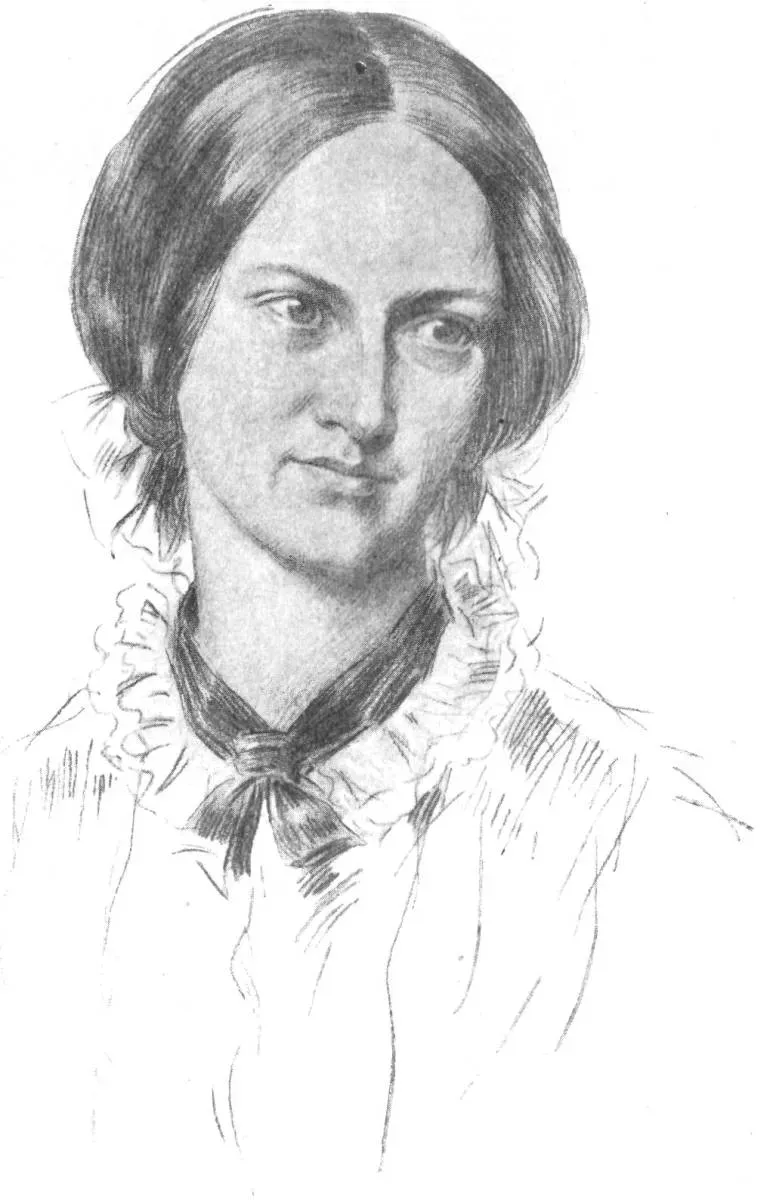
When Charlotte Brontë and her sisters Emily and Anne published their work in the 1840s, they used the names Currer, Ellis and Acton Bell. They kept their initials and chose names that did not announce their sex. Charlotte later explained that they suspected women writers would be judged unfairly.
Jane Eyre appeared in 1847 as the work of Currer Bell and became a sensation almost immediately. The mystery over the author’s identity only fed public curiosity. Charlotte traveled to London in 1848 to meet her publisher in person, partly to settle confusion about whether the Bells were one person or several.
Samuel Clemens as Mark Twain
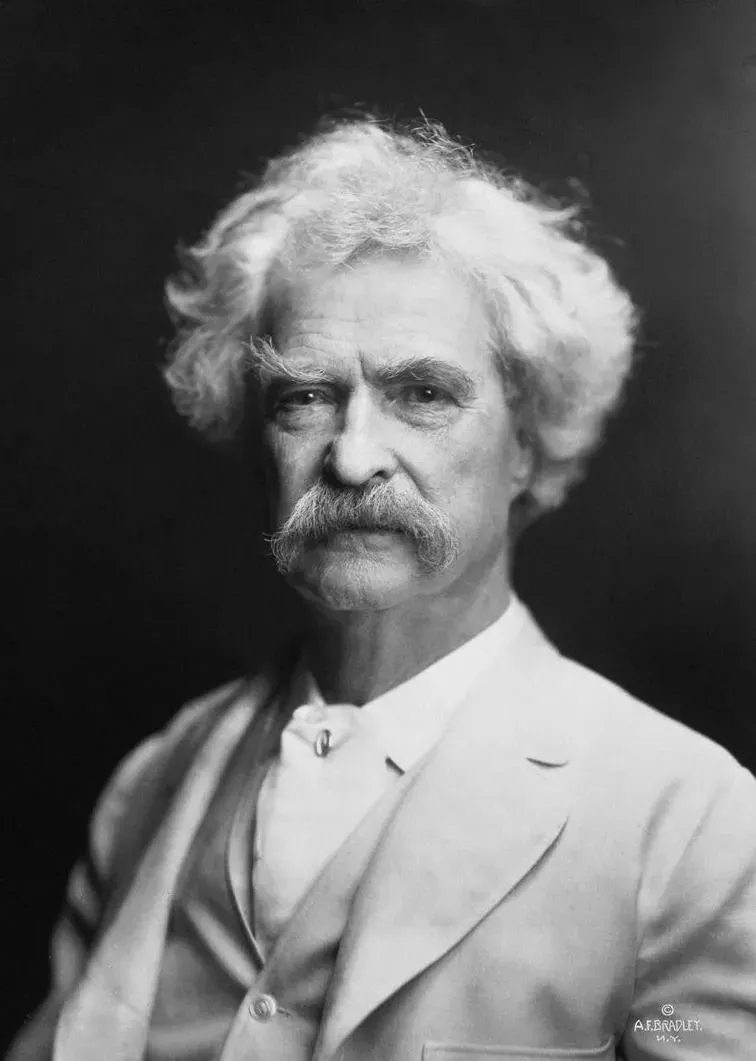
Clemens first signed a piece as Mark Twain in 1863, while working as a newspaper writer in Nevada. The term comes from Mississippi riverboat language, where it marked a water depth of two fathoms. He had worked as a riverboat pilot before turning to writing.
Unlike some of the others on this list, Twain never really hid behind his pseudonym. It became his public identity, and readers around the world knew him by it. Books such as The Adventures of Tom Sawyer in 1876 and Adventures of Huckleberry Finn in 1884 carried the name, while the man named Clemens mostly stayed in the background.
Why Writers Still Use Pen Names
The reasons have shifted a little since the Victorian era, though not entirely. Authors today often use separate names to move between genres, so a reader picking up a thriller is not surprised by a romance. Publishers also value this separation because bookstores and online retailers recommend titles based on an author’s past sales.
Pen names continue to appear in contemporary publishing, from celebrity crime writers to novelists reinventing themselves after a weak sales record. Secrecy rarely lasts in the modern media climate, as the Rowling case showed. The name itself, however, often survives long after the mystery is gone.
Partner offer
Planning a trip to Vegas?
Compare hotel rates and show tickets on VEGAS.com.