There’s a tidy myth that a book deal ends the office life. The writer signs, the advance lands, and the desk job becomes a memory. For many of literature’s best known names, the real story ran differently.
Some stayed at their jobs for practical reasons, and some simply liked the work. A few said the routine fed their writing. Here are eight authors who kept their day jobs long after their names were in print.
Franz Kafka
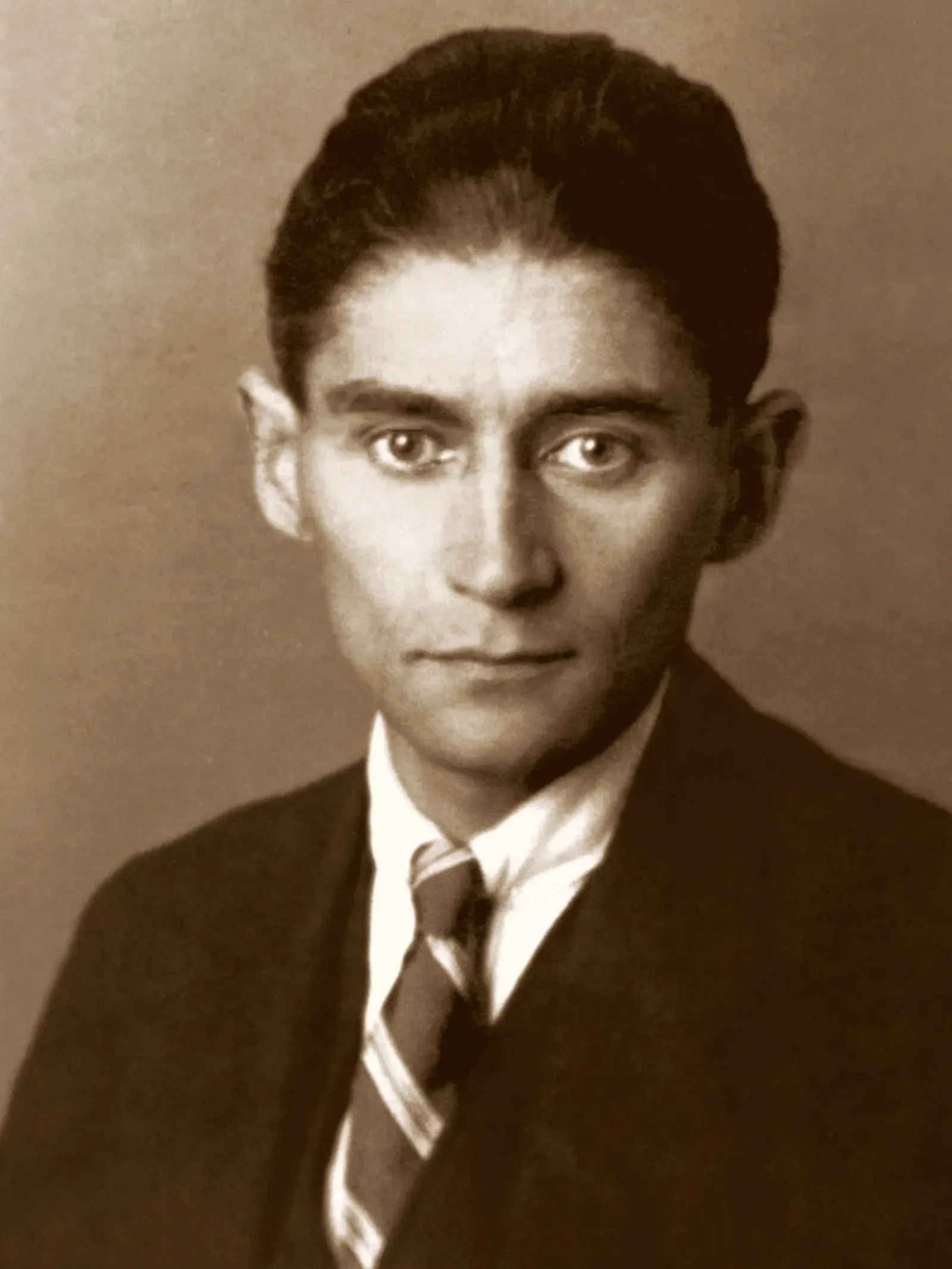
Kafka spent most of his working life at the Workers’ Accident Insurance Institute for the Kingdom of Bohemia in Prague. He joined in 1908, and he was still employed there when “The Metamorphosis” appeared in 1915. His job involved assessing industrial injury claims and risk, which gave him a close look at bureaucracy.
He wrote at night, often in short, intense bursts. Tuberculosis forced him into retirement from the Institute in 1922. He died in 1924, and most of his best known novels were published after his death.
T.S. Eliot
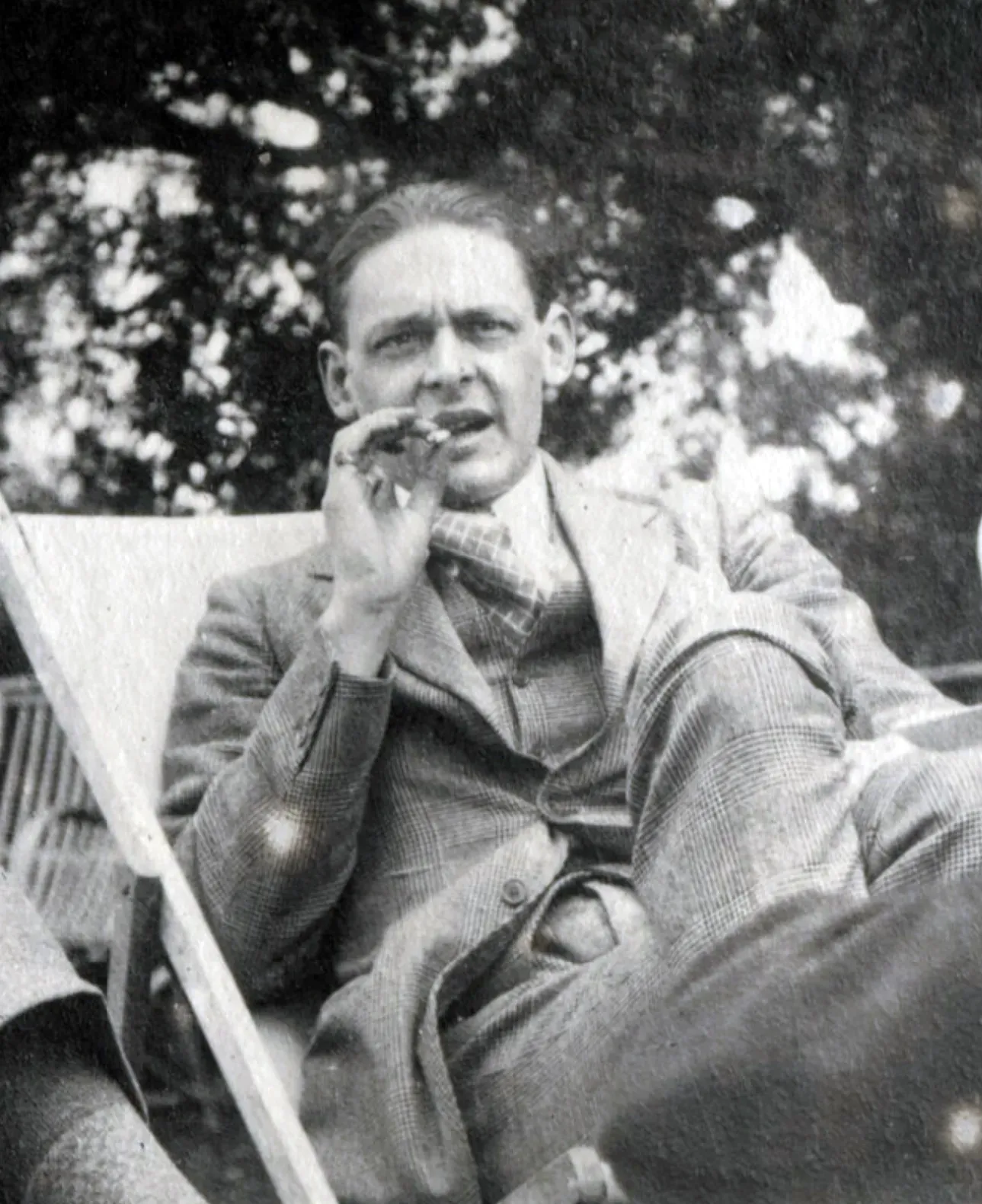
Eliot worked at Lloyds Bank in London from 1917, mainly in the department that handled foreign accounts. He kept the job while publishing his early poems and while “The Waste Land” came out in 1922. Colleagues knew him as a reliable clerk, even as his reputation grew in literary circles.
He left the bank in 1925 and moved into publishing at Faber and Gwyer, which became Faber and Faber. He stayed there as an editor and director for the rest of his life, until his death in 1965. So he swapped one day job for another rather than leaving the workforce.
Wallace Stevens
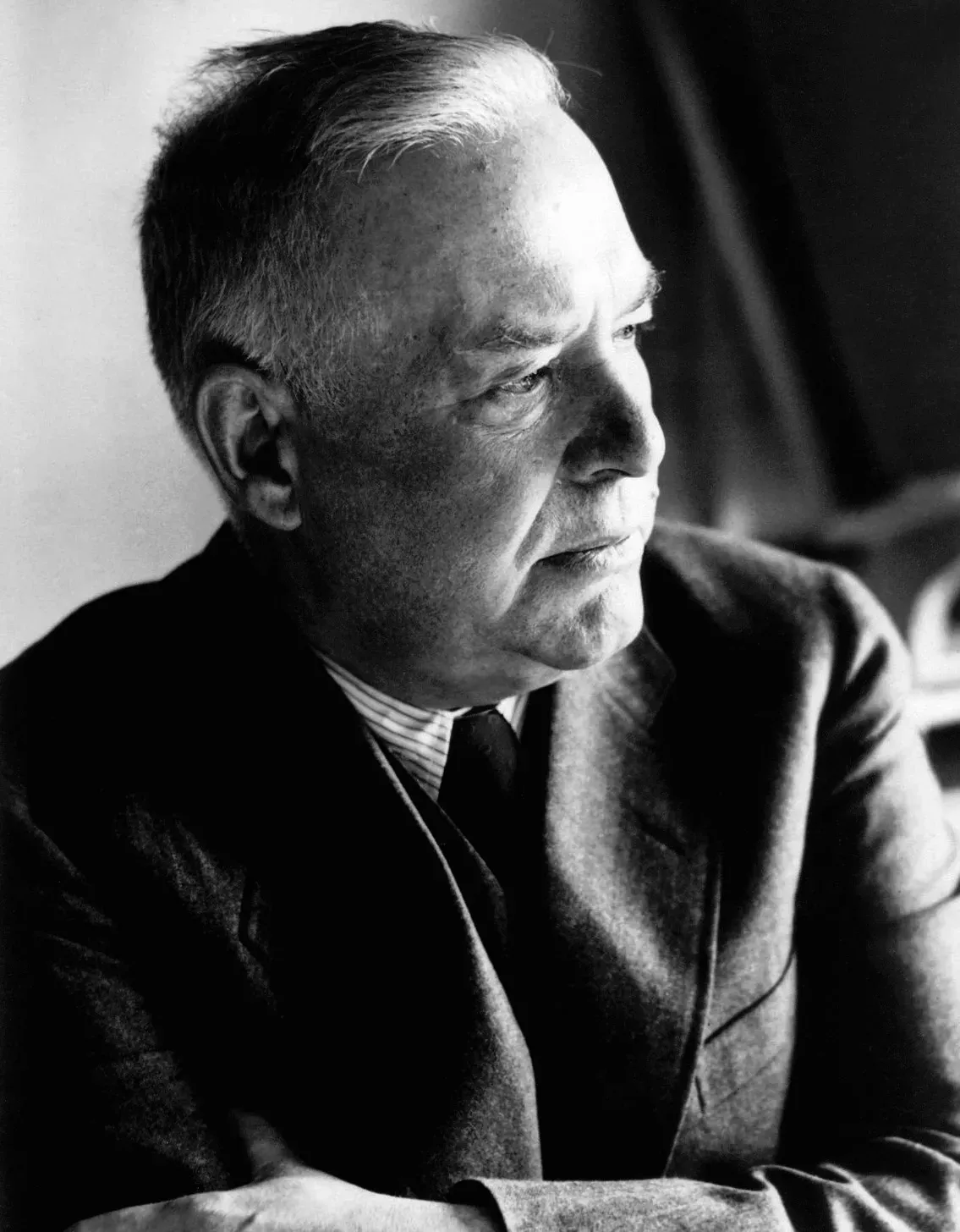
Stevens was a lawyer who joined the Hartford Accident and Indemnity Company in Connecticut in 1916. His first collection, “Harmonium,” appeared in 1923, and he kept working at the insurer afterward. He became a vice president in 1934.
He reportedly composed poems while walking to the office. He never retired from the company, working there until he died in 1955. That same year he won the Pulitzer Prize for his collected poems.
William Carlos Williams
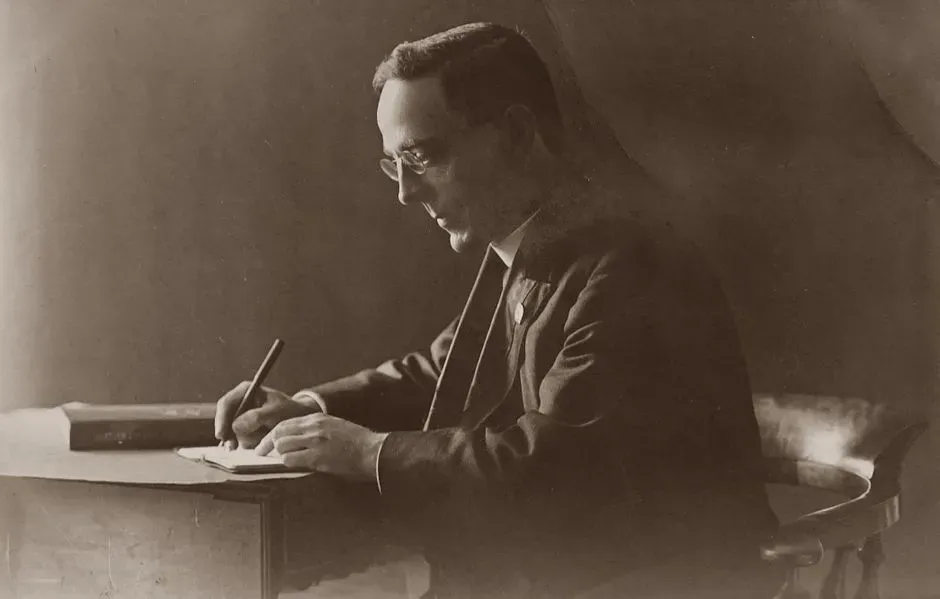
Williams was a physician in Rutherford, New Jersey, and he practiced medicine for decades while building a major poetic career. He saw patients and delivered babies, then wrote between appointments and late at night. Many of his poems drew directly on what he saw in his community.
Partner offer
Health problems, including strokes, eventually curtailed his practice in the 1950s. He kept writing, though, and his collection “Pictures from Brueghel” won the Pulitzer Prize for poetry in 1963, after his death. His medical career and his literary one ran side by side for most of his adult life.
Philip Larkin
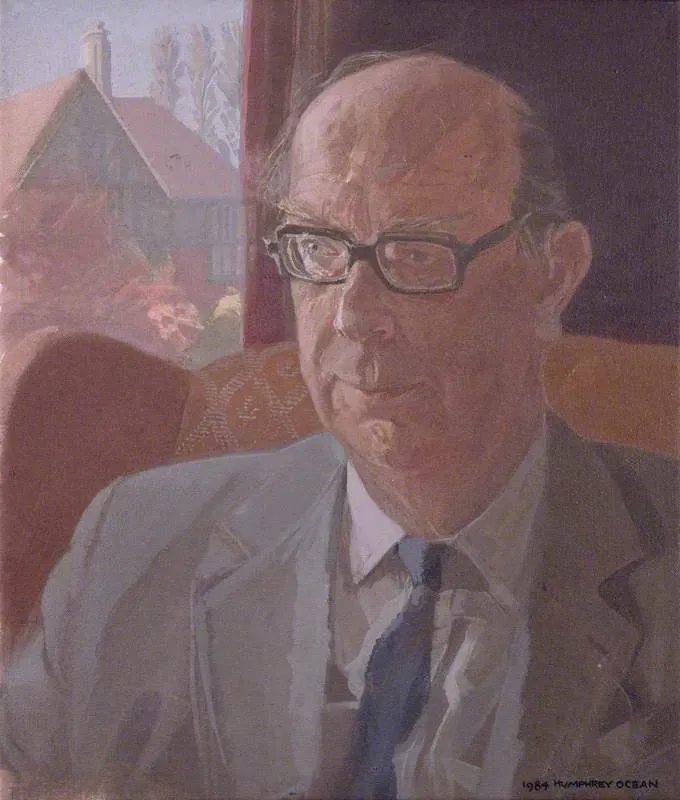
Larkin became a librarian by profession, and he took the post of university librarian at Hull in 1955. That was the same year his collection “The Less Deceived” appeared and brought him wider notice. He remained at Hull until his death in 1985.
He oversaw the building of a new library there and ran it for three decades. Even as one of Britain’s best known poets, he treated the library as a serious job. It gave him steady income and a structure he seemed to value.
Anthony Trollope
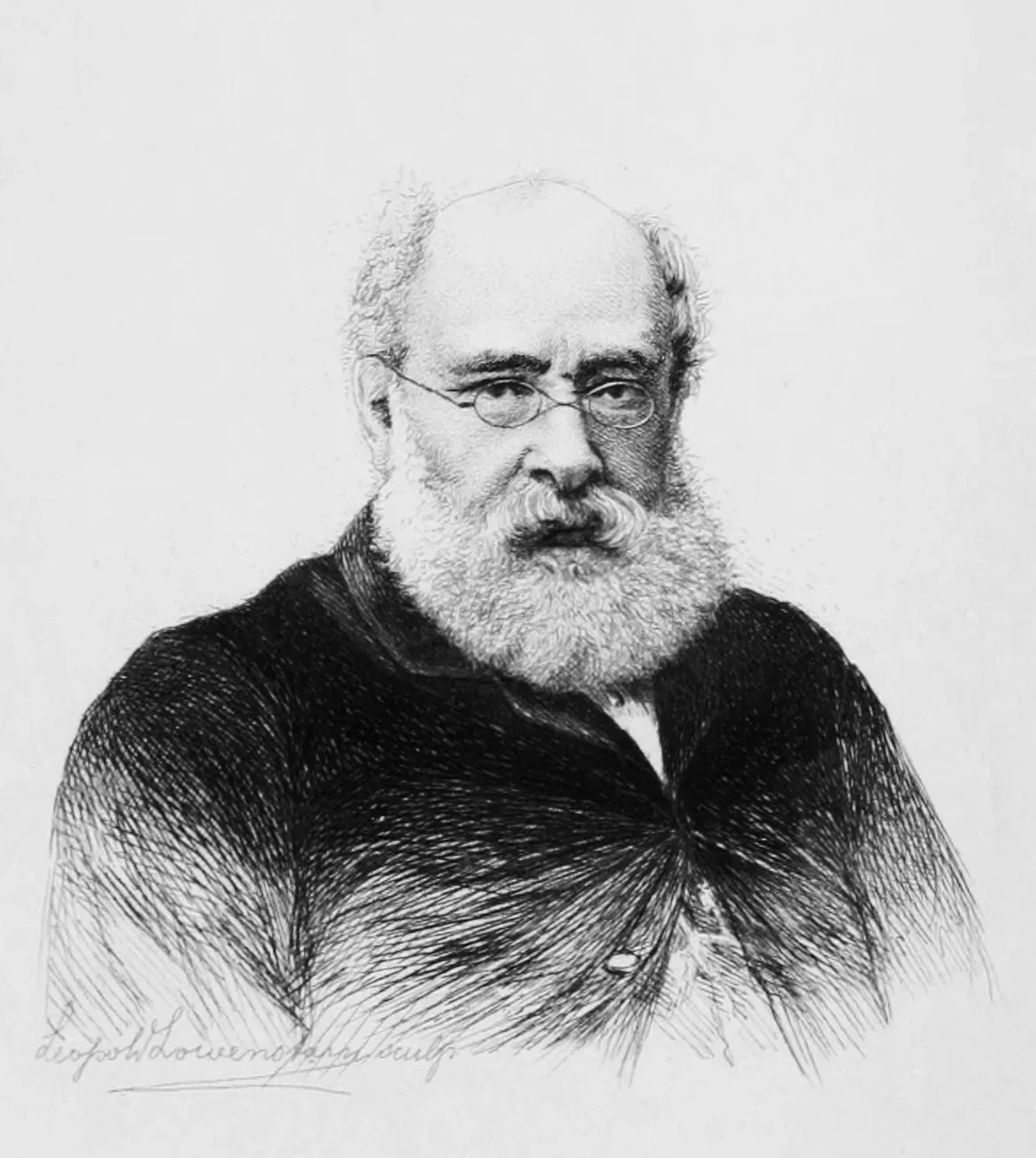
Trollope worked for the British Post Office from 1834 until 1867, a career that overlapped with most of his early publishing success. “The Warden” appeared in 1855, and he went on to write the Barsetshire novels while still on the payroll. His postal duties took him around the British Isles and abroad, and he reportedly wrote on trains and ships.
He is also credited with helping introduce the pillar box in Britain, after seeing the idea in use elsewhere. He resigned from the Post Office in 1867. By then he had published a large number of novels, and he kept writing for the rest of his life.
Toni Morrison

Morrison worked as an editor at Random House, starting in the late 1960s. She published her first novel, “The Bluest Eye,” in 1970, while she was still working there. “Song of Solomon” followed in 1977, and she continued editing alongside her own writing.
At Random House she championed work by Black authors, including Toni Cade Bambara and Angela Davis. She left the publisher in 1983 to concentrate on her own books and teaching. She won the Nobel Prize in Literature in 1993.
Primo Levi
Levi trained as a chemist and, after surviving Auschwitz, returned to Italy and took work in industry. His memoir “If This Is a Man” was first published in 1947, with a wider audience reached later. He worked at SIVA, a paint and chemical company near Turin, and eventually became its general manager.
He kept that role while publishing books such as “The Periodic Table.” He retired from the factory in 1977 to write full time. His scientific career shaped much of his prose, which is noted for its clarity and precision.
Partner offer
Planning a trip to Vegas?
Compare hotel rates and show tickets on VEGAS.com.