
An Academy Award looks like a prize you’d own outright, the way you own a medal or a trophy from a local race. Legally, it’s closer to a long-term loan with strings attached. The people who hand them out have thought hard about what happens when one leaves the mantel.
The short version involves a one dollar price tag, a stack of paperwork and a few court fights. Those fights show how far the rule reaches and where it stops.
The Academy Gets First Refusal

The Academy of Motion Picture Arts and Sciences has strict rules about its statuettes, and winners can’t sell an Oscar without first offering to sell it back to the Academy for $1. That is the core of the whole system. Nothing else in the process happens until that offer is made.
If the Academy takes the deal, the statuette goes home for a dollar. If it doesn’t, the Oscar can then be sold on the open market. In practice, the Academy has every reason to accept.
What the Official Wording Says
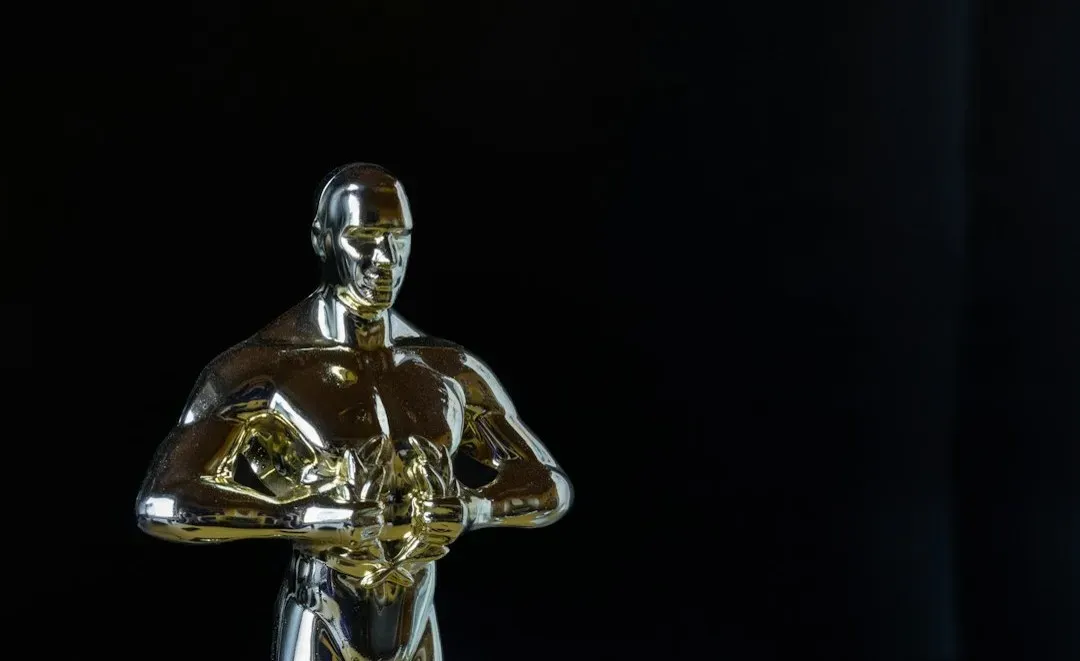
The language comes straight from the Academy’s own regulations. Winners may not sell or otherwise dispose of the statuette, or let it be sold by operation of law, without first offering it to the Academy for the sum of $1.00. The phrase about operation of law matters, because it covers situations like a court-ordered sale of a person’s assets.
The rules also deal with ownership of the design itself. Honorees have no rights in the Academy’s copyright or goodwill in the statuette, or in its trademark and service mark registrations. So a winner holds the object, but not the brand it carries.
Where the Rule Came From

The provision dates to the early 1950s. The Academy introduced an early form of it in 1951, though the buyback price was initially ten dollars. The price was later dropped to a single dollar.
The goal was to keep Oscars from turning into ordinary merchandise. The move was designed to protect each statuette from diminishing in value for future recipients, or from being traded or hoarded by fans or film buffs. Put simply, the Academy wanted the award to signal merit, not purchasing power.
Heirs Are Covered Too

Dying doesn’t free an Oscar from the rule. The provision applies to heirs and assigns who acquire a statuette by gift or bequest. A grandchild who inherits one faces the same first offer to the Academy as the winner did.
That detail shows up in the biggest disputes. Many of the contested statuettes were put up for sale by relatives, not the original winners.
The Contract Winners Sign

The rule isn’t just a policy posted on a website. Winners have to sign a contract before taking possession of their statuette. That signed agreement is what gives the Academy something enforceable in court.
Partner offer
The timing of that contract explains why older awards are murkier. Since 1950, all Oscar recipients have had to sign an agreement giving the Academy first right of purchase for the nominal fee. Anyone who won earlier may never have signed anything.
The Joseph Wright Case

The clearest test came from a 1942 award. Joseph C. Wright won for color art direction on My Gal Sal, and his nephew auctioned the statuette in Rhode Island in June 2014. The auction house argued that the restriction didn’t apply to awards from before 1950.
The Academy sued, and it won. A Los Angeles court sided with the Academy because Wright had kept his membership current through 1951. The statuette had passed to the memorabilia dealer Nate D. Sanders, who bought it from Briarbrook Auctions for $79,200.
The Orson Welles Exception

Orson Welles’ Oscar for Citizen Kane went differently. One earlier auction featured it as a centerpiece, but it was withdrawn when the Academy exercised its right to buy it back for $1. The matter didn’t end there.
Later, Welles’ heir successfully obtained the right to sell the statuette after arguing that Welles never agreed to the provisions. It sold for $861,542 in 2011. The argument turned on a rule that arrived after Welles won, and on what his family had or hadn’t signed.
What an Oscar Costs to Make
The dollar figure looks absurd next to production costs. Each statue costs only around four hundred dollars to make, yet the right one could become a six figure collectible. Scrap value estimates, from WalletHub and Money.com calculations, land between roughly four hundred and six hundred fifty dollars.
Pre-1950 awards remain the main exceptions on the market. A Gone With the Wind Oscar awarded to producer David O. Selznick sold in 1999 at a record price for any Oscar. Courts have still backed the Academy in several challenges to sales of awards.
How Other Awards Compare

The Oscars aren’t alone in doing this. The Tony Awards have a similar rule, but winners who want to sell must first offer the trophy to Tony Award Productions for ten dollars.
The Emmys take a different route. The Television Academy lends a copy of the Emmy statuette to the qualifying artist honoree. When an honoree dies, heirs may keep a copy to symbolize the deceased person’s achievements.
Where the Rule Stands Today

The right of first refusal remains in the Academy’s published rules, and coverage of the 2026 ceremony described it as still in force. The rule, implemented in 1951, applies to winners and their heirs alike.
For a modern winner, the path is simple. Offer the statuette to the Academy for one dollar, and only if the Academy declines can a sale go ahead.
Partner offer
Planning a trip to Vegas?
Compare hotel rates and show tickets on VEGAS.com.