A movie star’s paycheck is usually pictured as a big number on a contract. Some of the most famous deals in film history were built on the opposite idea, where the star accepted less money up front or none at all in exchange for a slice of what the movie earned.
The practice has a clear starting point, a few memorable turning points, and a mixed record. Here is how it developed, how it works, and where it stands as of 2026.
The Studio Era Left Little Room to Bargain

For much of Hollywood’s golden age, major actors were employees. They signed long term contracts with a single studio, took a weekly wage, and went where they were assigned. Profit was the studio’s business, not theirs.
That arrangement began to loosen after the late 1940s. A 1948 Supreme Court ruling in the Paramount case forced the big studios to separate film production from theater ownership, which weakened the system that had held talent in place. Over the following years, stars and their agents had more freedom to negotiate project by project.
James Stewart and the Winchester ’73 Deal

The deal most often cited as the first big modern example is James Stewart’s arrangement for the 1950 western Winchester ’73. Stewart, working with agent Lew Wasserman, reportedly agreed to take a percentage of the film’s profits rather than a standard salary.
The film was a hit, and Stewart is widely reported to have earned far more than a salary would have paid him. Hollywood noticed. The deal showed that a star could be treated as a partner in the picture instead of as hired help.
Why a Star Would Give Up a Guaranteed Check

The trade is a gamble, and it works best when the star believes in the project and the project has real commercial potential. A fixed salary is certain money, while a profit share is only a promise that depends on how the film performs.
Producers like these deals for their own reasons. A well known star may be attached to a film whose budget can’t cover the actor’s usual fee, so the actor asks to be paid on the back end. That lowers the studio’s upfront risk and ties the star’s interest to the movie’s success.
Gross Points Versus Net Points

Not all profit shares are equal, and the wording of the contract matters a great deal. A share of gross revenue starts paying out from the first dollars that come in, usually after certain costs are subtracted. A share of net profit depends on the studio’s accounting, after expenses, fees, and overhead are deducted.
That distinction explains why top stars push for gross participation and why most others are offered net. Under Hollywood accounting, a film may never reach net profitability at all. Even so, because these payments are contingent, ten percent of nothing is nothing.
Marlon Brando, Superman, and the Blockbuster Era

By the late 1970s, the blockbuster had made participation deals even bigger. Marlon Brando’s role in the 1978 film Superman is a frequently cited case. He appeared in a relatively small part, and was reportedly paid a large fee plus a percentage of the film’s gross.
Partner offer
The deal became a template for how studios could lure major names to big franchise projects. Stars were no longer just paid for their time. They were being paid for the value their names added to the film.
Jack Nicholson and Batman Raised the Stakes
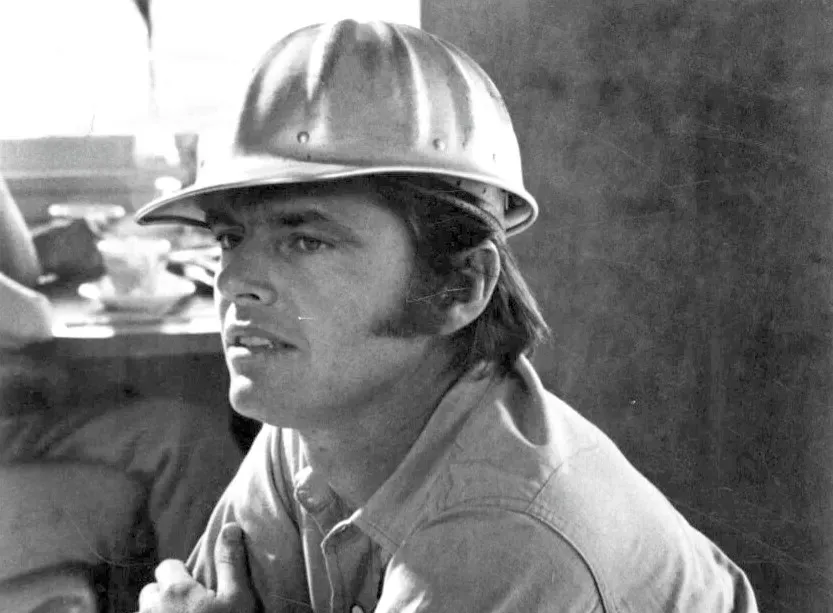
The 1989 film Batman is often held up as one of the richest examples. Jack Nicholson reportedly accepted a lower upfront salary in return for a share of the gross, and a stake in merchandising as well. Published estimates of his total earnings run well into the tens of millions of dollars, though the exact figure has never been confirmed publicly.
The film’s success made the arrangement look very smart in hindsight. It also showed younger stars and their representatives how much money could sit in a franchise’s long tail.
When Hollywood Accounting Turns a Hit Into a Loss

Profit shares have a darker side, because studios define profit. In the early 1990s, humorist Art Buchwald sued Paramount over the film Coming to America, which earned well over a hundred million dollars at the box office yet was reported as having no net profit. A California judge ruled that the contract’s terms were unconscionable, though the case ended in a settlement.
Forrest Gump became another well known example. Tom Hanks is widely reported to have taken a percentage of the gross and done very well. Meanwhile, the author of the novel, Winston Groom, was told the film had not made a net profit. The gap between those two outcomes taught Hollywood a lasting lesson about contract language.
Residuals Are Not the Same Thing

People often mix up profit participation with residuals, but they are separate. Residuals are payments mandated by the guilds for reuse of a work after its initial release, calculated by guild formulas. A profit share is a negotiated term in an individual contract.
Industry sources describe actors as generally having three income streams: minimum rates, profit participation, and residuals. Few performers ever negotiate the second one. Deadline has noted that the creator of a show can usually negotiate profit participation, while principal performers sometimes can.
Streaming Changed the Math

The rise of streaming made the old model harder to use. When a platform finances a film for its own service, there is often no box office and no meaningful third party revenue to participate in. Those deals tend to replace backend with a larger fixed fee, sometimes called a buyout.
Actors have felt the shift in residuals too. Programs licensed to streaming usually bring one large payment at the start of the license, so actors receive fewer residual payments per project. That was a central issue in the 2023 actors’ strike, which ended with an agreement that included a new viewership based streaming bonus.
Where Backend Deals Stand in 2026

Profit participation hasn’t disappeared. It remains a tool for top stars, directors, and producers, especially on theatrical releases where box office numbers are visible. A 2026 guide to screenplay deals still separates contingent compensation tied to revenue or profit from bonuses, which are fixed sums triggered by an event, and from guild residuals.
For most working actors, the guaranteed pieces carry more weight. Those guides point out that union set residuals are paid whether or not a film made money, while a points deal depends on the studio’s accounting. Streaming bonuses and negotiated fees now cover much of what a profit share once did.
Partner offer
Planning a trip to Vegas?
Compare hotel rates and show tickets on VEGAS.com.