Ask ten horror fans for a definitive list and you’ll get ten different answers. Some of that comes down to taste, and some to whether you value shock, atmosphere, or influence. Still, a handful of titles keep turning up in critics’ polls, film school syllabi, and late night rewatches.
The six films below aren’t ranked in any strict order. Each one changed how scary movies were made, or proved what the genre could do. Count how many you’ve seen as you go.
Psycho (1960)
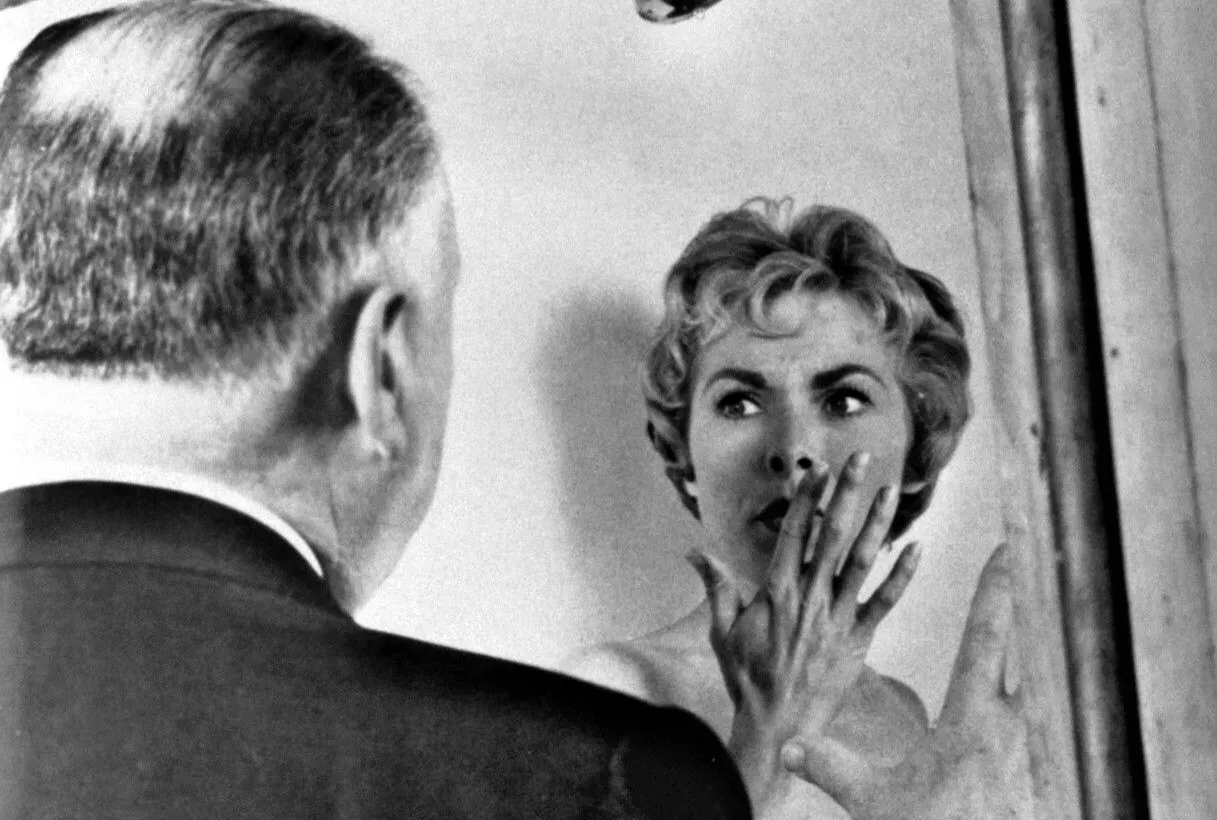
Alfred Hitchcock shot Psycho in black and white, partly to keep the violence from feeling too graphic. The story follows Marion Crane, played by Janet Leigh, who steals money and stops at the Bates Motel. Anthony Perkins gave Norman Bates a shy, unsettling charm that has been imitated for decades.
The shower scene is still one of the most studied sequences in cinema, helped by Bernard Herrmann’s shrieking string score. Leigh earned an Oscar nomination for supporting actress, and Hitchcock was nominated for best director. The film was chosen for the U.S. National Film Registry in 1992, which reflects its lasting cultural weight.
The Exorcist (1973)
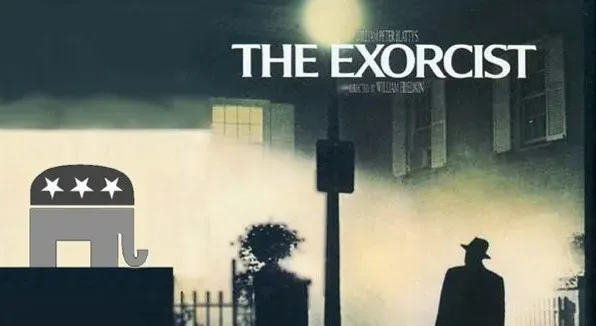
William Friedkin directed this adaptation of William Peter Blatty’s novel about a young girl, Regan, and the priests who try to save her. It played less like a monster movie and more like a family tragedy that turns terrifying. That grounded tone is a big reason it still works.
The film received ten Academy Award nominations, including best picture, which was a rare honor for horror at the time. It won two Oscars, for adapted screenplay and sound. The Library of Congress added it to the National Film Registry in 2010.
Halloween (1978)
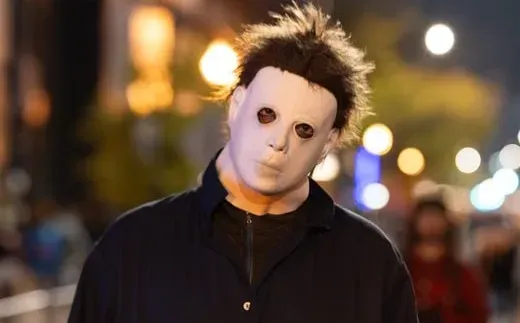
John Carpenter made Halloween on a very small budget, reportedly a few hundred thousand dollars. It introduced Michael Myers, a masked killer who stalks the quiet suburb of Haddonfield. Jamie Lee Curtis made her feature film debut as Laurie Strode.
Carpenter also composed the simple piano theme that became the film’s signature. His patient camera work makes ordinary streets and hedges feel dangerous. The film was selected for the National Film Registry in 2006, and its influence on the slasher boom of the 1980s is widely acknowledged.
Alien (1979)
Ridley Scott’s Alien sends the crew of a commercial spaceship into a deadly encounter with a creature that’s hard to see and harder to stop. It blends science fiction with haunted house tension. Sigourney Weaver’s Ellen Ripley became one of cinema’s best known heroines.
Swiss artist H.R. Giger designed the creature, giving it a look that felt both biological and mechanical. The film won the Academy Award for best visual effects. It joined the National Film Registry in 2002.
The Shining (1980)
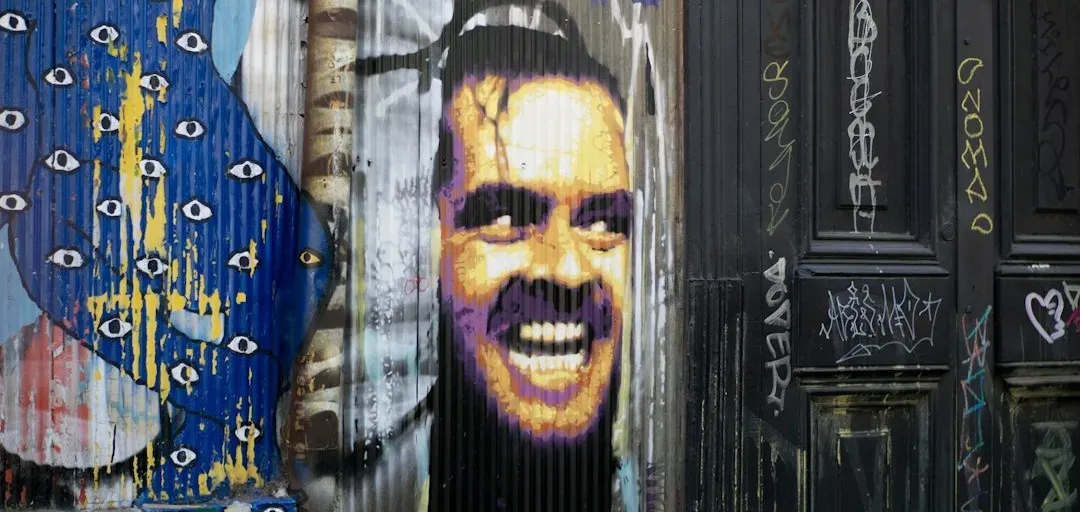
Stanley Kubrick adapted Stephen King’s novel about a writer who takes a winter caretaker job at the isolated Overlook Hotel. Jack Nicholson plays Jack Torrance, and Shelley Duvall plays his wife, Wendy. Kubrick relied on symmetrical framing, long hallways, and smooth Steadicam shots to create constant unease.
King has been openly critical of the adaptation, yet the film’s reputation has only grown over time. Viewers still debate its symbolism and details. It was added to the National Film Registry in 2018.
Night of the Living Dead (1968)
George A. Romero shot this film in Pennsylvania with a small independent budget and a mostly local cast. A group of strangers barricades itself in a farmhouse while flesh eating ghouls close in. It set many of the rules that later zombie stories followed.
Duane Jones took the lead role, and his casting was notable for its time. The bleak ending left a strong impression on audiences and critics alike. The film was selected for the National Film Registry in 1999.
Where to Start
If you’ve seen only a few of these, Psycho and Halloween are the easiest entry points because they’re short and tightly paced. The Exorcist and The Shining reward a slower, more patient viewing. Alien and Night of the Living Dead round out the set with science fiction dread and raw independent filmmaking.