Hollywood loves a comeback story, but it also has a long memory for failure. Sometimes a single movie turns into the headline of an actor’s career, whether it deserved to or not. The six names below all had a project that overshadowed what came before and after it.
The phrase “never recovered” is a strong one, and the truth is usually messier. Some of these actors kept working, and a few have been partly rehabilitated by time. Still, in each case one film changed the direction of a career, and that’s worth a closer look.
Elizabeth Berkley and Showgirls (1995)
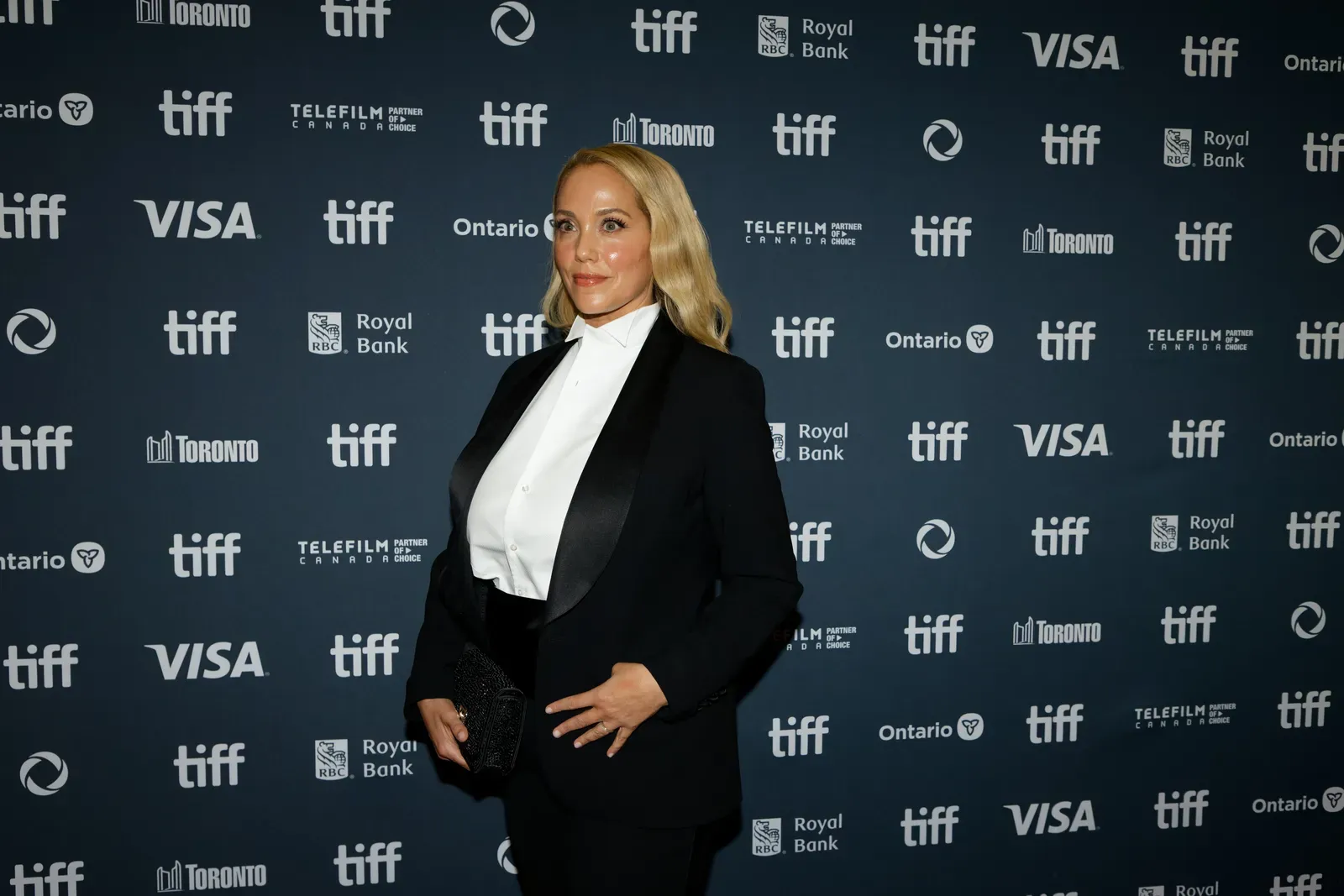
Berkley was best known as a teen star on Saved by the Bell when she took the lead in Paul Verhoeven’s Showgirls. The film was released with an NC-17 rating and was widely panned by critics. It also swept the Razzie Awards, and Berkley was among the winners, taking Worst Actress.
Her film career never became the leading-lady path many expected, and the film is often cited as the reason. She kept working in film and television, including Any Given Sunday and later the Saved by the Bell revival. Showgirls has since gained a cult following and some critical reappraisal, though that came long after the damage to her momentum.
Jake Lloyd and Star Wars: The Phantom Menace (1999)

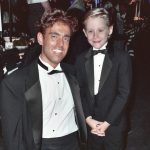
Jake Lloyd was a child actor, best known for Jingle All the Way, when he was cast as young Anakin Skywalker. The Phantom Menace was a huge box office hit, yet fans and critics were harsh on the prequels, and Lloyd became an easy target. He later stepped away from acting, and his film work after the early 2000s was minimal.
It’s fair to say his story is about more than one bad movie, since he was a child dealing with intense public scrutiny. His family has spoken publicly about his later mental health struggles. His case is a reminder of how much weight audiences can put on a kid’s shoulders.
Ahmed Best and Jar Jar Binks
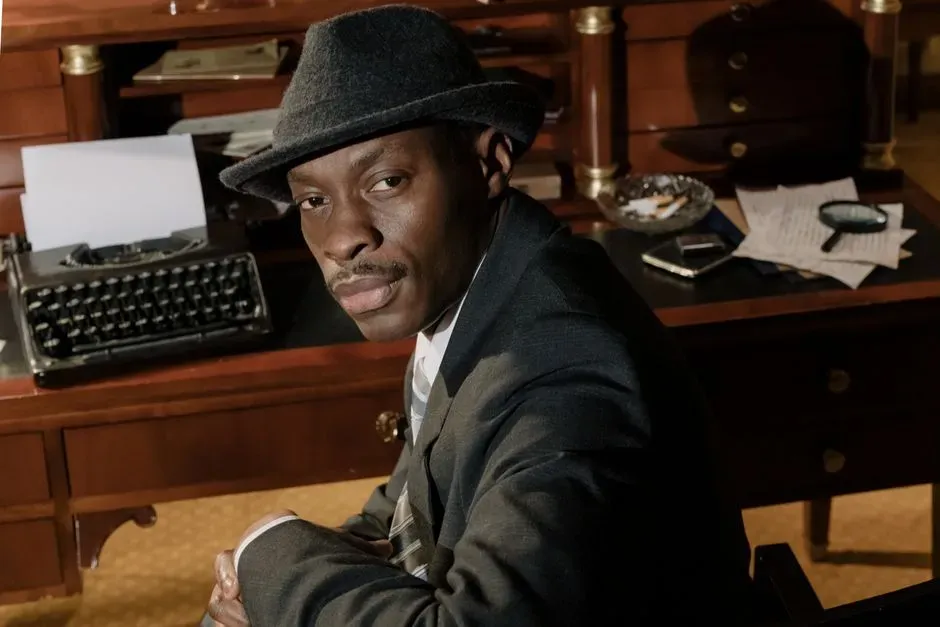
Best performed the motion capture and voice for Jar Jar Binks in the same film. The character was widely disliked by audiences, and Best took much of the blame personally. In 2018 he publicly said he had considered ending his life after the backlash, and that openness drew an outpouring of support.
Unlike the others here, Best has had a partial return. He hosted the Star Wars: Jedi Temple Challenge on Disney’s platform and later appeared as the Jedi Kelleran Beq in The Mandalorian. His recovery has been real, but it took more than two decades.
Mike Myers and The Love Guru (2008)
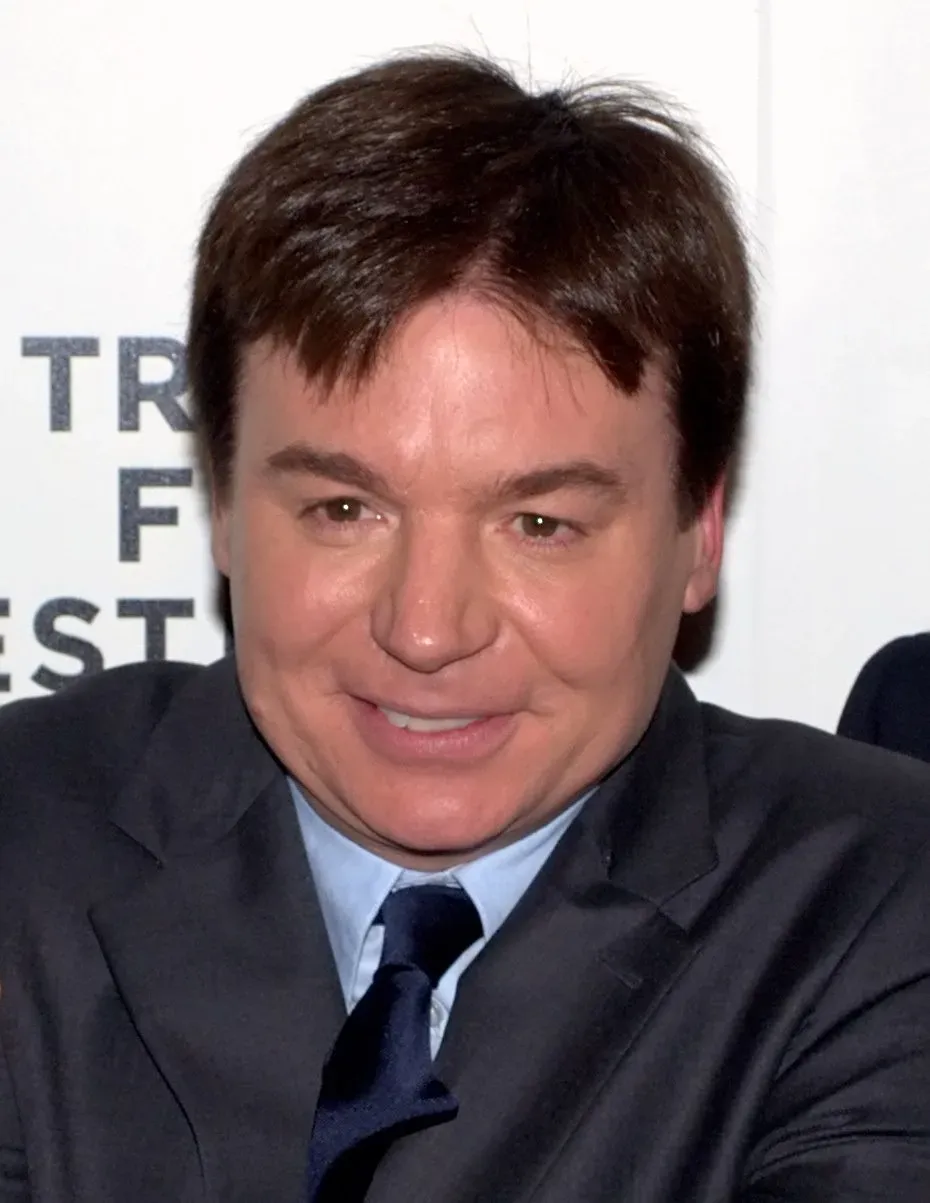
Myers was a comedy giant thanks to Wayne’s World and the Austin Powers films, plus the Shrek voice work. Then came The Love Guru, a comedy he co-wrote and starred in. It was savaged by critics, earned him a Razzie for Worst Actor, and fell well short of its budget at the box office.
After that, his live-action leading roles became rare. He mostly turned up in cameos and voice work, including a small part in Bohemian Rhapsody, and the 2022 Netflix series The Pentaverate. He’s still a respected name, yet he hasn’t regained his old status as a comedy headliner.
Cuba Gooding Jr. and the Boat Trip Era

Gooding won the Best Supporting Actor Oscar for Jerry Maguire in 1996, which made his later slide especially noticeable. Early 2000s comedies like Boat Trip and Snow Dogs were poorly reviewed, and Boat Trip in particular became a symbol of his decline. Many of his later roles were in low-budget or direct-to-video films.
No single movie fully explains it, but Boat Trip is the title most often used as shorthand. He did land a high-profile role as O.J. Simpson in The People v. O.J. Simpson, which earned him an Emmy nomination. That shows talent was never the issue, only the choices and the momentum.
Halle Berry and Catwoman (2004)
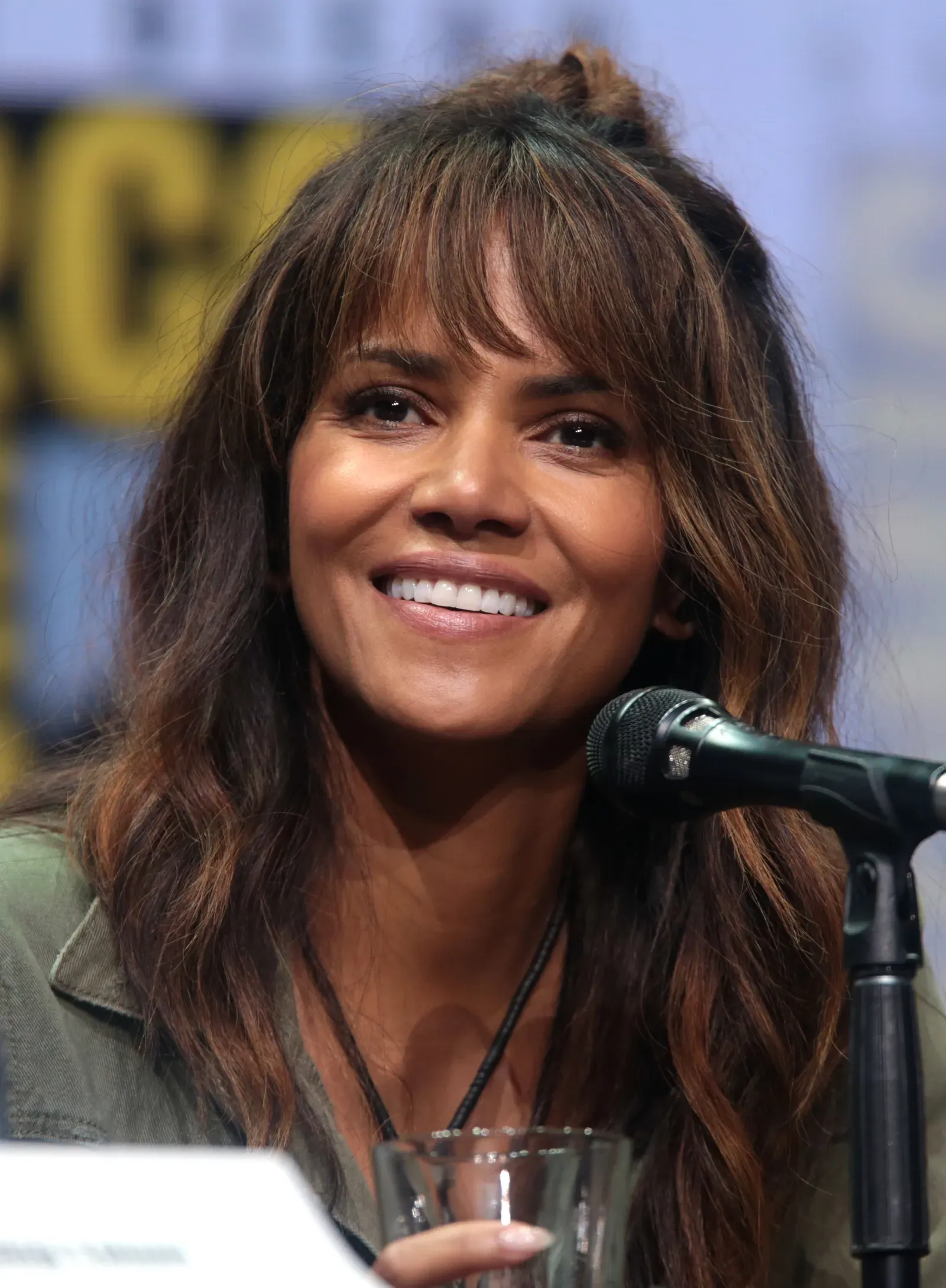
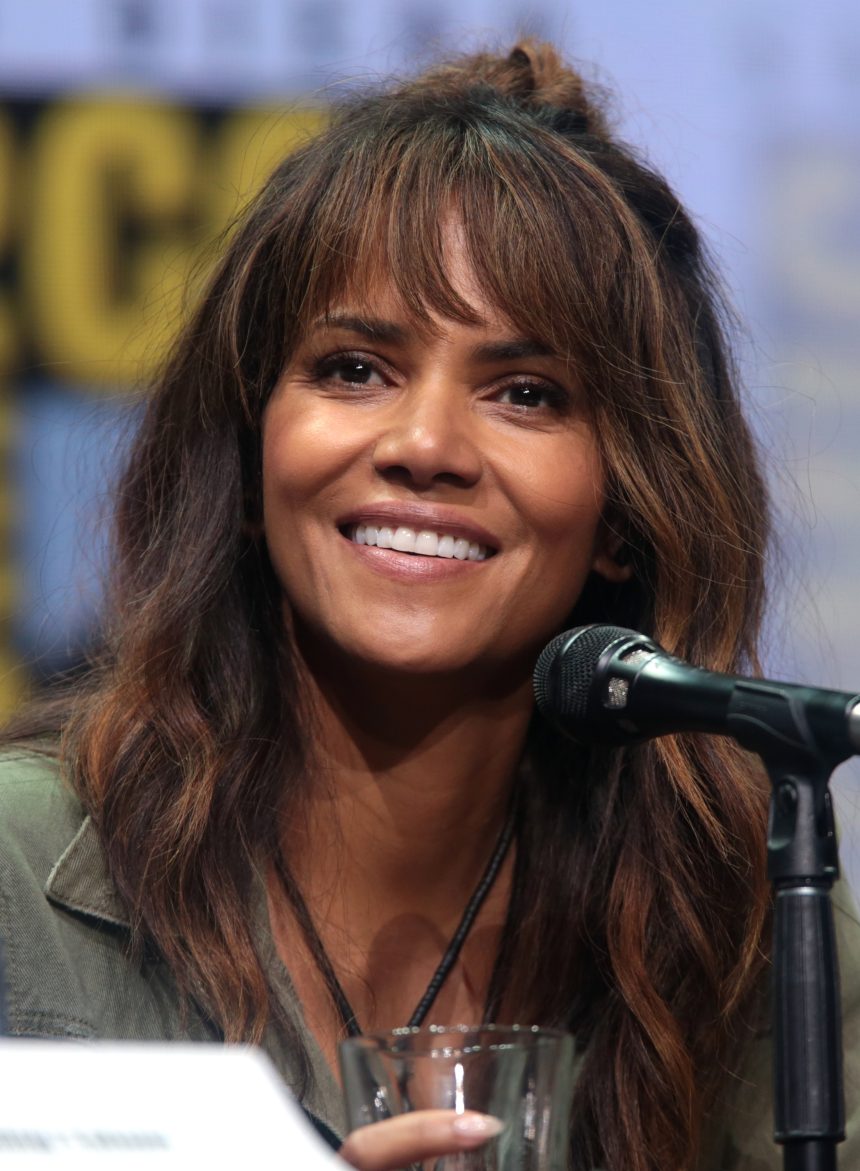
Berry became the first Black woman to win the Best Actress Oscar for Monster’s Ball in 2002. Only two years later she starred in Catwoman, which was a critical and commercial disappointment. She showed up in person to accept her Razzie, holding her Oscar, and many people admired her good humor.
Her career didn’t collapse, but it did change. She stayed active through the X-Men films, John Wick: Chapter 3, and directing Bruised in 2020. Still, she hasn’t had the sustained run of top-billed blockbuster roles that her Oscar win once suggested.
What One Flop Really Costs

These six stories show that a bad film rarely acts alone. It usually lands on top of existing pressure, whether that’s typecasting, public backlash, or a run of poor choices. Studios and audiences tend to simplify that into one failure.
Several of these films have been reconsidered over time, and some of the actors have found new footing. A flop can dent a career for years, but it doesn’t always get the last word.