For a lot of kids in the 1980s, Saturday started early and without an alarm. You’d pad downstairs in pajamas, pour a bowl of sugary cereal, and sit close to a TV that only got a handful of channels. The cartoons on offer were part story, part toy commercial, and somehow also a weekly ritual.
Plenty of those shows are still around in some form, whether through reboots, streaming libraries, or collector shelves. Here are ten that defined the lineup for many households, with a few facts on why they stuck.
The Smurfs
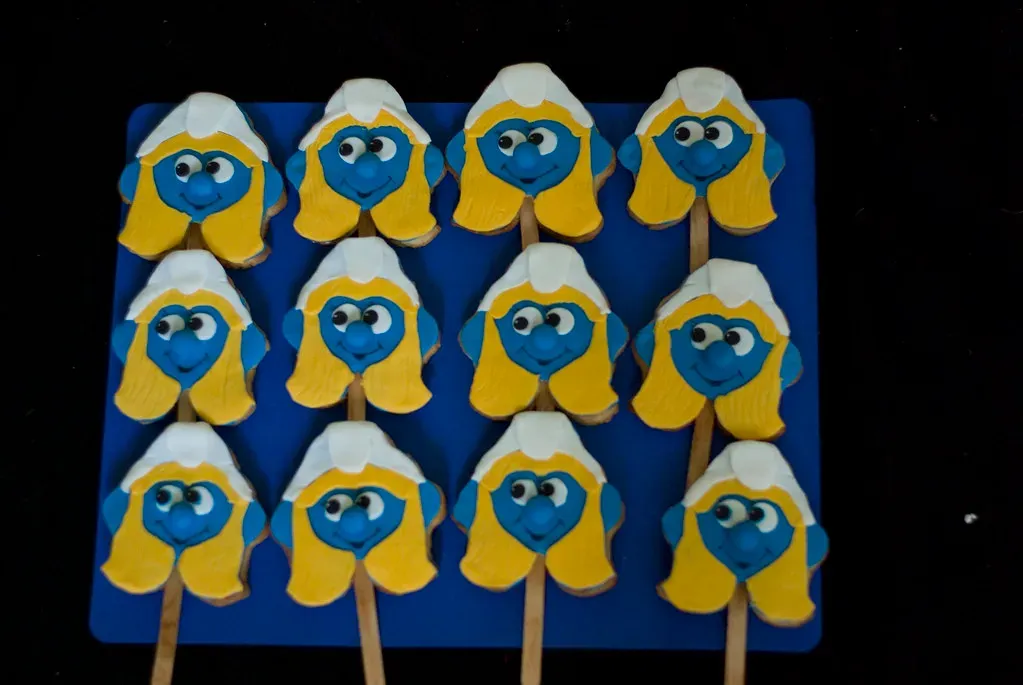
The Smurfs aired on NBC from 1981 and became one of the network’s signature Saturday shows. It was based on the Belgian comic characters created by the artist Peyo, who first introduced them in the 1950s. Hanna-Barbera adapted the little blue villagers for American television.
The series ran for nine seasons, ending in 1989, which made it one of the longest-running Saturday morning cartoons of the decade. Its cast of Papa Smurf, Smurfette, and Gargamel was instantly recognizable. Kids also knew the habit of swapping the word “smurf” into ordinary sentences.
Scooby-Doo and Scrappy-Doo
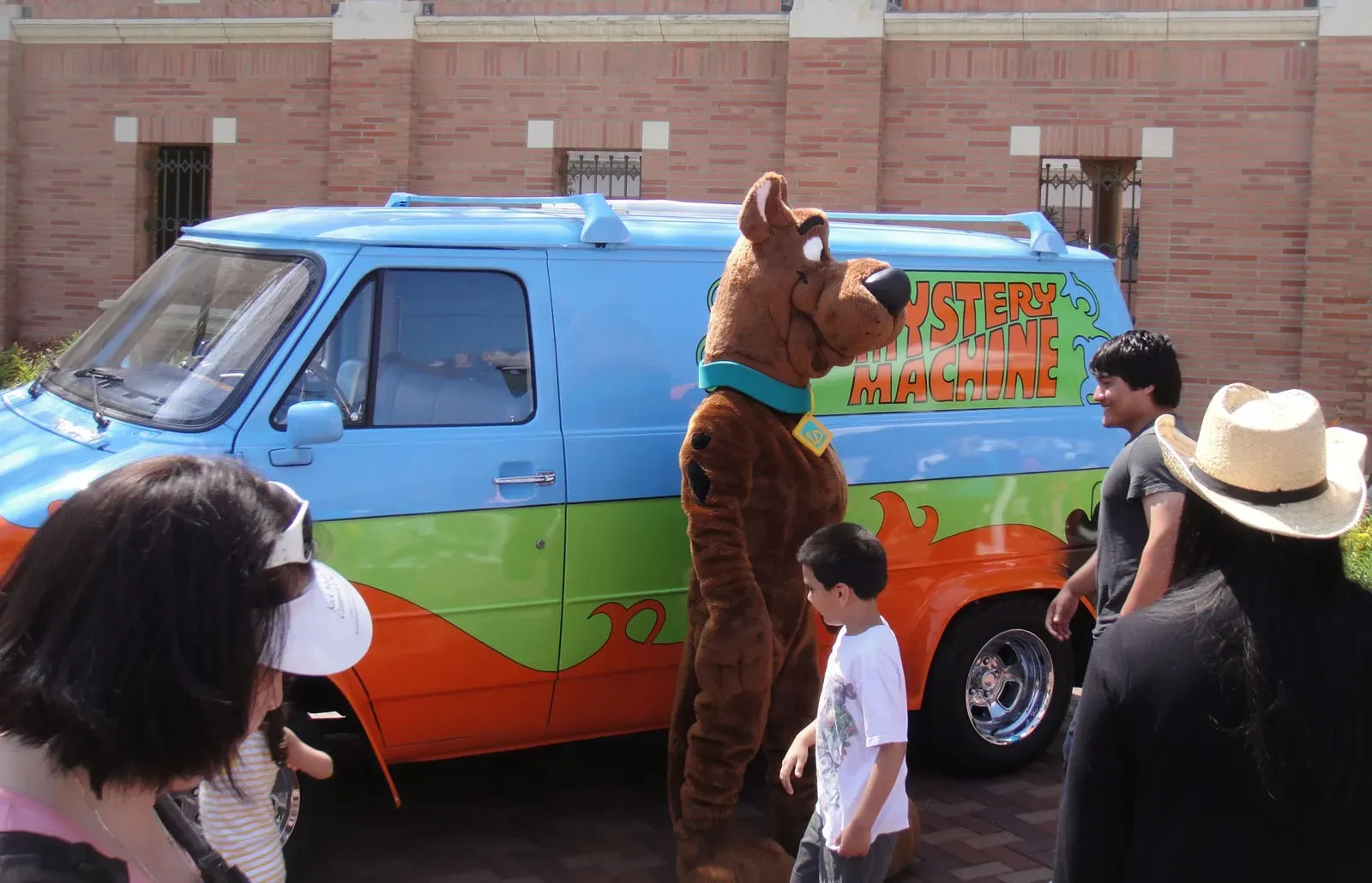
The original Scooby-Doo debuted in 1969, but the franchise kept returning to Saturday mornings through the 1980s. In 1979, the nephew character Scrappy-Doo joined the show, and he stayed central to several versions in the early part of the decade. Fans have argued about him ever since.
The format shifted during these years, with many episodes leaning away from unmasking human culprits and toward comedy and short adventures. Still, the mystery gang remained a familiar fixture in the weekend schedule. Later series revived the classic formula.
Alvin and the Chipmunks
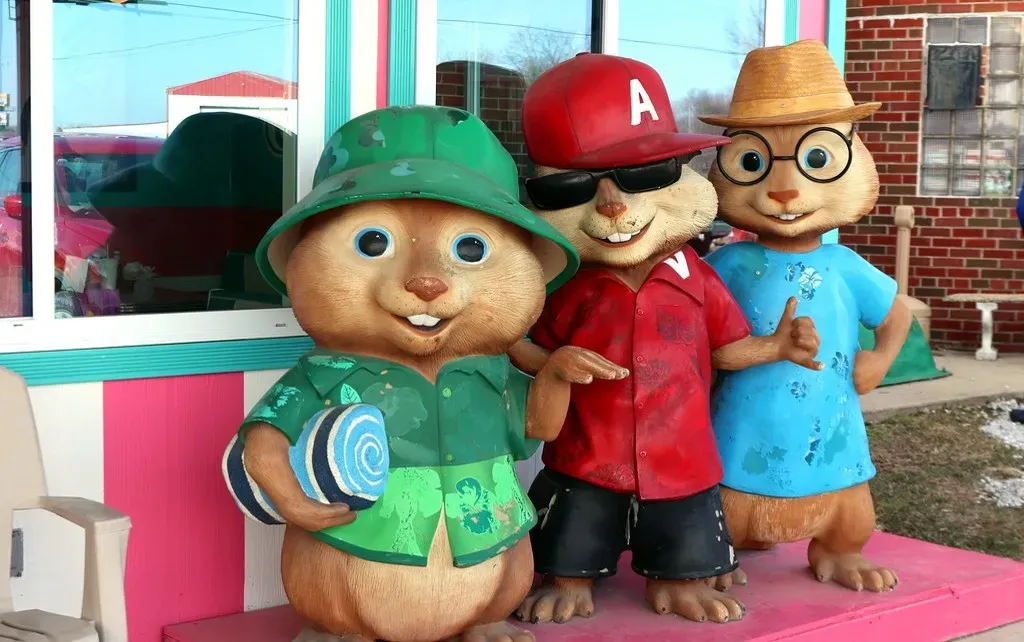
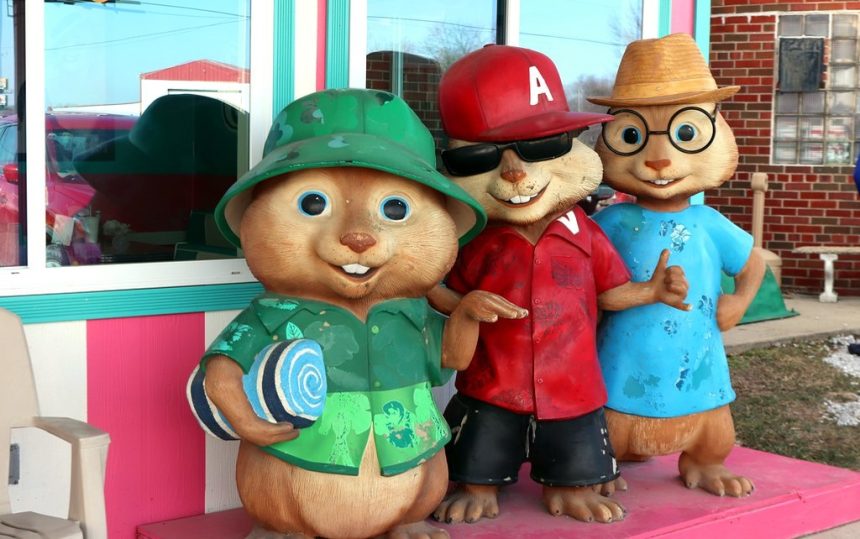
The animated Alvin and the Chipmunks premiered on NBC in 1983. It grew out of the novelty recordings that Ross Bagdasarian created in the late 1950s, which his son Ross Bagdasarian Jr. later revived. The cartoon put the trio of singing chipmunks into regular, sitcom style stories.
Music was a big part of each episode, and the show mixed original bits with pop covers of the time. Its pop culture reach was wide enough that the franchise returned in a live action and animated film series decades later. For many viewers, though, the 1980s cartoon was the first version they knew.
Thundercats
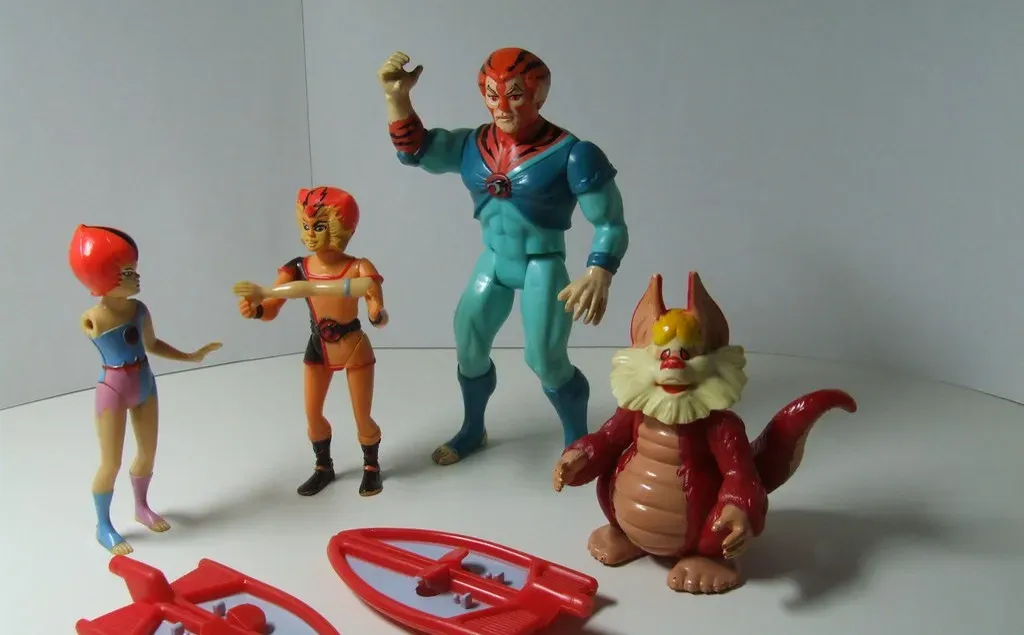
Thundercats arrived in syndication in 1985 and followed feline heroes from the doomed planet Thundera. Lion-O, Cheetara, Panthro, and their foe Mumm-Ra gave the series a clear cast of heroes and villains. Rankin/Bass produced it, with animation work done in Japan.
The show was built alongside a toy line, a common approach in that era. It was also revived in a new animated series in 2011, which suggests how well the original held onto its fans. Lion-O’s Sword of Omens remains one of the decade’s most recognizable cartoon props.
He-Man and the Masters of the Universe
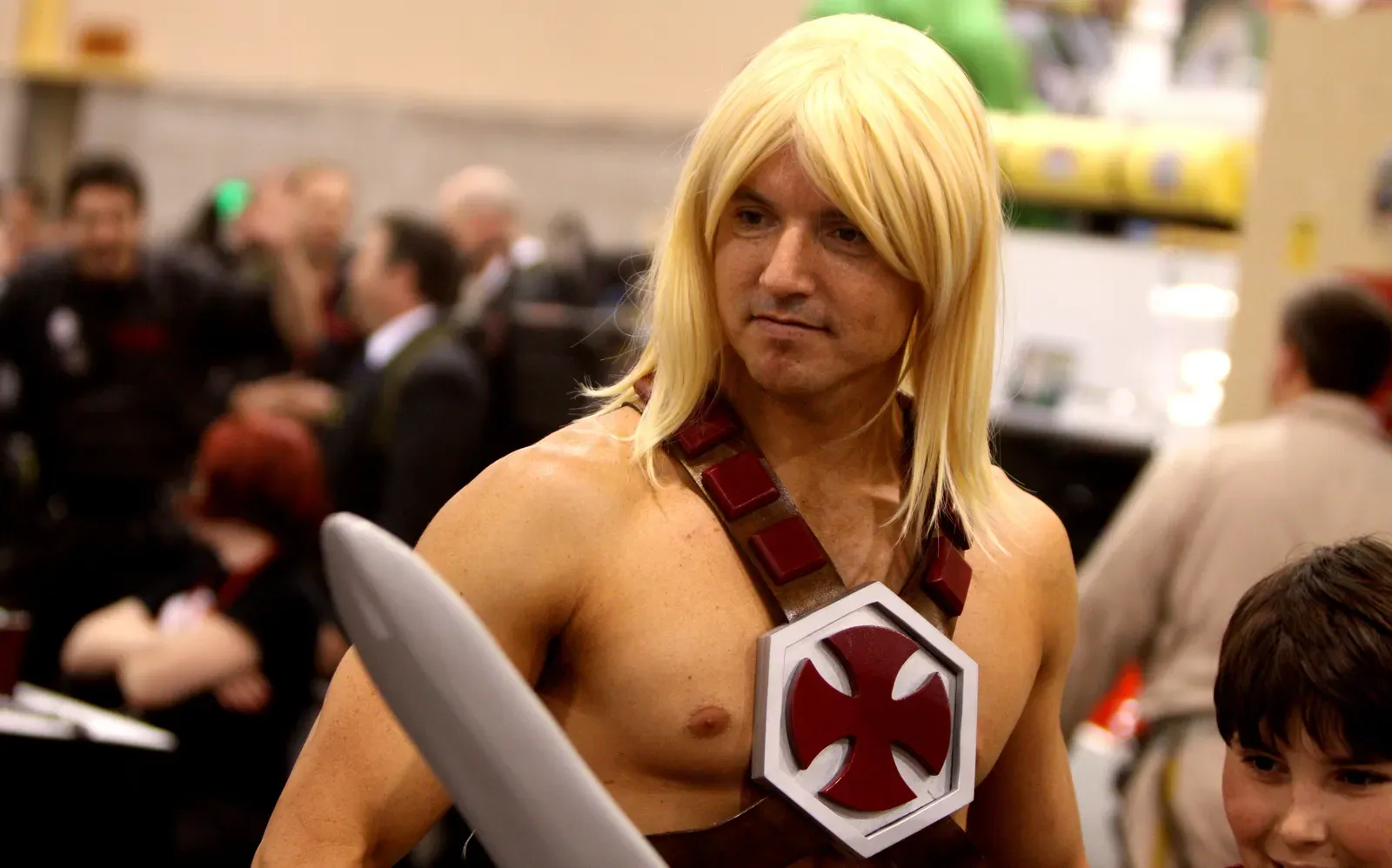
He-Man and the Masters of the Universe premiered in 1983, produced by Filmation and tied to Mattel’s action figure line. Prince Adam raised the Power Sword and transformed into He-Man to defend Eternia from Skeletor. The show was syndicated, so airtimes varied by local station.
Each episode typically wrapped up with a short moral lesson aimed at young viewers. The format later became a point of discussion for how children’s programs blended storytelling and marketing. Netflix has released new He-Man series in recent years, keeping the franchise active.
Teenage Mutant Ninja Turtles
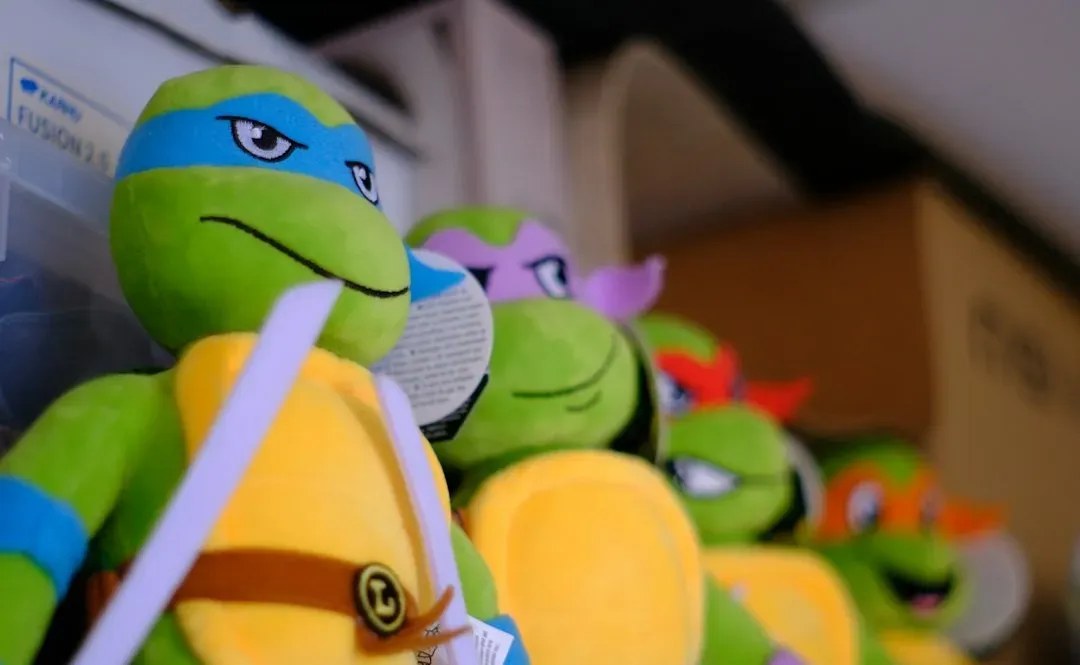
The Turtles started as an independent black and white comic in 1984, created by Kevin Eastman and Peter Laird. The first animated series launched in syndication in late 1987 and ran for ten seasons. It softened the comic’s tone for a younger audience.
Leonardo, Donatello, Raphael, and Michelangelo each had a distinct color and personality, which helped them stand out. Pizza became part of their cartoon identity. The series also drove a massive toy line, and the franchise has continued through films and new series ever since.
The Snorks

The Snorks premiered on NBC in 1984, set in an underwater town called Snorkland. It was another Hanna-Barbera production, and it was based on a Belgian creation by Nic Broca. Characters like Allstar Seaworthy and Casey Kelp led the stories.
The show is often remembered as a gentle cousin to The Smurfs, since both had Belgian roots and a cute small creature theme. The Snorks breathed through snorkel like tubes on their heads, which gave the show its name. It ran for four seasons.
Gummi Bears
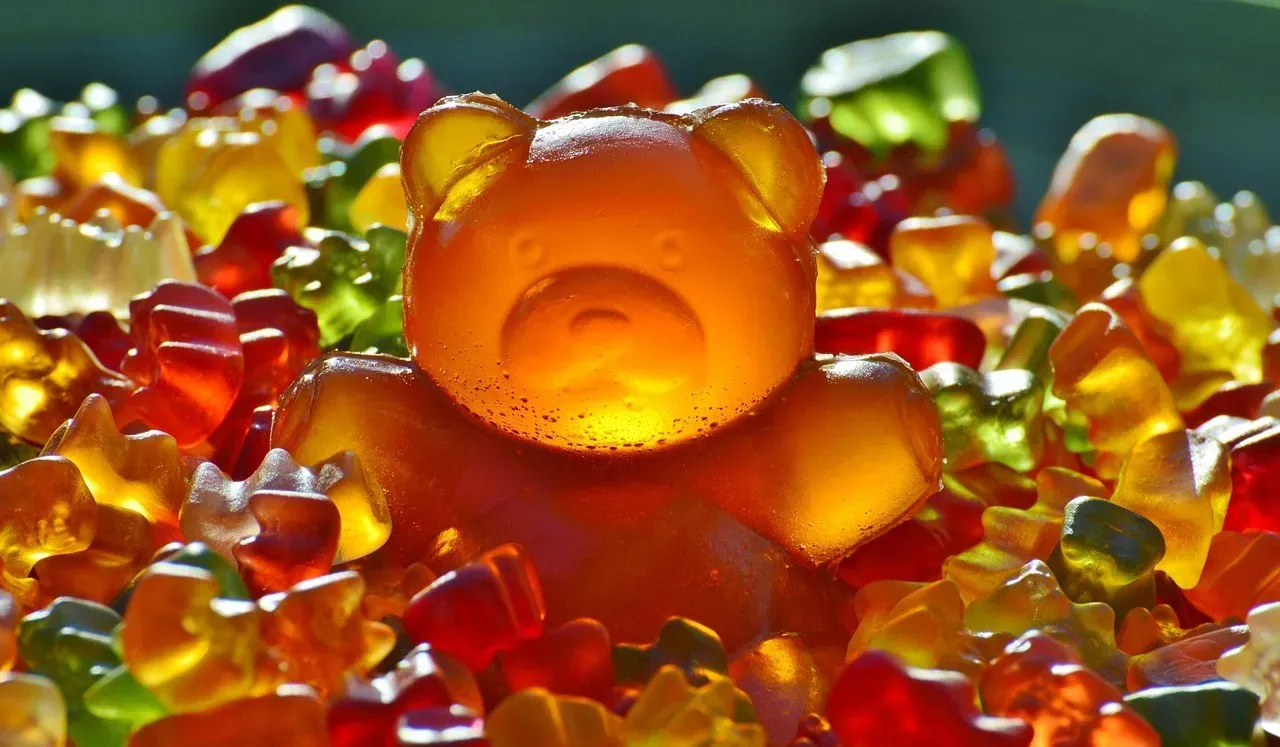
Disney’s Adventures of the Gummi Bears debuted on NBC in 1985, becoming one of the first Disney animated television series made for weekly broadcast. It followed bear like characters living in the medieval land of Dunwyn. The show was notable for its adventure tone and its serialized storylines.
The theme song was widely remembered by viewers. The series ran for several seasons and moved from NBC to ABC during its run. It helped set the stage for Disney’s later syndicated afternoon block.
The Real Ghostbusters
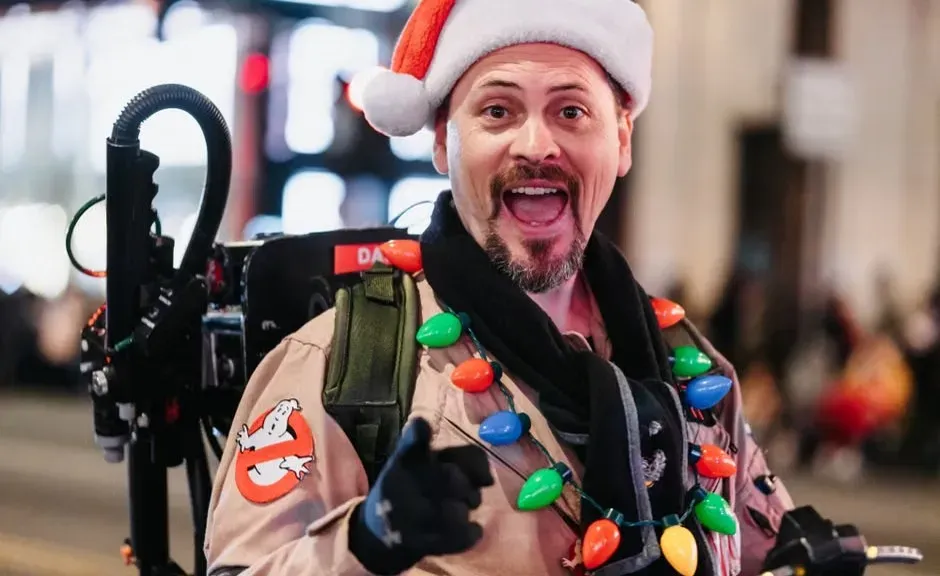
The Real Ghostbusters began in 1986 as a spin-off of the 1984 film Ghostbusters. It aired on ABC and continued for years, with changes to its format along the way. The title included “Real” partly because of a naming dispute over an earlier live action show.
The animated team shared the film’s basic premise, capturing ghosts with proton packs and containing them in a unit. Slimer, the green ghost, was promoted from a minor film character to a central one. The show helped keep the franchise alive between the movies.
Care Bears
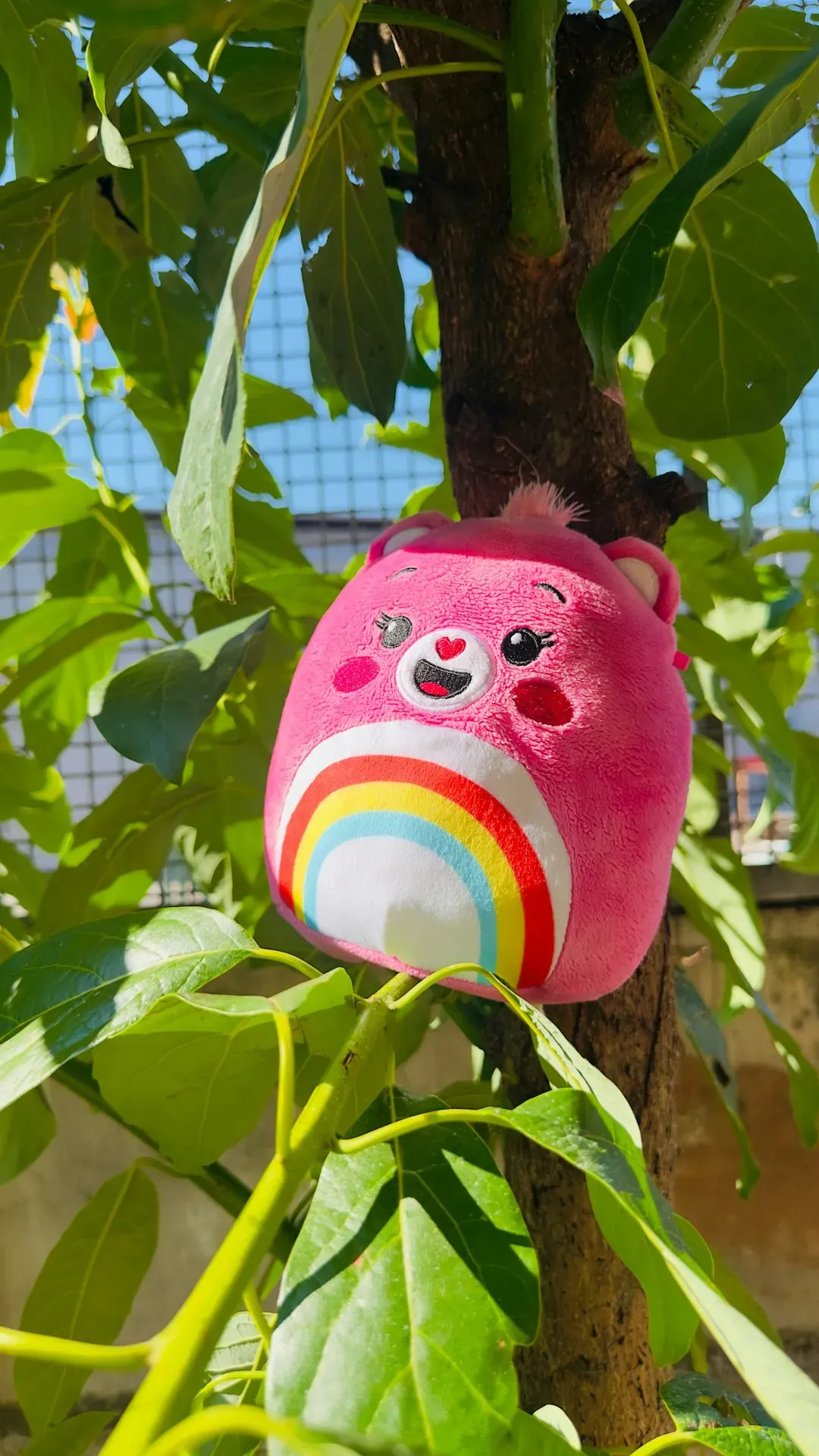
The Care Bears began as greeting card characters created by American Greetings in the early 1980s. They moved to television and film soon after, with a syndicated series in 1985 followed by additional versions. Each bear had a belly badge that represented its personality or role.
The stories centered on emotions and kindness, with the bears traveling from Care-a-Lot to help children on Earth. The brand grew into a major toy line in the decade. Rebooted versions have appeared in later years, which has kept the characters familiar to new generations.