Some films disappoint quietly. They fade out, leaving you a little underwhelmed, and by the next morning you’ve mostly forgotten them. Then there’s a different category entirely: movies that reviewers say actively damage the experience of watching something, leaving you restless, confused, or just irritated that you spent two hours on them.
This list pulls from that second category. These fourteen films collected some of the most pointed critical warnings in recent years, ranging from big-budget franchise disasters to passion projects that went spectacularly sideways. Proceed with awareness.
1. Joker: Folie à Deux (2024)
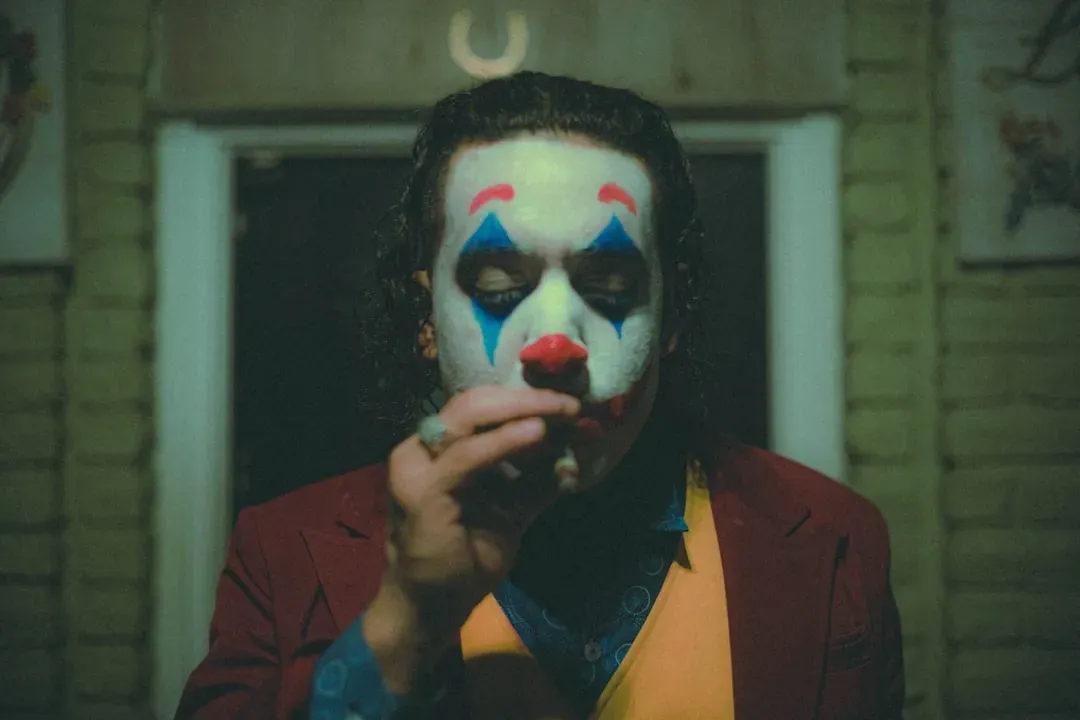
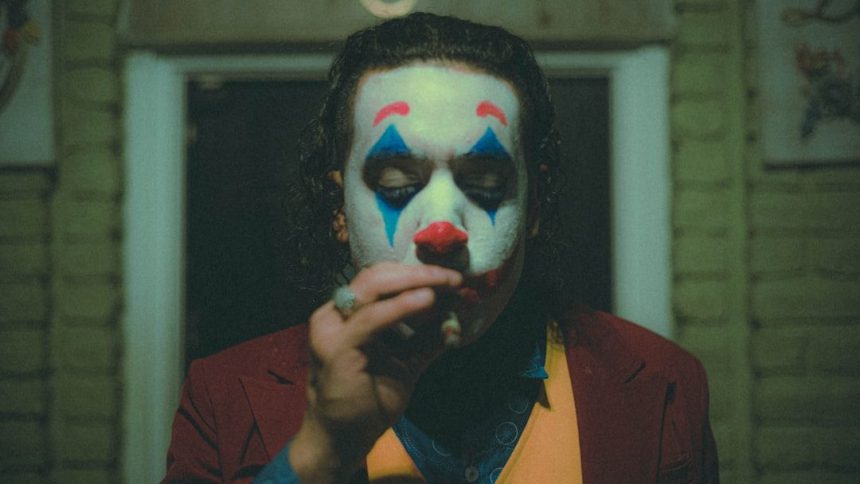
Starring Joaquin Phoenix as Arthur Fleck alongside Lady Gaga as Harley Quinn, the movie unfolds mostly inside Arkham Asylum as Arthur prepares to mount his defense after the murders of the first film. The musical detour that defined this sequel confused audiences as much as it frustrated critics. Some argued that the sequel’s musical sequences and open disdain for hardcore fans left a sour taste in the audience’s mouth.
On Rotten Tomatoes, Joker 2 sat at a dour 33 percent with critics, and audiences weren’t far behind with a 31 percent score. In a result that seemed almost unthinkable as the film ramped up its marketing campaign, it was given a rarely seen D grade from CinemaScore, overtaking the C- given to 2015’s hated Fantastic Four movie to make Joaquin Phoenix’s return the worst-graded comic book movie ever.
2. Morbius (2022)
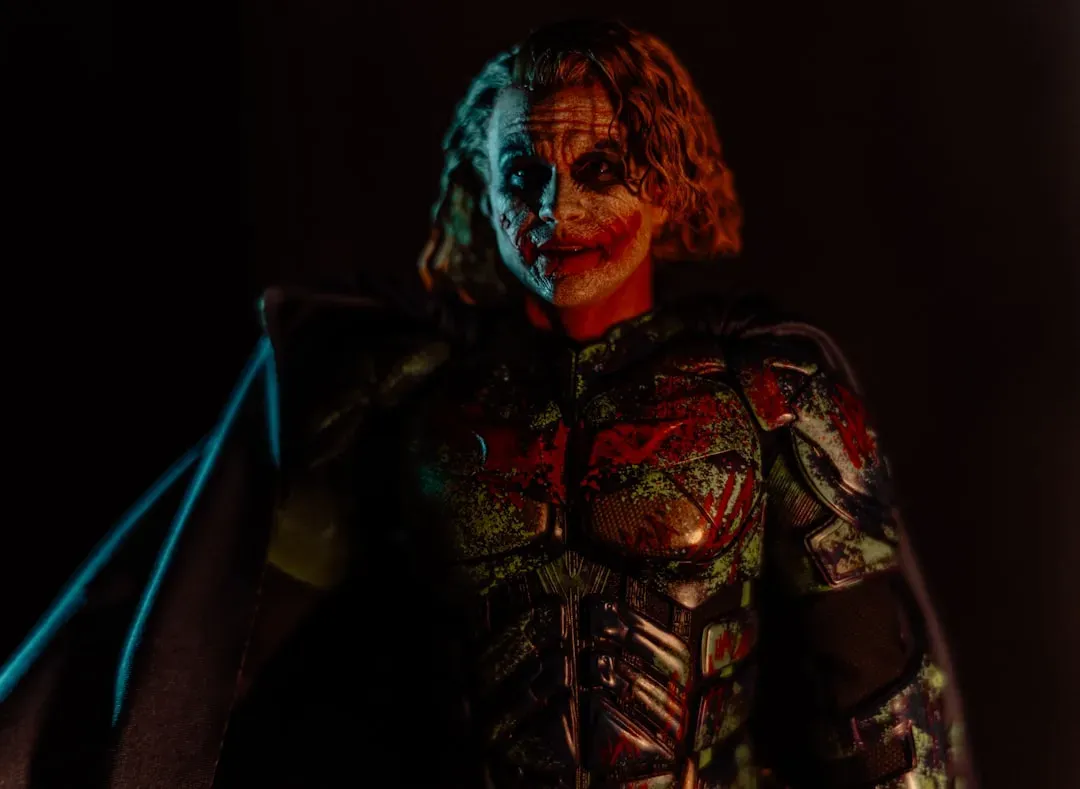
After making a joke of himself in the DC Universe, Jared Leto switched over to Marvel and proved he could do it all over again. Many walked out of Morbius unsure what it was about, and even its own characters can’t figure it out. Featuring one of the wallcrawler’s most obscure villains as the lead, Morbius somehow comes across as a dollar-store nineties B-movie released in 2022.
Between its stilted script, hammy dialogue, and overacting, it’s best enjoyed as an all-out comedy of errors. Of course, the film did provide audiences with an endless supply of memes. That may be its most lasting contribution to cinema culture. As a film that takes itself seriously, it barely functions.
3. The Crow (2024)

The long-anticipated reboot of the 1994 cult classic had big shoes to fill since the original is still beloved to this day. Fans were left bitterly disappointed. Starring Bill Skarsgard as the titular vigilante and FKA Twigs, the 2024 reimagining was a commercial and critical bomb. Standout misfires included the film’s lackluster writing and the bland chemistry between Skarsgard and Twigs, which left the emotional weight of the story to fall flat.
The reboot passed through many hands on its fifteen-year journey to the screen, but the project probably should have stayed buried. Most critics found this Crow pretentious, clueless, and utterly devoid of emotion, and the film bombed at the box office. While the original is still considered a masterpiece for its authentic dark tone and remembered for the heartbreaking legacy of Brandon Lee, this remake offered little to justify why it was made.
4. Megalopolis (2024)

If there’s a way of reading Megalopolis as anything other than a very costly self-high-five, it would require expending effort the film doesn’t deserve. It is, above all else, a dud. Tiresome, silly in ways that are not risk-taking and brave, and grating in theme and purpose. Blandly forgettable, the only thing many critics would remember about it is the debacle involving one of its trailers.
Despite expectations that Coppola might surprise, the film is confounding in its stupidity and incoherence, and the production quality is worse than Caligula, as is the dialogue. The PR team used AI to lean into the bad buzz for the film, pulling quotes from famous movie critics who had blasted previous Coppola films. Except they weren’t real. The AI either got it wrong, or it was done on purpose to generate attention.
5. Rebel Moon: Part Two – The Scargiver (2024)

Conceived as a six-parter, the Rebel Moon series permanently hit the brakes with its second entry. After the original also sank with critics, The Scargiver was positioned as a change of course meant to steady the ship. Instead, the wildly inconsistent tone turned this space opera into a test of endurance, with audiences waiting across two hours for a payoff that never comes.
The film follows a group of underdogs fighting against an unstoppable force in order to regain their freedom, and it is a science-fiction film that is somehow incredibly boring, filled with grandiose, slow-motion sequences. Unless you love every single movie Snyder has ever created, Rebel Moon: Part Two will be an exercise in patience and frustration.
6. Poolman (2024)

Chris Pine earned some of the worst reviews of his career for Poolman, a Los Angeles-set comedy mystery in the vein of Chinatown that Pine directed, co-wrote, and starred in. The movie is Pine’s feature directorial debut, but it got eviscerated by critics when it premiered at the Toronto International Film Festival. Reports of mass walkouts during its initial screening stung just slightly less than the abysmal reviews, with critics quick to label it one of the worst festival debuts in modern history.
The plot is all over the place, character development is non-existent, and the mystery at the core of the tale isn’t given a satisfactory resolution. Pine’s film reaches a point where the pretense of homage gives way to full-on copying, and it commits the ultimate sin of directly referencing and even showing clips from far better movies early on, in case you needed to be reminded that you could be watching anything else.
7. Harold and the Purple Crayon (2024)
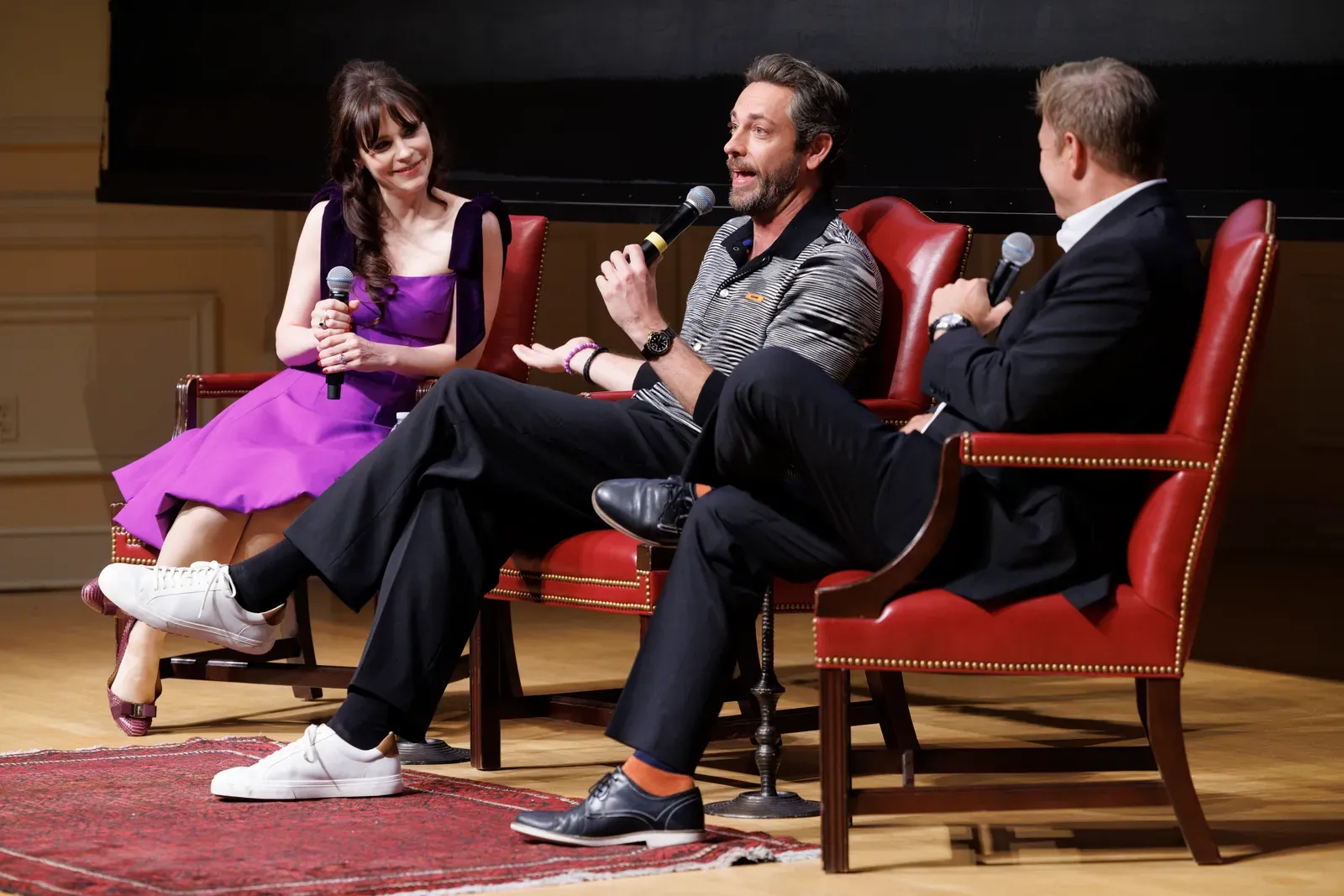
The 2024 adaptation took the charming simplicity of the 1955 children’s book and spewed out a baffling mix of live-action and animation. Instead of keeping the whimsical innocence that comes from a child and the adventures they can imagine, the movie reimagines Harold as an adult man played by Zachary Levi who uses the titular crayon to escape into the real world. What follows is a dull and confusing journey that feels unattached from the endearing spirit that made the original so beloved.
Based on the beloved book of the same name, the film took the creativity and imagination of the original and made it long and boring. A children’s property built entirely on joyful simplicity somehow became an overlong, live-action muddle. It’s the kind of creative decision that’s hard to explain even in retrospect.
8. Reagan (2024)
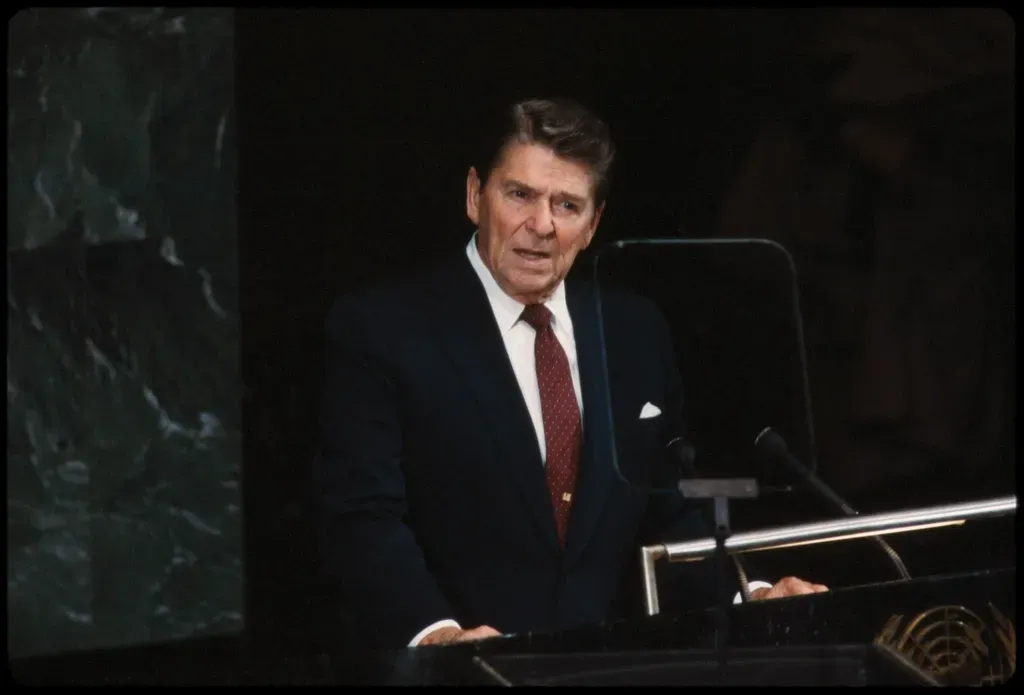
Biopics can bring forth plenty of acclaim when they explore the complexities of their subjects. When it came to Reagan, however, realism was replaced by a shallow, sanitized portrayal of the former president. Rather than presenting a nuanced, unbiased take on Ronald Reagan’s life and presidency, the film depicts him as a hero to worship by erasing his controversies and glossing over critical aspects of his career. It’s this lack of depth that leaves Reagan feeling more like a glorified biography than a serious exploration of a political figure.
Released just in time to grease the wheels for Trump’s victory, this Ronald Reagan biopic was a hit in theaters, playing to an audience of make-TV-movies-bad-again nostalgists. Critical consensus was brutal regardless of political leaning, with reviewers pointing out that the film collapses under the weight of its own reverence. A biopic that refuses to interrogate its subject isn’t really a biopic at all.
9. Tarot (2024)
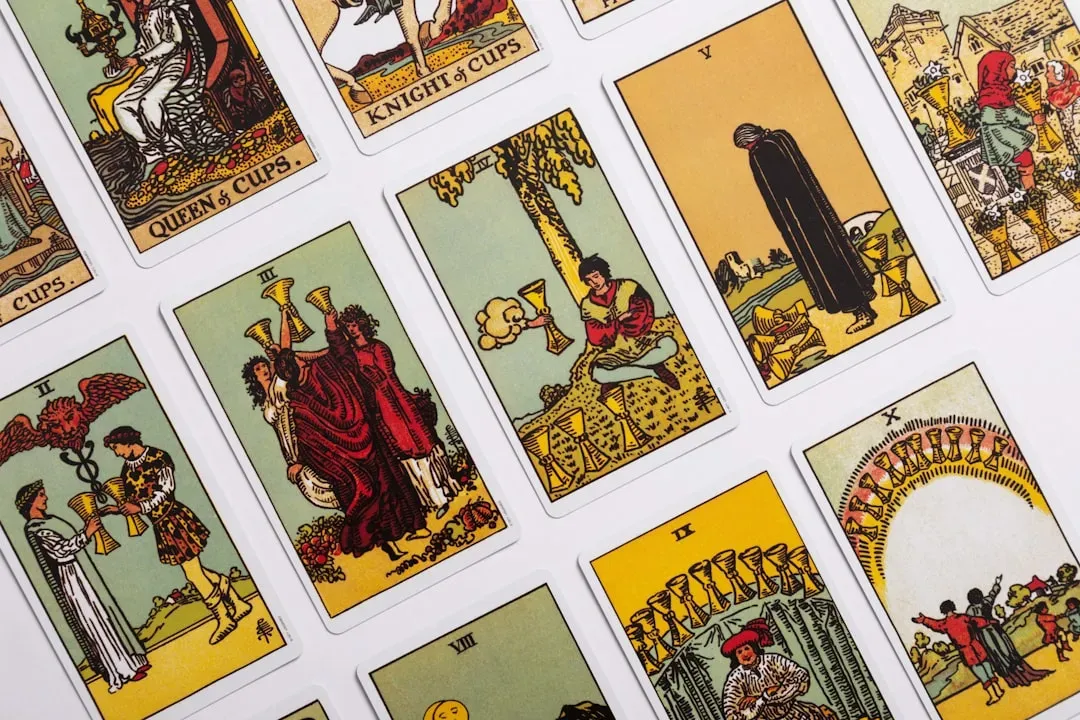
Directed and written by Spenser Cohen and Anna Halberg, Tarot is a supernatural horror film based on the 1992 novel Horrorscope by Nicholas Adams. The film received negative reviews on release by critics and grossed only around 30 million dollars worldwide, a disappointing number. Following a group of friends who rent a mansion in the Catskills for one of their birthdays, the movie follows them as they unknowingly unleash an unspeakable evil trapped within cursed tarot cards, and one by one they come to face their fate in a race against death.
Critics broadly called it a forgettable movie full of horror clichés. The core premise had real potential – the idea of horror figures tied to each tarot card is genuinely promising. It just never delivered on that premise in any meaningful or scary way, settling instead for jump scares and stock genre moves.
10. The Garfield Movie (2024)
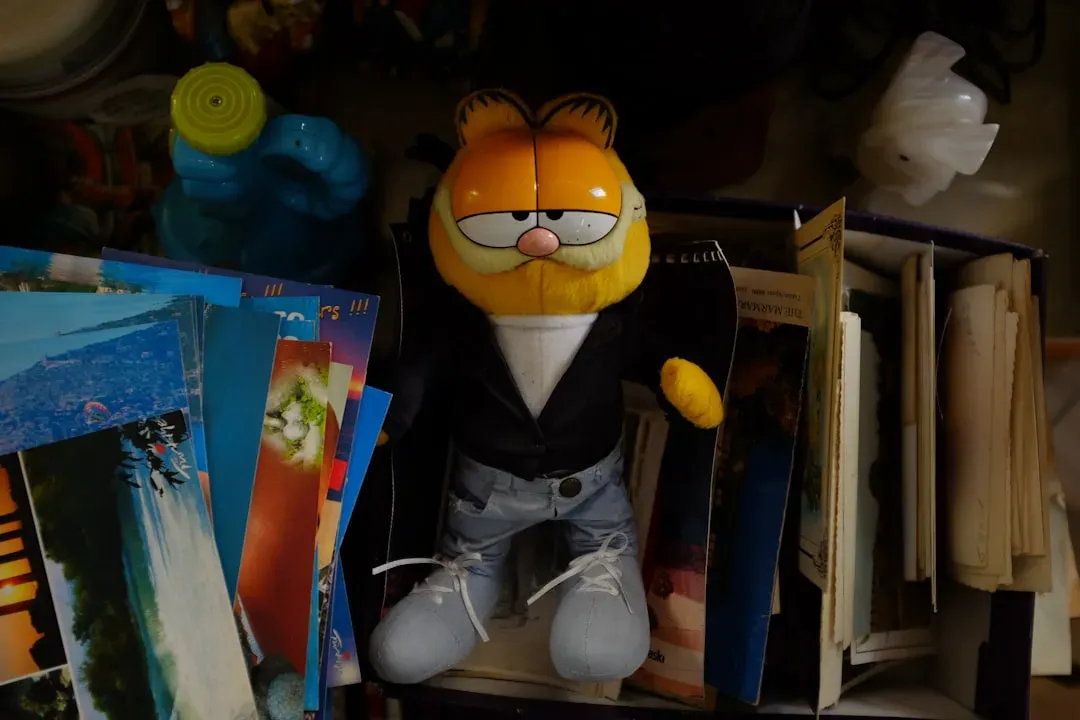
The first Garfield feature film of any kind in fifteen years, this animated family action-comedy finds Chris Pratt voicing the surly comic-strip kitty alongside Samuel L. Jackson. The movie performed fairly well at the box office, grossing over 250 million dollars, but critics questioned the need to turn this well-known property into something completely unlike its source material in every way, especially when the result feels like a by-the-numbers cash grab.
It’s a movie based on a beloved comic strip targeted at an audience that’s never heard of it. Many critics said it’s not very engaging and its plot is complicated and unnecessary. Garfield’s whole appeal was always his bone-dry laziness and sarcasm. Turning that into a heist movie says more about franchise brand logic than it does about storytelling.
11. Madame Web (2024)
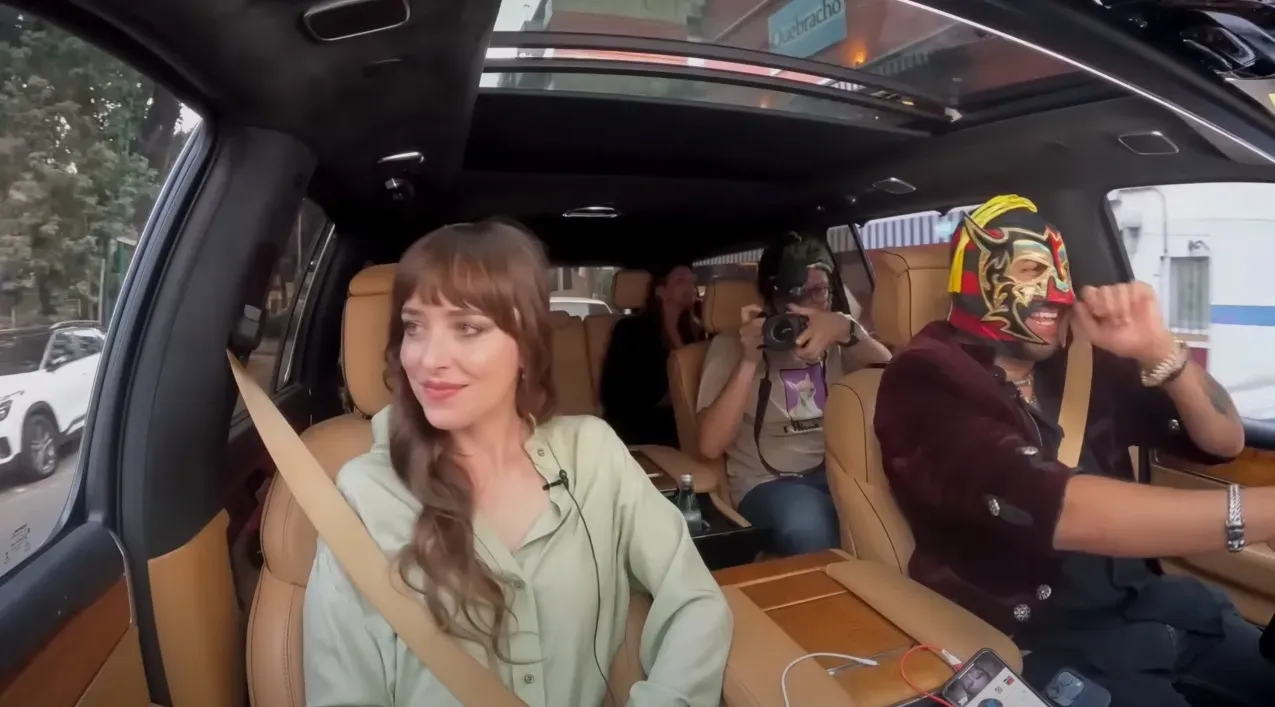
Madame Web ranks among the worst-reviewed studio comic book films of all time, sitting alongside the famously unloved Batman and Robin, Morbius, each of which earned a C+ CinemaScore. The film arrived with a baffling marketing campaign and left audiences equally baffled once they actually sat through it. Even those who tried to find its accidental charm largely came up empty.
From Disney’s soulless remakes to bizarre horror reboots and Marvel misfires, films like Madame Web remind audiences that big budgets don’t guarantee quality. The movie stars Dakota Johnson and attempts to spin a web of superhero origin story that critics said felt incoherent from scene one. It earned its place in the modern canon of superhero misfires with remarkable efficiency.
12. Imaginary (2024)
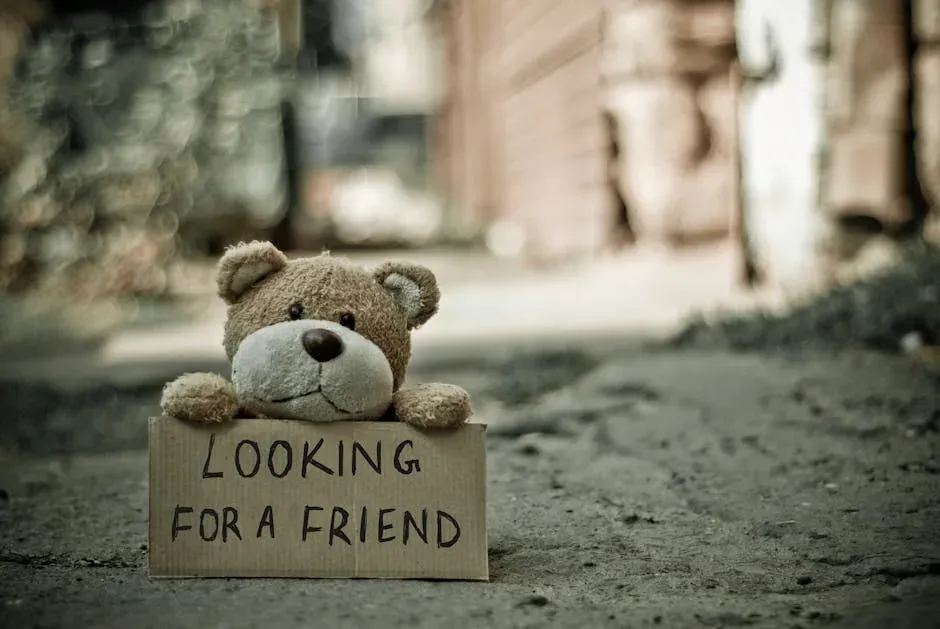
The supernatural horror film Imaginary, directed and produced by Jeff Wadlow, received negative reviews on release and only grossed around 39 million dollars, a disappointment. The film follows a woman who moves to her childhood home with her young stepdaughter, and the girl finds a stuffed bear she treats like an imaginary friend. Something sinister is happening, and there’s more to the bear than the woman originally thinks. As far as horror movies go, it fails to hit the mark and comes off as bland.
The horror genre lives and dies on tension and dread. Imaginary had a workable concept on paper, and the idea of a malevolent childhood imaginary friend carries real psychological weight. Critics noted, though, that the film never capitalizes on that weight, opting for safe, familiar horror beats that generate little unease.
13. Uglies (2024)

Set in a future where teens are given cosmetic surgery to be beautiful at the age of sixteen, the story follows Tally, who is about to undergo the procedure when her friend runs away and she chases after her. Critics panned it as another dystopian future YA movie that fails to make itself stand out from the rest of the pack, feeling more like pushed content instead of a standalone film.
The dystopian YA film arrived on Netflix with reasonably promising source material in Scott Westerfeld’s novel. Some films squander their intriguing premise with a convoluted execution, while others suffer from tonal disarray, and 2024’s worst-reviewed films included ones that abandoned their source material’s charm for dull and absurd storytelling, along with others that lacked originality and coherence. Uglies fit the second description almost precisely.
14. Lift (2024)

In the comedy heist film directed by F. Gary Gray, Lift stars Kevin Hart, Gugu Mbatha-Raw, and Vincent D’Onofrio. Released on Netflix, the film doesn’t have high scores with both Metascore and IMDb, with reviews bashing the repetitive style of the film. Kevin Hart is a performer with genuine energy, and F. Gary Gray has directed genuinely great films. The combination, on paper, should have worked reasonably well.
Critics pointed to a screenplay that felt assembled from spare parts rather than written, with a heist premise that offered no tension and characters with nothing memorable to do. Review aggregate sites were not kind in revealing how these movies failed to bring good reception, with uninspiring writing or shallow portrayals. Whether these films treated their themes as outdated or simply delivered forgettable experiences, they deserved their low scores and bad reviews.
What connects most of these films isn’t necessarily laziness on the part of everyone involved. Several of them were passion projects, expensive bets, or franchise expansions that studios genuinely believed in. The common thread, instead, is a gap between intention and execution: the failure to honestly assess whether the film being made was actually working. That gap tends to be exactly what reviewers smell first, and audiences feel last.