Language moves faster than most of us notice. A phrase that fills every living room and school hallway in one decade can sound like a costume piece a generation later.
The 1950s left behind a particularly colorful stack of expressions, drawn from jazz clubs, teenage culture, radio, and the new world of cars and television. Some still turn up in old movies and reruns, but you’d rarely hear them in conversation today.
Daddy O

This was a casual way to address a man, usually with a bit of admiration or friendly teasing. It came out of jazz and hipster slang, then spread into mainstream pop culture through the Beat era and teen films. The “O” ending gave it a rhythmic, almost musical quality.
Today it mostly survives as a joke or a bit of retro flavor. Someone using it now is nearly always doing an impression of a 1950s character rather than greeting a friend.
Real Gone

When something was “real gone,” it was wonderful, exciting, or deeply impressive, especially in music. The expression grew out of jazz and early rock and roll circles, where being carried away by a sound was the highest compliment.
The sense of “gone” as a good thing now seems backwards to most listeners. Modern slang has replaced it with other words of praise, and the phrase lives mainly in vintage record labels and nostalgic references.
Swell
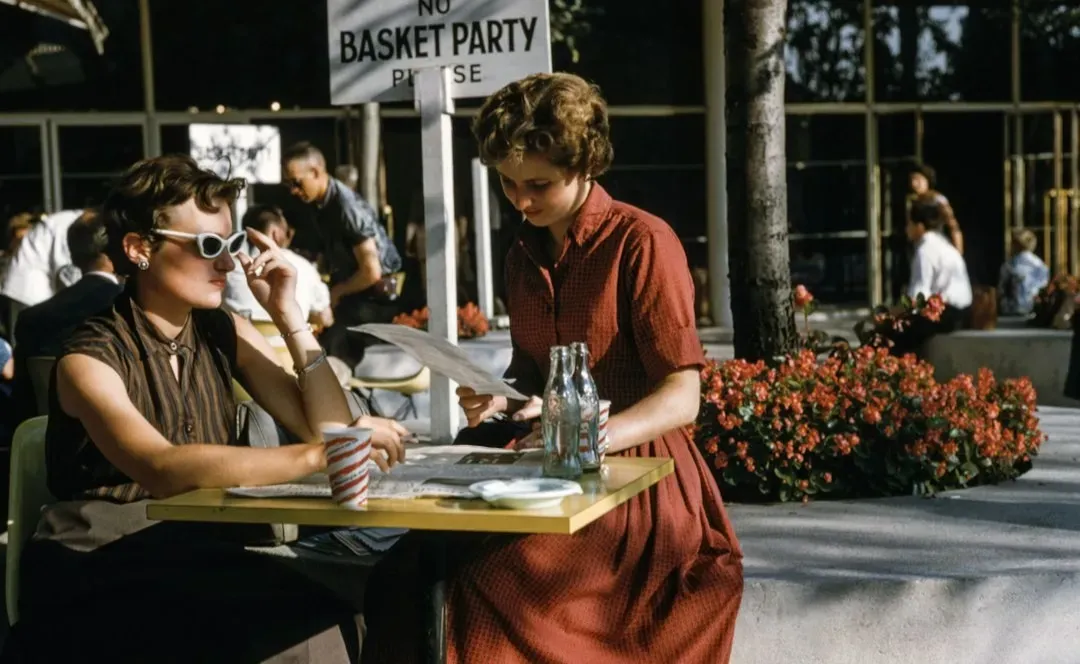
Swell was an everyday word for “great” or “very nice.” A swell party, a swell guy, or a swell idea would not have raised an eyebrow in the 1950s. The word had been in use as an adjective of approval well before the decade, but mid century America used it constantly.
It has since faded into the background of old films and period dramas. Speakers today tend to reach for words like great, awesome, or cool instead, and swell now sounds distinctly dated.
Peachy Keen

Peachy keen meant fine, excellent, or going well. It carried a cheerful, slightly bouncy tone that suited the optimistic image of postwar suburban life.
Over time the phrase picked up an ironic edge. These days people usually say it with a wink, often to suggest forced cheer, which is a long way from its sincere original use.
Jalopy
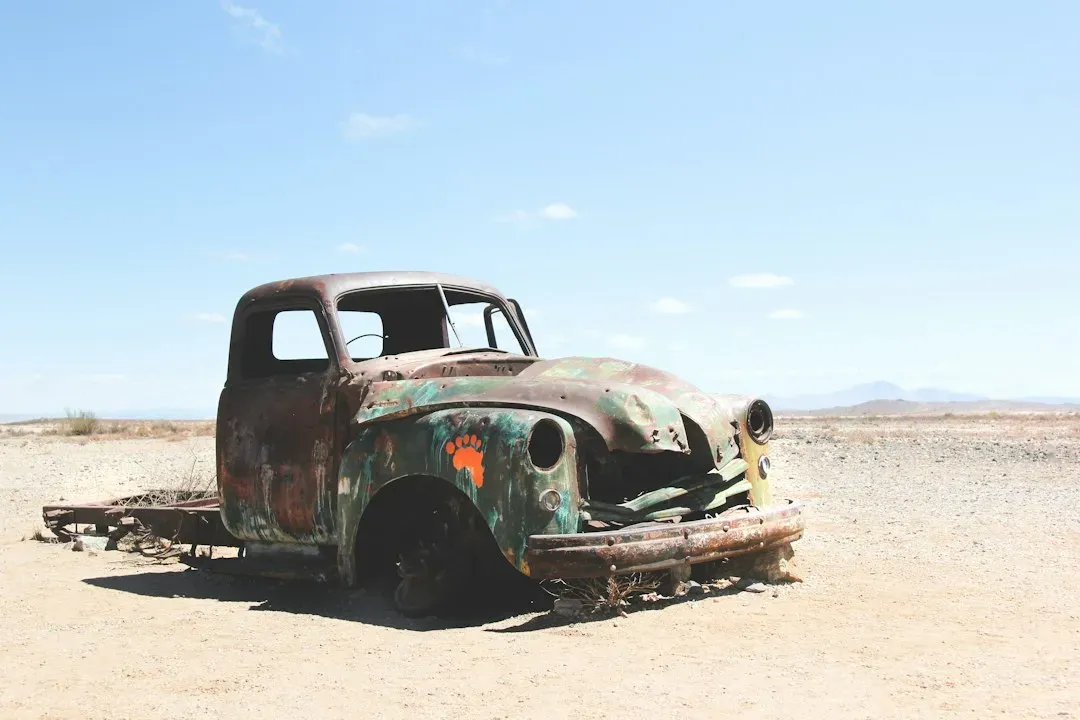
A jalopy was a beaten up, rattling old car, often one a teenager had scraped together money to buy. Cars were a huge part of youth culture in the 1950s, and the word fit the do it yourself spirit of hot rodders and first time drivers.
The word still appears in dictionaries and occasionally in writing about classic cars. In everyday talk, though, people now say clunker, beater, or junker.
See You Later, Alligator
This playful goodbye was usually answered with “in a while, crocodile.” It became widely known after Bill Haley and His Comets recorded a song called “See You Later, Alligator” in 1956, which helped carry the rhyme into teenage conversation.
The exchange now feels like a children’s rhyme or a nostalgic gag. Adults rarely use it sincerely, though it sometimes pops up as a affectionate throwback among family members.
Go Steady

To go steady meant to be in an exclusive dating relationship, and it was a major milestone for many teenagers in the 1950s. It often involved visible tokens, such as a class ring or a letter jacket given to a partner.
The idea of dating exclusively hasn’t disappeared, but the phrase has. People now talk about being in a relationship, seeing each other, or being official, and “going steady” reads as distinctly old fashioned.
Cut the Rug

Cutting a rug simply meant dancing, and enthusiastically at that. The expression traces back to the swing era, and it remained in popular use through the sock hop years of the 1950s as rock and roll took over dance floors.
Few people say it now without a smile. When it does appear, it tends to be in a humorous or deliberately vintage way, since most people just say they’re going dancing.