Walk through a typical American living room in December 1955 and you’d notice a few things that look odd today. The tree might be silver metal, the lights might bubble, and the family might be waiting to project slides onto a bedsheet.
Plenty of holiday customs from that decade still hang on, such as cookies, stockings and carols. Others slipped away as technology, safety standards, shopping habits and family routines changed. Here are ten that have largely faded.
Aluminum Christmas Trees
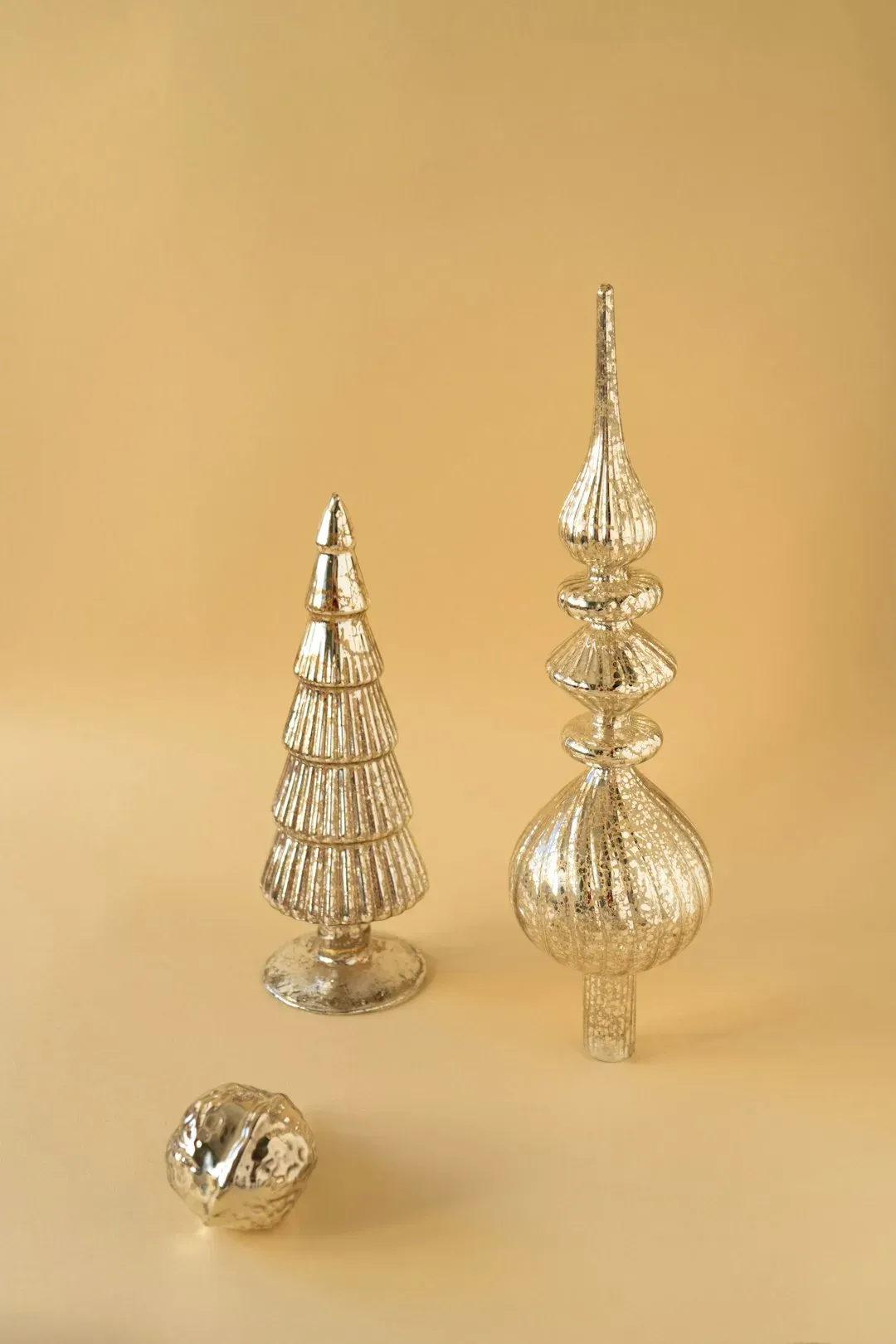
Shiny aluminum trees took off in the late 1950s, with Wisconsin’s Aluminum Specialties Company among the best known makers. The branches were metal foil, and the trees were sold as tidy, reusable and fireproof alternatives to a real fir.
Because lighting a metal tree with strings of bulbs was a shock hazard, many families lit them with a rotating color wheel placed on the floor. The fad cooled by the late 1960s, and today the trees are mostly a nostalgic collector’s item.
Bubble Lights

Bubble lights were slender tubes filled with liquid that bubbled when the bulb at the base warmed up. NOMA introduced them in the 1940s, and they became a familiar sight on 1950s trees.
Kids could stare at them for ages. Modern LED strings are cooler, cheaper and safer, so the bubbling tubes now show up mainly as vintage reproductions or antique finds.
Lead Foil Tinsel

Older tinsel was often made with lead, which gave it a heavy, silky drape that lighter plastic versions don’t quite match. Families hung it strand by strand, and many saved it to reuse the following year.
Concerns about lead exposure, especially for small children and pets, eventually led manufacturers to switch to plastic. The old strands are still found in attic boxes, and handling them with care is the usual advice.
Door to Door Caroling
Neighbors once bundled up and went from porch to porch singing, often ending with hot cocoa somewhere warm. Church groups and youth clubs organized many of these outings.
The custom hasn’t vanished entirely, but it’s much rarer. People are less likely to know everyone on their street, and streaming playlists have taken over much of the seasonal soundtrack.
Department Store Window Displays
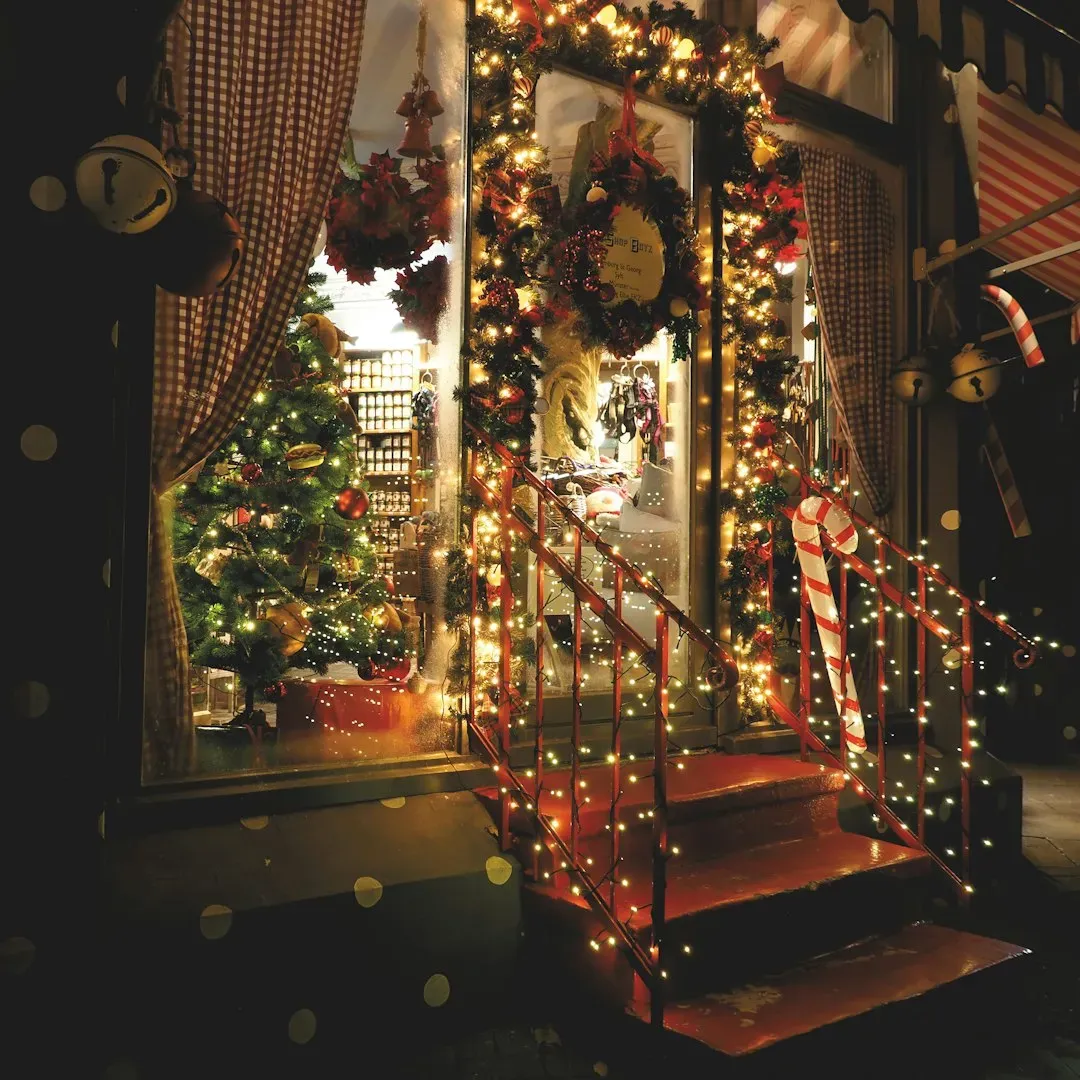
In the 1950s, a trip downtown to see animated holiday windows was a seasonal event for many families. Big stores competed to build elaborate scenes, and a visit often ended with Santa on an upper floor.
Some famous windows, such as Macy’s in New York, still draw crowds. For most towns, though, shifts toward suburban malls and online shopping have thinned out the tradition, along with many of the downtown stores that hosted it.
Christmas Club Savings Accounts

Banks offered Christmas Club accounts, which let customers deposit small, regular amounts all year so they’d have cash for gifts. The idea dates back to the early twentieth century and was still widely used in the 1950s.
Credit cards, buy now pay later options and year round sales have made the strategy less common. Some credit unions still offer holiday savings accounts, but the practice is far less central than it once was.
Mail Order Wish Book Catalogs
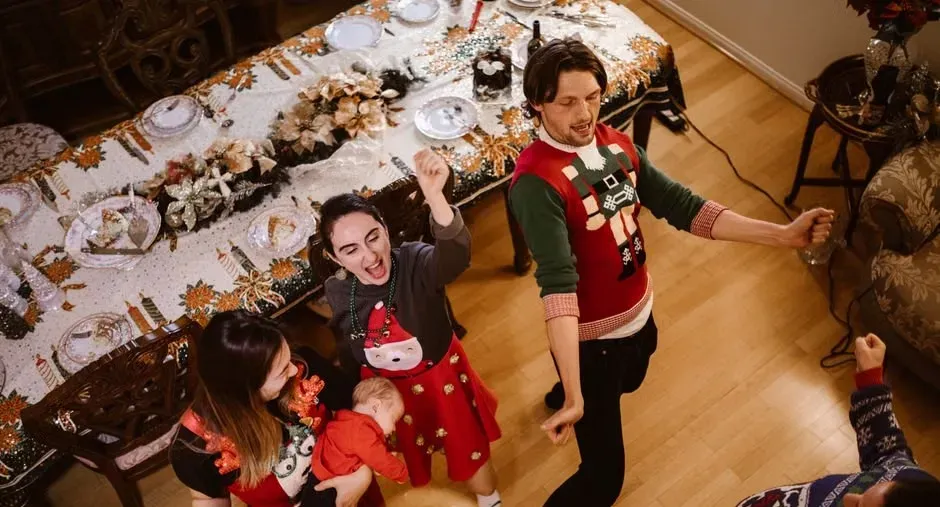
Thick holiday catalogs from retailers like Sears arrived in the mail, and children circled the toys they wanted. These catalogs doubled as a family planning tool for parents.
Online shopping has replaced most of this ritual. Sears stopped printing its main catalog years ago, and while some retailers still send holiday mailers, they rarely have the same hold on a household.
Molded Gelatin Holiday Salads
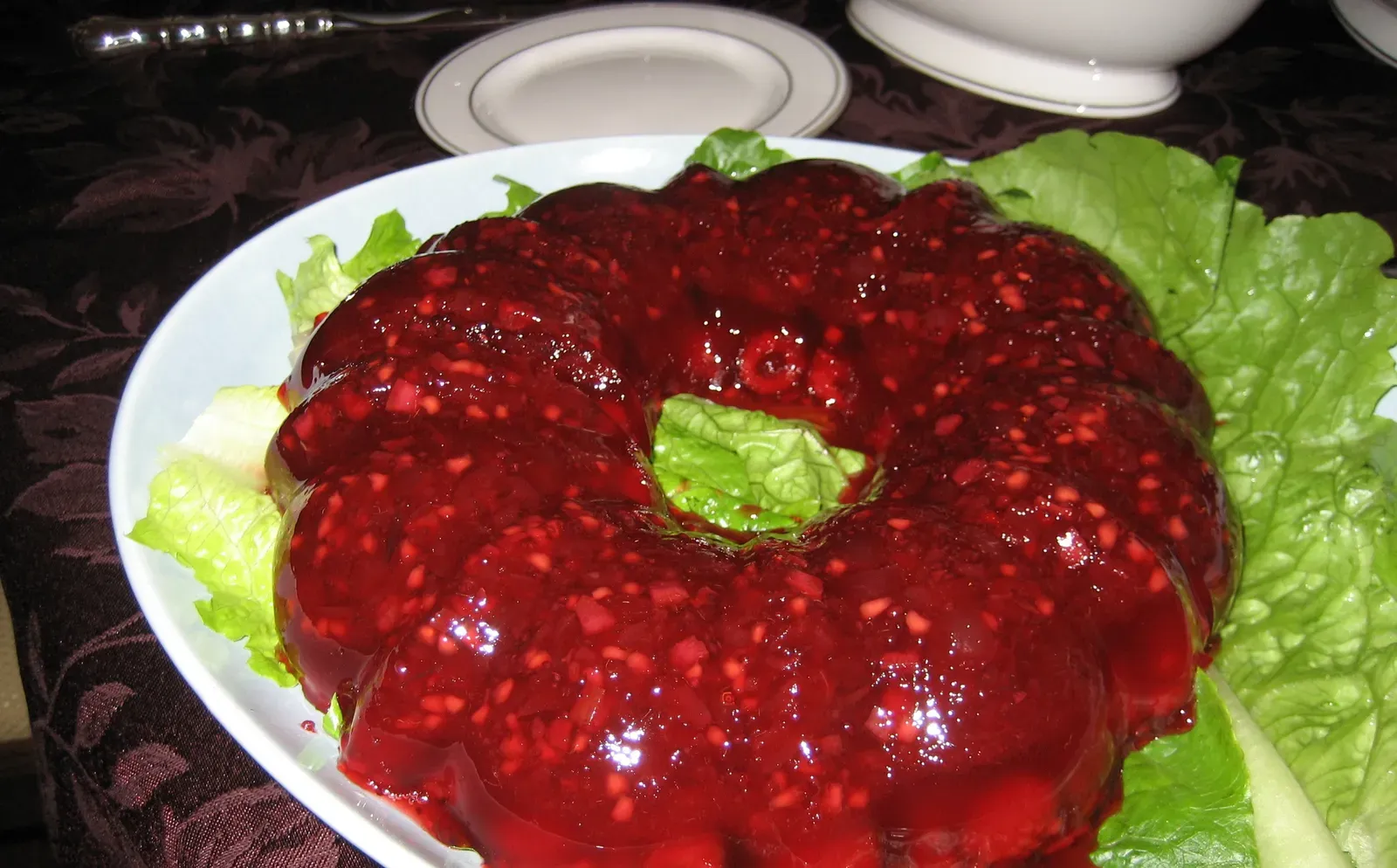
Gelatin was a star of 1950s home cooking, and festive tables often featured colorful molded salads with fruit, vegetables or whipped toppings suspended inside. Recipe booklets from food companies encouraged the trend.
Tastes moved toward fresher and less sweet dishes over the following decades. A few families keep a gelatin dish for sentimental reasons, yet it’s now more of a curiosity than a requirement.
Holiday Cocktail Parties at Home

Hosting a cocktail party was a popular way to entertain in the postwar suburbs. Hosts set out canapés, cheese balls and mixed drinks, and guests often dressed up for the occasion.
People still host gatherings, but they tend to be looser, with potluck dishes and more casual clothes. The formal, hostess driven style of the 1950s has mostly given way to something more relaxed.
Slide Show and Home Movie Nights
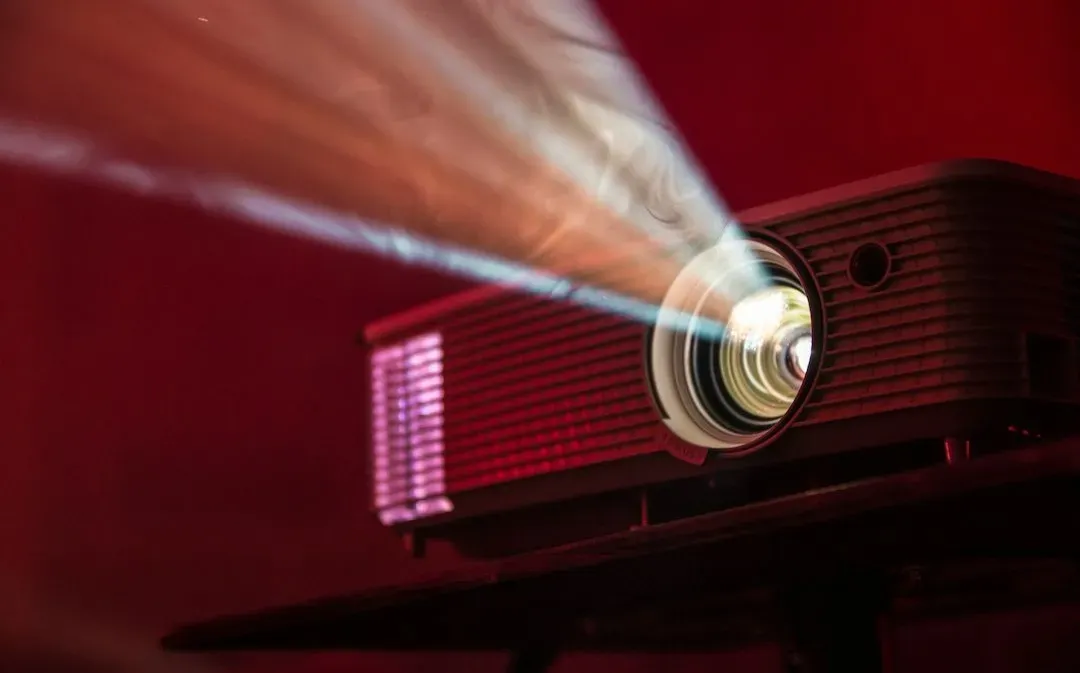
Many families spent holiday evenings with a slide projector or an 8mm movie projector, reviewing the year’s pictures on a screen or wall. Kodak and other makers had made home photography affordable and popular.
Digital cameras and smartphones changed the routine. People now share photos on phones or in group chats, so the ritual of dimming the lights and clicking through a tray of slides has largely disappeared.