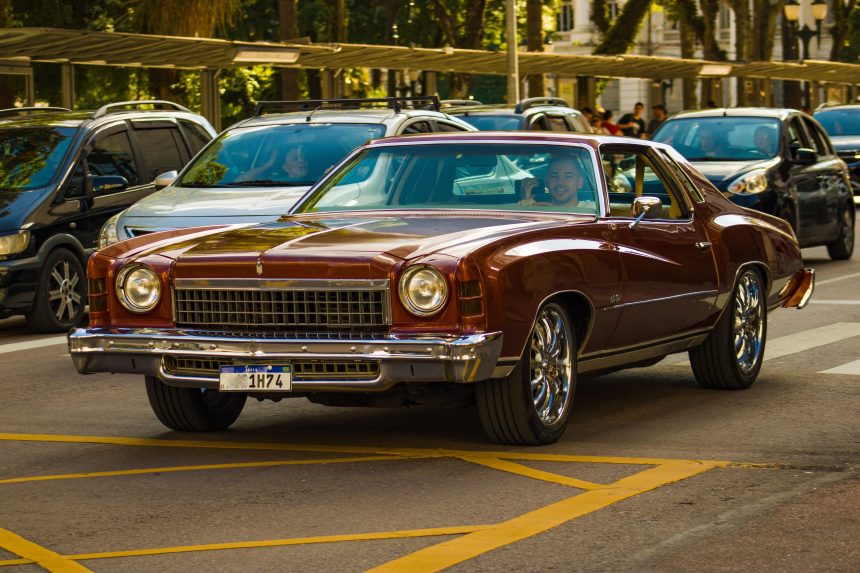
The 1970s were a strange stretch for the American driveway. Muscle cars were fading, emissions rules were tightening, and fuel prices jumped after the oil embargo of 1973. Automakers had to rethink what a car should be.
The results were odd, memorable and sometimes infamous. If these eight models bring back a smell of vinyl seats or the sound of a rattling hatch, you probably spent some of those years riding in the back.
Ford Pinto
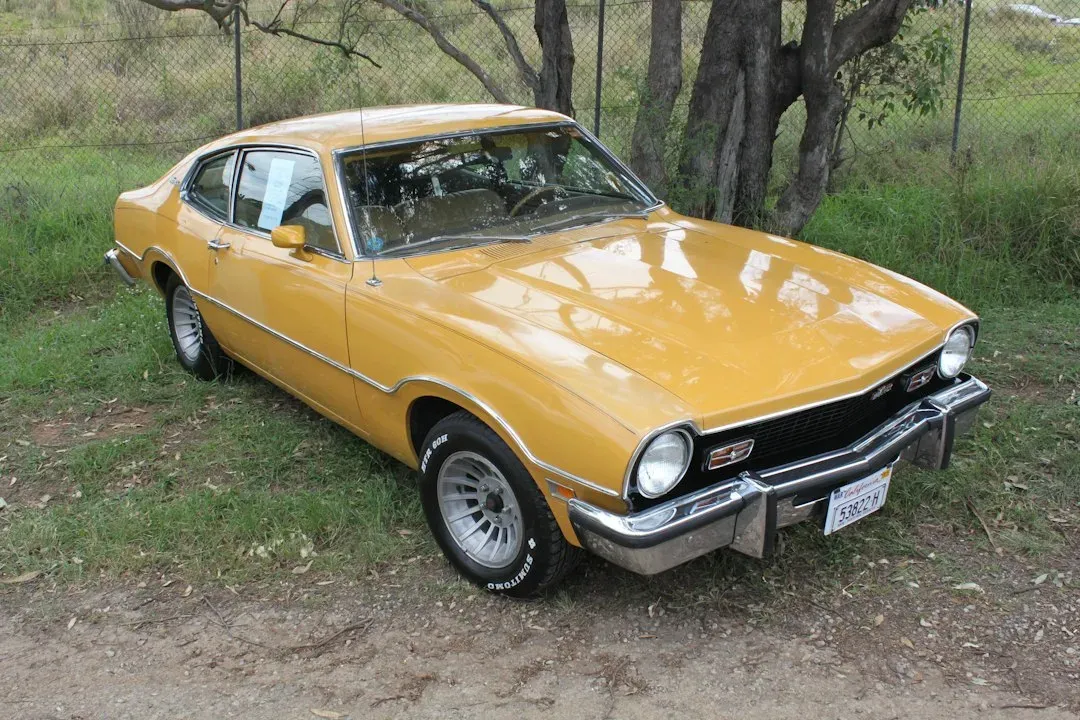
Ford introduced the Pinto in September 1970 as a 1971 model. It was a small, cheap car aimed at the growing wave of imports. It came as a sedan, a hatchback and later a wagon, and it sold in large numbers throughout the decade.
Its reputation changed because of the fuel tank placement and the lawsuits that followed. In 1978, Ford recalled about one and a half million Pintos from the 1971 to 1976 model years to address fuel tank concerns. Many people still know the car mainly through that story, which is a bit unfair to the thousands that simply got people to work.
AMC Gremlin
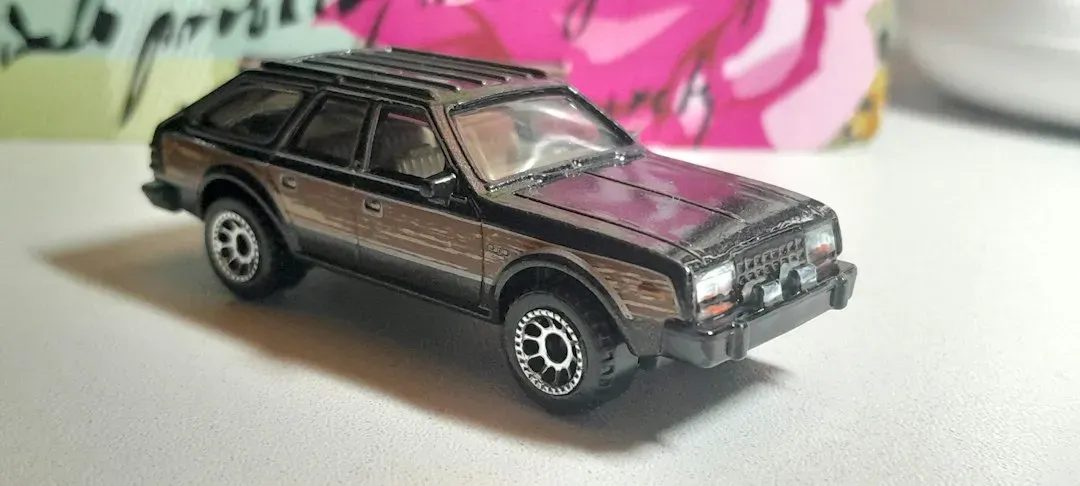
American Motors unveiled the Gremlin on April 1, 1970, and the date fit. The car looked as if someone had sliced off the back of a compact Hornet. It beat the Pinto and the Vega to market as a subcompact from an American brand.
The sloping tail and long hood gave it a shape nobody mistook for anything else. It stayed in production until 1978, with options like a sporty X trim and the Levi’s denim interior. If you rode in one, you remember how odd it looked.
Chevrolet Vega
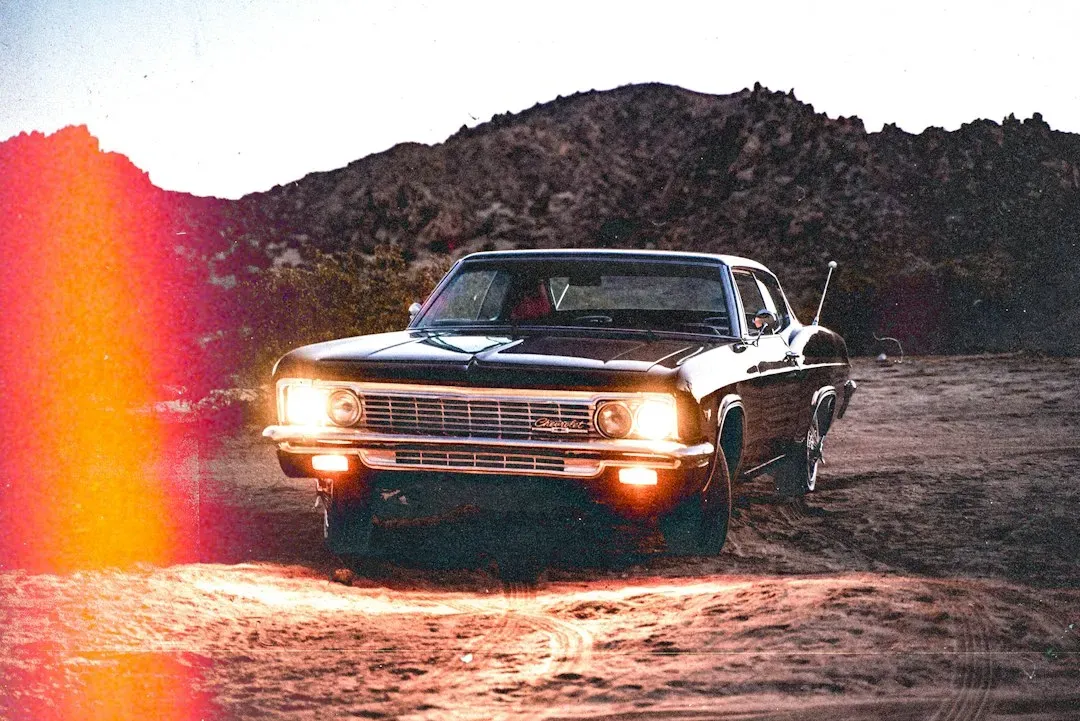
Chevrolet launched the Vega for the 1971 model year, and Motor Trend named it Car of the Year at the start. It had a sleek look, a lightweight aluminum engine block and a small price. Showrooms had plenty of buyers early on.
Trouble followed, including rust and engine durability problems that hurt its image. Production wrapped up after the 1977 model year. Vegas are now rare on the road, which is perhaps the clearest sign of how they aged.
Chevrolet Monte Carlo
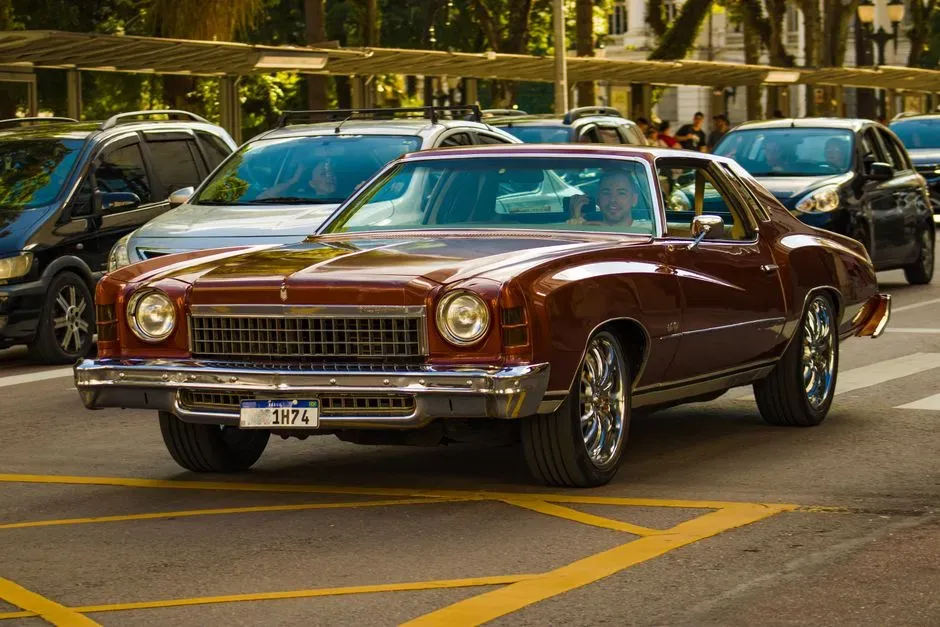
The Monte Carlo arrived for 1970 as a personal luxury coupe. It had a very long hood, a formal roofline and a plush interior, and it was built on the same platform as the Chevelle. Buyers who wanted comfort and style without a Cadillac price tag found it appealing.
The car sold strongly through the decade, and the 1973 redesign pushed it even further toward luxury. It also had a presence in stock car racing. For many families, it was the big coupe parked in the neighbor’s driveway.
Pontiac Firebird Trans Am
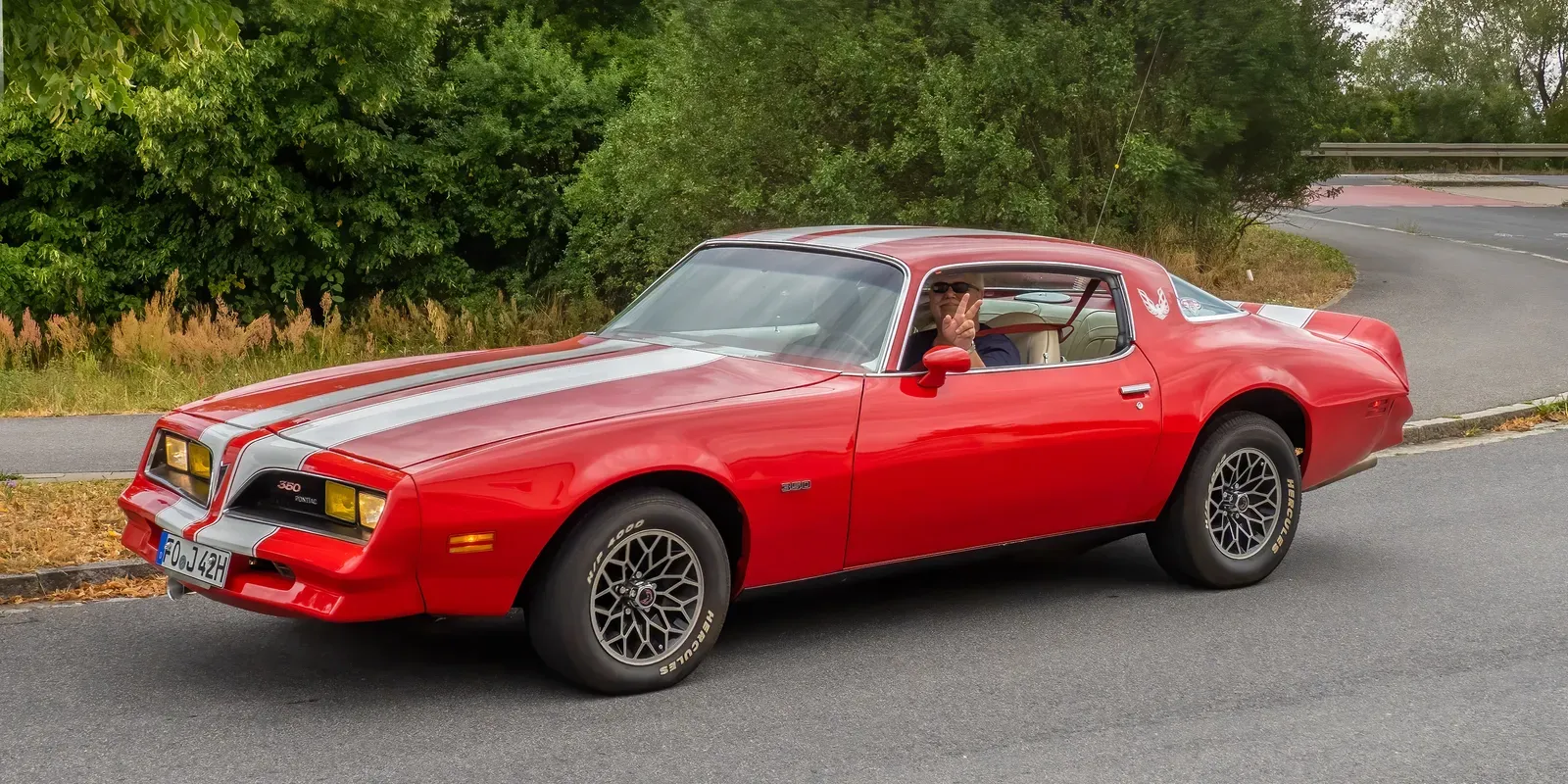
The Trans Am hit its second generation in 1970, and it kept its performance image even as power numbers dropped across the industry. Its wide stance and optional shaker hood scoop made it stand out. By the later part of the decade, it had become a pop culture icon.
The 1977 film Smokey and the Bandit featured a black and gold Trans Am, and showroom traffic reportedly surged. The car’s screaming chicken hood decal became a symbol of the era. Plenty of kids from that time still sketched one in a school notebook.
Datsun 240Z
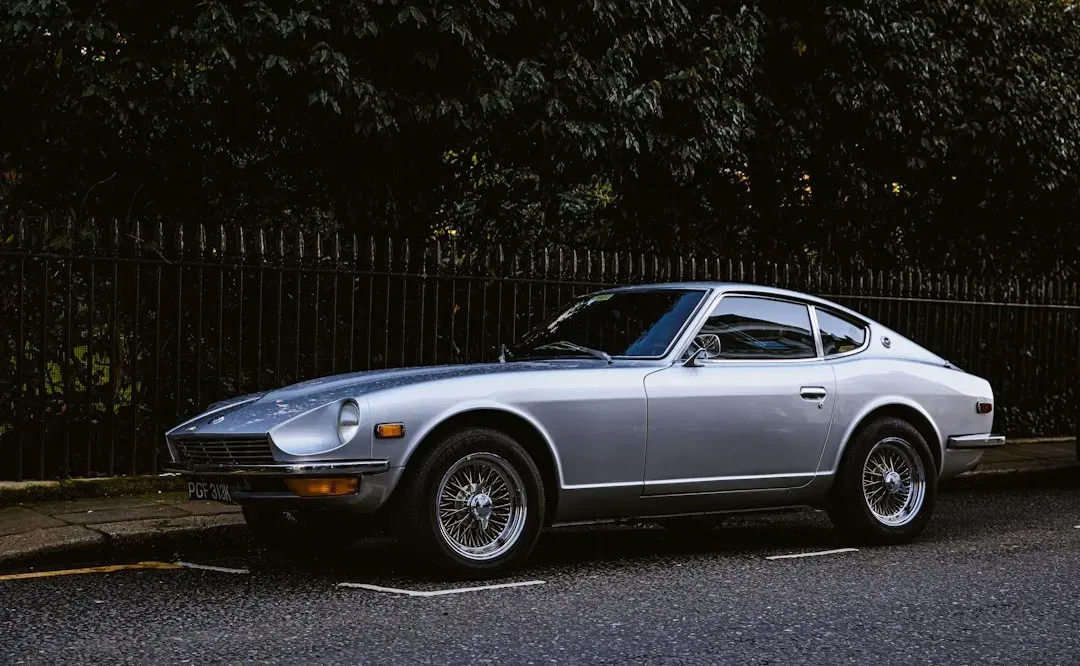
Datsun brought the 240Z to the United States in 1970, and it changed how many Americans saw Japanese cars. It had a 2.4 liter inline six engine, independent suspension and a long hood with a fastback profile. The price was modest compared with European sports cars.
Demand was strong enough that dealers often had waiting lists. The Z became one of the best known sports cars of the decade. Later generations such as the 260Z and 280Z continued the line.
Ford Mustang II
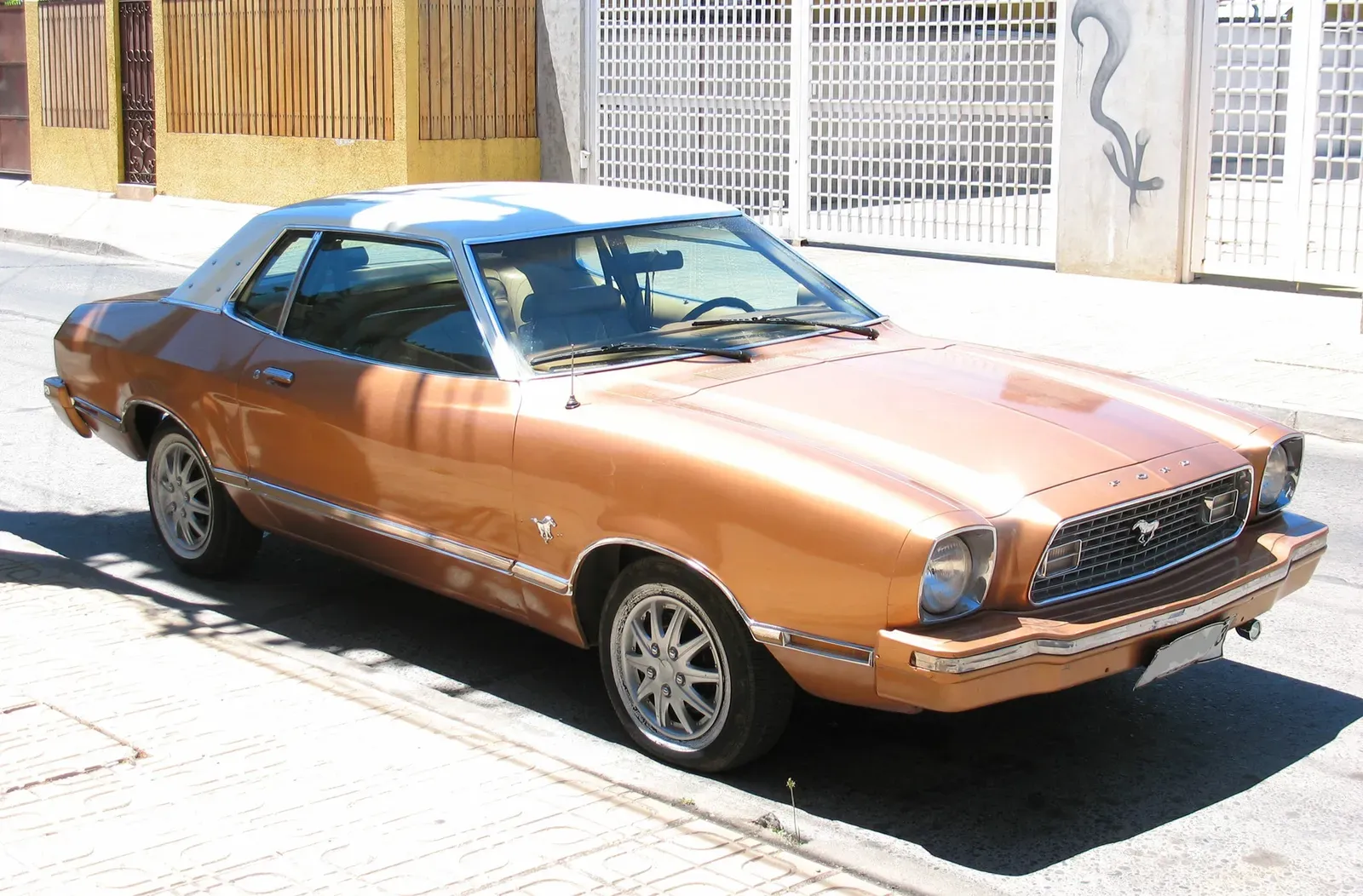
When the Mustang II appeared for 1974, it was much smaller than the original pony car. Ford built it on the Pinto platform in response to rising fuel costs and changing buyer needs. Motor Trend named it Car of the Year for 1974.
The timing worked in its favor, and sales passed one million in roughly its first three years. Purists often complained about the lack of a V8 at launch, though one came back for 1975. It remained on sale through the 1978 model year.
Honda Civic
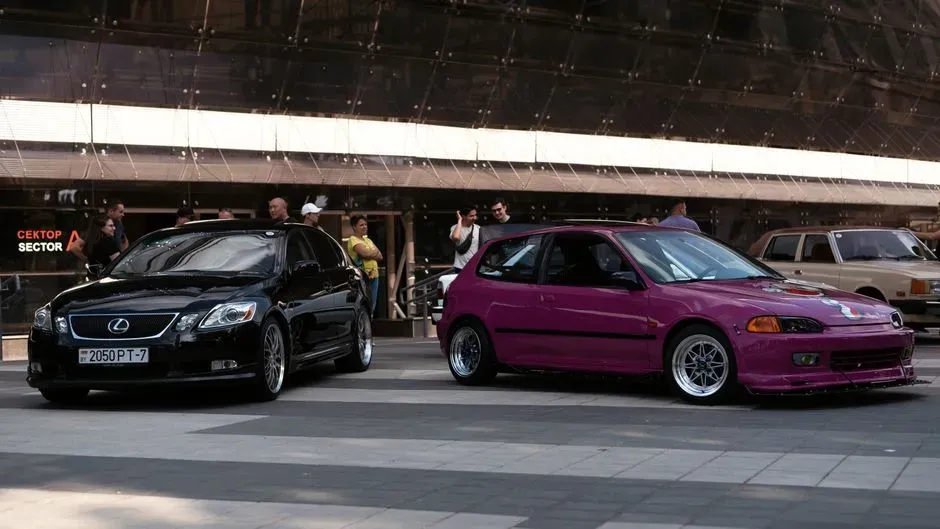
The Civic reached the United States in 1973, just as the fuel crisis was changing what people wanted from a car. It was small, light and efficient. Many American drivers had never considered a Japanese compact before.
In 1975, Honda introduced the CVCC engine, which met federal emissions standards without a catalytic converter. That gave the Civic a reputation for clean, thrifty engineering. For many families, it was the first small car that felt well built.
Final Thoughts
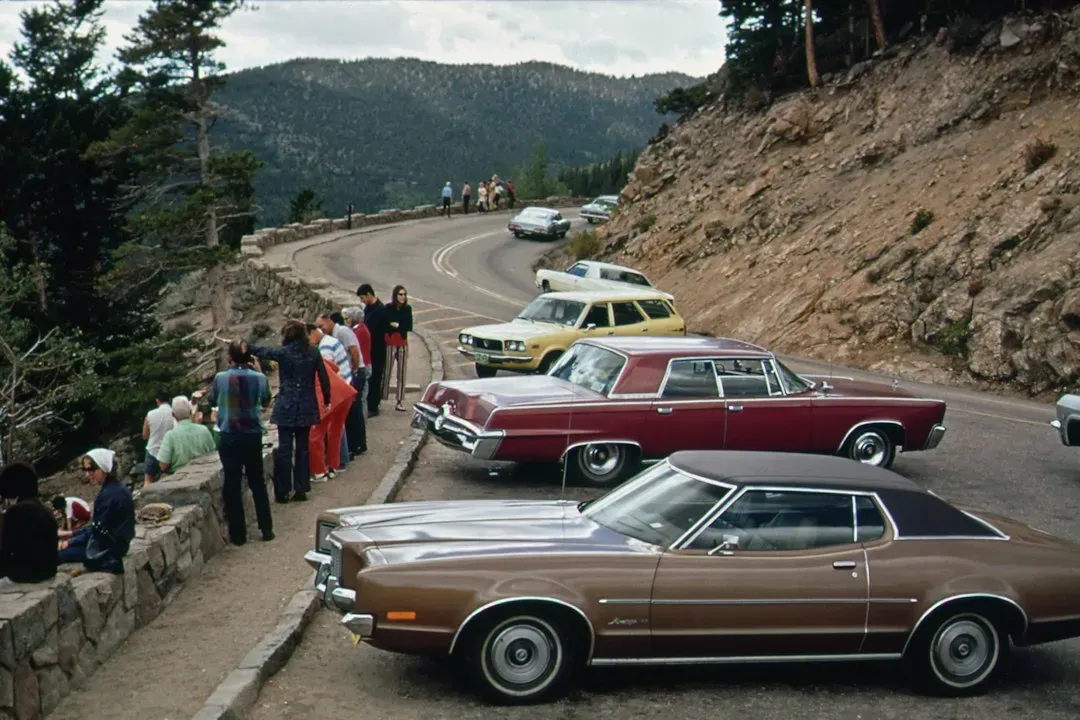
These eight cars cover the range of the 1970s, from compact oddities to personal luxury coupes and rising imports. Each one reflects a different answer to the same decade of fuel prices, regulations and shifting tastes.