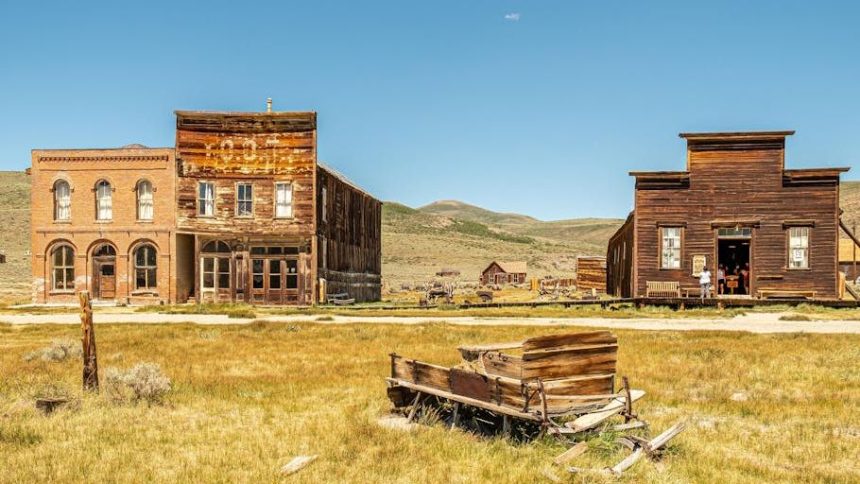
Nevada has more ghost towns than living, breathing cities. That single fact says something profound about the state’s history. The Silver State is home to more ghost towns than populated cities, and many of them sit just beyond the reach of Las Vegas’s neon glow, waiting quietly in the desert for anyone willing to make the drive. These ghost towns are the remnants of once-thriving mining communities from the late 19th and early 20th centuries, mostly abandoned when the ores played out, metal prices fell, or railroads passed them by. What makes this region remarkable is how accessible all of it still is. Pack water, wear sturdy shoes, and you can spend a weekend touching a history that most tourists never bother to find.
1. Nelson (Eldorado Canyon): The Lawless Gold Town 45 Minutes From the Strip

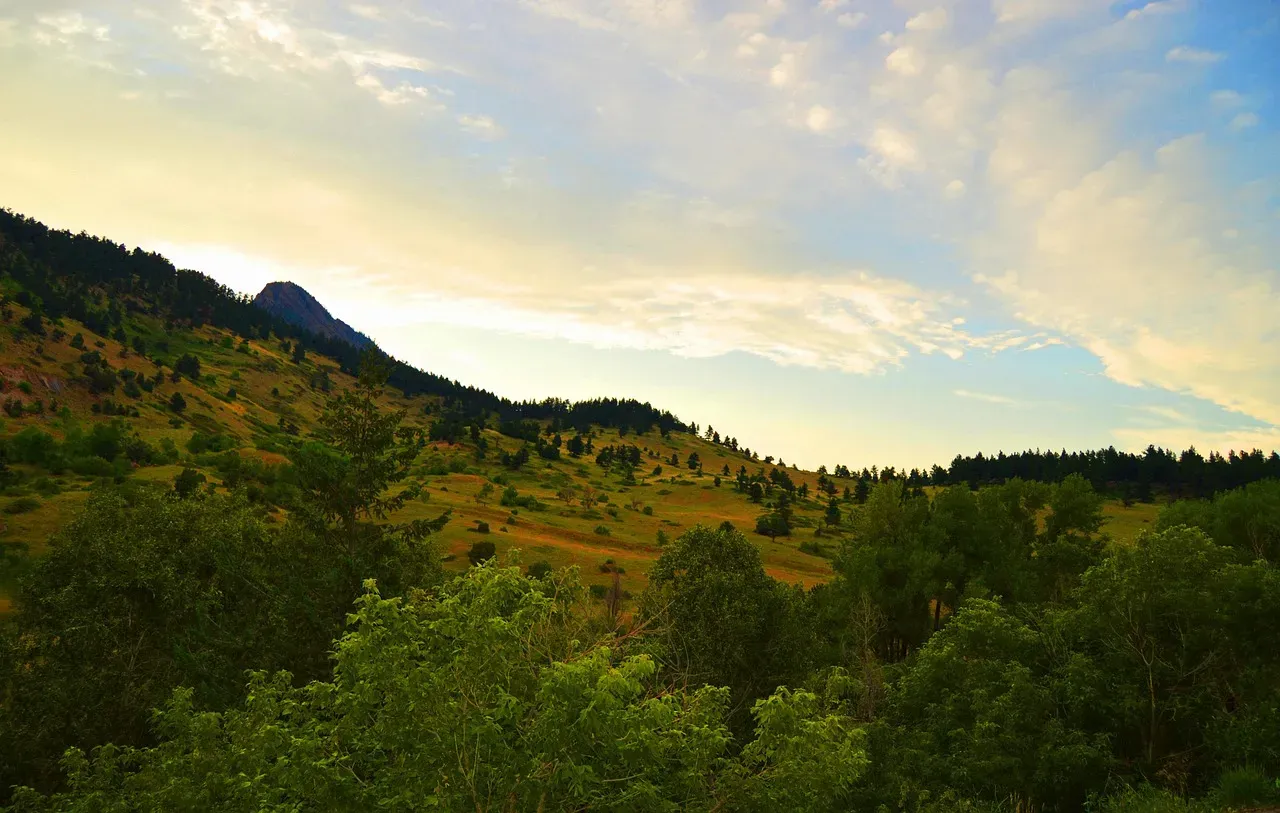
Nestled in Eldorado Canyon just 45 minutes from Las Vegas is Nelson, home to the Techatticup Mine. The town’s roots run deep and dark. The area was originally called Eldorado in 1775 by the Spaniards who made the first gold discoveries in what is now Eldorado Canyon. The town was the site of one of the first major gold strikes in Nevada and one of the biggest mining booms in state history, with gold and silver discovered around 1859.
In its heyday, the area established a reputation for being rough and lawless. During the Civil War, deserters from both the Union and Confederate armies wandered there, hoping such an isolated location would be the last place military authorities would look for them. The nearest sheriff was 200 miles away, so the law rarely made an appearance in El Dorado Canyon.
The community called Nelson was named for Charles Nelson, a camp leader who was slain in his home, along with four other people, in 1897. The mines in the canyon were active from about 1858 until 1945. After the town was abandoned, it got a second chance in 1994 when Tony and Bobbie Werly purchased Nelson, restored many of the old buildings, and opened up the Techatticup Mine for public tours.
The site features one unusual spectacle: a small aircraft seemingly smashed nose-first into a dune. The plane is not a true relic but a fabricated wreck from the 2001 crime film “3000 Miles to Graceland.” Sprawling across a rugged desert landscape, Nelson’s ghost town presents photographers with more than twenty historic structures, vintage vehicles, and mining artifacts that create an atmospheric backdrop for creative shoots.
2. Goodsprings: The Pioneer Saloon Still Pours Drinks in a Town That Refuses to Die

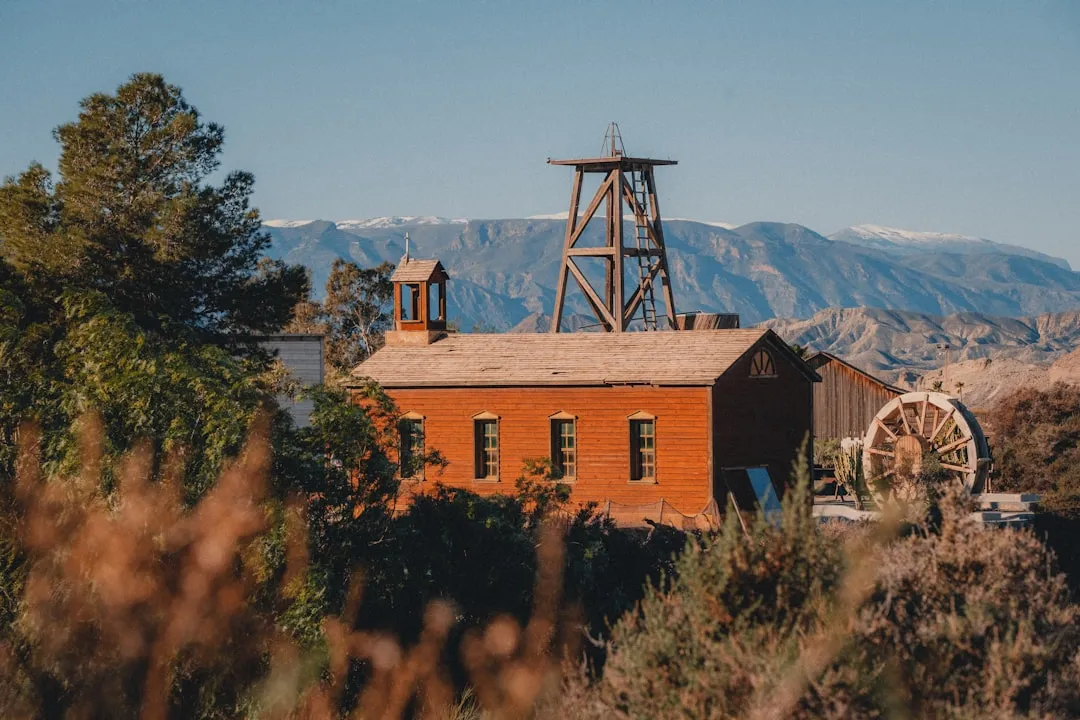
At this Clark County ghost town situated just 45 minutes south of the Las Vegas Strip near Jean, visitors can drink in history at the Pioneer Saloon, kick up dust on adrenaline-pumping off-road tours, and explore what was one of the most bountiful mining districts in southern Nevada. The town was named for cattle rancher Joseph Good, whose cattle frequented a spring in the southeastern foothills of the Spring Mountains. Mormon miners discovered lead at Potosi Mountain in 1856, and gold was first discovered in the region in 1893.
With the arrival of the railroad in 1911, the town quickly transformed from a cluster of tents and cabins into a proper boomtown. During WWI, Goodsprings became wealthy supplying zinc and lead for the war effort, and by 1918 the town’s 800 residents enjoyed a developed downtown with a hospital, luxury hotel, post office, and a weekly newspaper.
The Pioneer Saloon is the oldest bar in southern Nevada, established in 1913. Goodsprings’ Pioneer Saloon achieved fame long before the 1940s, but soared to stardom after a tragic incident involving two of Hollywood’s most famous celebrities. In 1942, actress Carole Lombard was flying from Las Vegas to Los Angeles when her plane crashed into Mt. Potosi, a mere 11 miles from Goodsprings. Lombard’s husband, actor Clark Gable, waited at the Pioneer Saloon for days awaiting news from her search party.
Another famous Pioneer story involves a deadly game of cards in 1915. An out-of-work miner named Paul Coski was shot dead by Joe Armstrong, the poker dealer who caught Paul cheating. The local newspaper headline and coroner’s report are displayed in the saloon on the original tin wall, with three fully penetrating holes which many believe are the original bullet holes from the shooting. In recent years, Goodsprings has gained newfound notoriety as a featured location in “Fallout: New Vegas,” and fans can explore the video game’s true-to-life sights in person, including the cemetery, historic schoolhouse, and the Pioneer Saloon.
3. Rhyolite: Nevada’s Most Photographed Ghost Town and Its Astonishing Rise and Fall
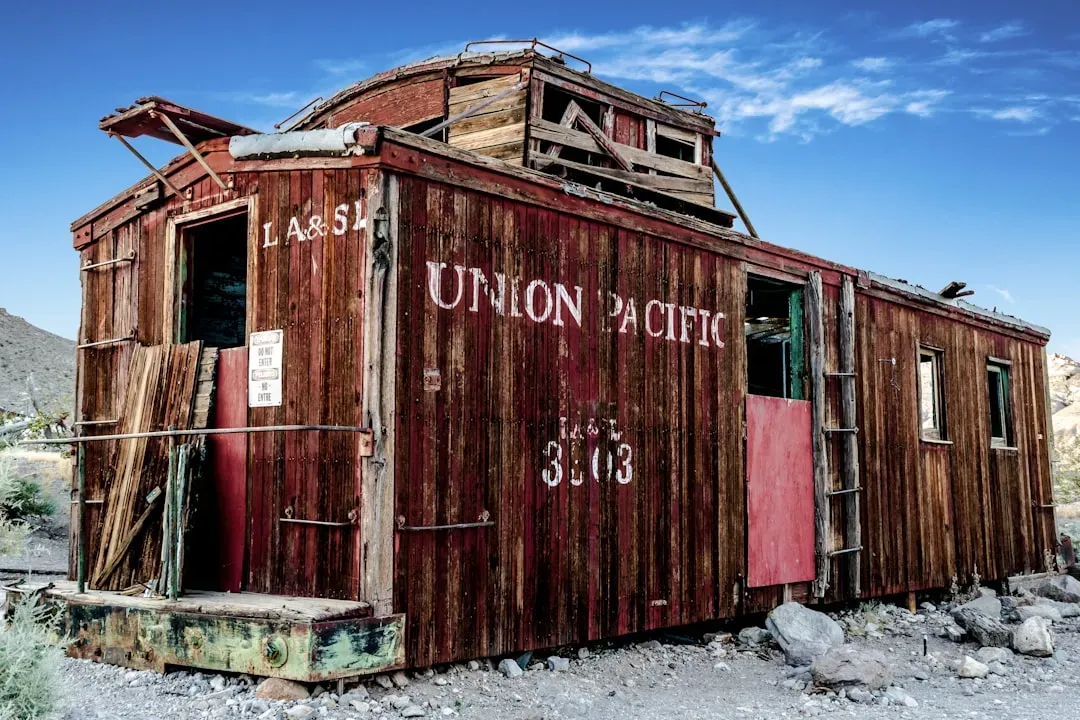
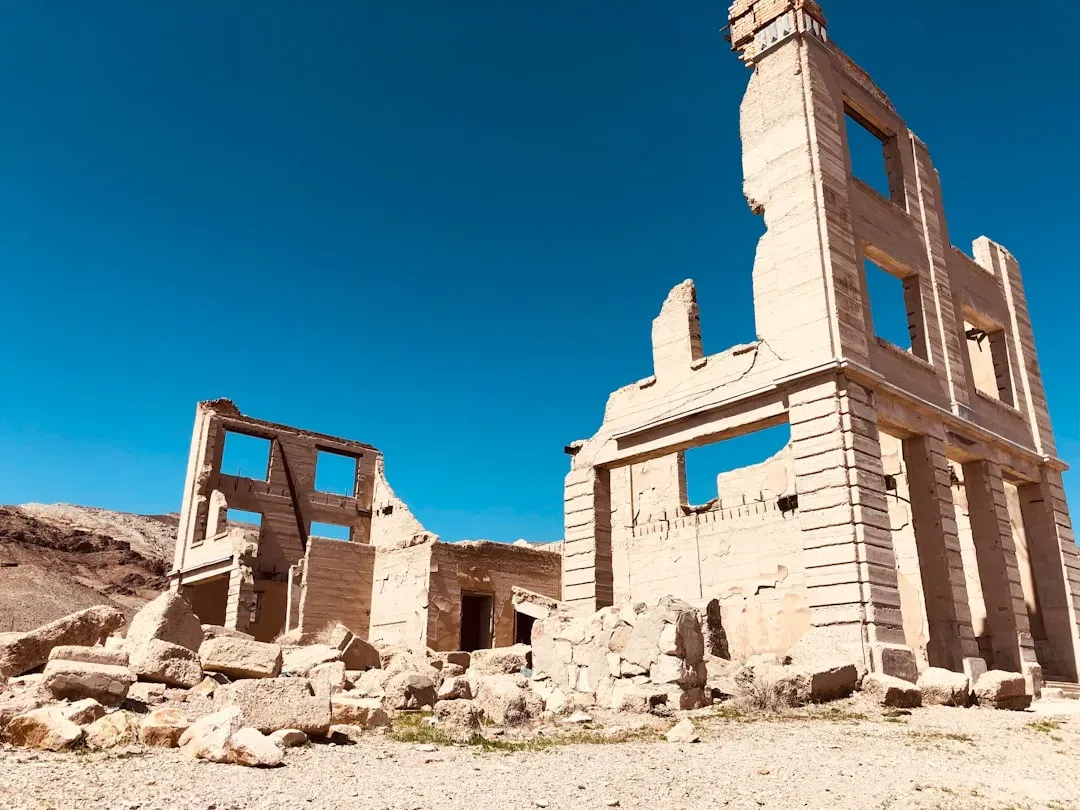
Rhyolite is a ghost town in Nye County, Nevada, situated in the Bullfrog Hills about 120 miles northwest of Las Vegas, near the eastern boundary of Death Valley National Park. Like many ghost towns in the western USA, Rhyolite was born in a gold rush when Shorty Harris and Ed Cross struck gold in August 1904 in the Bullfrog Mountains west of Death Valley. Named for the area’s unique volcanic rock, Rhyolite grew as long as there was gold to be found, which was only a few years from 1905 to 1910.
Starting as a two-man camp in January 1905, Rhyolite became a town of 1,200 people in two weeks and reached a population of 2,500 by June 1905. By then it had 50 saloons, 35 gambling tables, cribs for prostitution, 19 lodging houses, 16 restaurants, half a dozen barbers, a public bath house, and a weekly newspaper, the Rhyolite Herald.
It was established in 1905 as a mining town, and by 1908 it was the third-largest city in Nevada. By 1910, Rhyolite’s mines were operating at a loss and closed in 1911. Between 1907 and 1910, the district produced an astonishing amount of gold, worth over $56 million in 2025 terms. Soon only 1,000 people called it home, and by 1920 only 24 remained. Within four years, they too moved on, and the town declined as rapidly as it had come to life.
Before the railroad reached Rhyolite, building materials were scarce, so Australian Tom Kelly built his Rhyolite bottle house in 1906. Instead of looking for wood, Kelly used adobe mud to hold together the 50,000 glass bottles that make up his three-room, L-shaped home. Adjacent to Rhyolite, the Goldwell Open Air Museum transforms the desert into an open-air gallery. Founded in 1984 by Belgian artist Albert Szukalski, it features works like “The Last Supper,” a ghostly plaster rendition of the biblical scene, and a 25-foot pink cinderblock nude titled “Lady in the Desert.”
4. St. Thomas: The Ghost Town That Drowned Beneath Lake Mead and Came Back

Unlike most ghost towns, St. Thomas did not disappear because of mining failure. It vanished underwater. Founded in 1865, St. Thomas was one of Nevada’s earliest settlements, with homes, stores, a school, a church, and a thriving small-town economy. When Hoover Dam was completed and Lake Mead began to fill, rising waters slowly swallowed the town.
The members of the LDS Church founded St. Thomas in 1865. Thomas Smith led the group, hence the town’s name. The location was a prime farming area, and travelers could stop at the town because it was located along the Arrowhead Trail between Los Angeles and Salt Lake City. During a state boundary survey, the town was placed in Nevada in 1871, and the Nevada government demanded that the settlers pay taxes for inhabiting the land for the previous five years. In response, the settlers refused. The Mormons left the town, and those who decided to go burned their homes and crops before moving to Salt Lake City.
The construction of Hoover Dam and the resulting rise of the waters of the Colorado River forced the abandonment of the town, with the last resident, Hugh Lord, leaving June 11, 1938. The water covering St. Thomas has risen and subsided multiple times. In 2002, a drought caused the waters to retreat, exposing the ghost town to the present day.
Today you can walk amongst the ruins, and the National Park Service has installed interpretive signs to provide details of what life was like in St. Thomas. It does take a bit of a hike to get down to the old townsite from the parking area, and during the summer months, the heat of southern Nevada can make the journey considerably more difficult. The site is maintained by the Lake Mead National Recreation Area and makes an excellent side trip for those visiting nearby Valley of Fire.
5. Gold Point: A Nearly Forgotten Desert Town With a Few Stubborn Holdouts

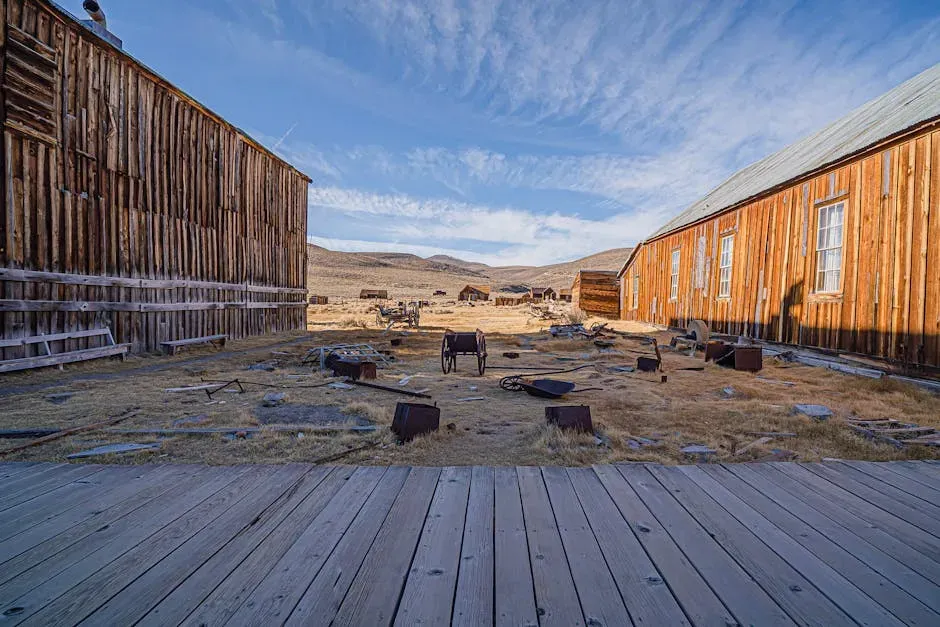
Evidence of ghost towns like these is present throughout Nevada as well as neighboring Arizona and California. Most are former boomtowns resulting from mining or speculation during the 1800s. Gold Point is one of the quieter entries on this list, a semi-abandoned silver and gold mining settlement tucked in Esmeralda County roughly two hours northwest of Las Vegas. While their glory days are firmly in the past, some of these ghost towns have re-emerged as historical attractions, and several are within a two-hour drive from Las Vegas.
Gold Point has had several names over the years, including Lime Point and Hornsilver, before settling on its current identity. The town was active during the early 20th century silver boom and, like most Nevada mining settlements, rapidly declined when ore deposits gave out. Unlike fully abandoned towns, Gold Point retains a tiny population of caretakers and curious desert dwellers who have kept a small number of original structures alive.
Visiting Gold Point today means driving through some of Nevada’s most open, untouched high-desert terrain. A handful of original buildings, rusted equipment, and weathered cabins still stand. Removing, disturbing, or damaging ghost town relics is illegal, so the rule at all Nevada ghost towns is to look but not touch, helping keep Nevada’s history intact for future visitors.
What the Five Towns Share and Why Nevada Has So Many of Them

Nevada’s ghost towns trace their origins to the mid-19th century, when gold and silver discoveries near Dayton in 1849 ignited a frenzy. The Comstock Lode’s success in the 1860s spurred prospecting across the state, birthing towns like Nelson and Delamar. By the early 1900s, new finds like Rhyolite’s Bullfrog strike fueled short-lived booms, often collapsing within a decade due to depleted ores or economic crises.
The story is a common one across the Old American West. A thriving town, complete with saloons, banks, and hotels, experiences unprecedented growth. Then one day, the economic sources dry up, and the town is soon deserted. What’s unusual about southern Nevada is the sheer density of these sites so close to a modern metropolis.
Practical Tips Before You Go

Summers in the area can be scorching, so bring water and snacks as these ghost towns have no nearby convenience stores. Most of these sites are open-air and free to walk, though Nelson charges a small admission fee per person to access its private property. The fate of Nelson’s Landing, destroyed in a 1974 flash flood, is a warning to visitors who should watch for conditions leading to flash flooding and be cautious of open mines and ventilation shafts.
Cell service can be unreliable once you leave the main highway, so download offline maps before heading out. For more remote sites like the ones in the desert interior, use a high-clearance vehicle and pack water and food for the journey. Most importantly, stay on established paths and respect all posted signs.
How the Ghost Towns Are Being Preserved

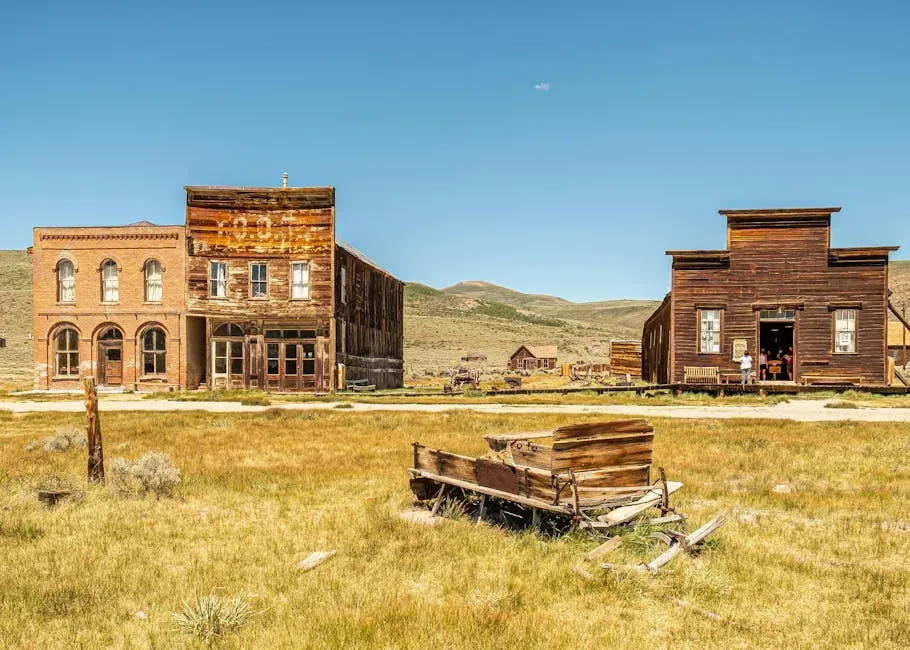
These ghost towns have transcended their origins and become cultural touchstones. Rhyolite’s ruins have starred in films, while Nelson’s restored buildings now host modern events from photo shoots to weddings. St. Thomas’ reemergence has sparked renewed interest in Lake Mead’s history, with rangers offering guided hikes to interpret its Mormon past.
While their glory days are firmly in the past, some of these ghost towns have re-emerged as historical attractions. Nevada’s state and federal agencies, along with private owners like the Werly family at Nelson, play a meaningful role in keeping the physical structures from disappearing entirely. The balance between access and preservation is delicate, and it depends on visitors respecting the sites.
The Drive Itself Is Part of the Experience
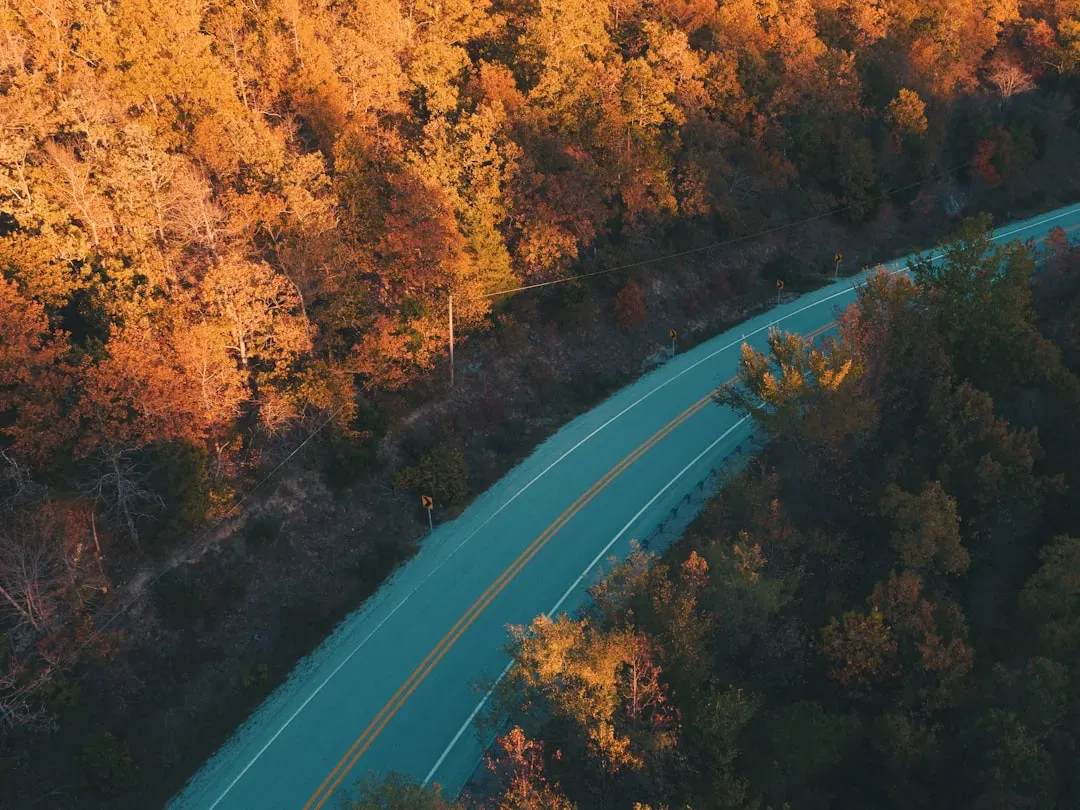
Getting to these towns is genuinely scenic. The road to Nelson drops down through the Eldorado Mountains with striking canyon views. Goodsprings sits near Jean, just off I-15, making it one of the most accessible ghost towns in the region. The push northwest to Rhyolite takes you through open basin-and-range country that looks much the same as it did when prospectors first crossed it on horseback.
None of these drives require special permits or four-wheel drive under normal conditions, though road quality can change after heavy rain. The drive to Nelson from Las Vegas takes about 50 minutes, and it goes quickly because the route is extremely scenic. Plan for at least half a day per site if you want to explore properly rather than just snap a few photos from the car.
What Ghost Towns Reveal About the American West
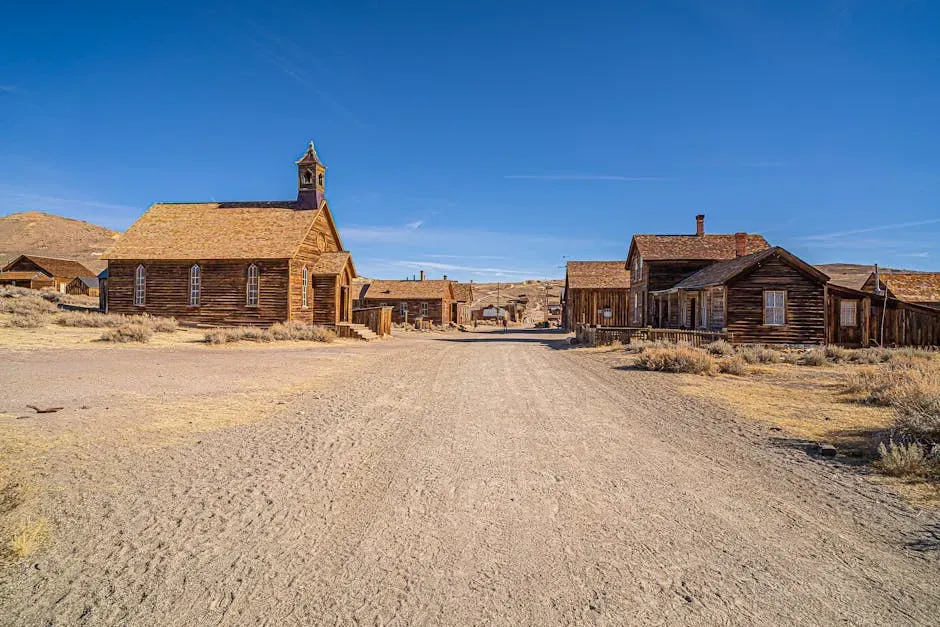
The top ghost towns in Nevada are more than abandoned places. They are preserved stories of ambition, risk, and survival. From the ruins of Rhyolite to the underwater mystery of St. Thomas, each town offers a different window into Nevada’s past. The speed of both construction and collapse in these towns is genuinely staggering. Rhyolite went from two prospectors to a city of thousands in a matter of weeks. Within a decade, it was empty.
Rhyolite is the epitome of the boom-to-bust mining town. In five years, it went from nothingness to a modern town, then to a handful of remaining residents, and finally to a complete ghost town. That pattern repeated itself across southern Nevada in town after town, leaving behind these remarkable time capsules in the desert.
A Final Word on Visiting Responsibly

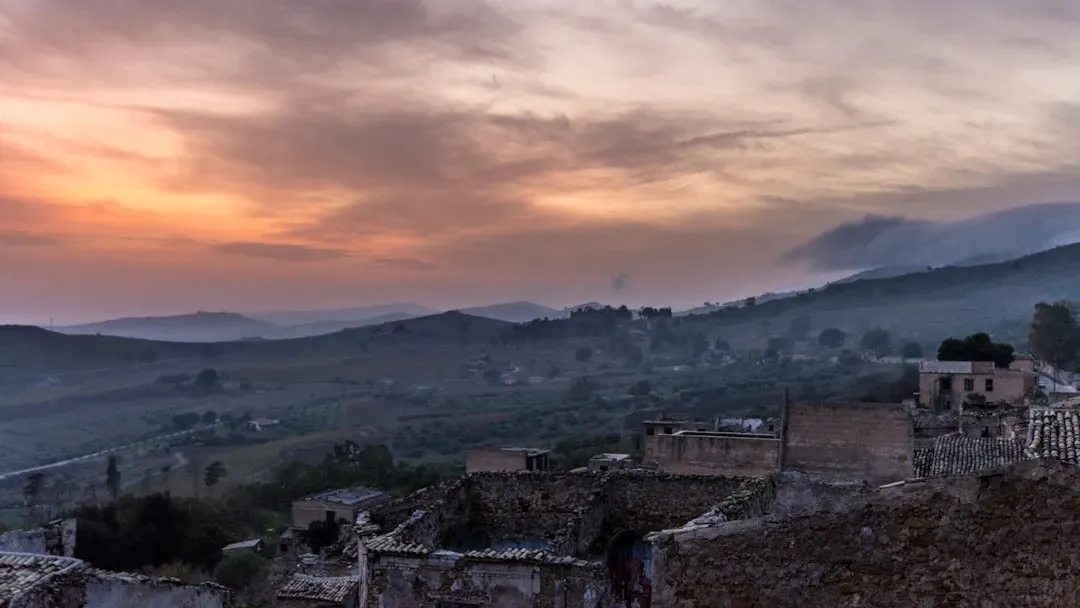
These places are genuinely irreplaceable. Removing, disturbing, or damaging ghost town relics is illegal. Look, but don’t touch, and help keep Nevada’s heart as wild and wide-open as it is today for visitors tomorrow. The National Park Service reminds visitors that collecting artifacts and using metal detectors is not allowed at protected recreation areas.
The towns covered here range from private and ticketed (Nelson) to fully free and federally managed (St. Thomas). All of them reward careful, unhurried exploration. These destinations are perfect for travelers who want something beyond casinos and city lights. They reveal the raw history of the American West and remind us how quickly fortune can rise and disappear.
There is something quietly unsettling about standing in a place that was once loud with ambition, now reduced to crumbling walls and desert silence. These five towns, each with a different story and a different kind of ruin, are all within reach of Las Vegas on a single tank of gas. The neon will still be there when you get back.