The Initial Ticket Release Frenzy


Let’s talk about what happened when both artists announced residency dates. For Adele’s Weekends with Adele residency, the 100,000 tickets that went on sale sold out within six hours. That’s not a typo. Six hours for what was supposed to be months of shows. Usher’s “My Way” Las Vegas residency launched in July 2022, with tickets selling out almost immediately, yet there’s a distinction in exactly how fast those vanished.
The difference here feels meaningful. Adele’s shows created a kind of panic among fans that seemed almost unprecedented. Registration systems had to be set up just to manage the chaos, with random selections determining who even got the chance to buy. Usher’s sell-out was impressive, sure, but reports don’t show the same level of infrastructure strain or waitlist mania.
What Resale Markets Reveal About Demand


According to SeatGeek, the average ticket price for Adele’s Saturday shows reached $4,849, with the cheapest seats going for $2,828. That’s not VIP pricing or front-row luxury. That’s just getting through the door. On StubHub, the get-in price was currently $2,075. People were genuinely paying thousands just to be in the same room.
At Vivid Seats, Usher resale tickets could be found for under $100, though most tickets were at least $200-$300 for decent seats and around $500-$1,500 and above for VIP. The gap is staggering. While Usher’s prices climbed into the hundreds and occasionally the low thousands for premium experiences, Adele’s baseline started where Usher’s top tier ended.
Revenue Per Show and Gross Performance


Adele’s initial residency run resulted in an average gross of 2.2 million dollars per show. That figure reflects not just high demand but sustained, intense interest across every single performance. When you’re pulling in that kind of money consistently, it signals something beyond typical concert economics.
Usher’s first residency earned $18.8 million from 84,000 tickets sold, while “My Way: The Vegas Residency” earned $95.9 million from 394,000 tickets sold, totaling to $114.6 million. Impressive numbers, no question. Yet when you break down the per-show average, Adele’s numbers still edge ahead in pure financial intensity per performance.
Fan Demographics and Geographic Reach


Honestly, who’s buying these tickets matters. Adele’s fanbase skews toward devoted ballad enthusiasts who’ve followed her since the “21” era and are willing to travel internationally for limited show opportunities. Her concentrated residency model means fewer total dates, which amplifies scarcity.
Usher’s tour saw overwhelming demand, expanding from the original 24 shows to 58, more than doubling the amount of shows that were previously announced. That tells you something important: Usher responded to demand by adding supply. Adele kept her show count deliberately limited, maintaining artificial scarcity that kept prices astronomical. Different strategies, different ticket battles.
Secondary Market Price Extremes

Some of the reported numbers feel almost fictional. Reports showed that the “Weekends with Adele” residency at Caesars Palace followed her 10-date Munich residency, which brought in 730,000 fans. That European demand then funneled back to Vegas with renewed intensity. People who missed Munich were desperate for Vegas tickets.
Meanwhile, discussions around Usher tickets on resale platforms showed volatility but rarely the sustained four-figure floor prices Adele commanded. It’s hard to say for sure without complete market data, but the pattern is pretty clear: Adele tickets existed in a different pricing atmosphere entirely, especially around peak dates like Valentine’s Day weekend when romantic demand spiked.
The Venue and Capacity Factor


The Colosseum at Caesars Palace holds roughly 4,000 people. That’s intimate for a superstar. Every Adele show was intentionally small, creating an exclusivity that translated directly into ticket competition. Usher’s residency at Park MGM sold out consistently throughout its run and was extended several times until December 2023 to meet popular demand.
Usher performed at venues with similar capacities but had more total dates spread across different residencies and then a massive tour. More opportunities meant more tickets. More tickets meant slightly less cutthroat competition for any single show, even if individual performances still sold out.
Historical Attendance Records and Industry Impact

Adele set a new total attendance record at Munich Messe, attracting more than 730,000 people, with the Munich performances recording the highest attendance for any concert residency outside Las Vegas over 10 consecutive dates. That’s a ridiculous achievement. Building a temporary 73,000-seat stadium for one artist and filling it every night demonstrates demand on a scale that few can match.
With both residencies, Usher did a total of 100 shows in Las Vegas, becoming one of the most critically-acclaimed Vegas residencies of all-time. Critically acclaimed, yes. Financially successful, absolutely. But the raw attendance records and per-show intensity? Adele’s numbers tell a slightly different story.
The Super Bowl Boost and Cultural Momentum

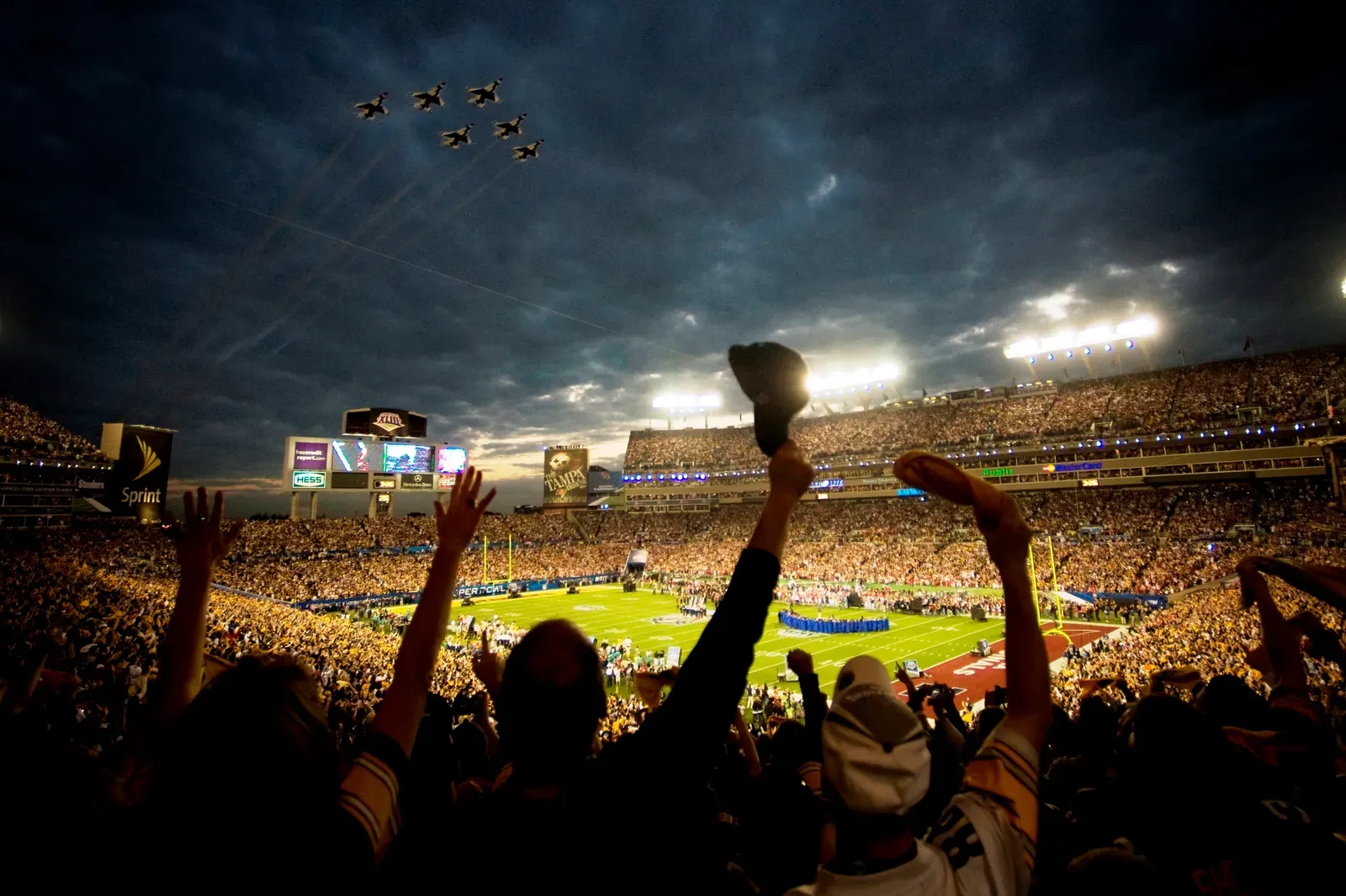
Usher headlined the Apple Music Super Bowl LVIII Halftime Show at the 2024 Super Bowl on Sunday, February 11. That kind of exposure is massive. Roughly 100 million people watched him perform, which undoubtedly spiked interest in his tour dates immediately following the event.
Adele didn’t have a comparable cultural moment in 2024, yet her ticket prices remained stratospheric regardless. That suggests her demand was less dependent on promotional peaks and more about sustained, built-in scarcity. Usher got a huge visibility bump, which helped fill additional tour stops, but Adele’s limited availability kept her in perpetual sell-out mode.
Touring Strategy: Scarcity vs. Accessibility


Here’s the thing: Adele deliberately chose not to tour extensively. Her residencies were it. No North American tour, no multi-city stops, just Vegas and one European pop-up. That strategic limitation turned every ticket into gold.
Usher’s Past Present Future tour began on August 20, 2024 in Washington, D.C. and concluded on May 7, 2025 in London. He went everywhere. Fans in dozens of cities had chances to see him, which distributed demand across many more dates and venues. If you missed Brooklyn, you could catch Atlanta. Miss Atlanta, try Houston. Adele offered no such flexibility.
Valentine’s Day Premium and Romantic Demand


Valentine’s Day weekend is a different beast entirely. Couples want memorable experiences, and a concert from either artist fits that bill perfectly. But Adele’s ballads – “Someone Like You,” “Make You Feel My Love” – are tailor-made for romantic occasions. That thematic fit likely drove Valentine’s weekend Adele tickets into even more ridiculous territory.
Usher brings energy, nostalgia, and R&B classics that absolutely work for date night. Yet the vibe is different. Adele’s shows feel like emotional events, confessional and intimate. For Valentine’s specifically, that distinction probably pushed her tickets into the “hardest to get” category, especially given how few weekend dates she offered.