


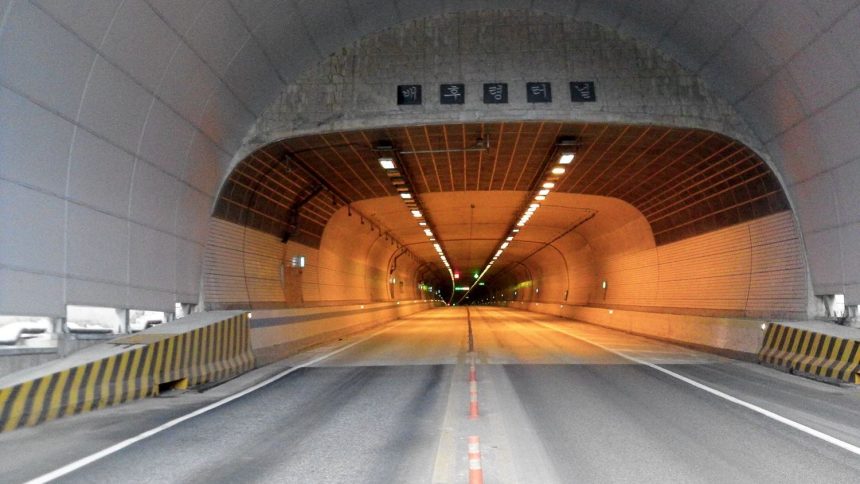
The promise sounds almost too good to be true. Step into a Tesla, zip through an underground tunnel, and emerge downtown in less time than it takes to order coffee. Elon Musk’s Boring Company has been selling this vision of ultrafast Vegas transportation since the first tunnels broke ground, and excitement keeps building. Yet here we are in early 2026, and the question everyone’s asking is whether these lightning-fast trip times are real or just hype.
Las Vegas is betting big on underground travel, but the details tell a more complicated story. Let’s dig into what’s actually operational, what’s still on the drawing board, and whether you’ll really beat the Strip traffic by going below it.
What Actually Exists Right Now

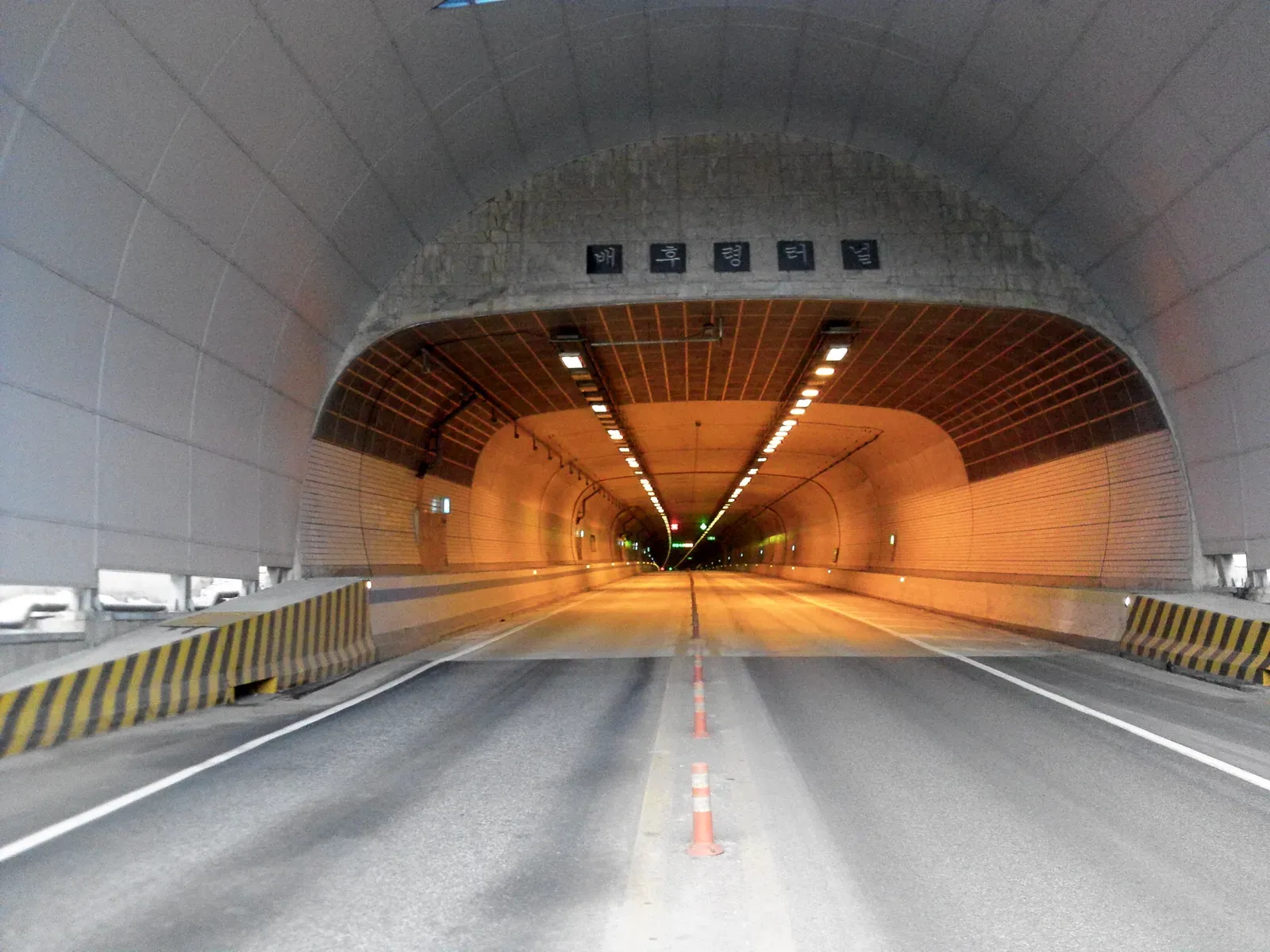
The Vegas Loop has over 10 miles of tunnels dug, with about 4 miles of that operational. That’s the reality check right up front. While The Boring Company has done serious digging, most of those tunnels aren’t carrying passengers yet.
Stations now operate at Encore, Resorts World, Westgate, and several locations across the Las Vegas Convention Center campus. If you’re attending a convention or staying at one of those specific hotels, you’re in luck. For everyone else, the system remains frustratingly out of reach. Currently, one section of the Vegas Loop is operational – the LVCC Loop – which has 1.7 miles of tunnels connecting the LVCC West Hall with the main campus.
The core operational zone sits firmly around the convention center and a handful of nearby properties. Downtown Las Vegas, the airport’s full connection, and most Strip resorts remain unconnected as of late January 2026.
The Two-Minute Trip That Actually Works

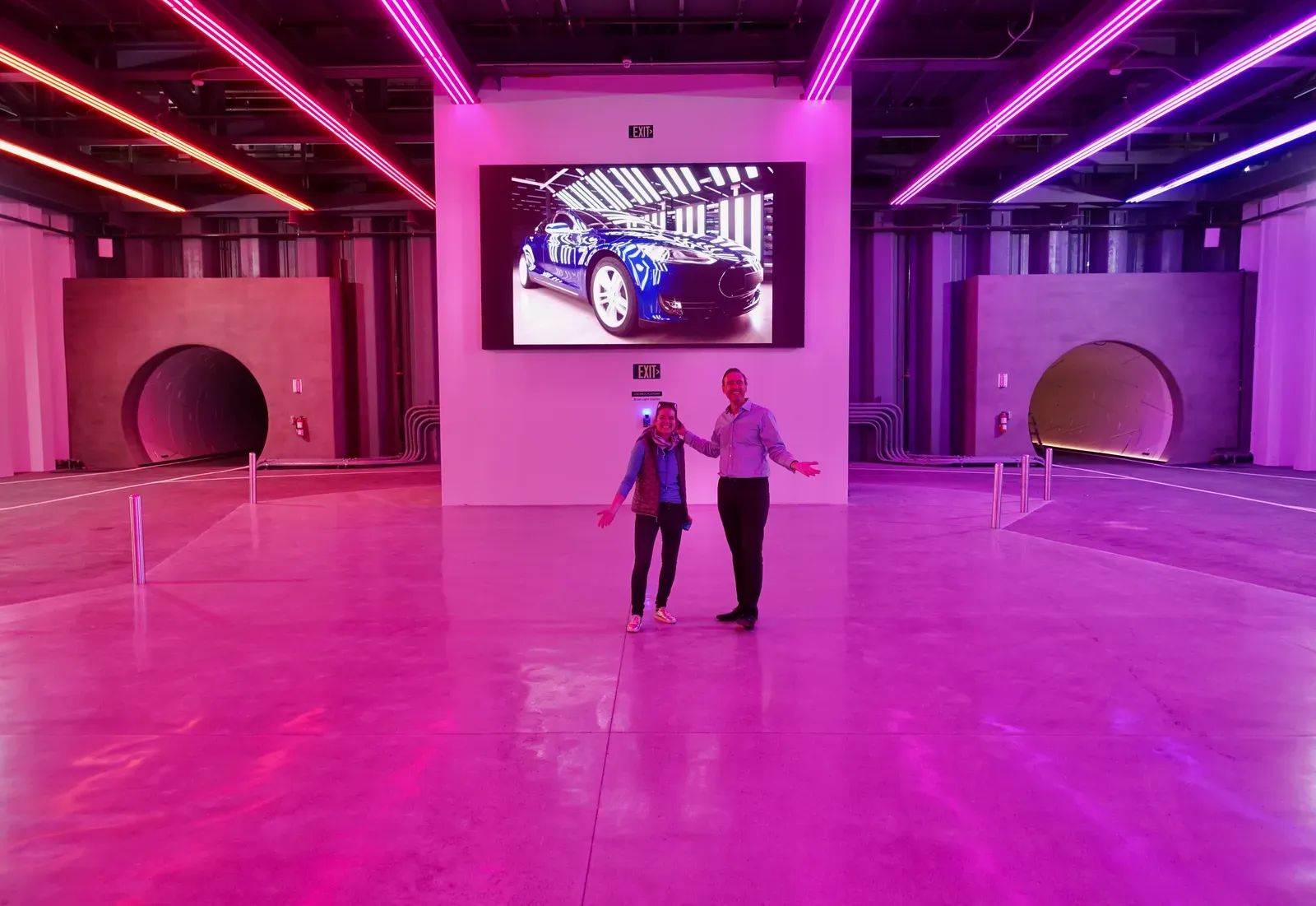
Here’s where the Loop delivers on its promise, at least in one specific place. The test demonstrated the new transport system could move up to about 4,400 passengers per hour with an end-to-end time of about two minutes. That two-minute figure refers specifically to rides within the Convention Center campus, and multiple sources confirm it’s legitimate.
The loop is 1.7 miles in length and covers a 25-minute walking distance. Honestly, if you’ve ever tried walking the full length of the Las Vegas Convention Center during a busy trade show, you know how valuable those two minutes really are. The Encore-LVCC Connector opened in 2025 and provides a convenient connection with a transit time of approximately 55 seconds.
So yes, the two-minute trips are real. They’re just limited to a very small area for now.
Speed Limits and Reality Checks

The original vision promised speeds over 150 mph through these tunnels. What’s actually happening underground is quite different. The system consists of tunnels built to accommodate all-electric Tesla vehicles driving at speeds of up to 35 mph.
That’s a massive gap between promise and practice. Boring’s Loop system can operate at speeds of up to 155 mph, however, due to the short nature of the tunnels currently constructed underneath Las Vegas, speeds will be held to 35 mph tops for the foreseeable future. The tunnels simply aren’t long enough yet to justify higher speeds, and human drivers are currently at the wheel of every vehicle.
The speed limit of the University Center Loop portion will be 60 mph, up from the 35 mph in the loop portion at the convention center, according to recent statements from Boring Company president Steve Davis. Still, we’re nowhere near that triple-digit promise.
The Airport Connection That’s Sort of Here

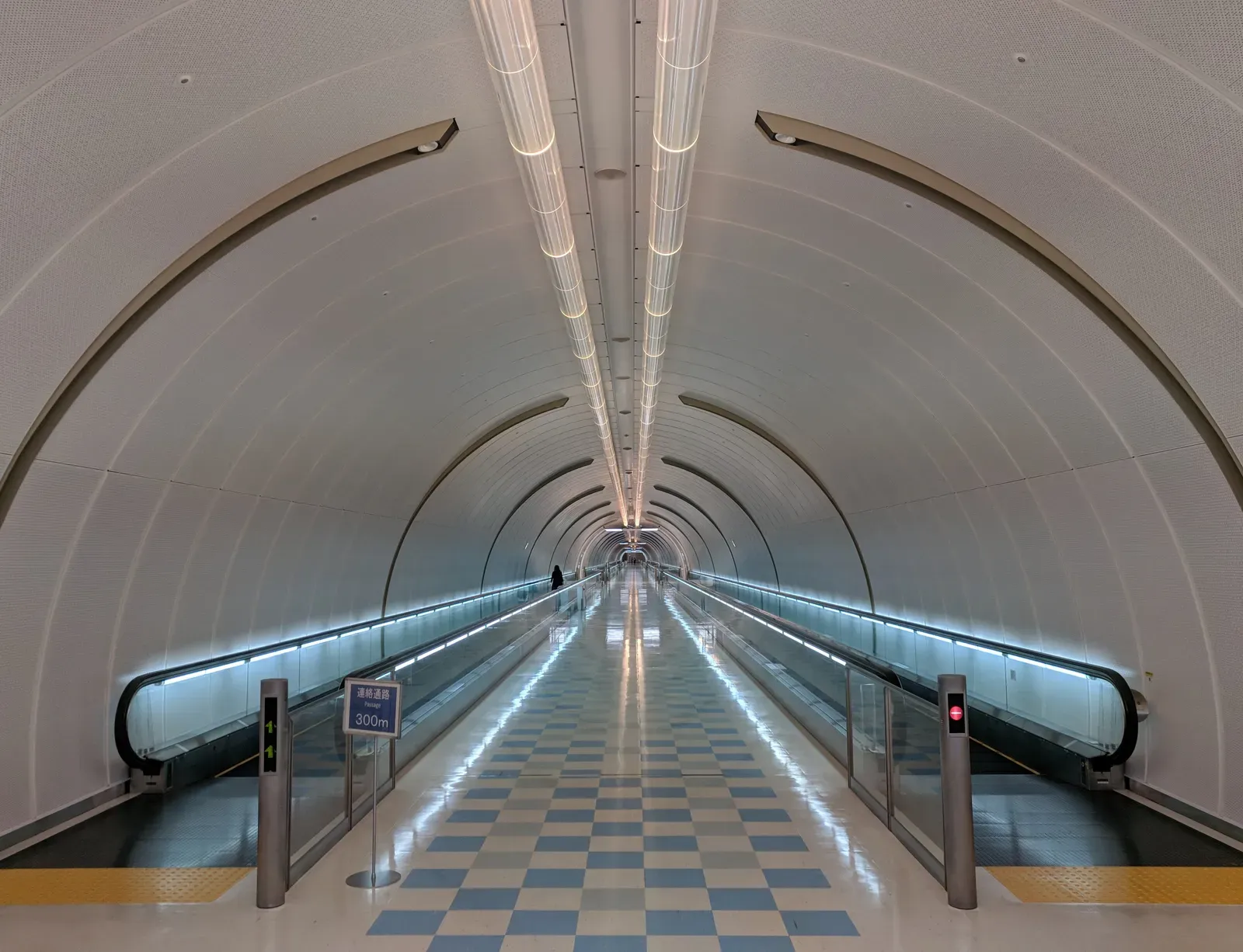
Airport service launched just before 2026, but calling it a full connection would be generous. The Boring Company has begun limited Vegas Loop service to Harry Reid International Airport, marking the first time Loop vehicles can legally access airport curbs.
Trips cost $12 and travel through completed tunnel sections before transitioning to surface roads for the final approach to Harry Reid International Airport. Let me be clear about this: you’re not traveling entirely underground. A significant portion of the ride still happens on regular Vegas streets, which somewhat defeats the purpose of avoiding traffic.
For now, the service supports departures only, with vehicles dropping passengers at the departures curb between 10 a.m. and 9 p.m. each day. Pick-ups aren’t available yet, so you can’t actually ride the Loop from the airport to your hotel when you land.
When Downtown Might Actually Connect


This is where things get really murky. While construction on a 2-mile segment toward the airport is already underway, there is currently no set timetable for the full downtown connection. The city of Las Vegas issued its first building permit for downtown expansion in late January 2026, but that’s just paperwork.
The permit allows for construction of a tunnel connecting the Las Vegas Convention Center to the Strat hotel and casino. From there, the system would eventually reach Fremont Street and the historic downtown core. The extension of the project into downtown won’t be completed until 2028 or 2029 under current operations, according to Boring Company president Davis.
That means the answer to “can you get downtown in under five minutes?” is a resounding not yet, and probably not for another few years at minimum.
The Promised Route That Doesn’t Exist

Some estimates floating around suggest a hypothetical downtown-to-Convention-Center trip could take about three minutes once built. Here’s the thing: that’s pure projection. In its final form, the Vegas Loop will serve up to 90,000 passengers per hour, with transit times between 2 and 8 minutes for trips across the network.
Those numbers come straight from The Boring Company’s own materials, but they’re based on a completed system that doesn’t exist yet. The broader Vegas Loop vision calls for a 68-mile underground transportation network, with 104 stations approved by Clark County and the City of Las Vegas. Approval doesn’t mean construction, and construction doesn’t mean operation.
I think it’s important to recognize the difference between what’s technically possible in a future network versus what you can actually do today. Right now, that downtown connection exists only on maps and in presentations.
Partner offer

Who’s Actually Riding and How Many

The Loop isn’t just theoretical – it has carried real passengers, lots of them. The system has transported millions since opening in 2021, with most trips concentrated around the Convention Center during major trade shows and events. It first opened in April 2021 and has demonstrated a peak capacity of over 4,500 passengers per hour and over 32,000 passengers per day.
Those are impressive numbers for what’s essentially still a pilot program. Convention attendees genuinely appreciate the service, especially during massive events like CES that pack the halls. Yet the broader question remains: can this scale citywide?
When Vegas Loop is fully built out, it will be about 90,000 people per hour, according to company projections. That would genuinely rival or exceed conventional metro systems, but we’re talking about a system that’s currently handling less than five percent of that volume in a tiny geographic area.
The Permit Problem Slowing Everything Down

Here’s a reality nobody talks about enough. The Vegas Loop project requires over 600 building permits for the entire project, with each taking about six months for approval from Clark County, and Boring Co. obtains a new one every one to two weeks.
Boring Company officials said the company could have built the entire Vegas Loop system by now if there had been a quicker way to obtain permits. That’s a bold claim, but the math checks out. At the current pace of permit approval, finishing the full network will take years regardless of how fast tunneling machines can dig.
Based on the current rate of permit approval, the core of the project will see work kick off in the fall, with completion occurring sometime in 2027 for the Strip portion. Even that timeline assumes everything goes smoothly, which rarely happens with infrastructure projects.
Where Expansion Is Actually Happening

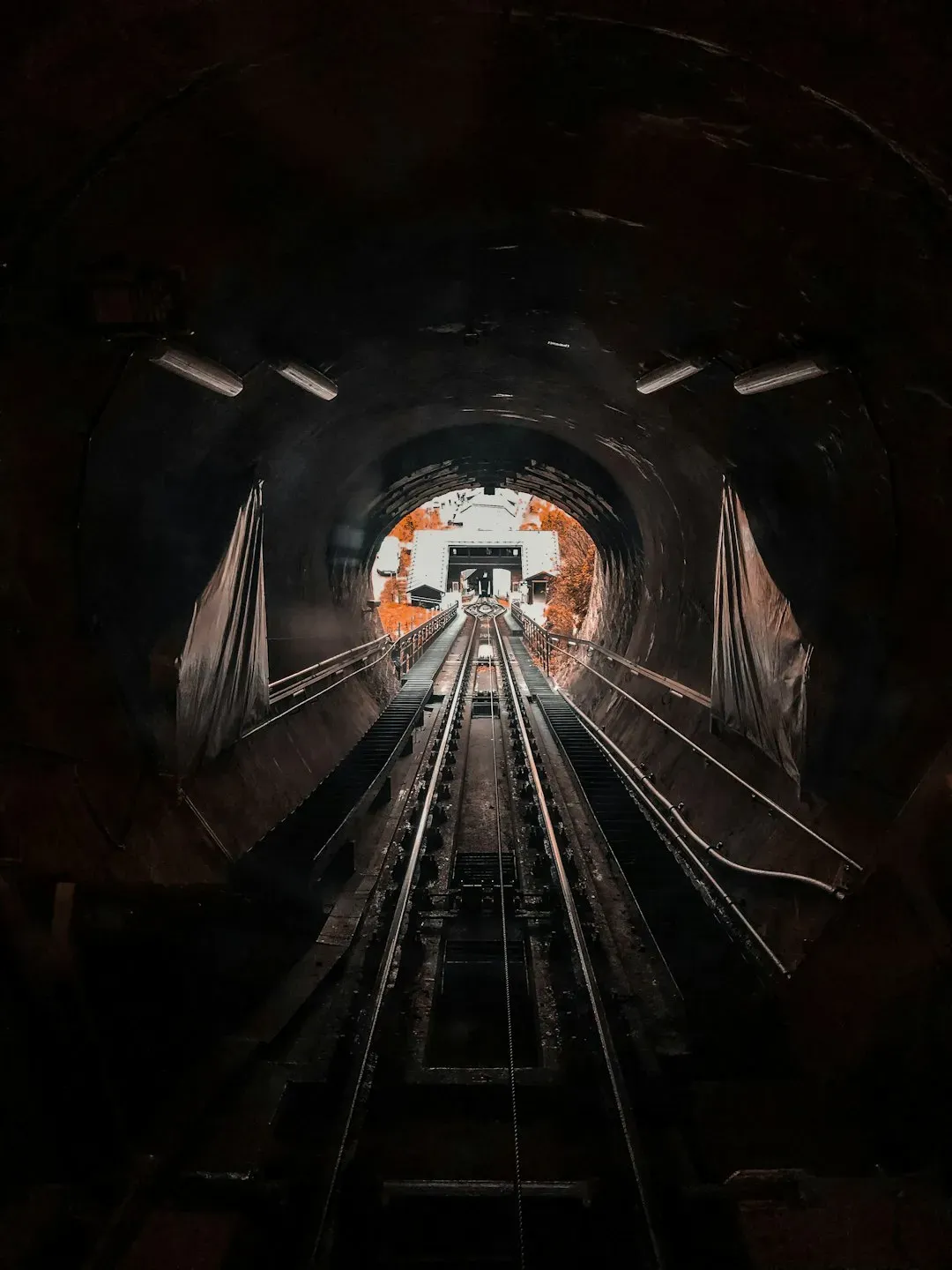
Despite delays, real progress continues. Boring Company’s tunneling machine Prufrock-1 daylighted after completing a 2.26-mile-long tunnel connecting a property close to the airport to Westgate in September 2025. That’s physical evidence of expansion, not just promises.
The University Center Loop portion runs underneath Paradise Road with stops planned at Virgin Hotels Las Vegas, a planned Boring Co.-owned apartment complex and sites near Sphere. These connections will genuinely expand the network’s usefulness once operational, though exact opening dates remain fuzzy.
The most ambitious near-term target involves completing the Airport Connector twin tunnels. The company aims to open the 2.25-mile Airport Connector segment in the first quarter of 2026, which would eliminate most surface driving on airport trips. Whether that actually happens on schedule is anyone’s guess.
What Riders Actually Experience

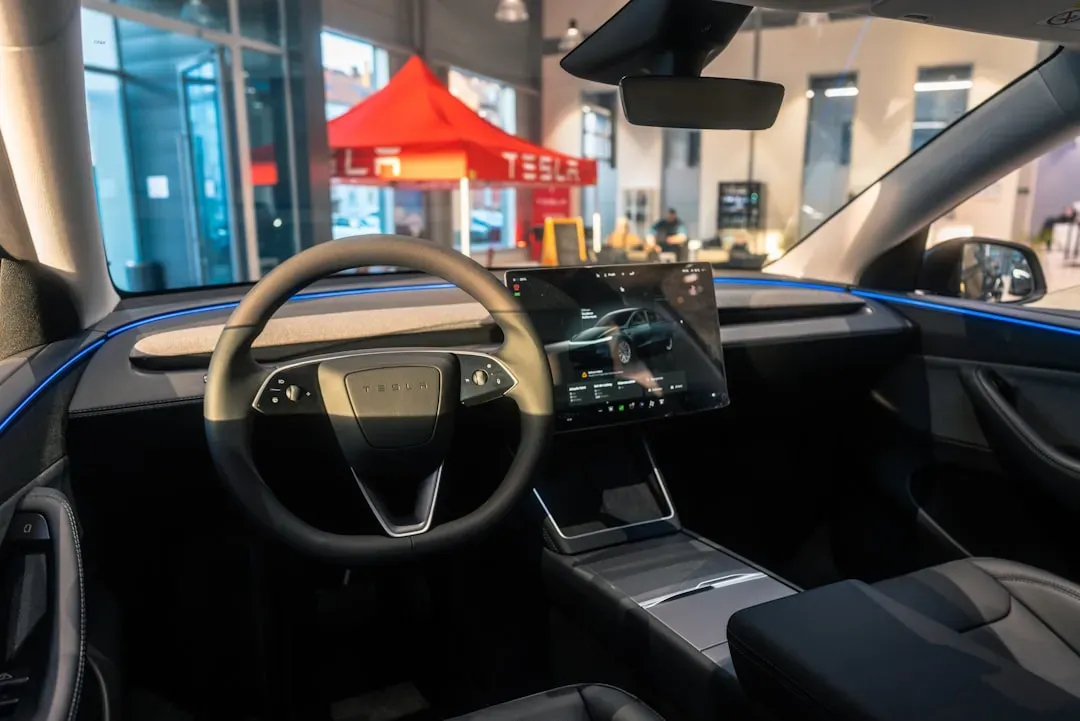
Let’s talk about the actual ride experience, because the technology matters less than whether it works for real people. Passengers board Tesla vehicles – currently Model 3s, Model Xs, and Model Ys – driven by human employees. The cars seat three to seven people depending on the model, which is quite limited compared to buses or trains.
The tunnels themselves are narrow, single-lane affairs with occasional passing zones. There’s no standing room, no large luggage capacity, and wheelchair accessibility requires special arrangements. It feels more like a private car service than mass transit, which is both a feature and a limitation.
The ride itself is smooth and genuinely faster than walking or dealing with surface traffic in the immediate Convention Center area. Stations use escalators and elevators to reach the underground platforms, and wait times are typically just a few minutes during conventions.
The Cost Question Nobody’s Answering Clearly

There is currently no charge to travel between stations at the LVCC, while rides between the LVCC and offsite hotels cost $5 for a day pass and $3.75 for a single ride. That’s reasonable for short hops, cheaper than rideshare apps for similar distances.
Airport rides cost $12 covering trips from Resorts World Las Vegas or Westgate to either Terminal 1 or Terminal 3. Compared to taxis or Ubers from those locations, that’s competitive but not dramatically cheaper. The real value proposition is supposed to be speed and convenience, not cost savings.
What happens when the full network opens remains unclear. Will fares increase based on distance? Will there be surge pricing during busy times? The Boring Company hasn’t published detailed pricing for the expanded system, leaving riders to guess what transportation across town might eventually cost.
Can It Really Deliver on the Big Promise?

So here we are at the central question. Can the Vegas Loop get you downtown in under five minutes? Based on everything operational right now in early 2026, the honest answer is no. The tunnels don’t connect downtown yet, period.
Could it theoretically do so once fully built? Maybe, but with significant caveats. The Boring Company states that in its final form, transit times will be between 2 and 8 minutes for trips across the network. An eight-minute maximum would include trips much longer than Convention Center to downtown, so a five-minute downtown connection seems plausible in theory.
Yet theory and practice are different things. Current speeds top out at 35 to 40 mph in most sections, and even the planned faster segments will only hit 60 mph. Traffic within the tunnels, loading and unloading times, and the distance involved all add up. I’d be surprised if regular downtown trips consistently clock in under five minutes, though they might average around that mark under ideal conditions.
The bigger issue is timeline. Even optimistic projections put downtown connections two to three years away, and infrastructure projects routinely run behind schedule. The five-minute downtown trip is a real possibility for 2028 or 2029, but it’s not happening in 2026.
What do you think – is the Vegas Loop going to revolutionize getting around Las Vegas, or is it just an expensive way to move convention attendees between buildings? Tell us what you’d want from an underground transit system.
Partner offer
Planning a trip to Vegas?
Compare hotel rates and show tickets on VEGAS.com.


