There’s a particular kind of cringe that only people who work in fashion truly understand. It’s not the involuntary wince at a bold color choice or a daring silhouette. It’s something deeper, a quiet recognition that a real, avoidable mistake has been made in plain sight of thousands of cameras. After more than a decade spent in the orbit of Hollywood’s most high-pressure red carpets, certain patterns emerge with uncomfortable clarity.
The red carpet is a peculiar beast. Red carpet styling can’t make a bad movie good, but it can make a good one hard to ignore, and an attention-grabbing look can center a project in an elevated conversation that drives box office, awards, and clothing sales. Knowing that, the stakes are genuinely high. What follows are seven choices that consistently signal something has gone wrong, not with the designer or the celebrity, but with the fundamental craft of styling itself.
Wearing a Garment That Hasn’t Been Properly Fitted
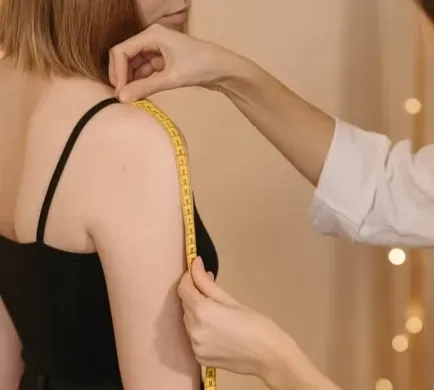
Fit is the single most important element of any outfit. Clothing that pulls, sags, or overwhelms the body immediately looks unpolished, no matter how stylish the item itself may be. On a red carpet where photographers shoot from every angle under harsh lights, even a half-inch of excess fabric at the waist reads as negligence. It signals to anyone paying attention that the fitting process was rushed.
With luxury houses under immense pressure to churn out collections, the bespoke nature of awards season dressing appears to be eroding. When fashion tape creates visible breaks in seams and waists sit uncomfortably high, it suggests that the fittings – the crucial final mile of celebrity styling – are being rushed or bypassed entirely. A stunning custom gown means nothing if it hangs like a sample size on the wrong body.
Ignoring the Dress Code of the Specific Event

The appearance of velour suits and bucket hats at events demanding evening wear shatters the immersive fantasy of the red carpet. It represents a contextual misalignment where personal branding overrides the collective decorum of the event. Every ceremony has its own register. The Oscars demand something fundamentally different from the Grammys, which differs from the Cannes Film Festival. Treating them as interchangeable is lazy.
One of the lesser-known rules of red carpet fashion is: know your role and dress accordingly. Sometimes clients are just attending or presenting at an awards show, and it’s about picking the appropriate dress or the appropriate suiting for that particular event. As actress Yvette Nicole Brown put it: would you go to someone’s wedding and wear a white dress? If it’s your premiere, you want to have your moment. If you’re somebody on the guest list, it’s fine to let the stars shine. Ignoring that hierarchy is a reliable red flag.
Burying the Person Under Excessive Volume

There’s a meaningful difference between a dramatically sculptural gown and a look that simply swallows someone whole. A massive cape can seem to engulf a body entirely, hiding the figure completely under layers of fabric. Fashion experts point out that when the proportions are entirely wrong, the talented person wearing the garment looks lost inside their own outfit instead of celebrated by it. The garment should frame the person, not replace them.
Outfits work best when the shapes within them feel balanced. When proportions clash, the eye doesn’t know where to land, which creates visual tension. A useful styling approach is to balance volume with structure. If one piece is loose or oversized, another should be more fitted to anchor the look. When the whole silhouette becomes a single mass of fabric with a head on top, something has gone fundamentally wrong.
Stacking Too Many Trend-Driven Pieces at Once
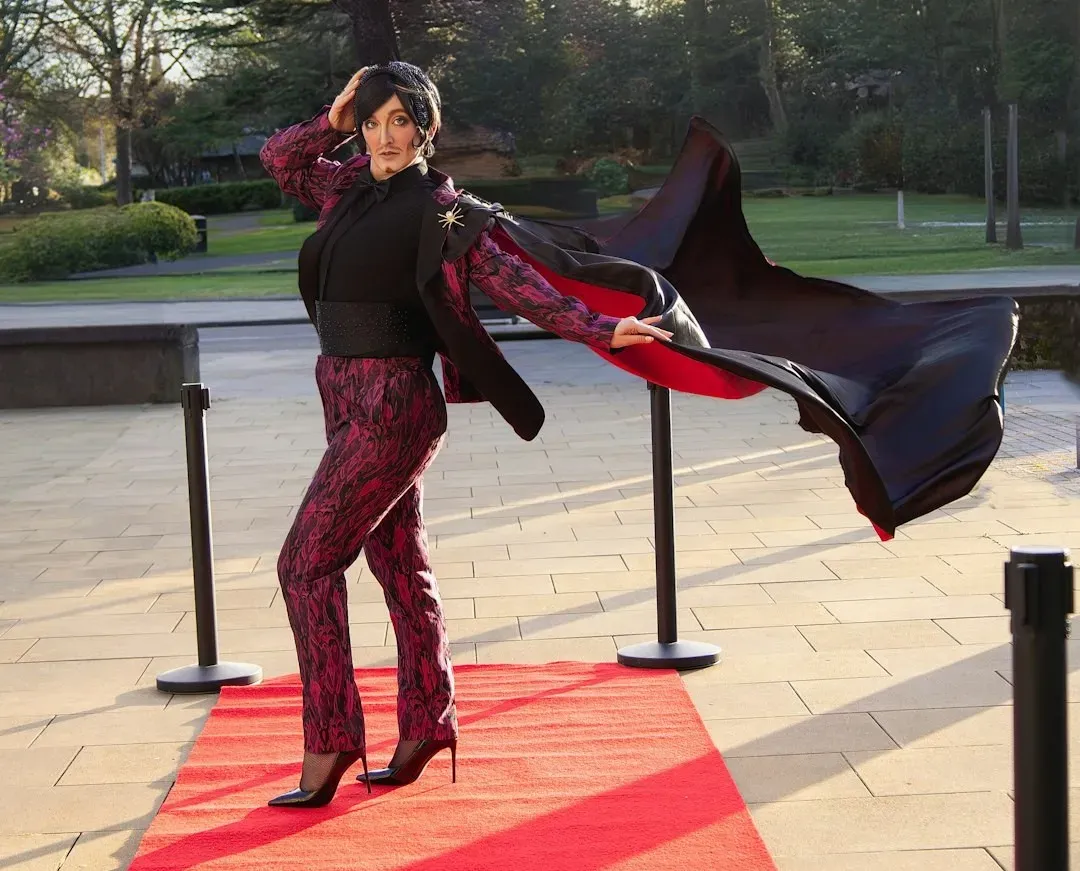
Trends can add freshness, but overusing them often leads to confusion rather than style. One of the most frequent common style errors is layering multiple trend-driven items into a single outfit. On a red carpet, this reads as a stylist who is chasing the moment rather than building a look with intention. Each individual piece might be covetable; together, they cancel each other out.
Partner offer
Many questionable celebrity outfits land on the red carpets of award shows and prestigious events. While some netizens focus on the groundbreaking nature of the designs and praise their wearers for taking risks, others simply feel that certain styles should never have left the atelier. The distinction between a bold creative risk and a trend pile-up is usually legible to anyone who has spent time on a fitting room floor. One communicates confidence; the other communicates panic.
Clashing Formality Levels Within the Same Look

Mixing radically different style registers is a persistent and jarring mistake. Pairing a formal dress with visible athletic wear underneath, for instance, creates a combination that makes no sense whatsoever. The same principle applies at the more subtle end of the spectrum. A beautifully constructed evening gown paired with the wrong shoes, a too-casual bag, or an incongruously chunky belt can undermine the entire effect.
A sparkling strapless top that would suit a prom dress, combined with a full skirt with a raw hem, looks messy and incomplete. A brown belt that is far more casual than the layered diamond necklaces it accompanies creates exactly this kind of tonal incoherence. These details might seem minor in isolation, but a camera lens amplifies them into something undeniable. Formality levels need to speak the same language throughout a look.
Choosing a Concept That Overwhelms the Wearer’s Identity
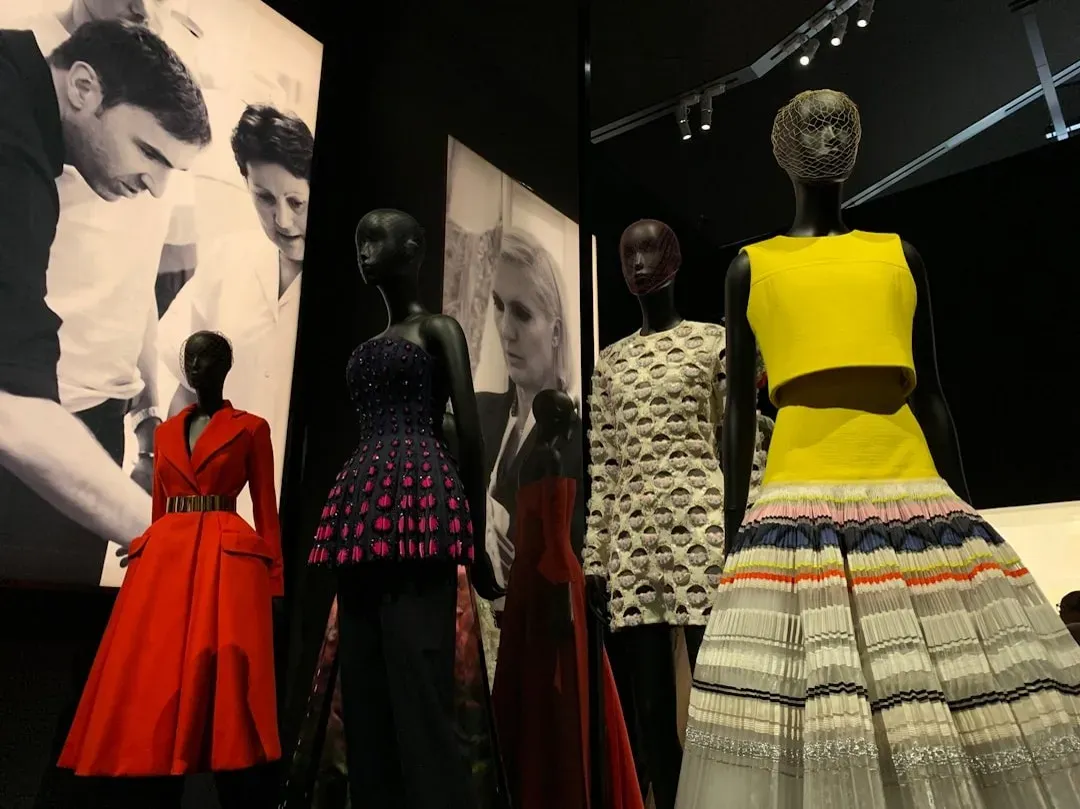
Some looks arrive with such a heavy conceptual burden that the person wearing them disappears entirely. We are increasingly witnessing the rise of the viral failure, a phenomenon where improvised silhouettes, jarring color saturations, and conceptual overreach signal that the golden age of Hollywood glamour has been usurped by a desperate economy of meme-able aesthetics. A look that reads as a piece of performance art rather than a considered outfit for a real human being is almost never a good call.
When an outfit looks almost exactly like traditional religious clothing, complete with flowing robes and colors that hold specific spiritual meaning, social media predictably explodes. While some appreciate the bold choice, most fashion critics agree it is too literal, and wearing culturally or spiritually loaded garments as a mere fashion statement tends to create more noise than impact. A stylist’s job is to elevate, not to produce a conversation piece that has nothing to do with the person wearing it.
Overdressing When It’s Not Your Night
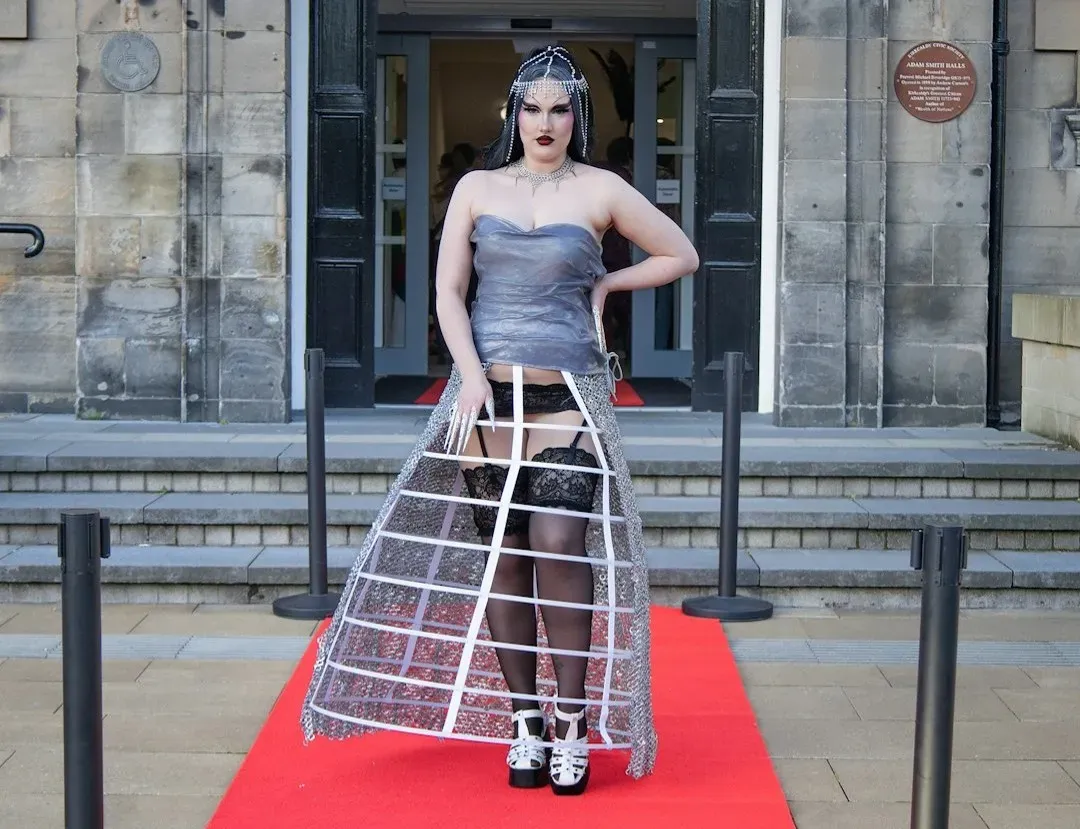
The awards season circuit has at times mutated from a celebration of haute couture into a theater of sartorial absurdity, exposing a systemic fracture in the relationship between atelier and celebrity stylist. Part of that fracture comes from a misunderstanding of hierarchy. Not every red carpet appearance calls for the most dramatic thing in the designer’s archive. Knowing when to dial back is, in many ways, the more sophisticated skill.
Red carpet styling can’t make a bad movie good, but it can make a good one hard to ignore. The inverse is also true: an outfit that is clearly pitched at the wrong level for the occasion, too much for a supporting appearance, or too little for a lead’s premiere, communicates a poor read of the room. The outfit must not only look amazing but also be comfortable enough to wear for hours, and it must be appropriate to the precise context in which it will be worn. Getting that calibration wrong is, after twelve years, still the most telling red flag of all.
In Closing
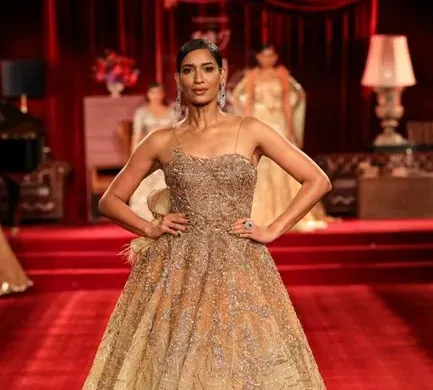
What’s striking about all seven of these missteps is that none of them require a bad eye to produce. They’re almost always the result of haste, miscommunication, or a stylist who has lost track of the most fundamental principle: the clothes exist to serve the person wearing them, not the other way around.
The red carpet has always been a high-wire act, and perfection genuinely isn’t the point. Risk and bold experimentation are part of what make it worth watching. Less rigid than some ceremonies, it has historically encouraged celebrities to take risks, experiment with silhouettes, and redefine red carpet norms. The difference between a risk that lands and a red flag is usually preparation, intentionality, and a clear understanding of who you’re dressing and why. That gap, more than any single design choice, is where taste is actually decided.
Partner offer
Planning a trip to Vegas?
Compare hotel rates and show tickets on VEGAS.com.