Most of the footsteps you hear in a film were never recorded on set. The microphones on location mostly capture dialogue, and the sound of feet is often thin, muddy, or missing entirely. Months later, in a quiet studio, someone walks in place while watching the picture and rebuilds those steps from scratch.
That craft is called Foley, named after Jack Foley, an early sound pioneer at Universal Studios. Snow, gravel, and rain are three of the trickiest surfaces to fake. Each one needs a different material, a different movement, and a lot of patience.
What Foley Actually Is
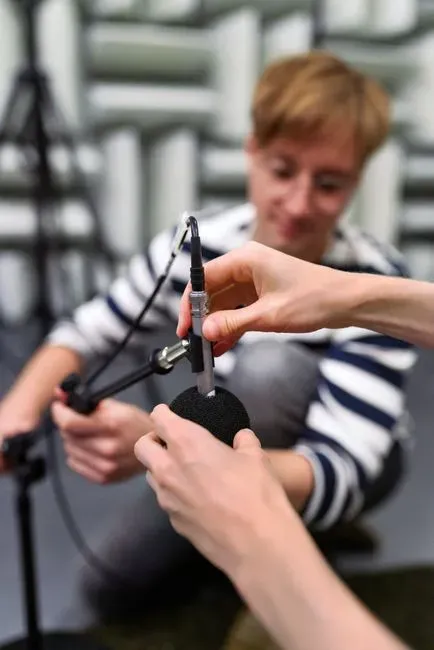
Foley is the practice of performing everyday sounds live, in sync with the picture. Footsteps, cloth movement, and handled props are the main categories. The artist who walks is often called a Foley walker, and a recording engineer, called the mixer, captures the performance.
The sounds are recorded on a dedicated Foley stage. Many of these rooms are acoustically dry, so the recording carries little room echo. That lets the sound team add the right sense of space later, whether it’s a canyon, a street, or a forest.
Why Real Location Sound Rarely Works
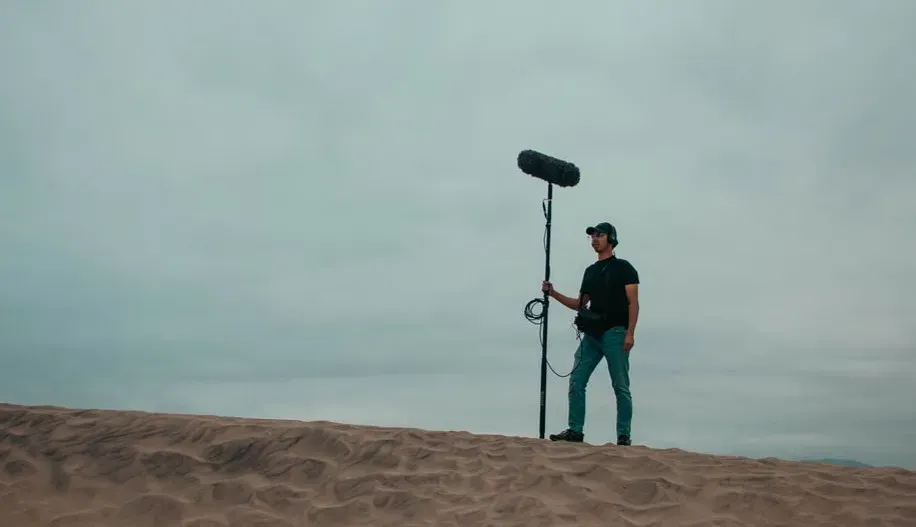
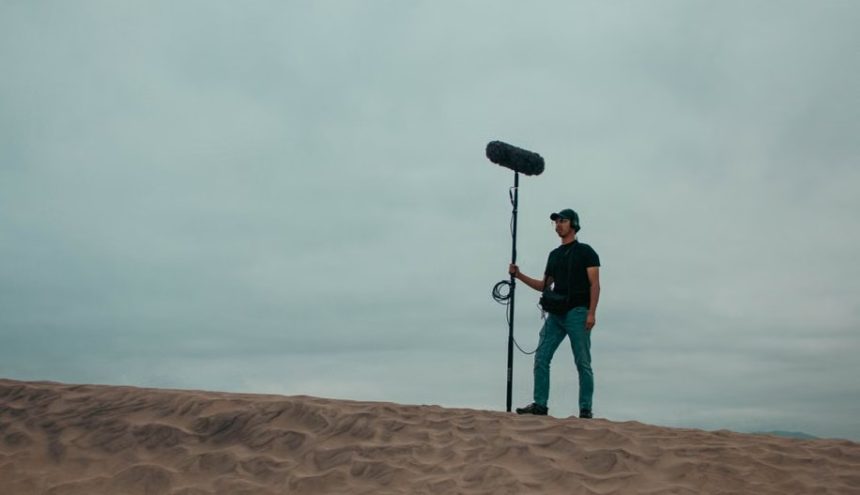
Production sound is built around dialogue. Crews often point microphones at the actors’ faces and try to avoid noise from feet and clothing. Wind, traffic, and crew movement also tend to contaminate whatever footsteps do get recorded.
Foley gives the sound team clean, separate tracks they can control. They can make a step louder, softer, or heavier without touching the dialogue. It also means the same film can be delivered in other languages with its sound effects intact.
The Foley Pit and Its Surfaces

A well equipped Foley stage includes pits, which are shallow, sunken boxes filled with different materials. Common fills include sand, dirt, gravel, and gravel mixed with other debris. Stages also keep sections of wood, concrete, tile, and metal for hard floors.
Artists often keep a large collection of shoes too, since footwear changes the sound as much as the ground does. A boot, a sneaker, and a dress shoe can each sound different on the same surface. Matching the shoe to the character is part of the job.
Cornstarch and the Crunch of Snow
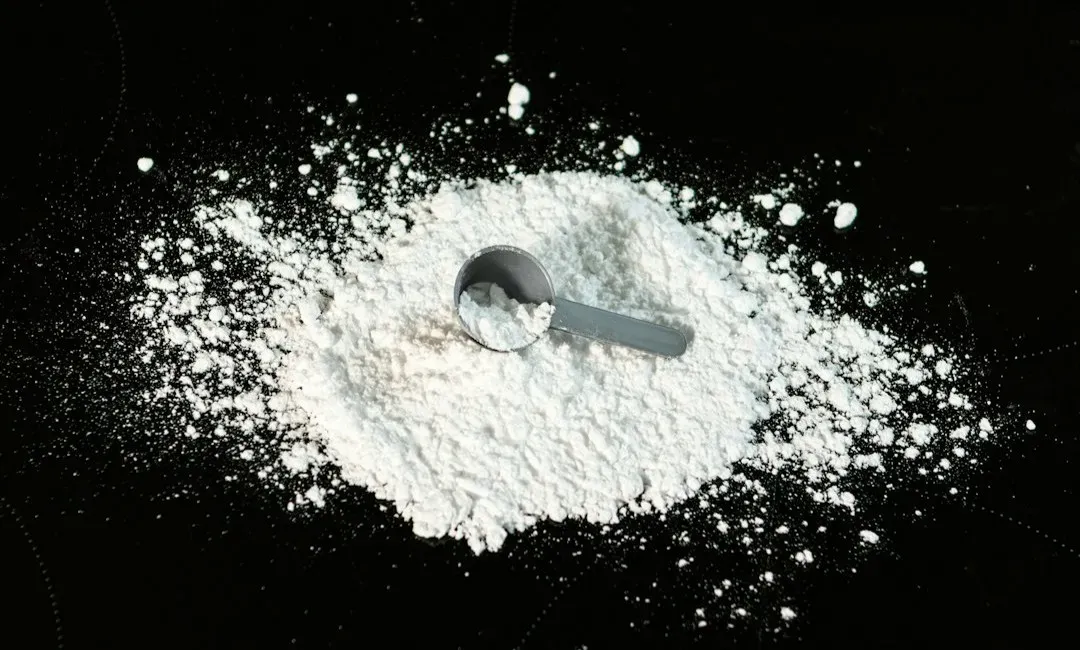
The classic trick for snow is cornstarch. Foley artists commonly pack it into a small pouch, often leather or cloth, and squeeze it in their hands. The fine powder squeaks and crunches in a way that resembles compacted, cold snow.
For larger scenes, the artist might press the starch in a tray or box with their feet. Pitch matters here. Tightly packed starch sounds like dry, freezing snow, while looser handling suggests something softer and deeper.
Other Ways to Build Snow

Cornstarch isn’t the only option. Some artists use salt, kitty litter, or even real snow when a production has access to it. Real snow can sound inconsistent, because its texture depends on temperature and moisture, and it melts under studio conditions.
Layering is common. A crisp starch crunch can be combined with a softer sound, like a muffled cloth thump, to suggest weight and depth. The goal is a step that feels cold, not just crunchy.
Gravel and the Weight of Each Step

Gravel is usually performed in a pit filled with real stones. The size of the stones sets the character. Small pea gravel gives a light, rolling sound, while larger rock sounds heavier and more broken up.
The walker also controls the rhythm of the shift. A slow, heavy tread lets the stones grind and settle, while a quick step sends them scattering. Artists often watch the actor’s heel and toe on screen to match each push and drag.
Making Rain Footsteps
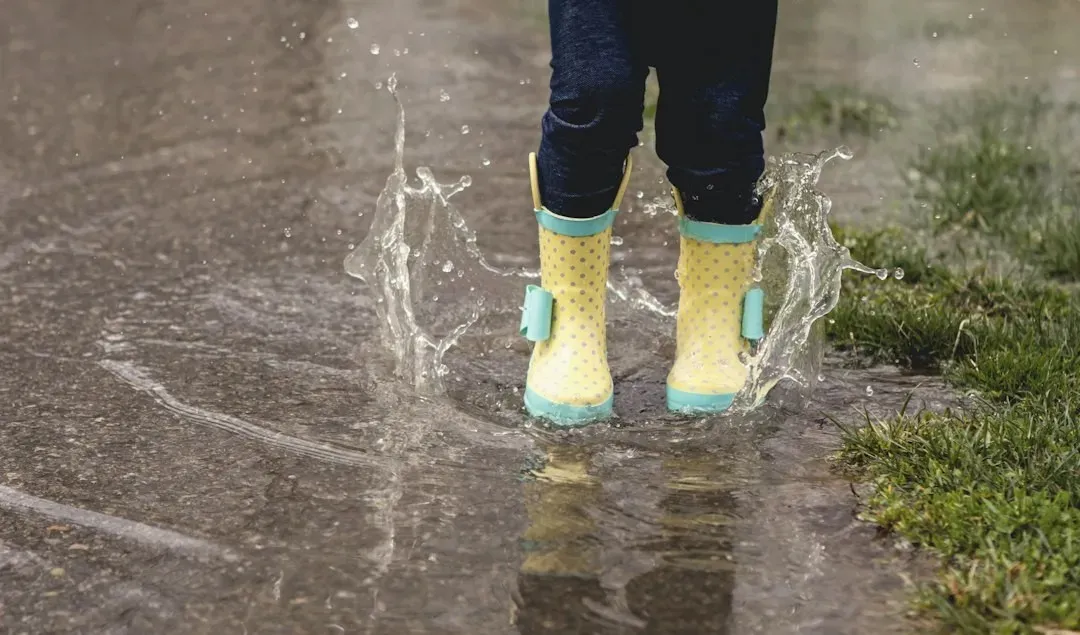
Rain sound has two parts, and Foley covers only one of them. The rainfall itself is usually handled by sound effects editors using recorded ambience. Foley adds the footsteps in wet conditions, like splashes, squelches, and soft slaps.
To get that wet quality, artists may use a shallow tray with a small amount of water over a hard surface. A thin film gives a light splash, while deeper water makes a heavier, sloshing sound. Mud effects can come from wet sand or dirt mixed with water, which sucks at the shoe with each step.
Performance, Timing, and Sync
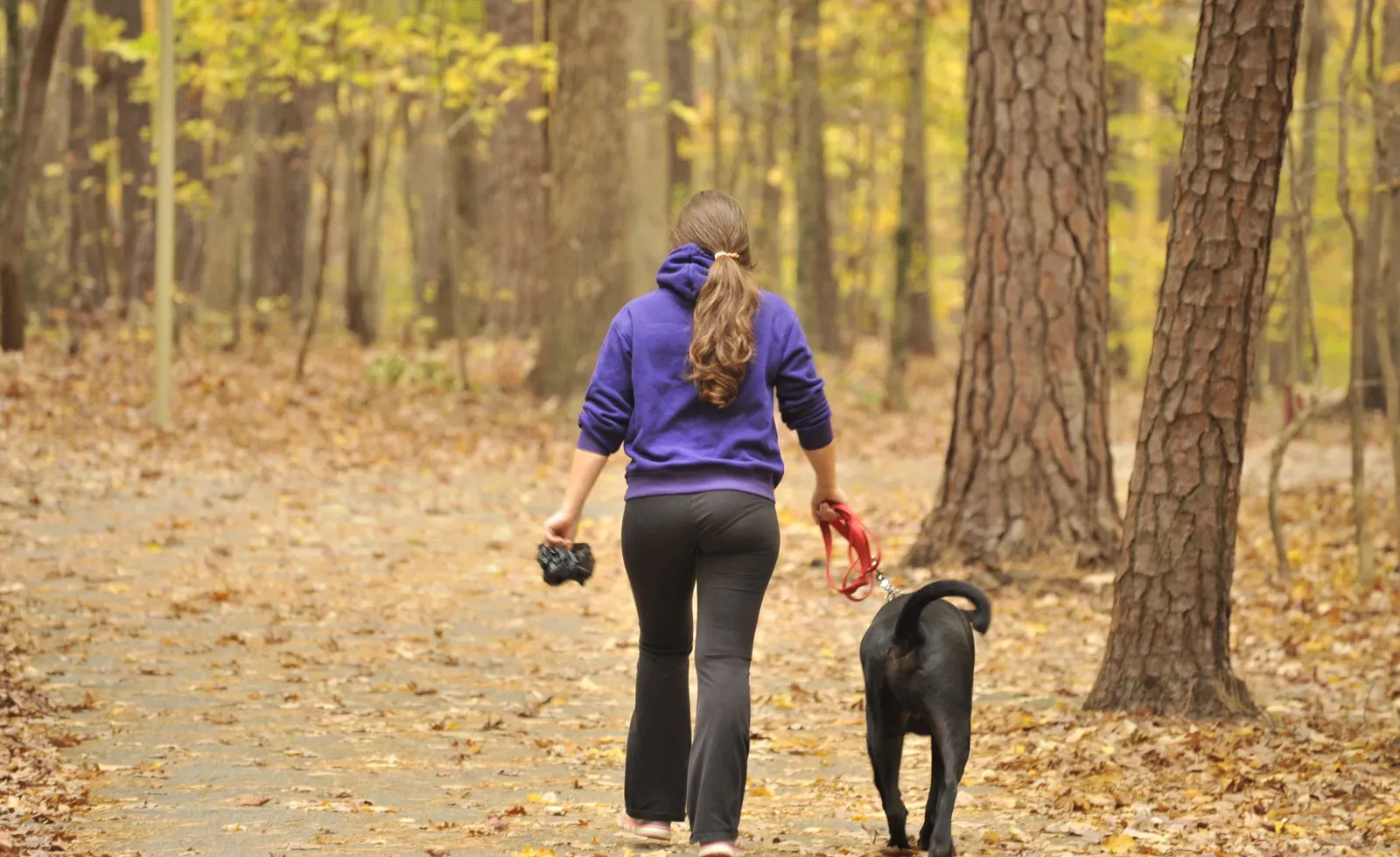
A Foley walker watches the scene on a screen and matches each footfall as it happens. Timing has to be tight, because even a small delay can make a step feel disconnected. Many artists perform a scene in passes, recording one pair of feet at a time.
Character comes through in the walk itself. A tired person drags, an anxious one steps lightly, and a confident one lands firmly. The same gravel can tell three different stories depending on how the performer moves.
Layering Sounds in the Final Mix

Once the Foley is recorded, it goes to the mixing stage, where it joins dialogue, music, and sound effects. The mixer adjusts levels and adds reverb so the steps sound like they belong in the space on screen. A step in a snowy field and one in a stone tunnel might use the same recorded crunch with very different treatment.
Foley tracks often sit low in the mix, and audiences rarely notice them when they work. When they’re missing, though, a scene can feel strangely empty. Snow, gravel, and rain footsteps all rely on that same principle, which is to make the sound believable enough that nobody thinks about it.