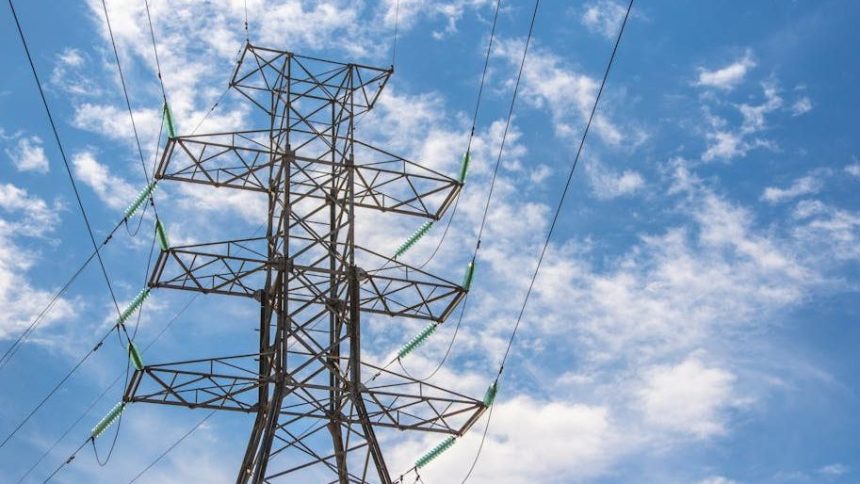
Florida Takes Action As Americans Face ” Billion Power Bill Rise – Image for illustrative purposes only (Image credits: Pexels)
Electricity prices have risen across much of the United States while AI-driven data centers rapidly expand. The connection between these two trends has drawn increasing attention from regulators, utilities, and consumers. As demand for computing power grows, the strain on the electric grid becomes more pronounced in many regions.
Understanding the Surge in Energy Demand
Data centers that support artificial intelligence require enormous amounts of electricity to run servers and maintain cooling systems. This need has accelerated in recent years as companies invest heavily in AI technologies. The result is a measurable uptick in overall power consumption that utilities must meet.
Traditional sources of electricity generation face challenges in scaling quickly enough to match this new demand. Many facilities operate around the clock, creating steady loads that differ from typical residential or commercial patterns. Grid operators have noted the shift in how and when power is used most heavily.
Partner offer
Effects on Households and Businesses
Higher wholesale electricity costs often translate into increased rates for end users over time. Families and companies in affected areas report seeing the changes reflected in their monthly statements. The added expense comes at a moment when many budgets already face pressure from inflation and other economic factors.
Utilities have responded by adjusting rate structures and seeking approval for infrastructure upgrades. These steps aim to balance reliability with affordability, though the process can take months or years to fully implement. In the meantime, some customers explore efficiency measures to offset the higher costs.
Looking Ahead at Grid and Policy Responses
State and federal agencies continue to examine how best to accommodate the growth of AI infrastructure without compromising service for other users. Discussions focus on incentives for new generation capacity and improvements in transmission lines. Long-term planning now routinely includes projections for data-center expansion.
Industry observers expect the trend to persist as AI applications become more widespread. Careful coordination between technology firms, energy providers, and policymakers will determine how smoothly the transition unfolds. The outcome will shape both innovation and everyday energy expenses in the years ahead.
Partner offer
Planning a trip to Vegas?
Compare hotel rates and show tickets on VEGAS.com.