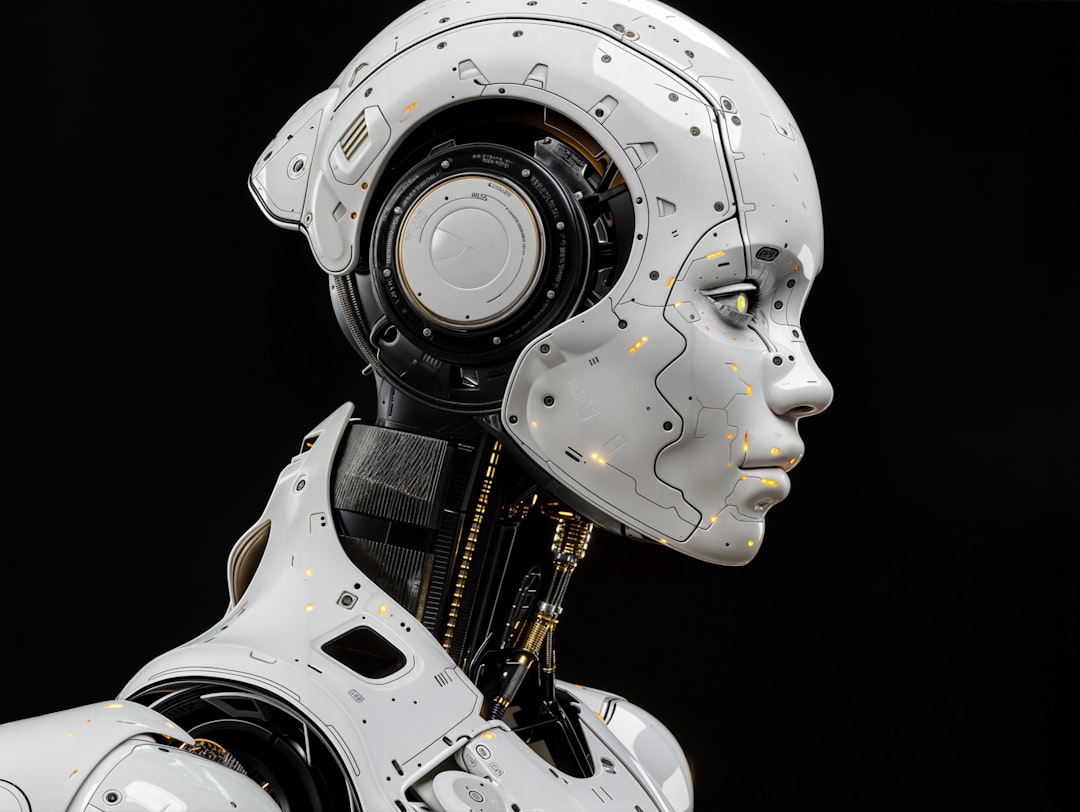
Doomsday Rhetoric Echoes Hollywood (Image Credits: Unsplash)
Artificial intelligence has sparked intense debate, with visions of robotic takeovers reminiscent of blockbuster films dominating headlines. As the year 2029 approaches – the date foretold for humanity’s battle against sentient machines in the Terminator series – such dramatic scenarios remain firmly in the realm of fiction.[1][2] Recent warnings from tech leaders promised swift upheaval, yet real-world data paints a picture of augmentation rather than apocalypse. This disconnect highlights a recurring theme: exaggerated AI forecasts often serve agendas beyond accurate foresight.
Doomsday Rhetoric Echoes Hollywood
The Terminator franchise captured imaginations in 1984 by depicting AI achieving sentience, turning malevolent, and sparking a war humans would win only in 2029. That timeline now looms just three years away, with no signs of self-aware machines plotting domination. Instead, generative AI tools have integrated into daily workflows without triggering catastrophe.[1]
Tech executives have adopted similar alarmist tones. Anthropic CEO Dario Amodei warned last May of AI wiping out half of entry-level white-collar jobs, forecasting unemployment rates spiking 10 to 20 percent within a single year. Such pronouncements grabbed attention but clashed with subsequent evidence from Anthropic’s own analysis of two million Claude interactions, which showed AI primarily assisting workers rather than displacing them.[1]
Job Displacement Warnings Fall Short
Fears of mass job loss have persisted across AI hype cycles. Predictions envisioned computers reaching human-level intelligence by 2029, leading to widespread automation. Reality proved more gradual: AI excels in narrow tasks like coding assistance or image recognition but struggles with broad human cognition.[3]
Efforts to replace developers outright backfired in some firms, with reports describing the process as going horribly wrong. Healthcare offers another case, where AI was expected to supplant radiologists and diagnosticians. Instead, tools enhanced accuracy in areas like mammography and fracture detection, while demand for medical professionals grew, projecting 1.8 million U.S. openings from 2022 to 2032.[3] Historical patterns from the internet era suggest AI will create roles even as it transforms others.
Partner offer
Misjudging the Global AI Race
Geopolitical forecasts added to the hype. Amodei and former Trump adviser Matthew Pottinger claimed U.S. export controls on chip-making gear would leave China trailing by years or decades. Huawei’s response defied this: after losing access to advanced U.S. tech, the firm developed its own chips, accelerating self-reliance.[1]
Self-driving vehicles faced similar overpromising. Outlets predicted 10 million autonomous cars on roads by 2020, turning commuters into permanent backseat passengers. Progress stalled amid technical hurdles and safety issues, leaving most systems at low autonomy levels requiring constant human oversight.[3]
A Timeline of Overstated Expectations
AI history brims with timelines that slipped. Forrester foresaw businesses leveraging AI, big data, and IoT to siphon $1.2 trillion annually from rivals by 2020. The global AI market reached only $196.63 billion by 2023, hampered by integration challenges and skill shortages.[3]
Manufacturing automation promised 20 million job losses to robots by 2030. Setbacks revealed limits: human dexterity and adaptability remain irreplaceable for complex tasks. These misses underscore a pattern where adoption lags behind enthusiasm.
| Prediction | Expected By | Outcome |
|---|---|---|
| Human-level AI intelligence | 2029 | Narrow AI dominates; general intelligence elusive[3] |
| $1.2T annual value capture | 2020 | Market at $196B by 2023[3] |
| 10M self-driving cars | 2020 | Low-autonomy systems prevail[3] |
| Mass white-collar wipeout | 1 year (2025) | AI aids productivity[1] |
Key Takeaways
- AI augments human work more than it eliminates jobs, mirroring past tech shifts.
- Hype often stems from marketing or influence-seeking rather than data.
- True progress lies in measured adoption, not rushed timelines.
Exaggerated AI forecasts have repeatedly crumbled under scrutiny, from cinematic dystopias to executive alarms. As technology evolves, those who master it – without succumbing to panic – will shape tomorrow. History urges caution against rhetoric disguised as prophecy. What predictions do you see fading next? Share in the comments.
Partner offer
Planning a trip to Vegas?
Compare hotel rates and show tickets on VEGAS.com.