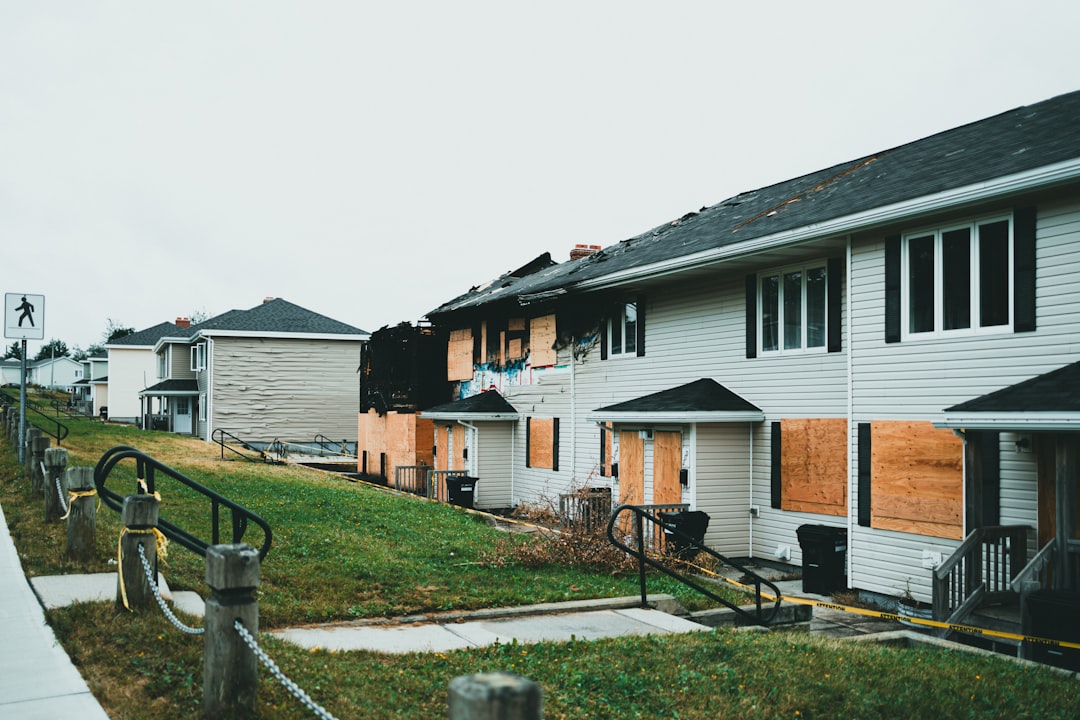
The Massive Scale of the Deficit (Image Credits: Unsplash)
Washington – White House economists estimated the United States faced a shortage of 10 million houses in a report released Monday.[1] Prepared by the Council of Economic Advisers as part of the Economic Report of the President, the analysis highlighted how a post-2008 drop in construction created the gap. Officials argued that cutting regulatory barriers could spur massive building activity, stabilize soaring prices, and accelerate economic expansion.
The Massive Scale of the Deficit
Economists calculated the shortage by comparing current housing stock to what would exist if single-family homebuilding had maintained its historical pace after the 2008 financial crisis.[1] That crisis, triggered by widespread mortgage defaults and risky lending, halted progress dramatically. Today, the deficit stands at least at 10 million units, primarily single-family homes, far exceeding some prior government and private estimates.[2]
Home prices climbed 82 percent since 2000, while household incomes rose only 12 percent over the same period.[1] Recent pressures, including mortgage rates that surged to 6.37 percent amid the Iran conflict, compounded affordability woes. For many under 40, homeownership – a hallmark of middle-class stability – slipped further out of reach.
Roots Trace Back to 2008 Collapse
The global financial meltdown reshaped the housing landscape. Homebuilding plummeted as lenders pulled back and builders faced bankruptcies. Single-family housing stock growth, once steady, stalled for years.[1]
Recovery proved uneven. While some markets rebounded, overall supply lagged demand fueled by population growth and household formation. The report noted this persistent underbuilding left the nation vulnerable to price spikes and ownership declines.
Regulations: The Hidden ‘Bureaucrat Tax’
Current rules impose what the report called a “bureaucrat tax” exceeding $100,000 per new home.[1] These costs stem from evolving building codes, zoning delays, and compliance fees. Biden-era green energy mandates for federally backed homes added up to $31,000 per unit, according to a 2021 National Association of Home Builders study cited in the analysis – with energy savings taking 90 years to offset the expense.
A federal judge in Texas ruled those standards unlawful in March, amid challenges from 15 Republican-led states. The White House analysis positioned such measures as prime targets for reform to unleash supply.
- Stricter building codes over the past decade
- Zoning and permitting delays
- Environmental and energy compliance mandates
- Impact fees on developers
Deregulation Could Unlock Millions of Builds
Reducing these burdens might enable construction of up to 13.2 million additional homes, the economists projected.[1] President Trump signed executive orders in March directing agencies like the EPA and HUD to review and ease rules on stormwater, wetlands, and energy standards. Smaller banks could also lend more freely for mortgages.
Federal funding to states and localities might hinge on their own deregulation efforts, an administration official indicated. Trump emphasized protecting existing owners, stating, “I don’t want to drive housing prices down. I want to drive housing prices up for people that own their homes.”[1]
Broader Economic Gains on Horizon
The blueprint promised substantial ripple effects. New homes could boost annual GDP growth by 1.3 percentage points over the next decade and sustain 2 million jobs in construction and manufacturing.[1] Stabilized prices would aid renters transitioning to ownership, particularly younger families.
| Metric | Current Impact | With Deregulation |
|---|---|---|
| Homes Shortage | 10 million | Up to 13.2M new builds |
| Annual GDP Boost | – | +1.3 points |
| Jobs Supported | – | 2 million |
Such outcomes would reinforce the administration’s growth agenda, countering inflation and enhancing affordability without eroding equity for current homeowners.
Key Takeaways
- A 10 million home shortage, mostly single-family units, arose from post-2008 underbuilding.
- Regulations add over $100,000 per home; cuts could yield 13.2 million new units.
- Expected gains: 1.3% higher annual GDP growth, 2 million jobs.
The report signals a pivotal shift toward supply-side solutions in addressing America’s housing crunch. With deregulation at the forefront, policymakers aim to rebuild the pathway to homeownership. What regulatory changes would you prioritize to fix the shortage? Share your thoughts in the comments.