You’re sitting on the couch, minding your own business, when a warm weight settles gently on your arm or knee. Your dog is looking up at you with that particular expression that could mean almost anything. It’s one of the most common things dogs do, yet most owners spend at least a moment wondering what it actually means.
When a dog puts a paw on you, it is most often a sign of communication, and it doesn’t always mean the same thing, according to certified applied animal behaviorist Dr. Mary Burch, Ph.D., Director of the AKC Family Dog Program. The behavior is layered, context-dependent, and often misread. Understanding it properly can genuinely change how you relate to your dog.
It’s a Form of Canine Language
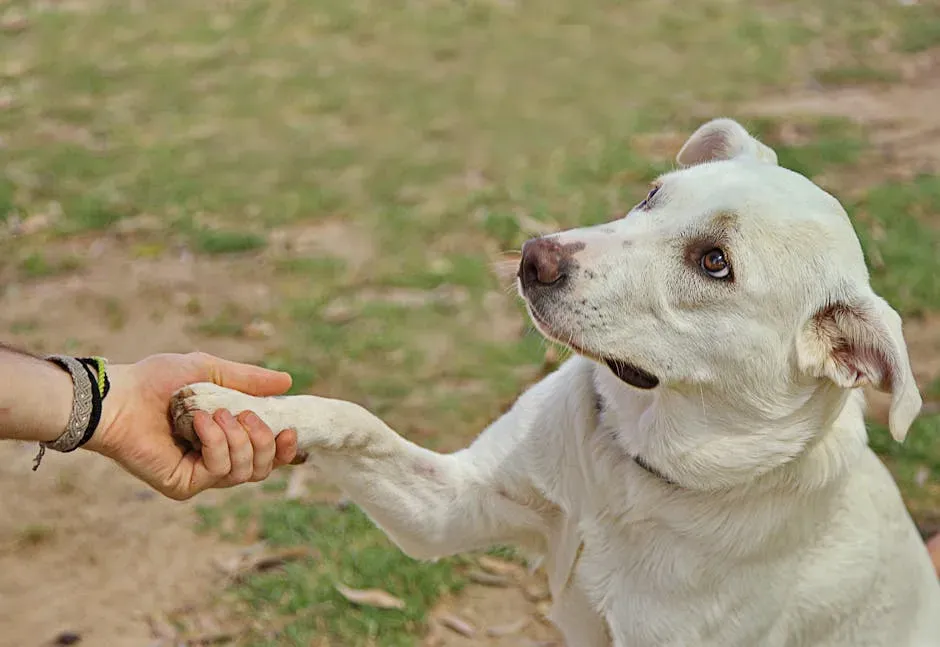
Dogs communicate using vocalizations, olfactory signals, facial expressions, and body language, according to certified behavior consultant and dog trainer Rachel Lane, CBCC-KA, CPDT-KA, MSc, owner of the dog-training company Leash and Learn. The paw is simply one tool in that broad toolkit. It’s physical, hard to ignore, and tends to get results.
Canine communication entails the use of ears, face, muzzle, teeth, body, coat, paws, and tail, all in combination with vocalizations. A study published in the journal Animal Cognition shows dogs use a combination of at least 19 distinct gestures to tell us what they want, and one mix of gestures, such as pawing and head tilting, might translate to a desire to go outside, while another combination might communicate a desire for food. Pawing rarely operates alone.
The Behavior Starts in Puppyhood
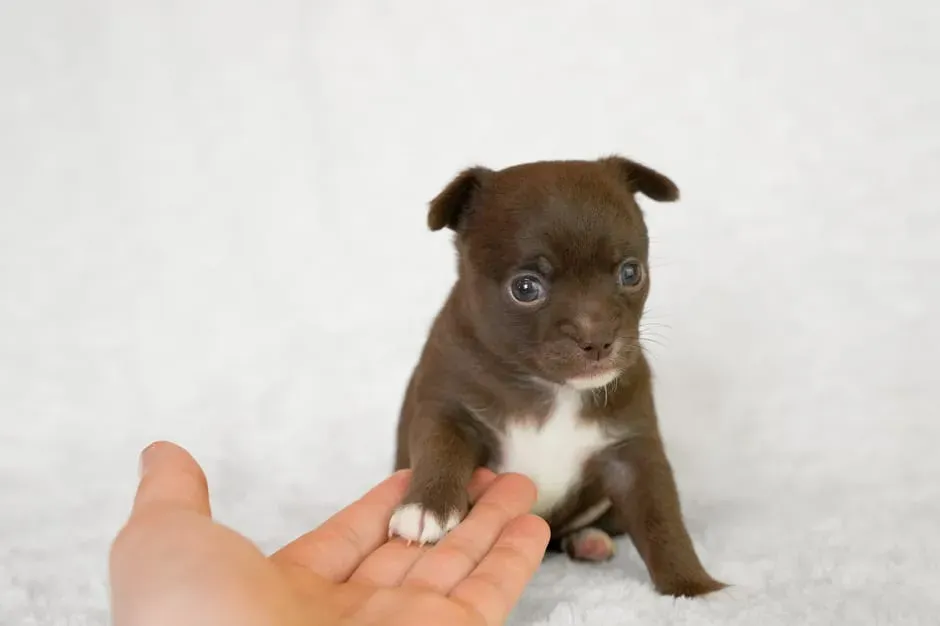
Dog pawing begins as an instinctive behavior in puppies, and as they age, dogs learn pawing is a useful communication tool because it usually results in their owners tending to their needs. A dog figures out that if they want something, like food, attention, or access, pawing is a proven way of getting it.
Because pawing is a natural behavior from birth, since pups will paw at their mothers for milk, dogs use this communication tool when in need. That early wiring never fully disappears. Whether consciously or not, much of the time pawing is reinforced by the owner’s response. The cycle goes like this: a dog paws at you, it’s endearing, you give attention by petting them, and the dog learns to paw next time.
They’re Probably Asking for Attention
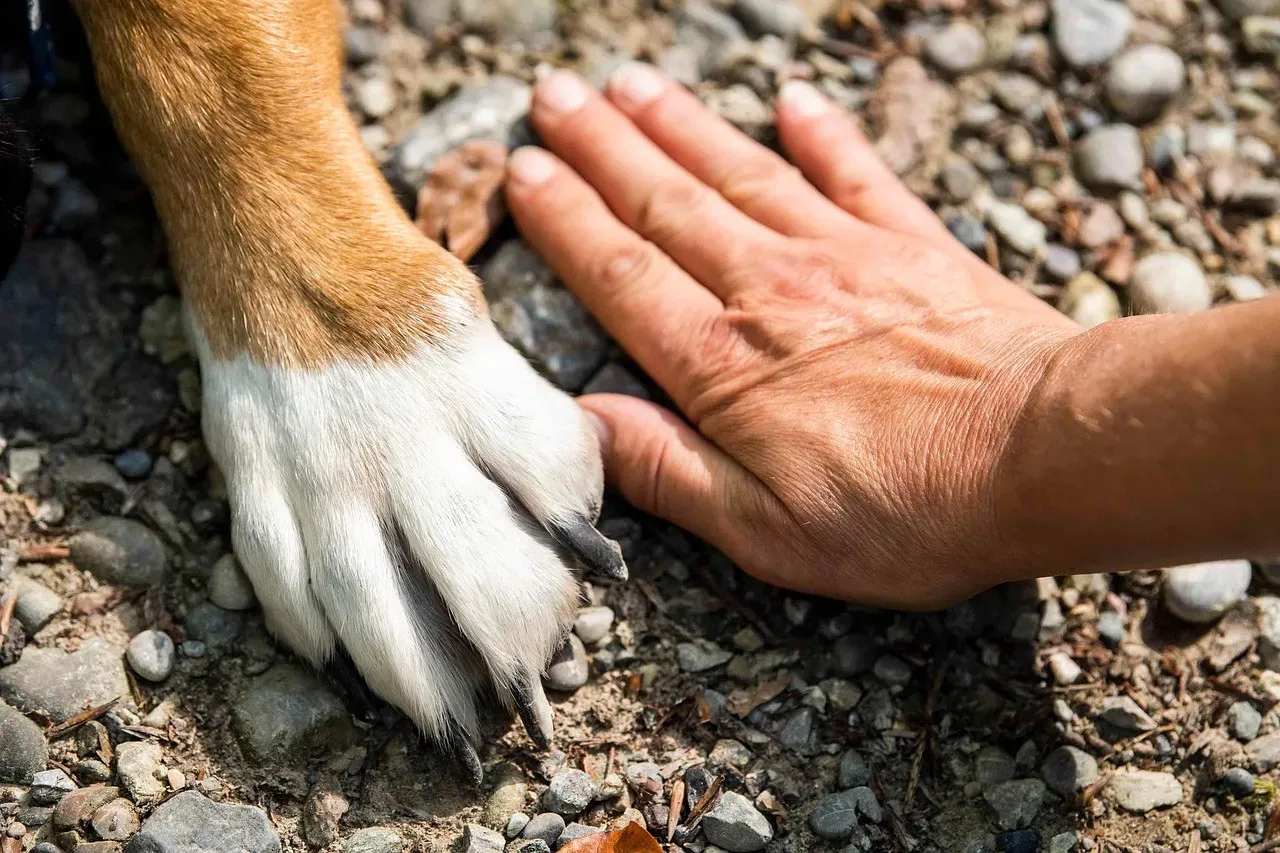
The attention card is the one that trainer Blake Rodriguez sees dogs playing most when it comes to pawing. Dogs pawing at us is usually to initiate something, whether it be playing, petting, moving, taking them for a walk, or otherwise engaging with them, says Rodriguez, founder of Dream Come True K9.
A soft, single paw placement usually means a dog wants gentle attention or is checking in. Repeated pawing with more pressure often signals urgency, like needing to go outside or wanting dinner. The intensity of the gesture, not just the gesture itself, carries meaning. Some dogs will scrape or scratch with their paw, which can indicate frustration or excitement, while others might hold their paw on you for several seconds, which typically shows a desire for prolonged contact or comfort.
It Can Simply Mean “Keep Petting Me”
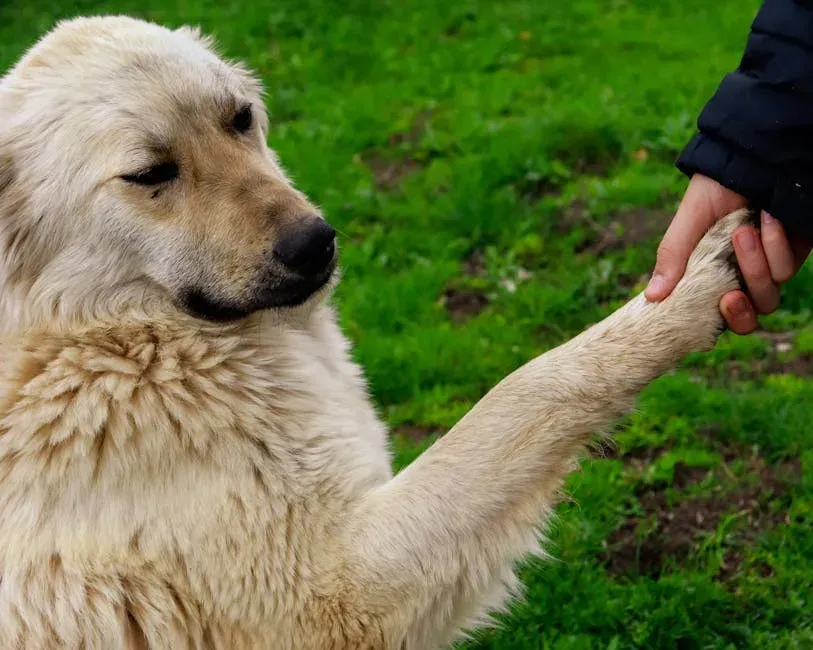
This behavior is rooted in a dog’s desire for attention and affection. When you stop petting them, they may interpret it as a loss of connection and the end of a bonding moment. To regain your attention, they instinctively reach out with their paw, hoping you’ll resume the scratches and strokes.
Giving you their paw, perhaps paired with a pleading look, can mean they want you to continue with what you were doing. Some dogs will follow with a head nudge or place their head on your lap. Studies show that touch, including petting, releases the feel-good hormone oxytocin in both the person and the dog, and in a self-supporting cycle, the calmer the person got, the calmer the dog got. A paw in that moment is practically a request to keep that mutual calm going.
It’s a Genuine Expression of Affection
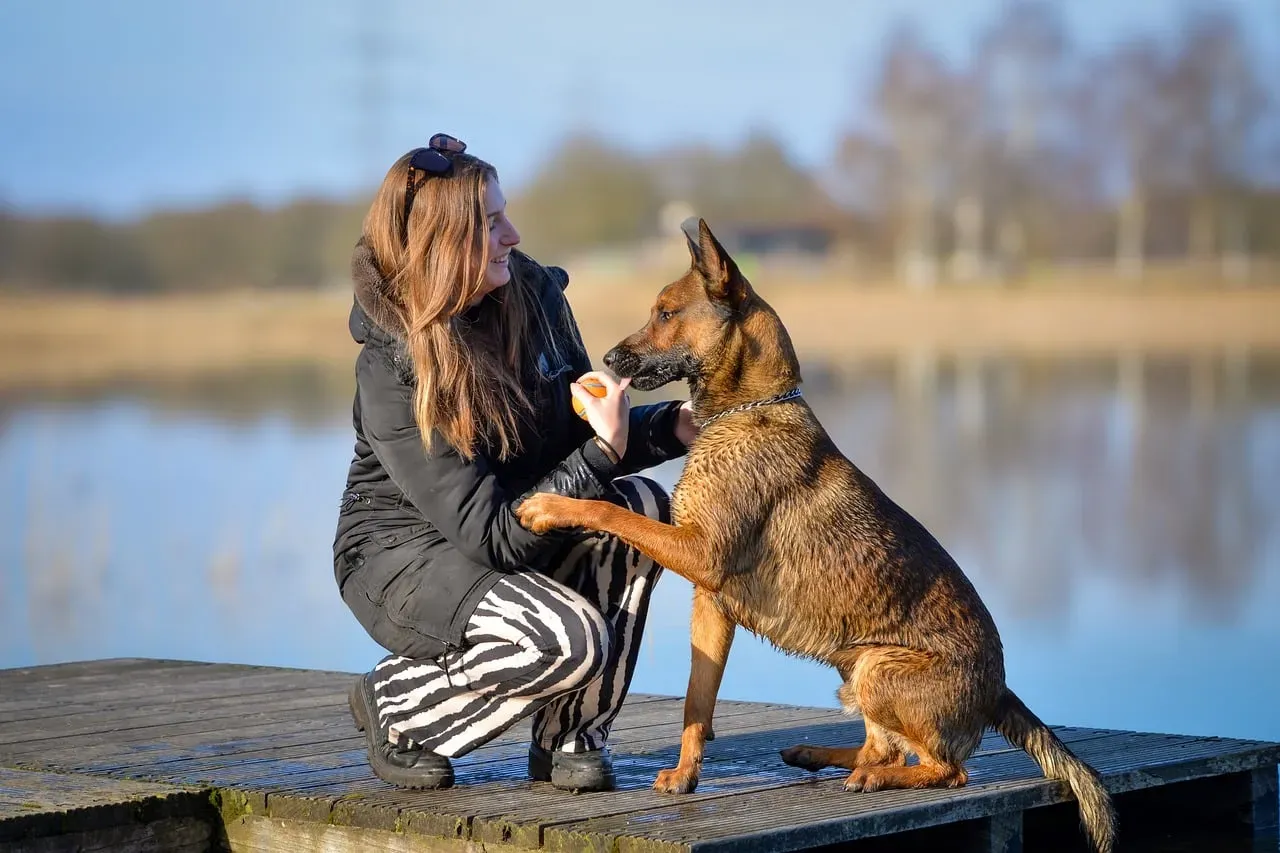
Love involves a chemical reaction including serotonin, oxytocin, and dopamine. When near someone who produces this reaction, we want more. Because dogs possess all three neurotransmitters, they can experience love and often show it through pawing, such as when they rest a paw on your arm while you’re petting them.
Petting a dog releases oxytocin, serotonin, and dopamine in both humans and dogs while lowering cortisol levels, reducing stress, and strengthening the human-dog bond. Research demonstrates that the exchange of social-positive behaviors associated with bond maintenance triggers the release of oxytocin. When a dog rests a paw on you during a quiet moment, the chemistry backing that gesture is real.
Partner offer
They May Be Seeking Comfort or Feeling Anxious
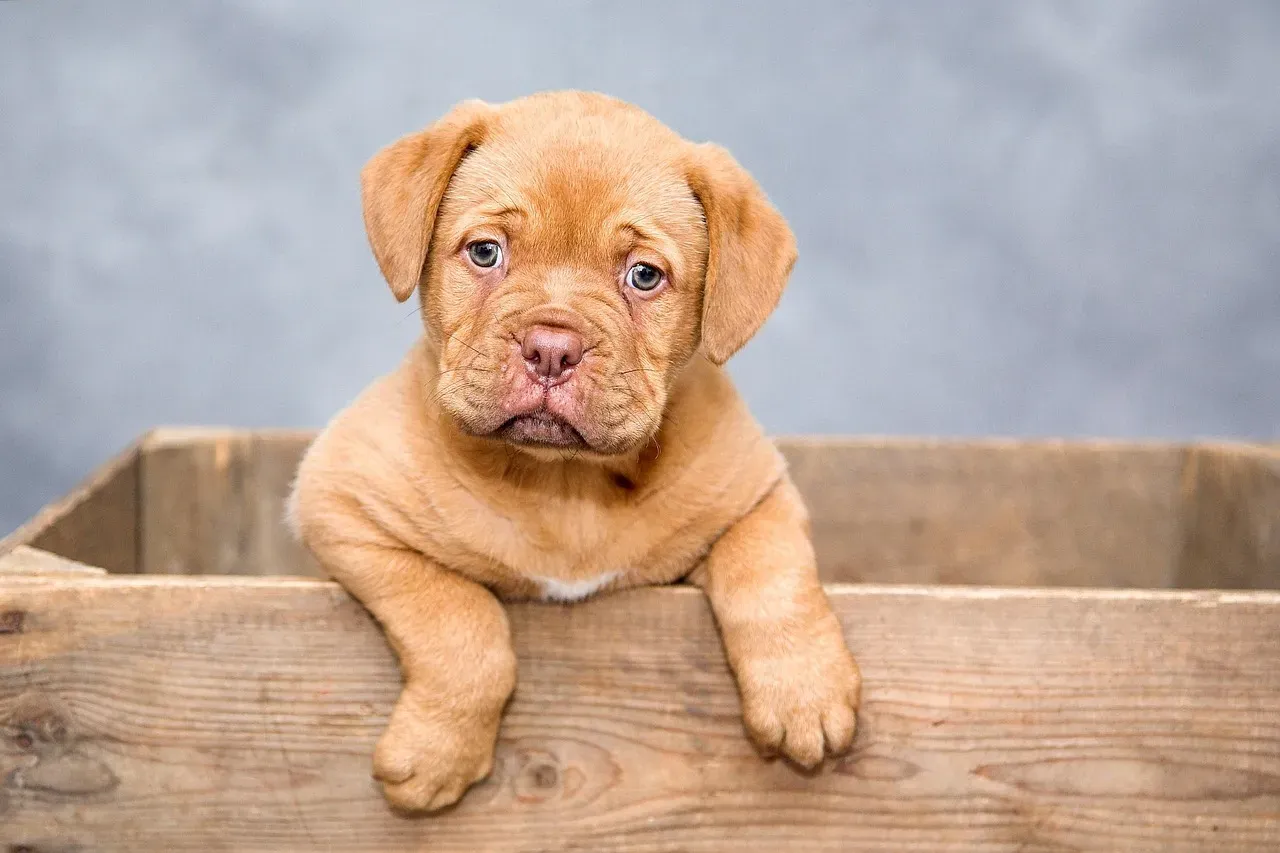
A paw on you may also mean that a dog feels worried. The roar of thunder, separation anxiety if they think you’re about to leave, or a sudden knock at the door can frighten a dog and send it pawing at you for comfort.
Dogs can use their paws as part of a bigger cluster of body language indicators to communicate emotions like stress or anxiety. If a dog lifts their paw without touching anything, this might be a sign of stress. Touching someone can also be a stress response, especially if they’re trying to push you away with their paw. A dog might become suddenly very active and seek attention by jumping up or pawing at you, and they might find it difficult to follow well-known requests like “sit” because the stress response in their body makes it harder to stay still or concentrate.
It Could Be a Hungry Dog Telling You So
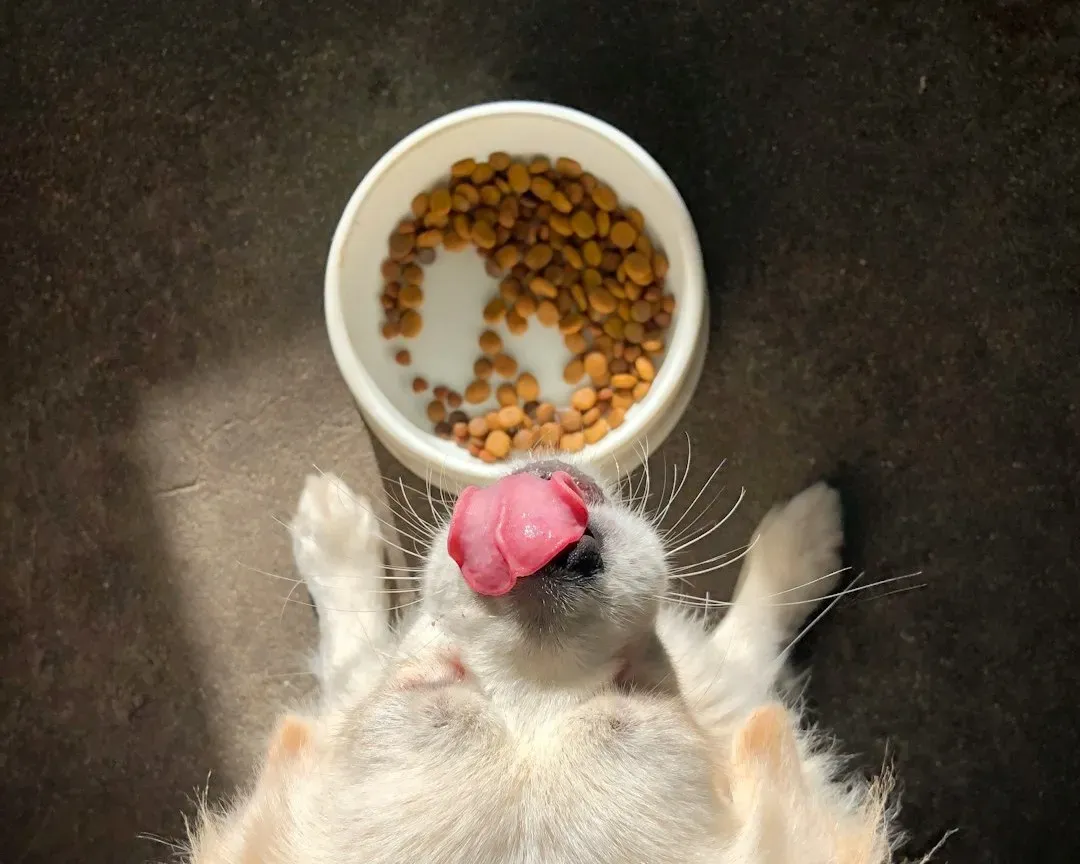
Many pet parents notice that their dog becomes restless about 30 minutes before mealtime. When their stomach starts to rumble, a dog may use their paw to alert you that they’re hungry. It’s one of the more practical applications of the behavior, and most owners have experienced it without necessarily connecting the dots.
When a dog is hungry, hurting, or wants something you have, pawing can be a more subtle way of letting you know. They may exhibit this behavior even though they have been trained not to jump up or beg. Owners often respond to a paw by giving their dogs food, including treats, table scraps, or a full meal. That response, however well-intentioned, is exactly what teaches the behavior to stick.
It Is Not About Dominance
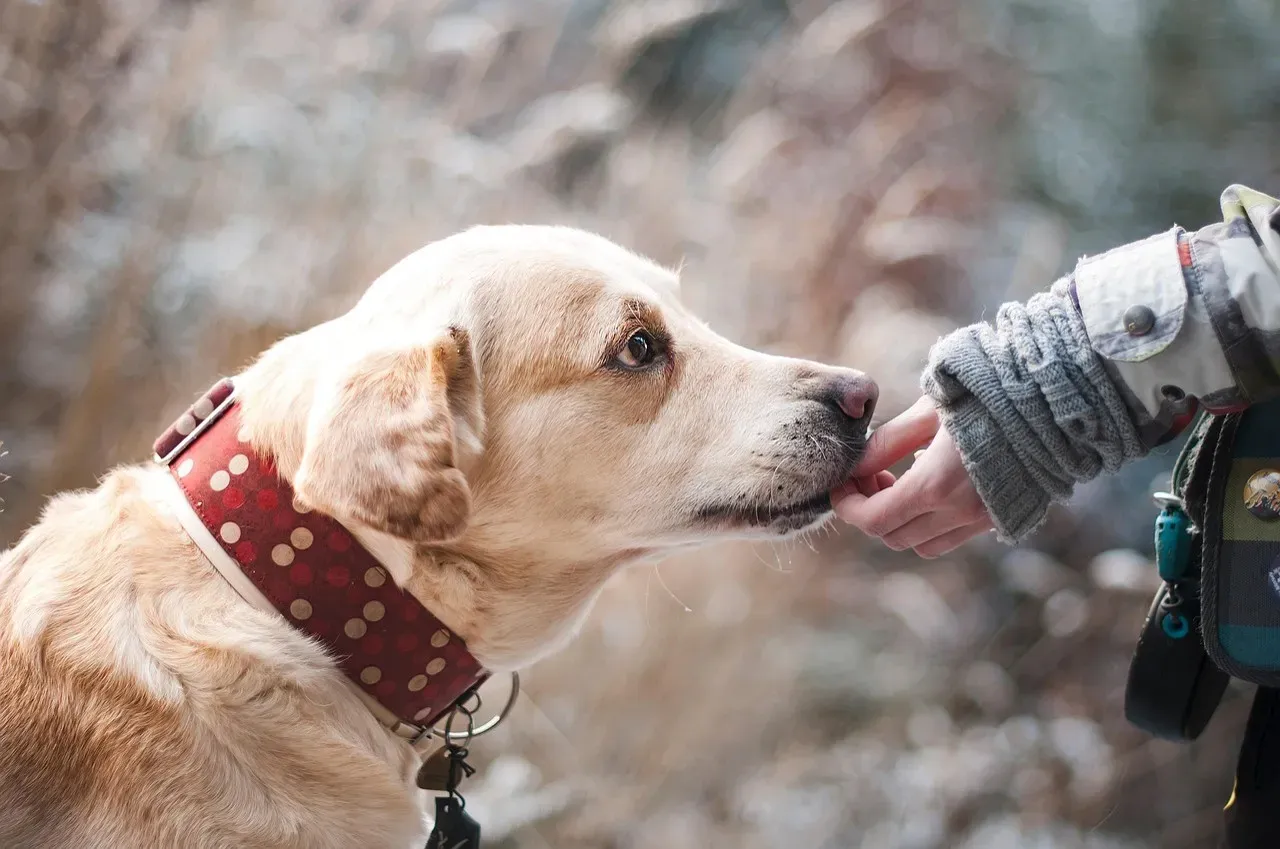
Some experts seek to correct the widespread misperception that pawing is a form of dominance. While you’ll read a lot about a dog putting their paw on top of your hand or body as a way of showing dominance over you, that is not the case. There is no research to show that dogs have any sort of hierarchical relationship with us in that way.
This particular myth has persisted for a long time, but the science simply doesn’t support it. Research investigating how dogs communicate through body language, vocalizations, and postures emphasizes behaviors such as ear posture, pawing, and tail movements, underscoring their importance in interpreting stress, aggression, and affection, not rank. The paw is a conversational opener, not a power play.
Context and Body Language Are Everything
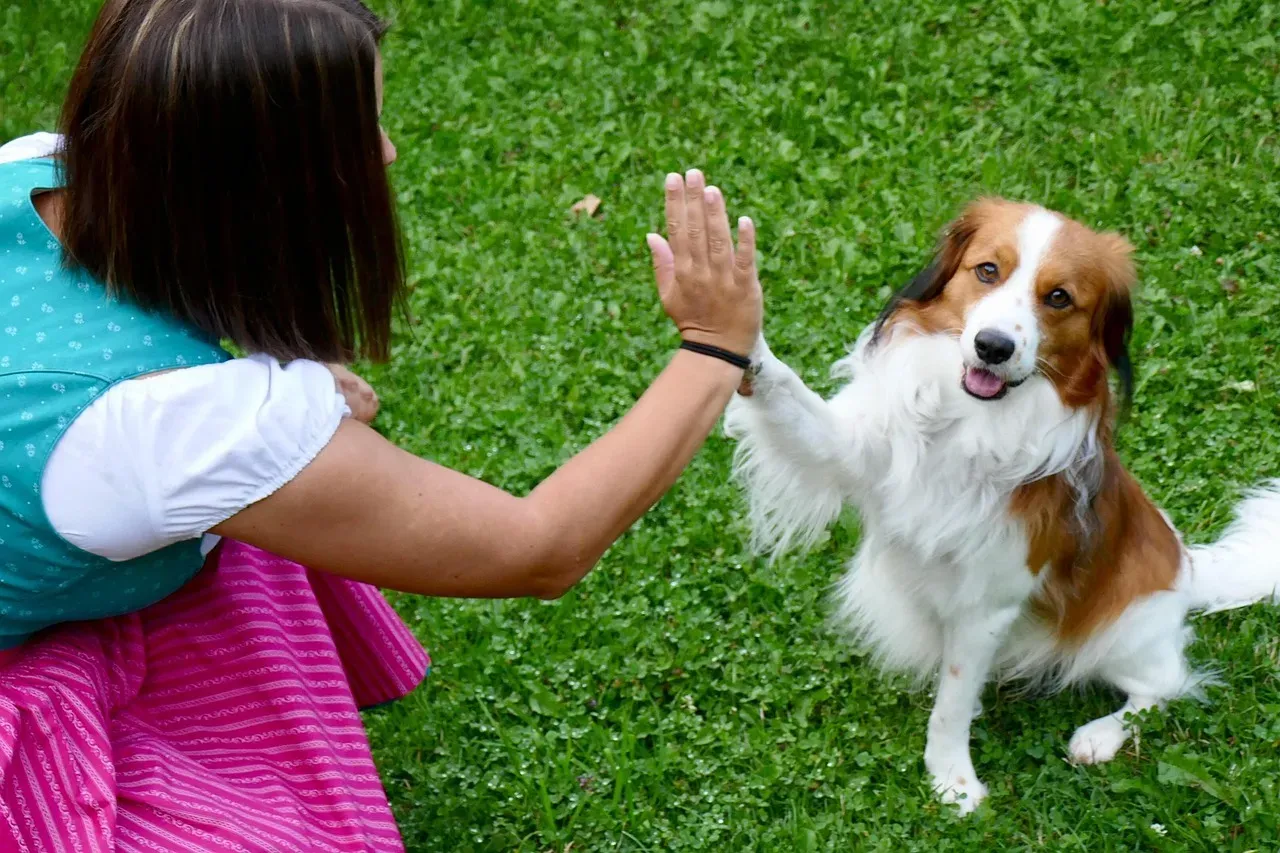
Animal behavior expert and professor emeritus Marc Bekoff says that to determine what pawing means you need to know the context and the dynamics of the dog-human relationship. The same gesture means something different depending on what the rest of the dog’s body is doing in that moment.
Paying attention to a dog’s overall body language when they paw you matters a great deal. A relaxed dog with a wagging tail has different intentions than a tense dog with pinned ears. In dog language, a paw paired with a relaxed, soft face is usually friendly and affiliative, while a tense or uneasy look might indicate stress or uncertainty. Reading the full picture, not just the paw, is the whole game.
When to Redirect the Behavior
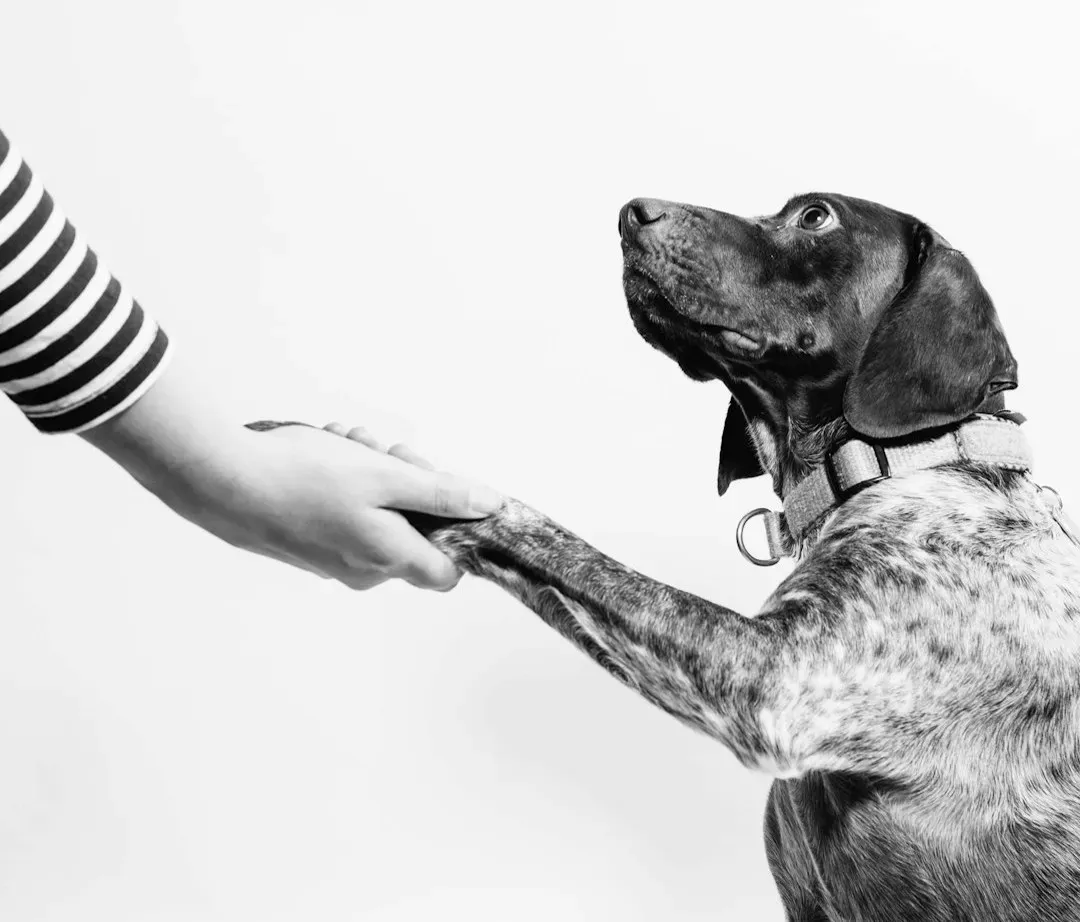
Pawing becomes problematic when it’s demanding, excessive, or happening at inappropriate times. If a dog paws frantically whenever you sit down, they’re being pushy rather than polite. When pawing accompanies whining, barking, or jumping, it’s part of a pattern of demanding behavior that needs redirection.
Trainers suggest retraining a paw-happy dog to seek attention in a different way. If a dog wants to go out, instead of pawing, dogs can be taught amazing replacement behaviors, like pushing a button or ringing a bell. When a dog paws because they’re anxious, it’s also important to work with a dog trainer or behavior consultant to address the underlying anxiety and fear so that it resolves over time. The goal isn’t to suppress communication but to shape it into something that works for both of you.
A dog’s paw landing on your arm is rarely a random act. It’s a small signal from an animal that has evolved, over thousands of years of life alongside humans, to find ways to reach us. Whether they want dinner, a scratch behind the ear, or just the reassurance that you’re still there, the message is worth taking seriously.
Partner offer
Planning a trip to Vegas?
Compare hotel rates and show tickets on VEGAS.com.