There is something almost magical about the idea that a skincare ritual practiced three thousand years ago might be sitting on your bathroom shelf right now. From the banks of the Nile to the imperial courts of ancient China, civilizations across the globe were quietly experimenting with beauty long before lab coats and clinical trials ever entered the picture.
Honestly, some of these discoveries are so sophisticated they still make dermatologists raise an eyebrow. Modern science has been spending decades catching up to what ancient people figured out through observation, trial, and a whole lot of intuition. So let’s dive in and find out which of these time-tested rituals genuinely hold up.
Cleopatra’s Milk Baths: Lactic Acid Before It Had a Name

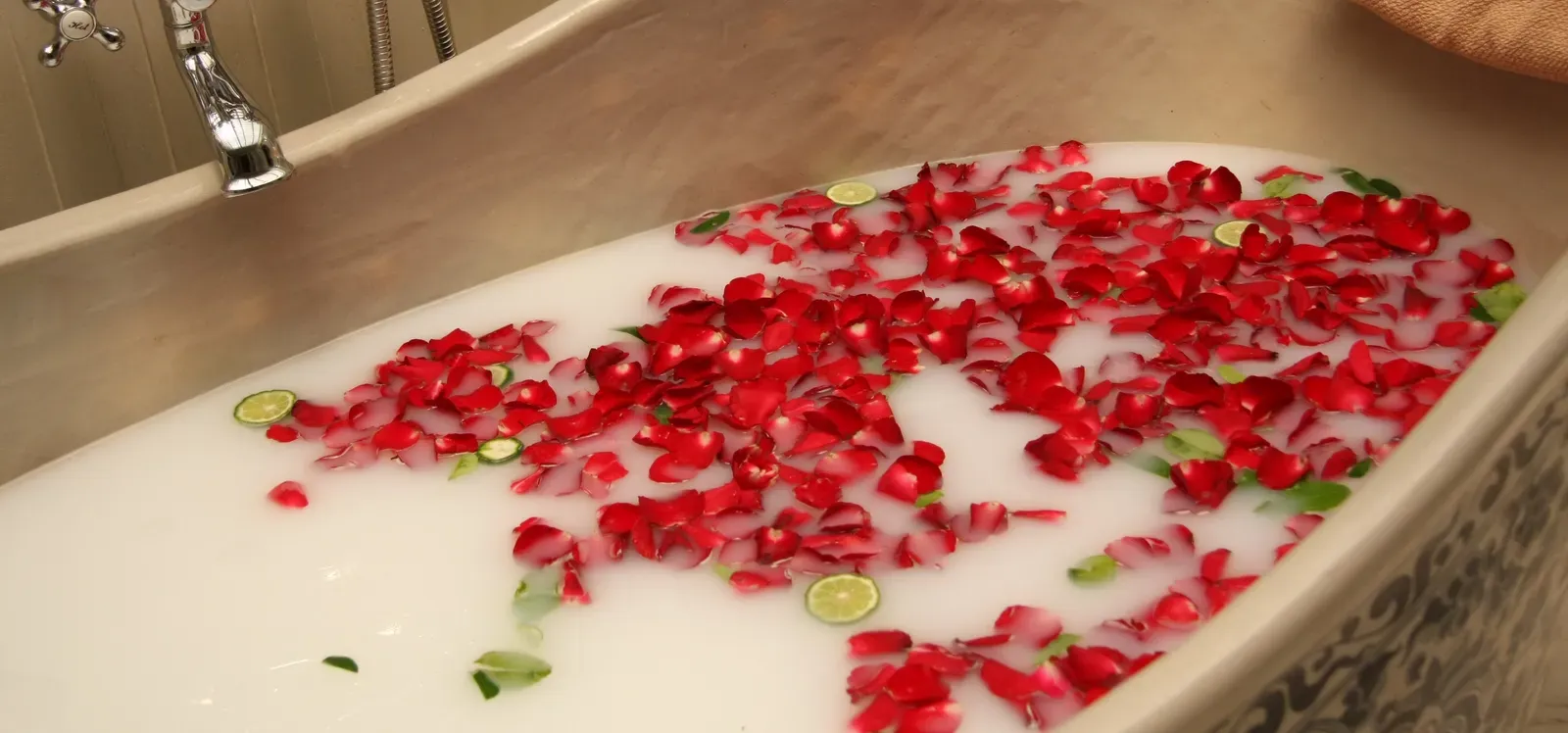
When you think of ancient luxury, Cleopatra bathing in milk is probably one of the first images that comes to mind. It sounds extravagant, even absurd. She was known for flawless, luminous skin and bathed in a mix of milk, honey, olive oil, and rose petals, with milk offering a gentle exfoliant effect through lactic acid, a compound that softens and smooths skin.
Here’s the thing: lactic acid is one of the most popular ingredients in modern exfoliating skincare today. Many of today’s brightening and exfoliating treatments still use lactic acid, a key ingredient in Cleopatra’s milk baths. It did not take a chemistry degree to discover it. It just took someone willing to soak in a bathtub of soured milk and notice how their skin felt afterward.
Beauty rituals also served a preventive role, aiming to preserve skin condition rather than correct damage after it appeared. That philosophy, by the way, is exactly what modern dermatologists preach when they talk about “preventive skincare.” Sometimes the ancients were simply ahead of the conversation.
Honey: The World’s Oldest Moisturizer and Wound Healer

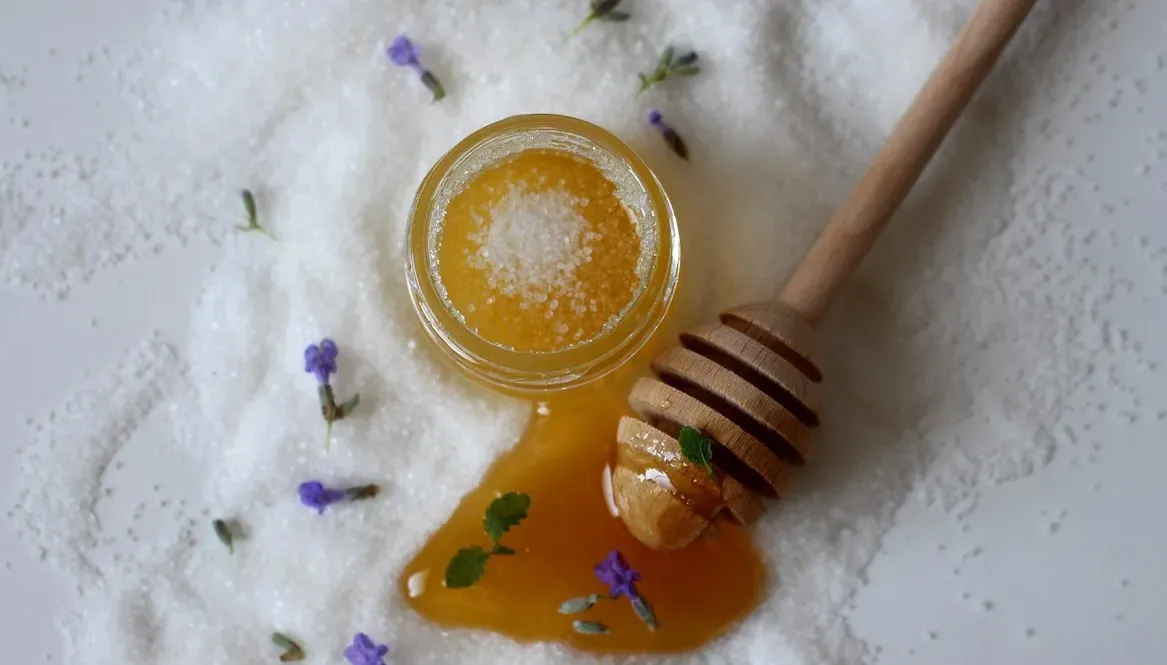
Honey has been used on skin for so long that its history is almost impossible to fully trace. The ancient Egyptians used honey as a natural humectant, protecting against dryness in the desert heat, and applied oils like castor, sesame, and moringa for hydration and sun protection. A humectant, for the uninitiated, is an ingredient that draws moisture from the air into the skin. Hyaluronic acid is the modern star of that category. Honey was doing the same job millennia earlier.
Women of Egyptian royalty used a variety of natural creams, masks, and exfoliants, and a skin scrub formula was recently discovered on a piece of medical papyrus dating back to the court of Thuthmosis III around 1425 BC. The fact that someone valued this formula enough to have it buried with them tells you everything about how prized these remedies were.
Honey’s antibacterial and wound-healing properties are well supported by current research, and it remains a genuine ingredient in modern medical-grade wound dressings today. It is one of the few ancient remedies that crossed from folk remedy to hospital supply room, which is quite a career trajectory for a bee’s byproduct.
Turmeric: Ancient Indian Spice With Serious Skin Science Behind It

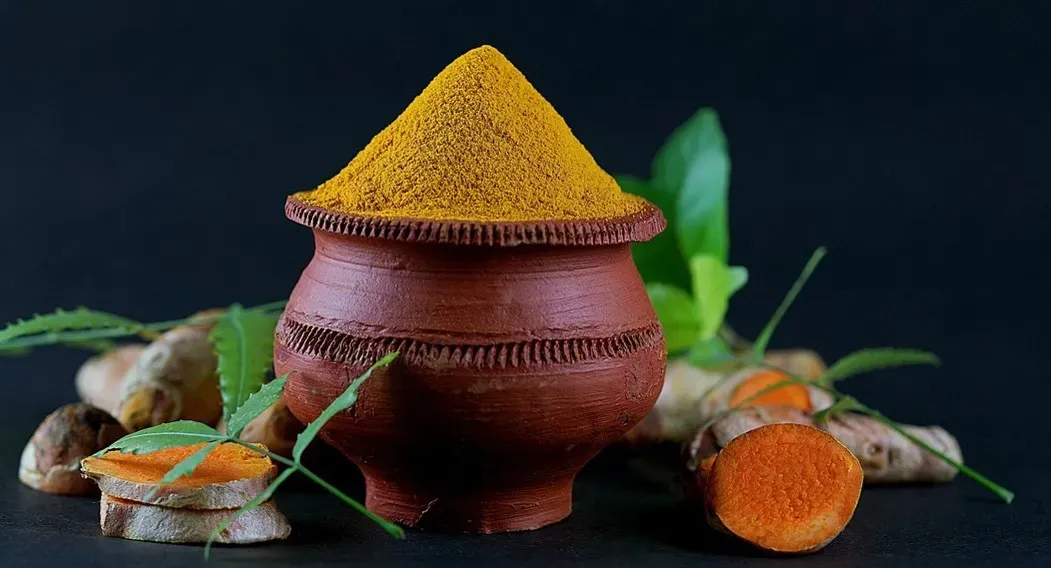
Turmeric is considered one of the earliest cosmetics because it was traditionally smeared on the skin by Indian women. That tradition stretches back thousands of years. The earliest records of cosmetic substances and their application date back to around 2500 and 1550 BC, to the Indus Valley civilization. Turmeric was there from the very beginning.
Modern science has taken a serious look at what makes turmeric work. Increasing evidence suggests that curcumin, the active component of turmeric, can prevent ultraviolet radiation-induced skin photoaging and related inflammation, with effects including inhibition of melanin production, wrinkle reduction, and antioxidant and anti-inflammatory actions.
Curcumin, derived from Curcuma longa, exhibits significant potential in dermatology, addressing conditions like atopic dermatitis, psoriasis, chronic wounds, skin cancer, and infections through its anti-inflammatory, antioxidant, anticancer, and antimicrobial properties. A 2024 clinical review published in the journal Clinical and Cosmetic Investigational Dermatology confirmed this broad range of therapeutic action. Curcumin provides protection against skin damage caused by prolonged exposure to UVB radiation, reduces wound healing times, improves collagen deposition, and increases fibroblast and vascular density in wounds.
Castor Oil: A 3,000-Year-Old Hair Treatment Still on Shelves

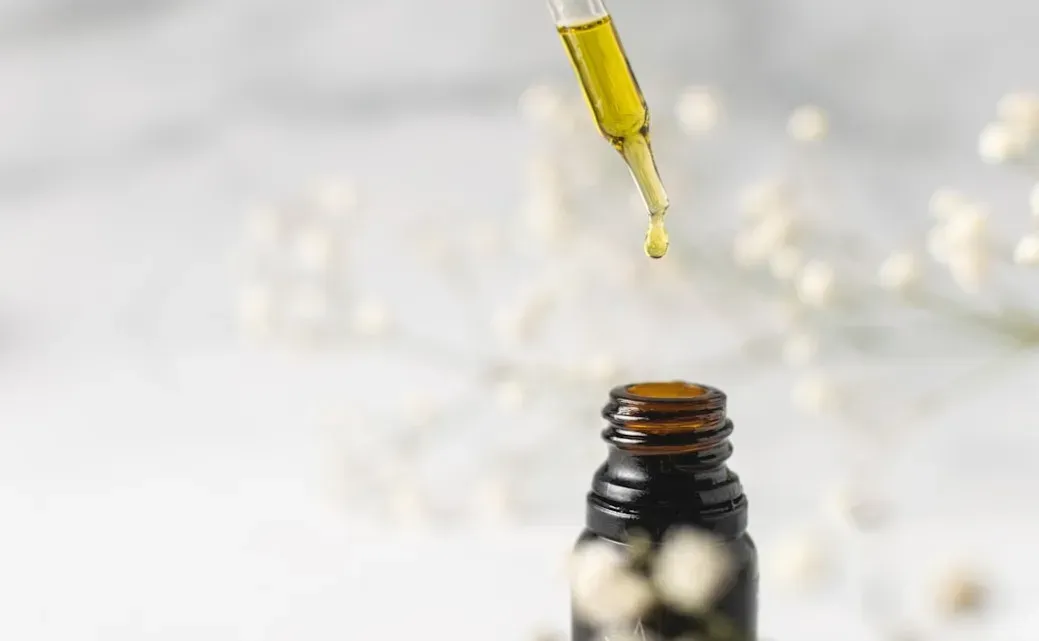
Castor oil’s use for possible hair growth benefits may date back to ancient Egypt. Think about that for a second. People were massaging this thick, sticky oil into their scalps long before shampoo, before conditioner, before any of it. While castor oil is becoming a popular home remedy for hair, detoxification, and skin health, its use predates modern medicine, and it was traditionally used as a hair oil in Indian and African cultures.
So does it actually work? The science here is more nuanced than the internet would have you believe. Research does support that ricinoleic acid, the main component of castor oil, has anti-inflammatory properties that could help maintain a healthy scalp environment, and castor oil’s molecular structure helps it retain moisture, which can protect the hair shaft and reduce breakage.
Rosemary oil has been shown to improve hair regrowth in androgenetic alopecia by promoting circulation in the scalp and inhibiting DHT, with studies suggesting its efficacy comparable to minoxidil. Interestingly, a 2024 clinical trial tested rosemary combined with castor oil, showing promising results for scalp health. Castor oil, rich in ricinoleic acid, has been traditionally used to nourish hair and enhance its density, though scientific evidence supporting its direct role in alopecia management remains limited. Honest enough.
Olive Oil: The Greek and Roman Beauty Staple That Never Left

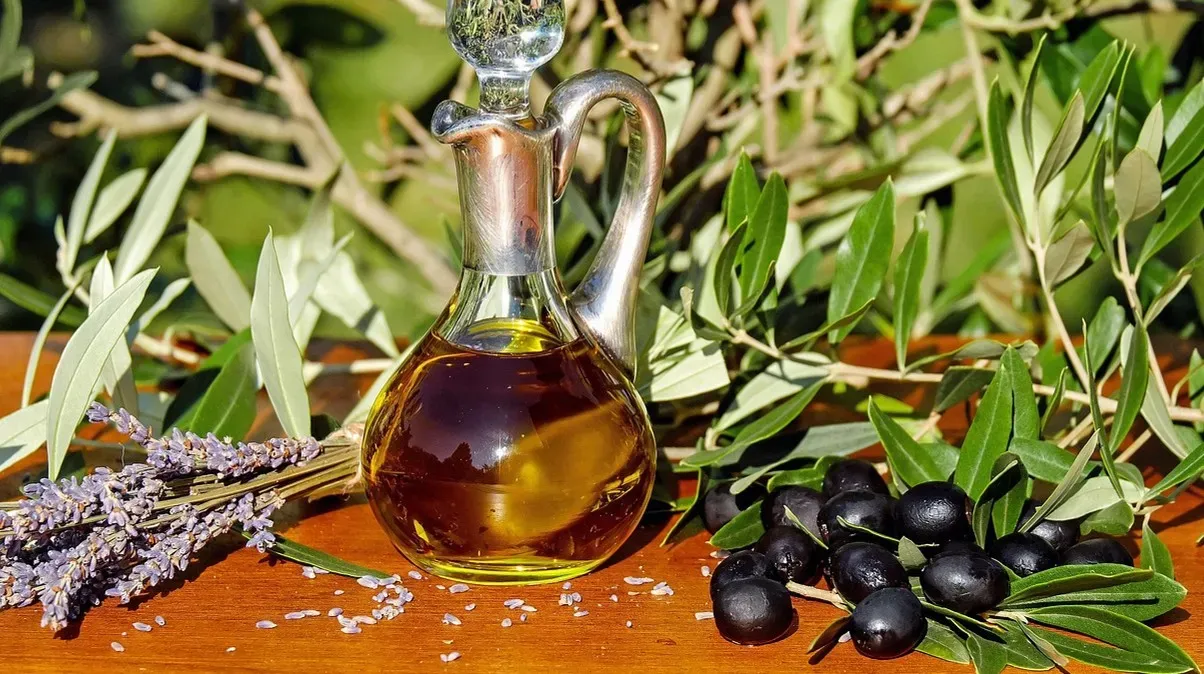
The ancient Greeks were, let’s be real, pretty serious about beauty. The Greeks, known for their emphasis on beauty and the human form, favored olive oil not just in their diet but also as a skincare product, using it as a cleanser, moisturizer, and even as a treatment for sunburn. It was essentially a one-bottle solution to almost every skin concern they had.
The Greeks and Romans embraced communal baths as both social and therapeutic practices, with olive oil serving as a universal beauty staple used for cleansing, moisturizing, and massaging, while clay masks were common for absorbing impurities. Clay masks, by the way, are still a multi-billion dollar skincare category today.
Olive oil is rich in squalene, vitamin E, and fatty acids, all of which support the skin barrier. It does not work well for everyone as a standalone moisturizer, particularly those with oily or acne-prone skin. Still, for dry skin types, it functions almost exactly as the ancients intended. Sometimes simplicity really is the answer.
Gua Sha and Jade Rollers: Ancient Chinese Tools Now Backed by Fresh Research


Gua sha and jade rollers originated from ancient China, becoming part of Western beauty routines during the 1970s. Today they are everywhere, from beauty counters to TikTok tutorials. The use of jade rollers and gua sha tools in Traditional Chinese Medicine was not just for beauty but for stimulating circulation, moving stagnant energy, and promoting overall wellness. But what does current science say?
Partner offer

A 2024 randomized controlled trial published by researchers in Seoul delivered some genuinely interesting data. Facial roller massage promotes increased blood flow and lymphatic drainage, while gua sha massage increases microcirculation and reduces muscle tension. Both groups showed improvements in facial contour, with all four facial surface distances decreasing from baseline, and these changes are inferred to produce long-term improvements in nasolabial fold appearance and jawline definition that both patients and clinicians can notice.
Dermatologists do caution that the effects have limits. Gua sha cannot build up the facial muscles enough to lift sagging skin or sharpen facial contours in a dramatic way. Think of these tools more like a daily maintenance ritual than a replacement for clinical treatment. These techniques are non-invasive with no downtime and no risk of adverse events, making them a valuable treatment option on their own or when added to more sophisticated regimens.
Rosewater: The Medieval Toner That Predates Every Fancy Spray Bottle

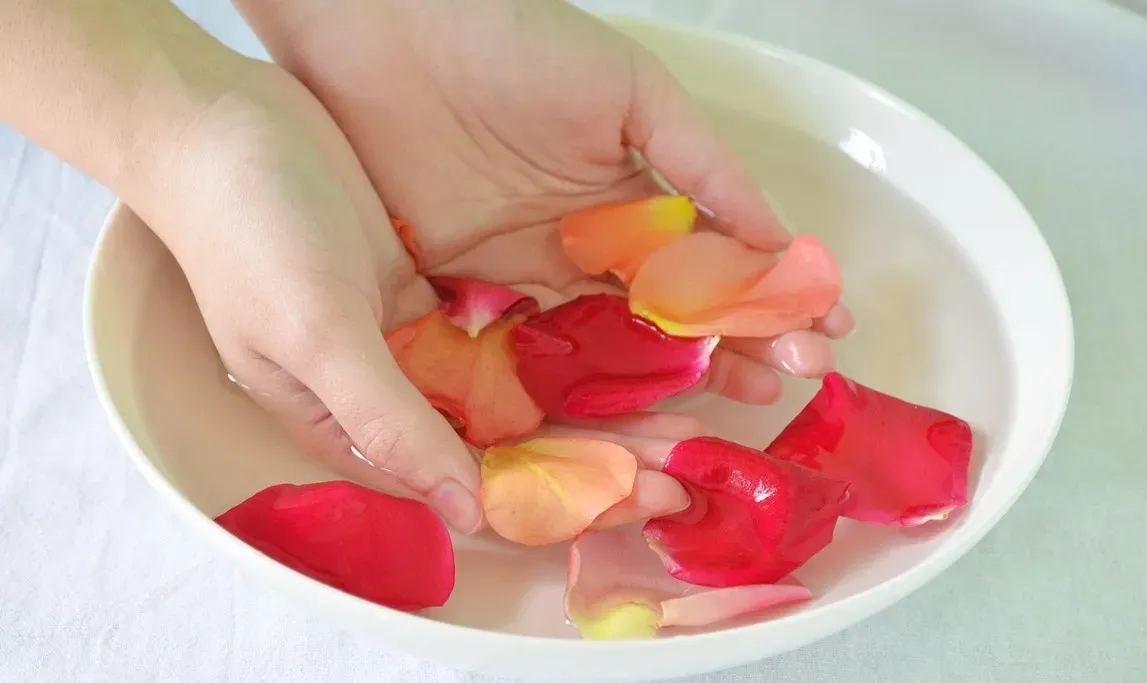
Rosewater has been a skincare staple for so long that pinning down its exact origin is nearly impossible. Herbal remedies like rosemary, lavender, and chamomile were used to soothe the skin in medieval Europe, while rosewater became a beloved toner for its gentle properties. It was used across Persia, the Arab world, and eventually all of Europe. Call it the original facial mist.
Rosewater’s appeal comes from its mild astringent properties and its ability to temporarily reduce redness and calm irritated skin. It contains flavonoids and tannins, which have measurable antioxidant effects. The pH of rose water also tends to sit close to that of skin, making it a gentle, non-disruptive way to hydrate and refresh.
Rosewater continues to be a staple in toners, mists, and natural beauty formulas. Walk down any beauty aisle in 2026 and you will find it marketed as a luxury ingredient in products that cost significantly more than the rosewater itself. It is one of the better value purchases in any skincare routine, ancient or modern.
Ayurvedic Herbal Cosmetics: India’s 4,000-Year-Old Skincare System

Ayurveda is one of those subjects that could fill an entire library. Ayurveda, one of the world’s oldest healing systems, viewed skin as a mirror of internal health. What you put into your body mattered just as much as what you put on it. That is, honestly, a concept dermatology is only now really embracing in its full scope.
There is evidence of highly advanced ideas of self-beautification and a large array of various cosmetic usages both by men and women in ancient India, with many of these practices subtly interwoven with the seasons and the normal rituals of daily life. The Ashtanga Hridaya, a 1,500-year-old book of Ayurveda, offers six different formulations to be used for the six seasons of the year. Season-specific skincare. In 2026, that idea is back and being sold as a cutting-edge “climate-adaptive” concept by luxury brands.
Turmeric, neem, and botanical oils from Ayurvedic tradition remain popular in holistic and clean beauty movements. Neem in particular has strong antimicrobial and anti-inflammatory properties, and it appears in countless modern acne treatments. It is hard to argue with something that has been working for four millennia.
Ancient Egyptian Hair Gel: Beeswax, Plant Oils, and Serious Styling Ambition

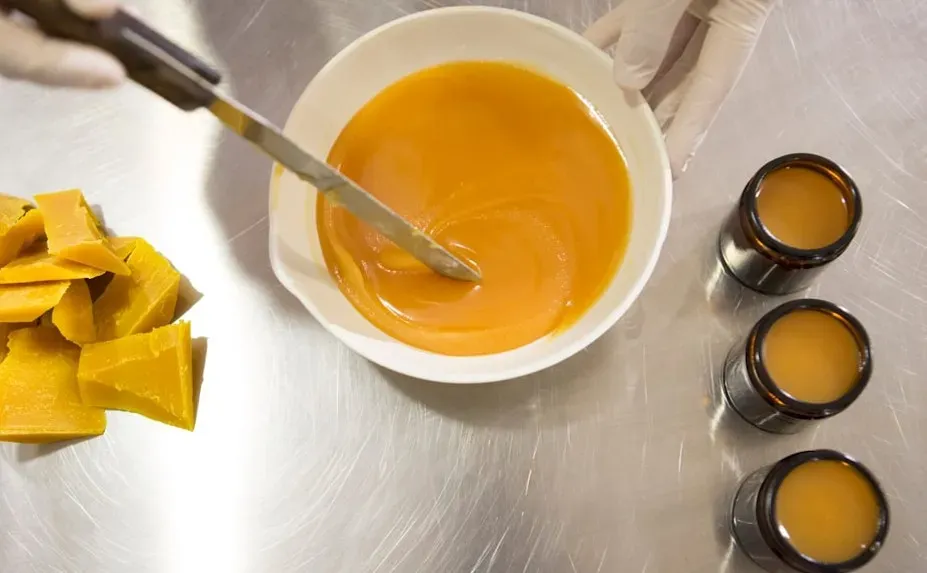
Here is something that almost sounds too good to be true. Using modern analytical techniques, researchers were able to determine that an ancient Egyptian wig had been styled with a mixture of plant oils, balsam, beeswax, and plant gum. This was a discovery made from a wig dated to approximately 3,400 years ago.
These substances, applied to the hair to smooth and set the style, represent an early form of “hair gel” used by the ancient Egyptians. The ingredients are almost laughably practical. Beeswax provides hold. Plant oils add moisture and sheen. Plant gum offers flexibility. Modern hair product formulators use essentially the same logic, just wrapped in different branding.
Researchers found traces of these compounds between the teeth of a comb, suggesting that the owner groomed her hair with great care, and this discovery provides a rare glimpse into how personal grooming was intertwined with social status and cultural practices. Beauty was never just vanity. It was identity. It was status. That much, at least, has not changed at all.
Green Tea and Ginseng: Traditional Chinese Medicine’s Anti-Aging Duo

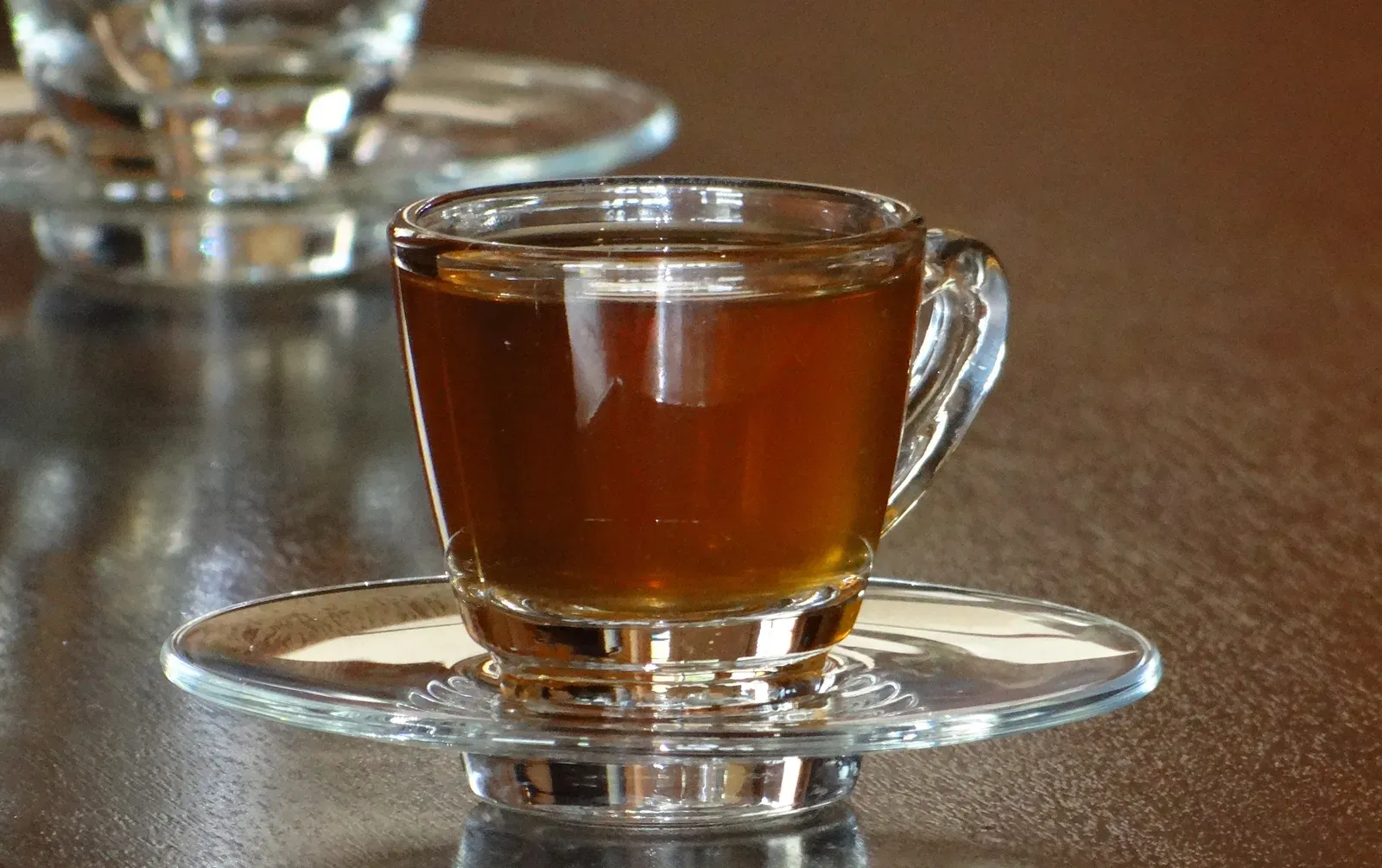
Traditional Chinese medicine approached skincare through the lens of balance. Traditional Chinese medicine emphasized balance and harmony, and herbs like ginseng, green tea, and goji berries were prized for their antioxidant and healing properties. These were not just wellness ingredients. They were the foundation of an entire philosophy about how the body ages and heals.
Green tea is one of the most researched plant extracts in cosmetic science. Its primary active compound, epigallocatechin gallate, is a potent antioxidant that protects skin cells from oxidative stress, which is a key driver of visible aging. Many phytochemicals, including epigallocatechin gallate, caffeine, rosemary oil, red ginseng extract, and curcumin, were reported to have hair growth-stimulating properties. So green tea is pulling double duty for both skin and hair.
Across the globe in ancient China, skincare practices were influenced by traditional Chinese medicine, which emphasized balance and harmony within the body and with nature. Ginseng, now found in serums that retail for well over a hundred dollars, was being applied to skin in ancient China long before anyone invented the concept of a luxury price tag. Some things age better than others. Ginseng and green tea, it seems, age exceptionally well.
Conclusion: The Ancients Knew More Than We Give Them Credit For

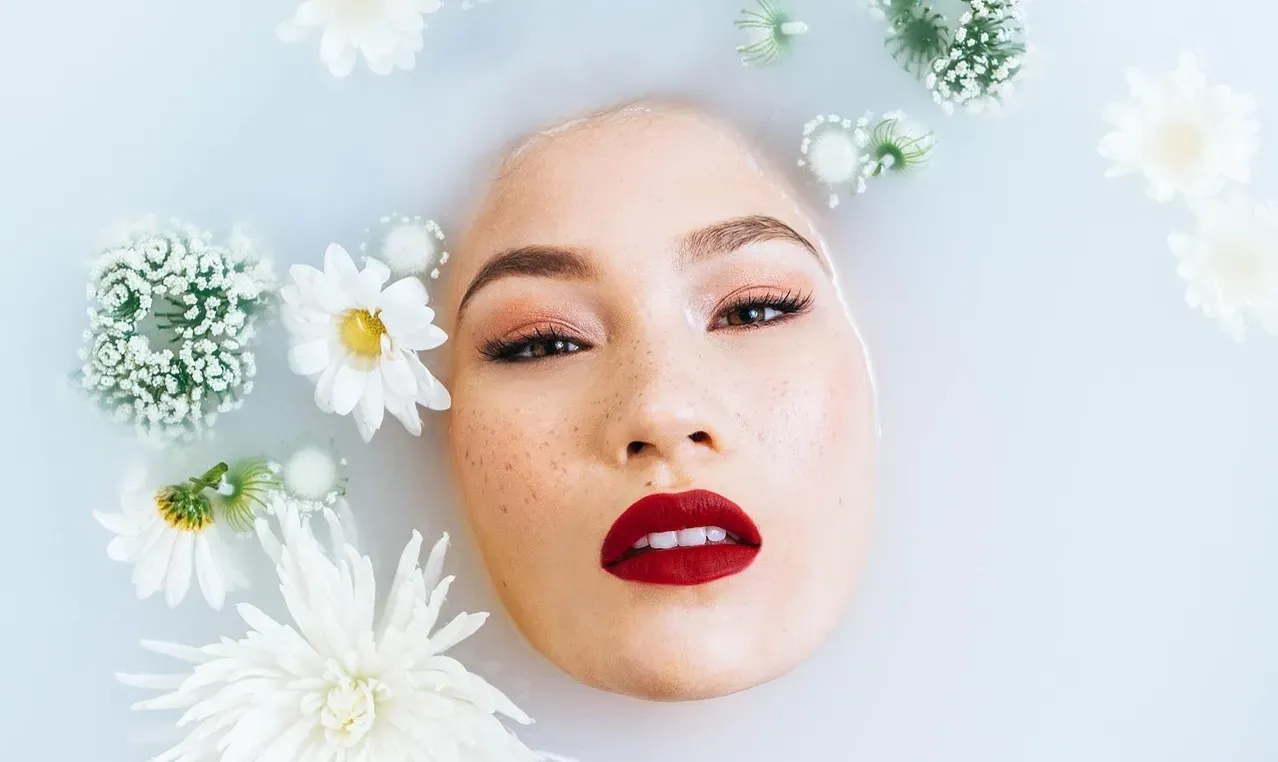
It would be easy to dismiss ancient beauty practices as superstition dressed up in ritual. But time and again, modern science keeps circling back to the same plants, the same oils, and the same principles that civilizations worldwide discovered independently thousands of years ago. Modern research confirms that many historically used natural materials support hydration, barrier care, and renewal.
Skincare has evolved from simple natural remedies to an intricate blend of science, technology, and tradition, and as we continue to learn and grow, skincare will undoubtedly continue to change, influenced by cultural trends, scientific advancements, and the timeless pursuit of beauty. The irony is that the most “modern” brands often rediscover ancient ingredients and repackage them for a new audience at ten times the price.
Perhaps the truest beauty secret of all is this: simplicity, consistency, and respect for what nature offers have always been enough. The ancients knew it. Science is confirming it. What would you have guessed was the oldest skincare ingredient still used today?
Partner offer
Planning a trip to Vegas?
Compare hotel rates and show tickets on VEGAS.com.