Every few years, something clicks in the collective consciousness and a forgotten trend resurfaces with surprising force. It might be a fashion silhouette, a music format, or a whole cultural aesthetic that once felt completely buried. What makes this cycle so fascinating right now is just how data-driven it has become. Hashtags like #throwback, #nostalgia, and #vintage saw a 130% year-over-year growth on TikTok, proving that users genuinely crave content that reminds them of the past. The people leading the charge are not who you might expect. Young people are driving this fascination with the past, with 90s and early 2000s throwbacks deeply resonating with Millennial and Gen Z groups, whether or not they were alive to witness their chosen cultural reference first-hand. These are not just passing microtrends. Many of them have the staying power to reshape how entire generations dress, listen to music, and engage with entertainment.
Vinyl Records: The Format That Refused to Die

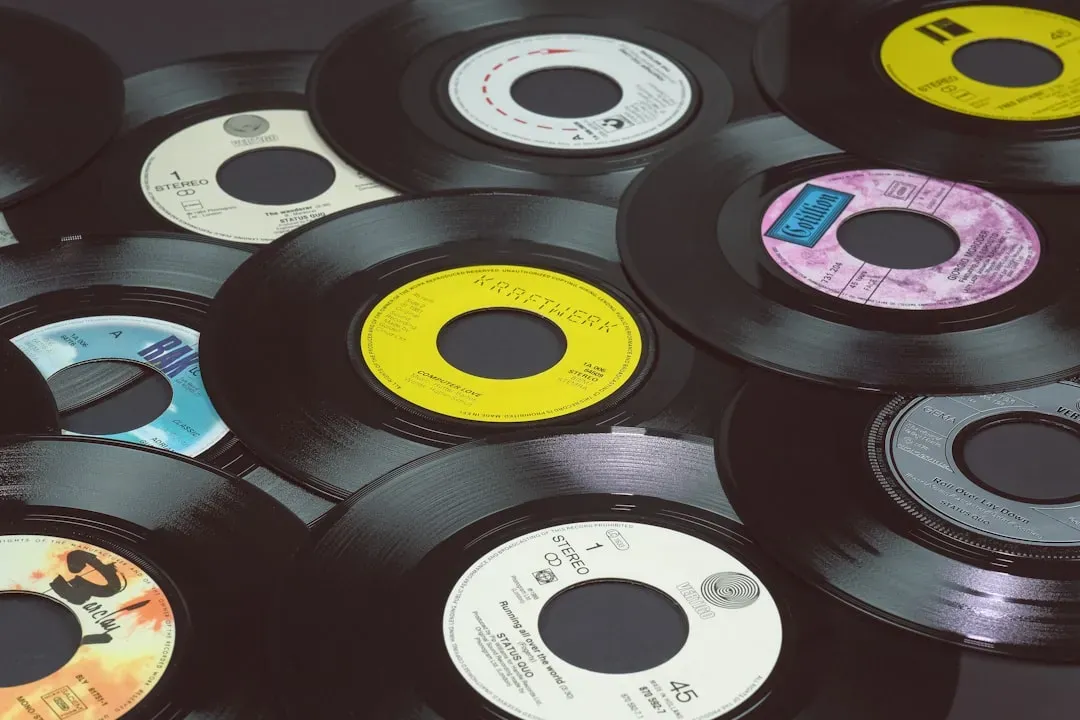
Few comeback stories in modern pop culture are as staggering as the vinyl revival. Vinyl album sales in the United States increased for the 18th consecutive year in 2024, with 43.6 million EPs/LPs sold in the U.S., up from less than a million in 2006, when the vinyl comeback began. The numbers speak for themselves when you compare formats directly. By 2024, vinyl music sales of $1.4 billion on 43.6 million units easily outpaced sales of CDs at $541 million on 33 million units. That is a cultural reversal that almost no one predicted two decades ago.
What is particularly interesting is who is buying. Vinyl records are gaining popularity due to their superior analog sound quality, collectible nature, and the intentional listening experience they provide, with Generation Z driving much of this growth by seeking authentic alternatives to digital streaming while appreciating the aesthetic and social aspects of vinyl collecting. The market is far from peaking. The global vinyl market, valued at USD 2.42 billion in 2025, is projected to reach USD 5.06 billion by 2032, demonstrating an 11.1% compound annual growth rate, and this growth is not merely a fleeting trend but a full-blown cultural movement. The format that once seemed extinct is now one of the most exciting corners of the entire music industry.
Y2K Fashion: Low-Rise, Bold, and Totally Unapologetic


It is hard to overstate how thoroughly Y2K fashion has reclaimed the spotlight. The early 2000s-inspired style is having a major moment in 2024, taking over runways, social media, and the streets alike, with low-rise jeans, bedazzled accessories, and bold Y2K elements embracing the fun and quirky style that defined the late 90s and early 2000s. The data backs this up firmly. Search interest in low-rise jeans officially surpassed high-rise jeans in May 2024, and search interest in the navel-baring style has reached an all-time high according to Google Trends. Brands that once shelved these designs are scrambling to bring them back.
Y2K fashion has come back with incredibly baggy jeans, fat shoes, and low-rise pants returning and replacing previous trends such as skinny jeans, with brands like JNCO, DC, and Empyre capitalizing on this comeback and seeing successes they have not had since the early 2000s, while the prices of these once-unfashionable pieces have surprisingly skyrocketed. The revival is not simply a recreation. The resurgence of Y2K fashion brings back iconic staples while infusing them with modern updates: low-rise jeans, baby tees, and metallic finishes are dominating wardrobes, but this time they come with sustainable fabrics, gender-fluid designs, and silhouettes that work for everyone. That mix of nostalgia and progress is exactly what makes this trend stick.
Nu-Metal and Early 2000s Alternative Music

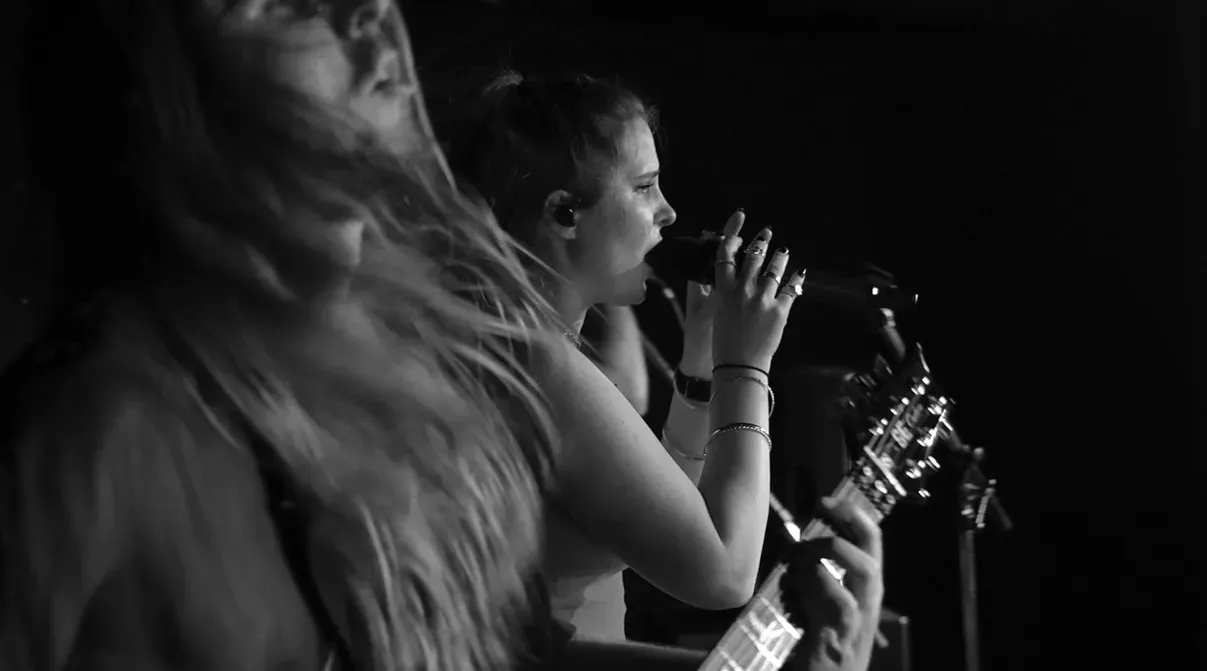
The sonic landscape of the early 2000s was defined by a genre that most people wrote off as a phase: nu-metal. Turns out, it was just resting. One of the biggest cultural phenomena of Y2K was the popularity of nu-metal, a subgenre combining hip hop, grunge, and funk, with popular bands including Limp Bizkit, Korn, Slipknot, and Linkin Park – all of whom have reached popularity again, with Linkin Park reforming with a new singer after Chester Bennington passed away in 2017, while Limp Bizkit, Korn, and Slipknot all toured across the country. The demand for this music among younger audiences who were too young to experience it first time around has been genuinely surprising.
Artists like Olivia Rodrigo, Machine Gun Kelly, and YUNGBLUD are channeling that early 2000s pop-punk sound people remember fondly, with something about those crunchy guitars and sassy lyrics taking listeners right back, and pop-punk is back. Festivals have fuelled this revival considerably. Festivals like Sick New World featured many popular bands of the 2000s such as Evanescence, Papa Roach, and Coal Chamber, meeting a lot of the same success as other nostalgia events and allowing younger generations to see bands they were not old enough to see 25 years ago. For a genre once dismissed as teenage angst, that is a remarkable second act.
The Reality TV Format of the Early 2000s

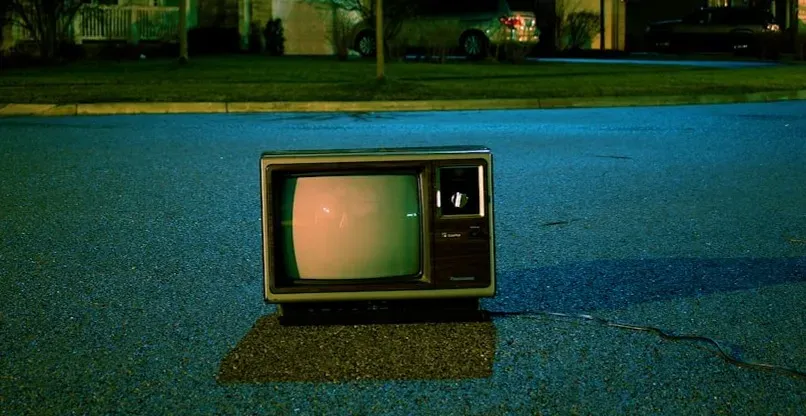
Before prestige drama took over television, there was a glorious, chaotic era of reality TV that felt completely of its moment. Nobody expected it to return in quite the same form, yet here we are. Reality TV has managed to revive itself again, with remakes of shows like The Osbournes, The Simple Life, and Cribs appearing, alongside the return of The Bachelor franchise, which feels like the ultimate throwback to a time when audiences all pretended to care about someone’s love life as they went on dates in a mansion. The appeal is partly comfort, partly spectacle, and entirely deliberate.
Streaming platforms have been digging deep into 90s and early 2000s nostalgia, with shows like Friends, The Fresh Prince of Bel-Air, and Full House being rebooted or getting spin-offs. The psychological pull behind all of this is well-documented. Psychologists know that nostalgia makes people feel more connected to the present and helps them find meaning and belonging, and by fostering nostalgia that inspires, both brands and individuals can draw on the past to help drive people forward. Reality TV’s early 2000s incarnation tapped into something genuinely communal, and that energy is clearly something today’s audiences still hunger for.
Old-School Cameras and Analogue Photography

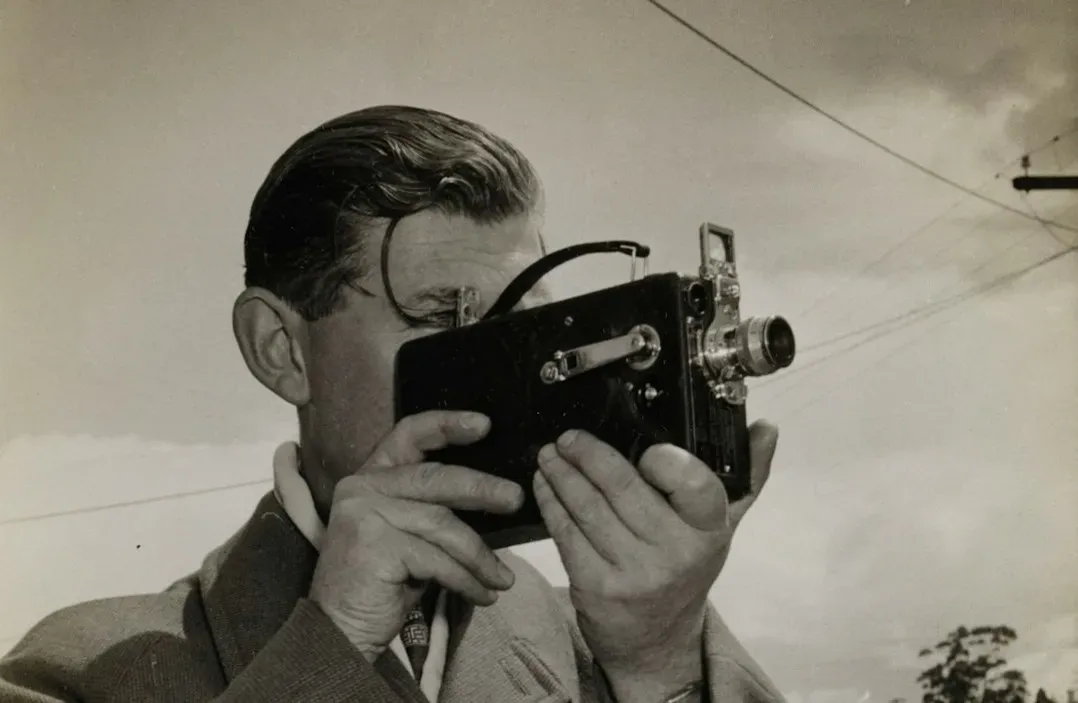
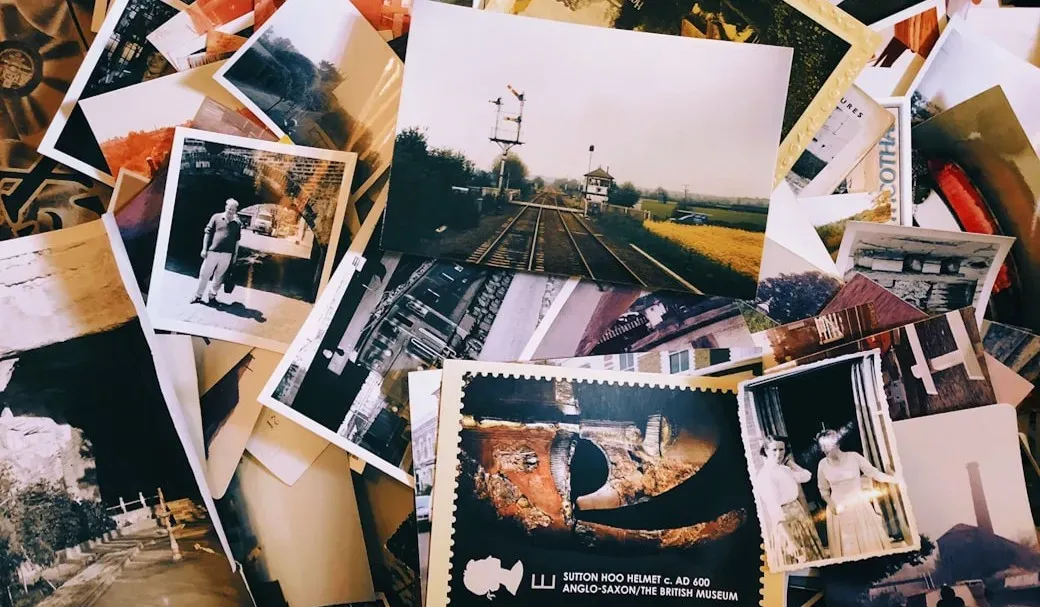
In a world where every smartphone can shoot in 4K, a growing number of people are deliberately choosing to photograph life through grainy, imperfect lenses. The revival is visible in the way people are reviving vinyl records, CDs, and old-school cameras, rediscovering cultural moments from the past. This is more than an aesthetic quirk. It represents a real pushback against the slick, filtered perfection that has dominated social media for years. People are not just consuming these relics – they are building identities around them, and as technology dominates every minute of daily life, the push back is happening in the most human way possible: by seeking connection in ways that feel real, with run clubs becoming the new dating apps and phone-free dinner parties becoming the norm.
The film photography market has responded to this demand. Disposable cameras, instant film cameras, and 35mm film have all seen renewed commercial interest among younger consumers who find the unpredictability of analogue photography genuinely thrilling. Gen Z users of TikTok are 8% more likely than the average Gen Z person to listen to music using CDs or vinyls, and 8% more likely to listen to 80s music, showing how digital platforms are actually driving interest in analogue formats. It is one of the more delightful ironies of current pop culture that the internet is leading people back to formats that predate it.
Nostalgic Consumer Products and Retro Branding

Beyond music and fashion, the nostalgia wave has moved firmly into the product and branding space – and the financial results are hard to argue with. Kantar’s packaging study showed a 16% increase in sales for brands that revived vintage packaging designs in 2024 to 2025. The logic is simple: familiar packaging triggers emotional memory, and emotional memory drives purchasing decisions. McKinsey reports a 24% increase in repeat purchases after retro re-releases, like the return of Pepsi Blue or Dunkaroos, with these products reminding consumers of younger years, and that emotional connection translating into action as people buy, rebuy, and post online about it, giving brands extended visibility.
What makes this particularly compelling is the cross-generational reach of the nostalgia economy. In 2025, there has been a surge in campaigns that tap into memories, emotions, and aesthetics from previous decades, with this strategy working across age groups – from Gen Z embracing Y2K trends to Gen X reconnecting with their favourite shows – because nostalgia brings comfort, and in uncertain times, that comfort turns into clicks, purchases, and shares. The current 1990s revival in pop culture extends to more and more products which evoke nostalgia while still appealing to consumers. The forgotten trends of previous decades are not just sentimental footnotes. In 2025 and beyond, they are a legitimate commercial and cultural force reshaping how industries talk to audiences and how audiences choose to spend their time and money.