



Most book-to-TV adaptations have a rough time. Fans go in with impossible expectations. Showrunners try to compress 400 pages into 40 minutes of screen time. Things get cut, changed, or watered down. The “the book was better” crowd practically sharpens their pitchforks before the first episode even drops.
But sometimes, honestly, something incredible happens. Sometimes the people behind the camera actually get it right – not just right, but surprisingly, almost shockingly right. These are those shows. Let’s dive in.
1. Shōgun (2024) – The One That Broke Every Record

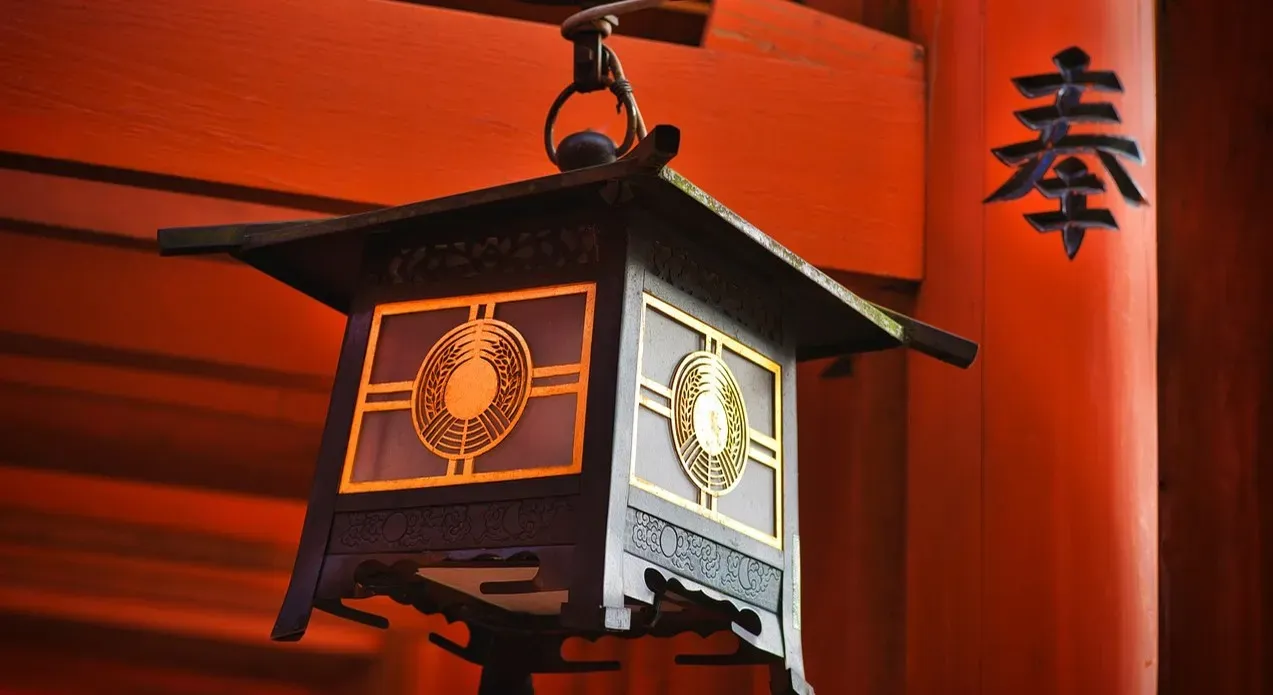
Let’s be real, nobody expected a subtitled Japanese period drama to become the defining TV event of 2024. Shōgun is FX’s most watched series ever based on global hours streamed, and it is the second TV adaptation of James Clavell’s sprawling 1975 novel, a deeply influential, best-selling epic about duty, honor, and the struggle for power in feudal Japan. The show didn’t just honor the book, it elevated it in ways even devoted readers could not have imagined.
Extensive efforts were made to ensure the show’s historicity. Unlike its forerunner, FX’s Shōgun is 70 percent in Japanese, and the production had groups of Japanese advisors as well as experts on the movements and gestures of the time period. That kind of commitment to authenticity, down to the cultural fabric of every scene, made this feel like Clavell’s world brought to life rather than just borrowed.
An adaptation of James Clavell’s historical novel set in 17th-century Japan, Shōgun earned a record-breaking 25 nominations at the Emmy Awards, the most of any series. Amongst Shōgun’s 18 wins, there were a few firsts: the show was the first non-English show to win Outstanding Drama Series, and made Sanada and Sawai the first Japanese actor and actress to win Outstanding Lead Actor in a Drama Series. The numbers speak for themselves.
2. One Hundred Years of Solitude (2024) – The “Unfilmable” Novel That Got Filmed


For decades, this book was considered absolutely untouchable for adaptation. Nobel Prize winner Gabriel García Márquez’s 1967 magnum opus had long been considered one of the greatest works of modern literature, and during Márquez’s life, he refused to sell the rights because he felt a film adaptation would not come close to scratching the surface of this century-long tale. The fact that Netflix even attempted this was bold. The fact that they pulled it off is borderline miraculous.
With the blessing of his sons Rodrigo García and Gonzalo García Barcha, who serve as executive producers, Netflix adapted the sweeping masterwork into a two-part limited series spanning over 16 hours of television. The series was filmed entirely in Colombia, and the fictional town of Macondo was built near Alvarado by 1,100 workers, with four versions of the town built to depict the passage of time. That is not a casual effort. That is total dedication.
On Rotten Tomatoes, roughly 83 percent of critics’ reviews are positive, and the website’s consensus reads: “One Hundred Years of Solitude faithfully realizes Gabriel García Márquez’s seminal novel with sumptuous polish, making for an adaptation that is nothing short of magical.” The show is one of the most faithful page-to-screen adaptations in recent years.
3. Ripley (2024) – When Black and White Was Exactly Right

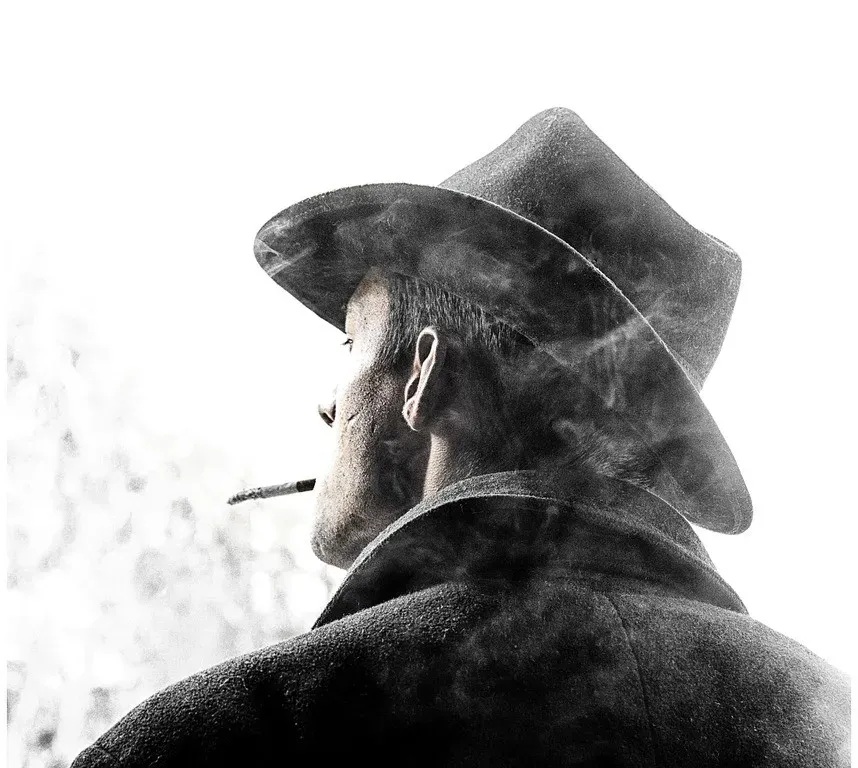
There is a version of Ripley that is colorful, slick, and modern. That version would have been forgettable. Instead, shot in moody black and white, Steven Zaillian’s psychological thriller Ripley is a stylish take on Patricia Highsmith’s 1955 crime classic The Talented Mr. Ripley, with Andrew Scott starring as Tom Ripley, a petty grifter in early 1960s New York. The decision to go monochrome was a creative gamble that paid off completely.
Patricia Highsmith’s thriller has inspired many tributes and copycats. Ripley is a starker, more sinister version of Highsmith’s vision, shot in black and white to turn the story of obsession and identity theft into a proper noir. Andrew Scott is chilling as the titular con man, all the more so because his dreams and desires are clearly in technicolor. That tension between the visual bleakness and the character’s burning ambitions is pure genius, and it comes straight from the spirit of the source material.
In 2024 alone, there were plenty of TV adaptations of books from many different genres, including “Ripley,” “Apples Never Fall,” “Expats,” and many more. Yet among all of them, Ripley stood out as one of the most artistically committed. Ranker fans voted it as the top book-to-screen adaptation of 2024. That kind of popular and critical alignment is rare.
4. Normal People (2020) – The Adaptation That Understood the Assignment

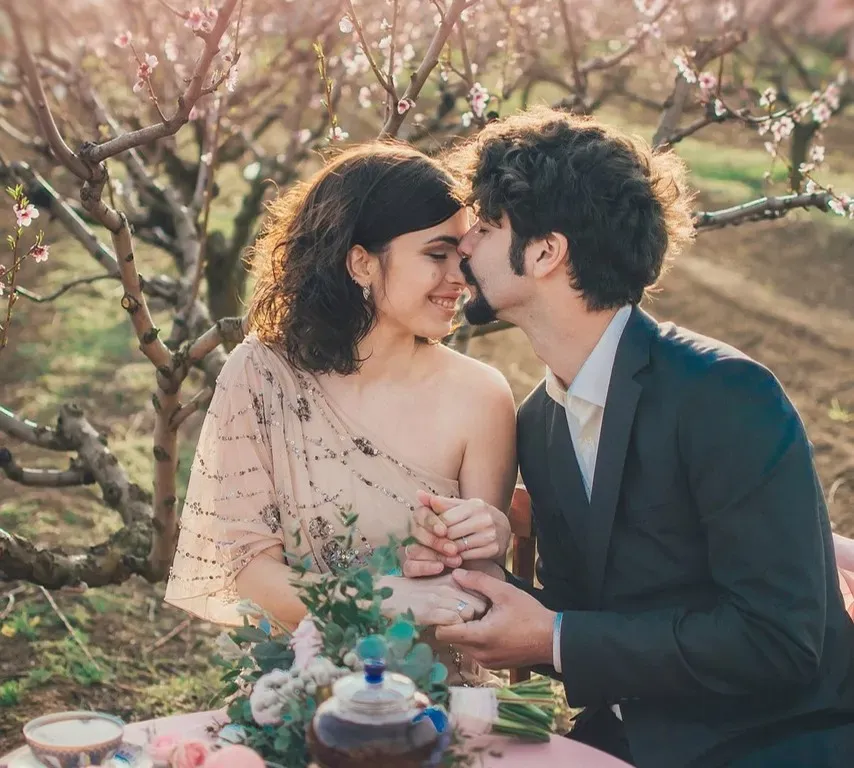
Sally Rooney’s 2018 novel about love, power, and emotional chaos between two Irish young people felt deeply personal, almost too interior for television. Yet something extraordinary happened when Hulu brought it to screen. Unlike the lukewarm “Conversations With Friends” adaptation that would follow, “Normal People” understood exactly what made the original source material so irresistible, and how to translate Marianne and Connell’s layered, years-long relationship on screen.
In the hands of Lenny Abrahamson and Hettie Macdonald, the emotional beats crackle as much as the sex scenes, leaving the audience hungering for more after 12 episodes. I think what makes this adaptation so startling is just how precisely it caught the novel’s rhythm. Rooney writes with an almost clinical restraint, and the show matched that perfectly without feeling cold.
There are some things that you can only watch once – not because it’s terrible, but because it’s too raw and heartbreaking. This miniseries is based on the 2018 novel by Sally Rooney, and the story follows Marianne and Connell who find comfort in each other while struggling with mental health, life changes, relationships, and everything in between. It is the kind of story that leaves a bruise.
5. The Queen’s Gambit (2020) – Chess Has Never Been This Gripping


Here’s the thing about Walter Tevis’s 1983 novel: it was always considered a hidden gem. A story about a chess prodigy battling addiction and a male-dominated world is not exactly the typical prestige TV pitch. Yet Netflix turned it into a global phenomenon. Based on Walter Tevis’s 1983 novel of the same name, The Queen’s Gambit is a highly rated Netflix limited series that follows the life of prodigy Beth Harmon as she rises to the top while struggling with drug and alcohol addiction. The show is praised for its incredible production, writing, accurate depiction of the sport, and performances.
Even if you are not familiar with chess and how to play it, the show lured all kinds of audiences because of its story, and it will actually make you interested in the game itself. That is a remarkable feat – making a sport feel urgent and emotional to people who have never once thought about a chessboard. The adaptation did not simplify Tevis’s vision. It amplified it.
The cultural impact was staggering. Chess set sales spiked dramatically across the world after the show premiered, and the Chess.com platform reported a surge in new members following its release. It’s hard to say for sure whether a book adaptation has ever so directly moved an entire industry before. That alone tells you something about how faithfully the spirit of the source came through on screen.
6. Big Little Lies (2017) – Where the Source Material Became Even Better

Liane Moriarty is a master of the domestic thriller, and her 2014 novel already had everything: dark secrets, complex women, a murder mystery, and a vicious undercurrent of social satire. Then HBO decided to assemble one of the most extraordinary casts ever assembled for a limited series. HBO’s adaptation lured some A-list talent to the small screen, with Reese Witherspoon, Nicole Kidman, Shailene Woodley, Zoe Kravitz, and Laura Dern occupying the very enviable roles of five women who find themselves caught up in a murder investigation.
Every bit as enthralling as the book, the first season earned eight Primetime Emmy Awards and enticed none other than Meryl Streep herself to sign on for a pivotal role in the second season, which Moriarty helped shape despite there being no source material left to mine. The fact that Moriarty came on board to build out the second season from scratch says everything about how much she trusted the production.
Based on the novel by Liane Moriarty, the two-season HBO series boasted an impressive cast that beautifully sold the story’s heightened drama. It was thrilling to watch its central murder mystery unfold as the core group of women bobbed and weaved in the bright Monterey sun in order to keep their secret. The sun and scenery of Monterey almost became a character of their own, which was a gift the adaptation added that the book simply cannot replicate.
7. Sharp Objects (2018) – Style as Substance

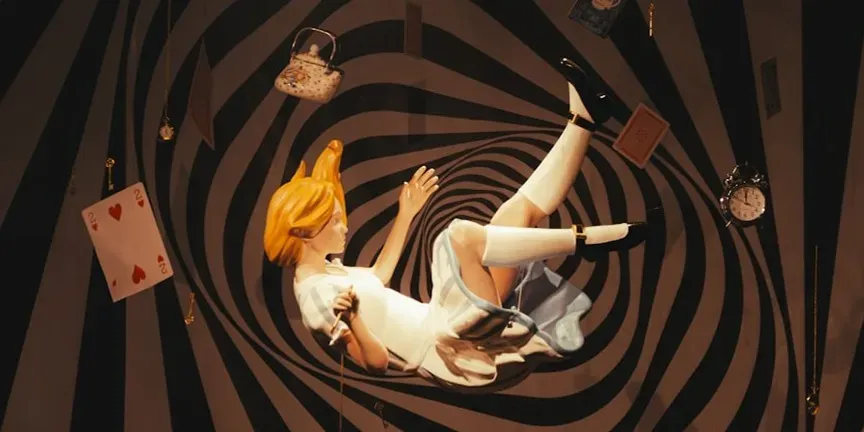
Gillian Flynn is no stranger to having her work adapted. Gone Girl was a massive film. But Sharp Objects, her debut novel, got something arguably more satisfying: a limited series with the breathing room it needed. Just because a story is being adapted faithfully doesn’t mean it can’t be adapted with style. Jean-Marc Vallée brought Flynn’s debut novel to life with distinct visual flair and stunning performances from Amy Adams and Patricia Clarkson. Camille returns to her hometown to report on two tragic murders, only to dig up her own worst demons.
You cannot tell me that every Sunday-night HBO appointment miniseries about a murder – including “Mare of Easttown,” “White Lotus,” even “The Undoing” – doesn’t owe something to “Sharp Objects,” isn’t chasing that feeling. That is a legacy worth claiming. Sharp Objects essentially wrote the playbook for an entire genre of prestige TV thriller that followed it.
The show’s famous final moments, a flash-cut sequence that rewards patient viewers with a gut-punch revelation, are so perfectly constructed that they actually enhance Flynn’s original ending rather than simply recreating it. That is what a truly great adaptation can do. It doesn’t just retell the story. It finds a new way to tell it that the original medium never could.
8. Slow Horses (Apple TV+) – The Spy Thriller That Keeps Getting Better


Mick Herron’s Slough House novels have been described as the anti-James Bond – spies who failed, who drink too much, who operate out of a rundown London office because their careers are essentially over. Gritty, funny, and unexpectedly moving. If there’s one fault that prevents Slow Horses from being at the top of the adaptations list, it’s the fact that like every other season of the show, the story telegraphs the ending. However, this has been the case for every season, making it a trait of the show rather than a flaw.
Gary Oldman plays Jackson Lamb, the brilliant, slovenly, spectacularly offensive head of the failed spy unit, and he is simply extraordinary. The show captures Herron’s particular tone of wry, world-weary cynicism with remarkable precision. The series is not only a faithful adaptation of the books, but it also manages to elevate and enhance the source material with how it chooses to bring the characters to life.
It’s worth noting that the show has been renewed season after season, consistently pulling strong critical praise. For a niche spy thriller about losers and rejects, that staying power says something real. Herron’s universe has found its perfect home on screen, and by all accounts, fans of the books consider this one of the rare cases where the TV version adds genuine value rather than stripping it away.
9. Say Nothing (2024) – True Crime That Honors the Weight of History


Patrick Radden Keefe’s nonfiction book about the Troubles in Northern Ireland and the IRA was a masterpiece of narrative journalism. Adapting it for television was always going to be a challenge because it’s not a thriller – it’s a meditation on violence, ideology, and the cost of radicalism. Say Nothing was one of the best books of the 21st century because it was impeccably researched. The TV version loses some of that precision, and it suffers from lack of context. However, if we lean into the fictional with this adaptation and allow ourselves to enjoy some of the more movie-script moments, what we get is an absolutely stunning portrayal of IRA member Dolours Price.
Instead of being a complicated anti-hero, Dolours becomes the main character in the show, and as played by Lola Petticrew as young Dolours and Maxine Peake as older Dolours, she is utterly entrancing. The shift in narrative focus from Keefe’s journalistic survey to a more character-driven portrait is the kind of creative decision that could have felt like a betrayal. Instead it works beautifully.
What Say Nothing proves is that even a deeply factual source can be adapted with imagination. Keefe’s book gives the series its backbone and its moral weight. The show gives the characters a flesh and presence the written page can only approximate. Together, the two works complement each other in a way that few book-TV pairings ever manage.
10. My Brilliant Friend (HBO / RAI) – The One Everyone Should Be Watching

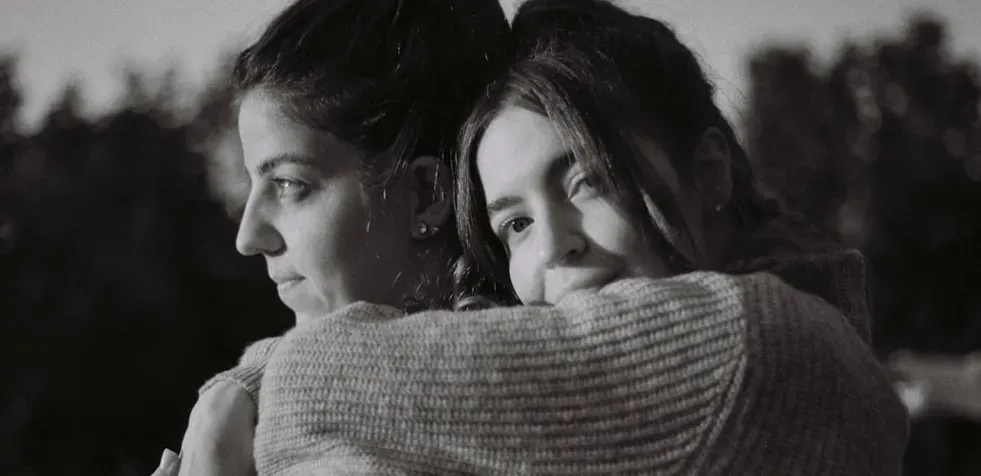
Elena Ferrante’s Neapolitan novels are four volumes of searing, intimate, brutally honest fiction about two women navigating life, friendship, ambition, and desire in postwar Naples. They are considered among the finest literary works of the early 21st century. The HBO and RAI co-production that brought them to screen is, simply, extraordinary. Elena Ferrante’s Neapolitan novels are everywhere, but it feels like no one is watching the show, the one adaptation that most perfectly captures the spirit of its source material. The fourth season encompasses all of the fourth book, and the show nails it, cutting out some nonessential moments to produce a tight, gut-wrenching yet joyful conclusion to the series.
The show is performed in Neapolitan dialect, uses largely unknown actors, and refuses every shortcut that would have made it more commercially palatable. That commitment is exactly why it works. A film version used to be the logical and desirable next step for any successful literary property, but in the past decade those have often been TV shows instead. The book-to-TV pipeline is dense and mighty, and the promised binge of a book club favorite is as highly anticipated as any primetime drama.
My Brilliant Friend is the gold standard for what a literary adaptation can be when the people behind it refuse to simplify or sanitize the source material. It is messy, beautiful, emotionally punishing, and completely alive in the way only Ferrante’s writing tends to be. If you haven’t watched it yet, honestly, that’s the thing to fix this weekend. What do you think – did any of these surprise you? Drop your thoughts in the comments.


