Modern medicine owes more to ancient civilizations than we might realize. While we often view old remedies with skepticism, recent scientific research has validated several healers used thousands of years ago. These treatments, once dismissed as superstition, are now backed by clinical studies and peer-reviewed research, proving that our ancestors had remarkable insights into the human body. From plant-based medicines to surgical techniques, the wisdom of the past continues to inform contemporary healthcare in surprising ways.
Willow Bark as Nature’s Pain Reliever
Ancient civilizations including the Egyptians, Sumerians, and Greeks used willow bark and leaves to treat pain, fever, and inflammation for thousands of years, with Egyptian medical texts dating back roughly 3,500 years documenting its use for inflamed wounds. Willow bark contains salicin, which the body converts to salicylic acid, the key compound that led to modern aspirin. Though we now know ancient peoples were not necessarily using willow specifically as a painkiller in the way modern stories suggest, the connection remains valid. By 1828, scientists isolated salicin from willow bark and demonstrated its medicinal effect, later converting it to the more potent salicylic acid.
Felix Hoffmann synthesized acetylsalicylic acid in 1897 for the Bayer Company, and the drug was patented as aspirin in 1899. Today aspirin has gone on to improve and save the lives of millions of people every day, preventing heart attacks and strokes, improving blood pressure, and relieving pain and swelling, making it one of the most used drugs in the world. Around 40 percent of pharmaceutical products today draw from nature and traditional knowledge, including landmark drugs like aspirin. This ancient remedy has genuinely transformed into one of medicine’s most cost-effective and widely used treatments.
Maggot Therapy for Wound Healing

Maggot therapy, or larval therapy, has been around since ancient times as a way to heal wounds, yet it has experienced a remarkable resurgence in modern medicine backed by rigorous scientific validation. Research shows that maggot therapy facilitates faster and more effective debridement of non-viable tissue, enables faster development of granulation tissue, and increases reduction in wound surface area compared to hydrogel dressings. Multiple studies conducted between 2012 and 2024 confirm these findings. A systematic review involving 580 patients with chronic wounds found that four studies used the Lucilia sericata species of fly larvae.
Maggots disinfect wounds by secreting antimicrobial molecules that kill certain bacteria, by digesting microbes within their gut, and by dissolving biofilm, while also promoting the growth of new blood vessels to stimulate healthy tissue growth. Medicinal maggots are approved and regulated by the U.S. Food and Drug Administration as medical devices, while in the European Union and some other countries they are considered pharmaceuticals. The renaissance in maggot therapy in the 21st century is due largely to recent technological advancements that have solved or minimized earlier drawbacks, including reliable access to this perishable medical device, simplified application, and low-cost production. The treatment remains underutilized despite mounting evidence of its benefits, particularly for diabetic ulcers and antibiotic-resistant infections.
Acupuncture for Pain Management
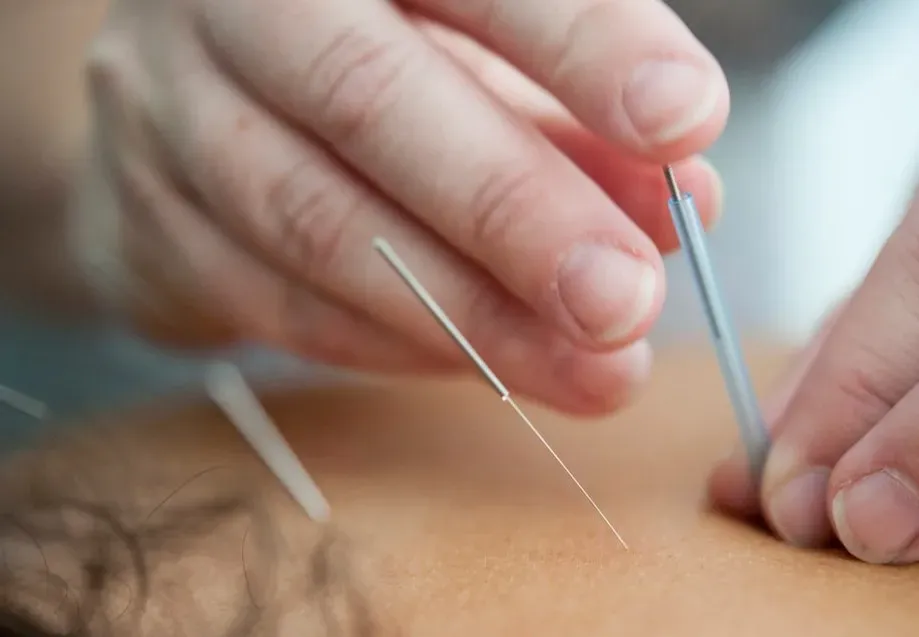
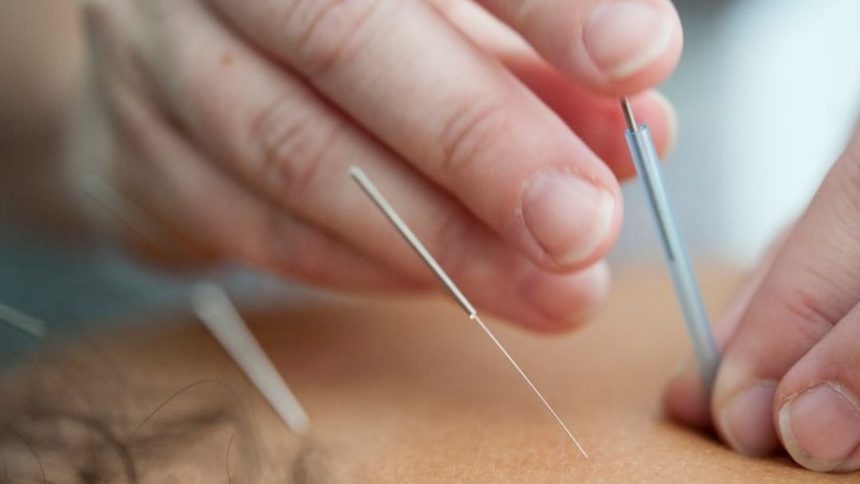
Acupuncture, practiced for over two millennia, has moved from controversial alternative therapy to evidence-based medical intervention for pain management. Large meta-analyses involving 20,827 patients from 39 trials found that acupuncture was superior to sham and no acupuncture control for each pain condition studied, with clear evidence that effects persist over time with only a small decrease of approximately 15 percent in treatment effect at one year. Multiple systematic reviews found acupuncture effective in reducing postsurgical pain compared with sham acupuncture and usual care, with a reduction in opioid need showing 21 percent opioid reduction at eight hours, 23 percent at 24 hours, and 29 percent at 72 hours post surgery.
Mechanisms of acupuncture analgesia include local physiological response at the needling site, suppression of nociceptive signaling at spinal and supraspinal levels, peripheral and central release of endogenous opioids and other biochemical mediators, while also producing pain relief by modulating specific brain networks integral for sensory, affective, and cognitive processing. The effectiveness of acupuncture for pain management has been strongly verified by large randomized controlled trials and meta-analyses, with increasing numbers of patients with pain accepting acupuncture treatment worldwide. Recent research published in 2024 and 2025 continues to demonstrate acupuncture’s safety profile and clinical efficacy across various pain conditions, from chronic headaches to osteoarthritis.
Egyptian Medical Knowledge and Diagnosis
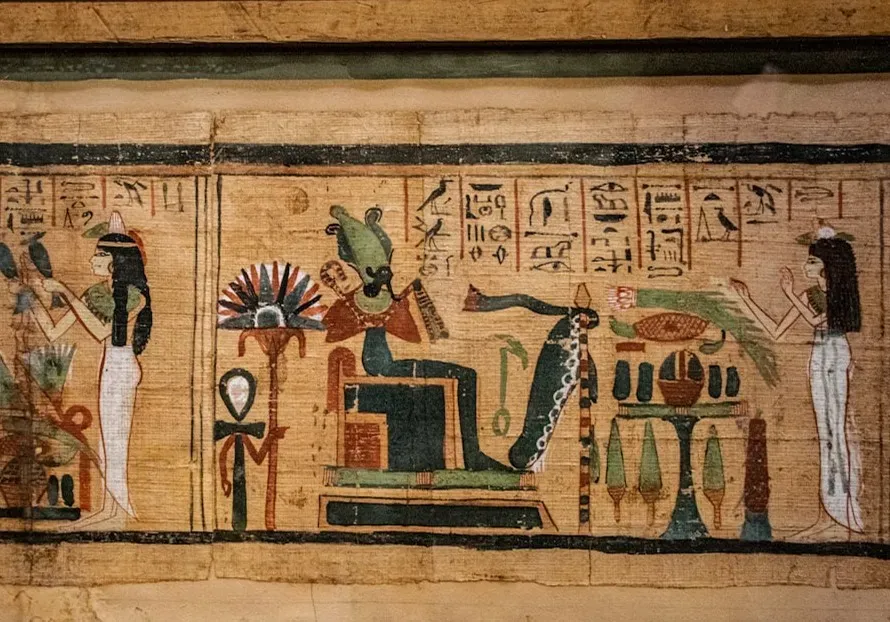
Ancient Egyptians made numerous medical advances over the course of their roughly 3,000-year-long civilization, spanning surgery and dentistry to prosthetics and obstetrics, and they even made rudimentary attempts to cure cancer. A study published May 29, 2024, in the journal Frontiers in Medicine examined a more than 4,000-year-old skull from Egypt’s Old Kingdom belonging to a male in his thirties that showed signs of nasopharyngeal cancer, with researchers discovering cutmarks likely made with a metal instrument around three of the skull’s many secondary tumors, believed to be the earliest-known attempt to treat cancer or perhaps a postmortem autopsy to better understand the disease.
Ancient Egyptian physicians had advanced knowledge of anatomy and surgery, treated diseases including dental, gynecological, gastrointestinal, and urinary disorders, and could diagnose diabetes and cancer. Scientists discovered that many Egyptian therapeutic ingredients are still used today for similar treatments, such as Ammi majus fruit for treating vitiligo, from which 8-methoxypsoralen has recently been extracted to treat vitiligo and psoriasis. The Edwin Smith Papyrus and Ebers Papyrus remain among the oldest medical documents, providing insights into practical treatments that combined empirical observation with systematic documentation. This ancient civilization established centers of medical learning where both men and women could become doctors, referring to medicine as the necessary art.
Hippocratic Medicine and Empirical Observation
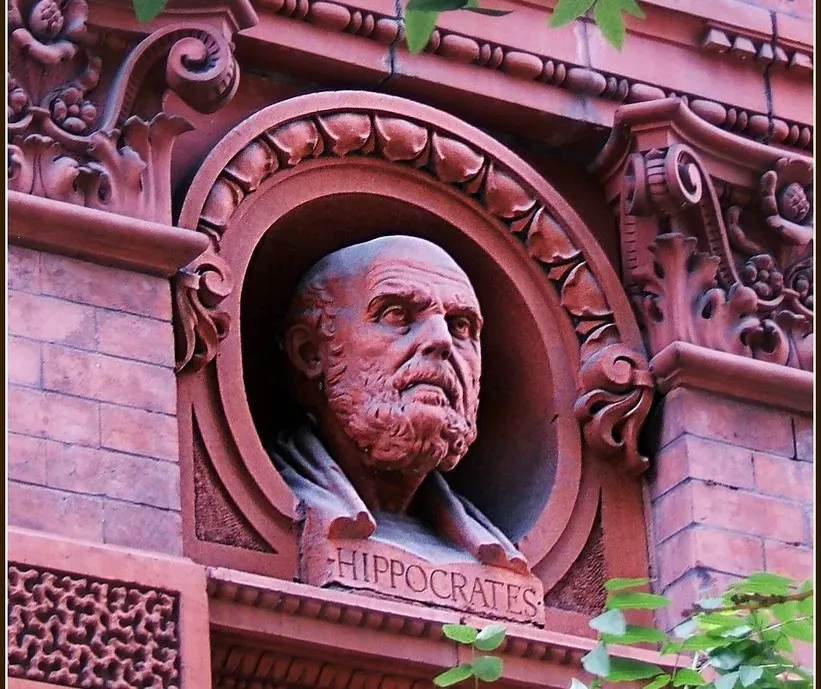
In ancient Greece, the transition from spiritual to rational approaches began with the works of Hippocrates, often referred to as the Father of Medicine, whose approach emphasized empirical observation and logical reasoning, laying the groundwork for modern scientific methods. The focal point of Hippocratic medicine is the belief that medicine should be practiced as a scientific discipline based on the natural sciences, diagnosing and preventing diseases as well as treating them. Hippocrates believed that physicians should study anatomy, particularly that of the spine and its relationship to the nervous system which controls all functions of the body, and he was the first who believed that this observation helps recognize the symptoms of each disease.
The Hippocratic tradition emphasized environmental causes and natural treatments of diseases, the causes and therapeutic importance of psychological factors, nutrition and lifestyle, independence of mind, body and spirit, and the need for harmony between the individual and the social and natural environment. Hippocratic medicine is based on evidence-based knowledge, with Greek physicians required to give detailed medical history similar to the current research protocol. These foundational principles continue to influence modern medical practice, from the emphasis on detailed patient histories to the understanding that environmental and lifestyle factors significantly impact health. The integration of these ancient practices with contemporary medical knowledge demonstrates how traditional wisdom can inform evidence-based care.
Traditional Medicine Compounds in Modern Pharmaceuticals

After testing unsuccessfully over 240,000 compounds for use in antimalarials, Chinese scientist Tu Youyou turned to traditional Chinese medical literature for clues, finding a reference to sweet wormwood to treat intermittent fevers, and in 1971 her team isolated artemisinin, an active compound particularly effective in treating malaria that is now recommended by the World Health Organization as the first and second line of treatment, earning Tu Youyou the Nobel Prize in Physiology or Medicine in 2015. This represents one of medicine’s greatest recent success stories, saving millions of lives worldwide.
The Madagascar periwinkle, which is now the source of childhood cancer drugs vinblastine and vincristine, has an exceptionally long history of being used as a medicinal plant and finds mention in Mesopotamian folklore, the Ayurveda system of traditional Indian medicine, as well as traditional Chinese medicine. Medicinal plants like hawthorn and foxglove have been used to treat cardiovascular disease and hypertension, while other examples include shikimic acid drawn from star anise used in the manufacture of Tamiflu, and norethindrone derived from the wild Mexican yam that is one of the first active ingredients in contraceptive pills. According to the World Health Organization, approximately 80 percent of the global population, particularly in developing and underdeveloped countries, depends on herbal remedies for primary healthcare. Modern pharmaceutical development increasingly recognizes the value of traditional knowledge, with biotechnology, nanotechnology, and artificial intelligence now enhancing the identification of bioactive compounds from historically used plants, bridging ancient wisdom with cutting-edge science.