There’s a version of the music industry story that gets told a lot: a scout hears a demo, signs the artist on the spot, and stardom follows almost immediately. The real version is messier. Behind plenty of chart-topping careers sits a folder somewhere in a label’s legal department marked “release” or “terminate,” a moment when an executive decided an artist wasn’t worth the investment anymore.
What makes these stories worth revisiting isn’t just the drama of a near miss. It’s what they reveal about how unpredictable hit-making actually is, even for the people whose job is to spot it. Below are nine singers whose careers were, at some point, one bad quarter away from ending before they ever really started.
Katy Perry and the two labels that gave up on her (Image Credits: Wikimedia)
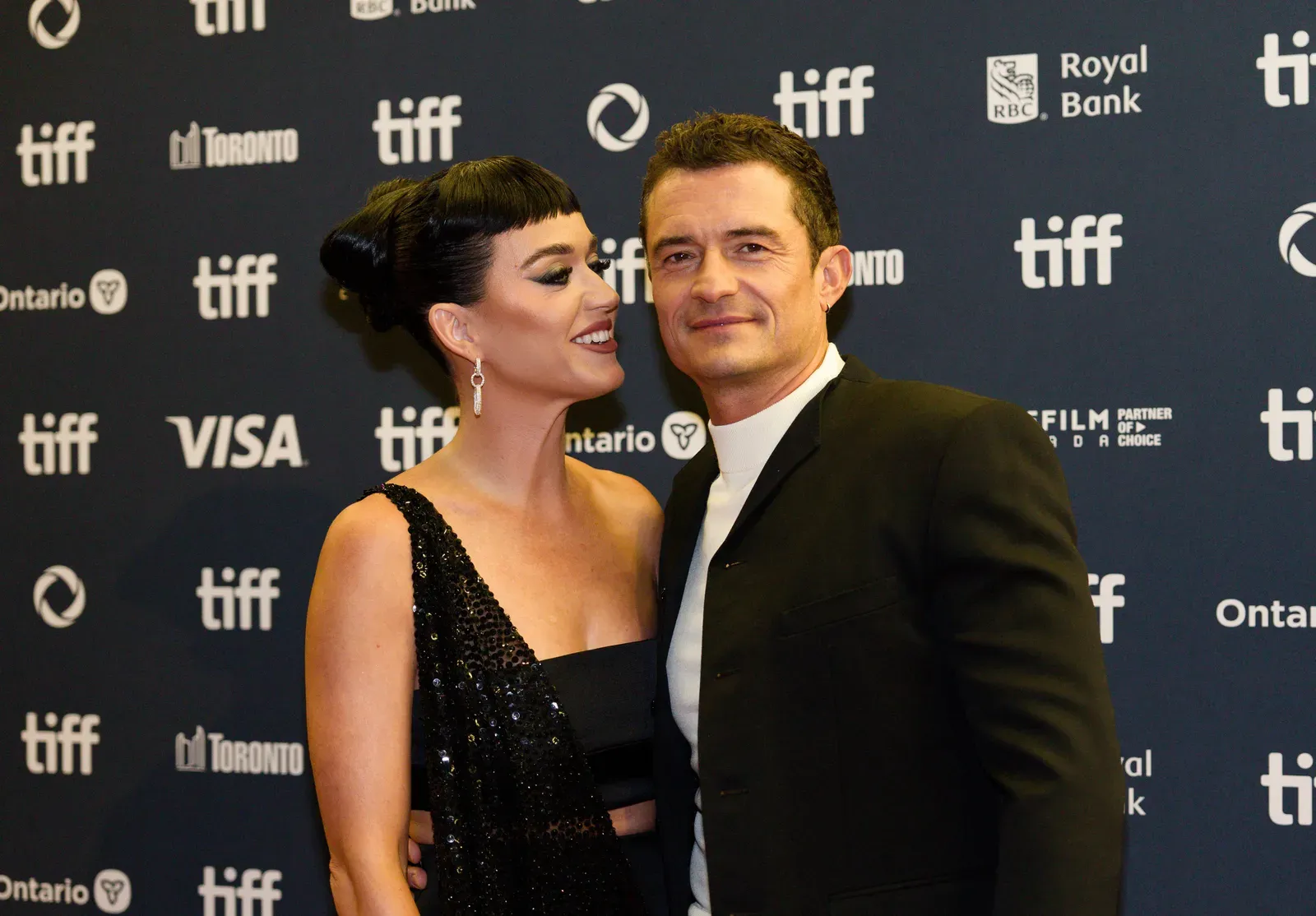
Long before “I Kissed a Girl” turned her into a household name, Katy Perry spent years bouncing between deals that went nowhere. She started her mainstream career in 2008 after multiple unsuccessful attempts, and she was dropped from two different record labels which resulted in multiple albums getting scrapped. Those years weren’t wasted exactly, but they certainly didn’t feel like progress at the time.
By her own account, the toll was as much financial as emotional. She told an interviewer a few months before releasing “I Kissed A Girl” that she had gone through two record labels and written between sixty five and seventy songs, calling it a long trip during which she had lots of money, lost lots of money, but the record was finally the right one. Capitol Records eventually took the gamble that Columbia and others hadn’t, and the rest is pop history.
Lady Gaga’s three months at Def Jam
Lady Gaga’s three months at Def Jam (Image Credits: Wikimedia)
It’s strange to imagine Lady Gaga as anyone’s rejected artist, but that’s exactly what happened at Island Def Jam in 2006. After a brief partnership with talent scout Rob Fusari, which resulted in the creation of her stage name, Gaga was signed to Def Jam Records in 2006, however she was dropped from the label after just three months, and returned home devastated. The label’s chairman at the time, L.A. Reid, later admitted the decision haunted him.
Years afterward, Reid spoke candidly about watching Gaga’s career explode after he’d let her go. He dropped the future megastar just three months after signing her, a move he didn’t seem to regret until much later, when he saw her debut single hit the charts and couldn’t deny he’d made a mistake. Gaga has said the day she got dropped remains one of the hardest of her life, and it directly inspired songs she wrote years later about the experience.
Chappell Roan’s pandemic-era release from Atlantic
Chappell Roan’s pandemic-era release from Atlantic (Image Credits: Flickr)
Chappell Roan’s rise in 2024 felt sudden to most listeners, but she had already lived through a full cycle of signing, struggling, and getting cut loose. She moved to Los Angeles and signed with Atlantic Records at seventeen, released her debut EP in 2017, and began working with producer Dan Nigro, though her lack of commercial success did not please the label, which even opposed the release of her 2020 single “Pink Pony Club.” The song that eventually became a signature hit almost never got a release at all.
Things got harder before they got better. In August 2020, Atlantic dropped a then twenty two year old Chappell the same week she broke up with her boyfriend of four years, and amid the pandemic she moved back to Missouri to live with her parents. She has since spoken about that period at length, including using her Grammy platform to call for better support for young artists who get dropped without any financial cushion.
Shaboozey’s exit from Republic Records
Shaboozey’s exit from Republic Records (Image Credits: Unsplash)
Before “A Bar Song (Tipsy)” became one of the longest-running number one hits in Billboard history, Shaboozey had already been let go by a major label. After going viral and becoming country music’s hottest new star in 2024, people forgot that the singer had once been ruthlessly dropped by his record label shortly after the release of his 2018 debut album, “Lady Wrangler.” Neither he nor the label has ever fully explained the split.
Shaboozey himself has offered a fairly candid theory about why it happened. He has hinted that the company simply got impatient with the lack of instant success, explaining that major labels can get pretty cluttered and sometimes don’t have the bandwidth to develop acts that aren’t going to take off quickly because of the quarterly numbers they have to meet. He rebuilt his career independently through EMPIRE, a path that eventually led to features on Beyoncé’s “Cowboy Carter” and a run at the top of the charts.
Rachel Platten’s stalled launch before “Fight Song”
Rachel Platten’s stalled launch before “Fight Song” (Image Credits: Flickr)
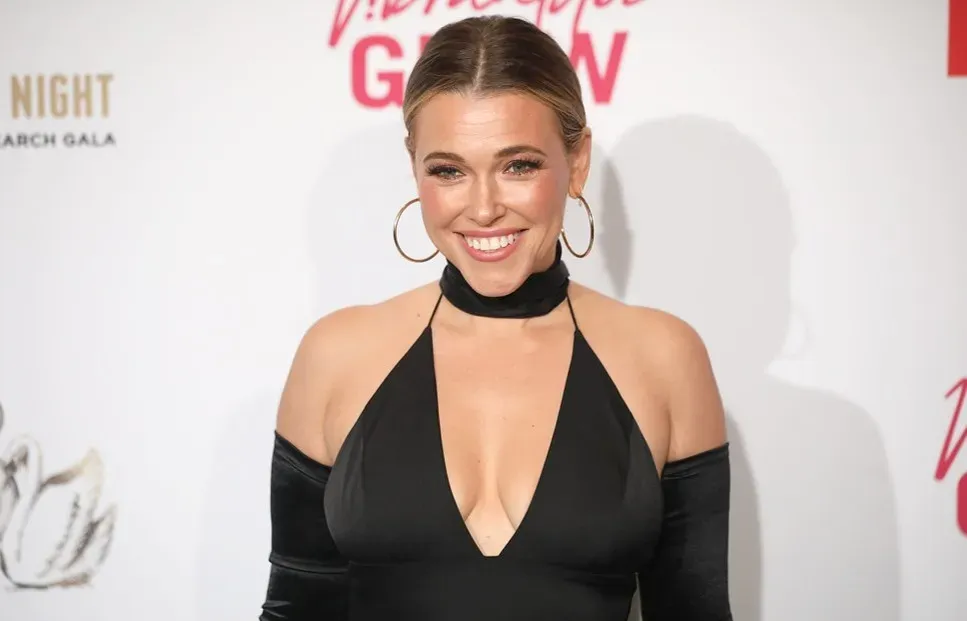
Rachel Platten’s road to “Fight Song” involved a false start that almost ended her career before most people had heard her name. In 2011, she released her debut album, “Be Here,” with an indie label, but despite the promises made to her, the debut fell flat, had very little success, and her manager walked away as the label deal fell through, ruining her planned launch into stardom. For a few years, it looked like that might be the end of the story.
What came next was arguably harder than the collapse itself. After trying to make a comeback for years, Rachel was told she was too old to be a breakout pop star, though she eventually found success in 2015 with her hit song “Fight Song.” That single became an anthem for exactly the kind of persistence her own career required, and it led to a proper deal with Columbia Records not long after.
Fergie and the girl group that got dropped twice
Fergie and the girl group that got dropped twice (Image Credits: Wikimedia)
Before she was a solo star or a member of the Black Eyed Peas, Fergie spent years fronting Wild Orchid, a girl group that struggled to hold onto a record deal. The group signed with one major label, failed to gain traction, and was let go, then went through a similar cycle with a second label before finally dissolving. It’s the kind of setback that ends most careers quietly, without a second act.
Instead, Fergie kept working, eventually joining the Black Eyed Peas and later launching a solo run that produced “The Dutchess” in 2006, an album stacked with hits that made her one of the biggest pop names of that decade. The years spent being dropped from label deals as part of an act that never broke through turned out to be preparation rather than a dead end. It’s a reminder that a failed group deal doesn’t necessarily predict what an individual artist can do once they’re free to try something different.
Bruno Mars, dropped from Motown before he ever released an album
Bruno Mars, dropped from Motown before he ever released an album (Image Credits: Flickr)
Bruno Mars’ name is now synonymous with reliable hits, but early on he couldn’t even get an album out the door. Signed to Motown Records as a teenager under his birth name, he was dropped from the label roughly a year later without a single full-length release to show for it. For an artist who is now one of the most bankable performers in pop, that’s a strikingly quiet start.
Rather than chase another artist deal right away, he shifted into songwriting and production, co-founding a team that wrote hits for other performers before he stepped back into the spotlight himself. That detour paid off in a big way once “Nothin’ on You” and “Just the Way You Are” arrived in 2010, turning him into a star almost overnight. The label that passed on him ended up watching from the sidelines as he became one of the defining voices of the following decade.
Rihanna’s uncertain future before “Umbrella”
Rihanna’s uncertain future before “Umbrella” (Image Credits: Flickr)
By the time she recorded her third album, Rihanna’s position at Def Jam was reportedly far less secure than her early success might suggest. Her first two records had performed respectably but hadn’t produced the kind of career-defining moment labels look for, and there was real concern internally about whether she had another hit in her. The song that changed everything, “Umbrella,” had actually been written for other artists first and was passed over before it reached her.
Once it landed, there was no more question about her future. “Umbrella” became a signature hit and launched “Good Girl Gone Bad” into blockbuster territory, transforming Rihanna from a promising newcomer into one of the defining pop stars of her generation. It’s one of the clearer examples of how a single song, rather than years of development, can be the difference between a quiet release from a label and a decade of chart dominance.
Kelly Rowland’s quiet setback after Destiny’s Child
Kelly Rowland’s quiet setback after Destiny’s Child (Image Credits: Flickr)
Stepping out from one of the biggest girl groups in history didn’t guarantee Kelly Rowland an easy solo run. Her second solo album underperformed in the United States even as it found an audience overseas, and for a stretch her stateside career stalled to the point that industry watchers questioned whether she’d get another shot at a domestic hit. That kind of in-between period, too successful abroad to disappear but not successful enough at home to feel secure, is its own particular kind of career limbo.
The turnaround came in 2011 with “Motivation,” a collaboration that became a genuine US hit and reestablished her as a solo force rather than simply a former group member. It’s a less dramatic story than a full label termination, but it captures something real about how easily a career can drift toward the margins even after major early success. Sometimes the danger isn’t getting dropped outright, it’s getting quietly deprioritized until a hit forces everyone to pay attention again.
What these near misses actually say about the industry
What these near misses actually say about the industry (Image Credits: Unsplash)
Taken together, these nine stories don’t really support the idea that talent alone determines who makes it. Every one of these singers had already shown real ability before getting cut loose, and in several cases the labels that dropped them later admitted, publicly, that they’d misjudged the situation. Timing, internal politics, and simple impatience seem to matter just as much as the music itself.
There’s also a pattern worth noting: most of these breakthroughs happened after the artist regained some control, whether that meant switching labels, going independent, or simply waiting for the right song to land. None of them got their big break by convincing the label that dropped them to change its mind. They got it somewhere else, usually after doing the work quietly while nobody with power was paying attention. That’s probably the most useful takeaway here, more than any individual anecdote: being dropped isn’t always the end of the story, and sometimes it’s the part of the story that makes the eventual success mean something.