Few cities have shaped the visual and spatial imagination of American urban planning as boldly or as controversially as Las Vegas. It started as a neon-lit highway mirage in the Mojave Desert, but it has steadily grown into something far more complex: a living laboratory for experimental architecture, immersive experience design, and the reinvention of public space. What began as pure spectacle has become a genuine reference point for developers, planners, and architects working in cities across the country. The ideas being tested on and around the Strip are no longer confined to Nevada. They are reshaping waterfronts, downtown districts, and entertainment corridors from Boston to Atlanta to Maryland.
The Strip as a Design Textbook
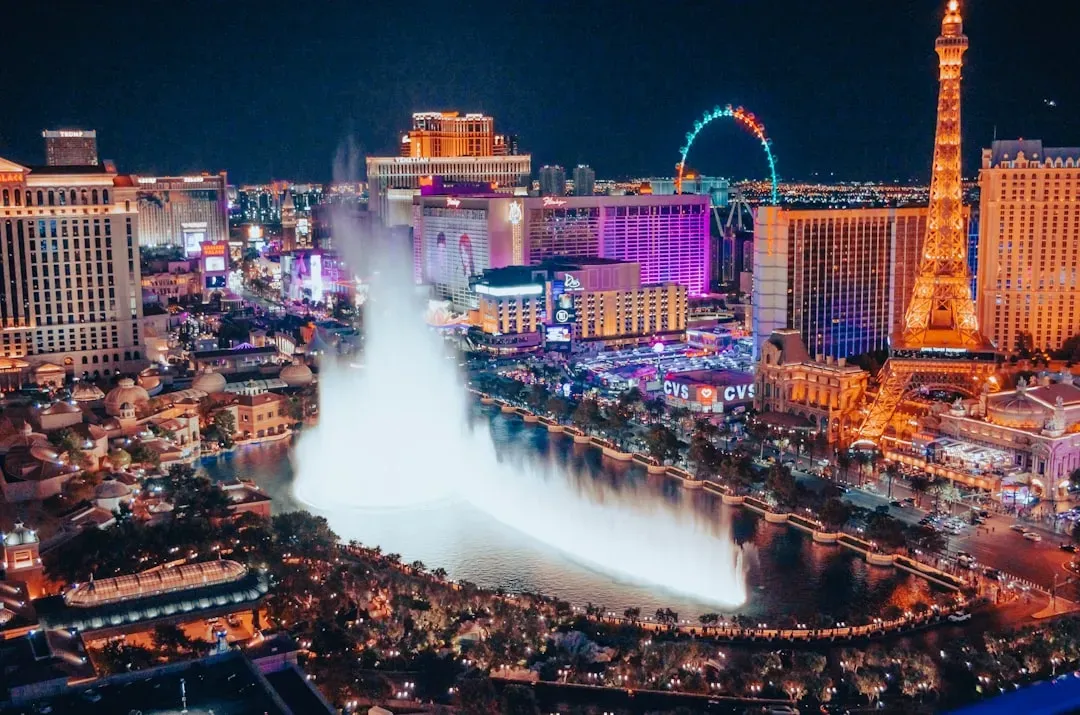
Long before “placemaking” became a planning buzzword, the Las Vegas Strip had already mastered it. In Las Vegas, the dominance of the image grew as roadside signs surpassed the significance of the building itself in attracting potential customers arriving by car, and the roadside sign came to form entire atmospheres and buildings under the guise of themed spaces, a phenomenon documented by Robert Venturi, Denise Scott-Brown, and Steven Izenour in their foundational 1972 work, “Learning from Las Vegas.”
There are lessons to be learned from hospitality design and specifically the architecture of the Strip, applicable not only to homes but to residential communities in a way that makes them more hospitable. Part of what makes some of those resorts so great is that they are compact: you can wake up and find a great place to eat or shop nearby. That compactness is something most American neighborhoods have never managed to achieve.
Most Americans have to get in the car, drive several miles to get a coffee, then hop back in for several more miles to shop or work. Creating an integrated neighborhood that plays off the idea of integrated resorts, pulling all these different programs together, would eliminate the very segmented urban design that leaves large swaths of barren land and disconnects residents from their housing or place of work.
The MSG Sphere and the Rise of “Living Architecture”
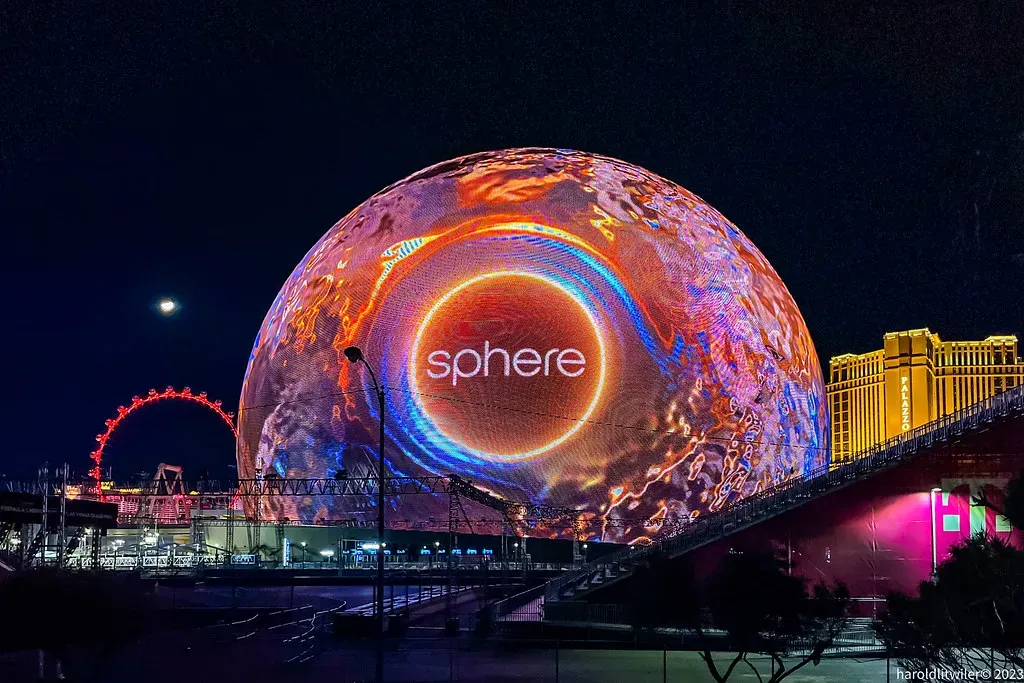
The MSG Sphere is a 112-metre-tall entertainment venue illuminated on the outside by 1.2 million LED pucks, and on the inside housing a 15,000-square-metre LED immersive surface, essentially a massive curved screen. It is not just a building. It is a broadcast medium wrapped in structural steel.
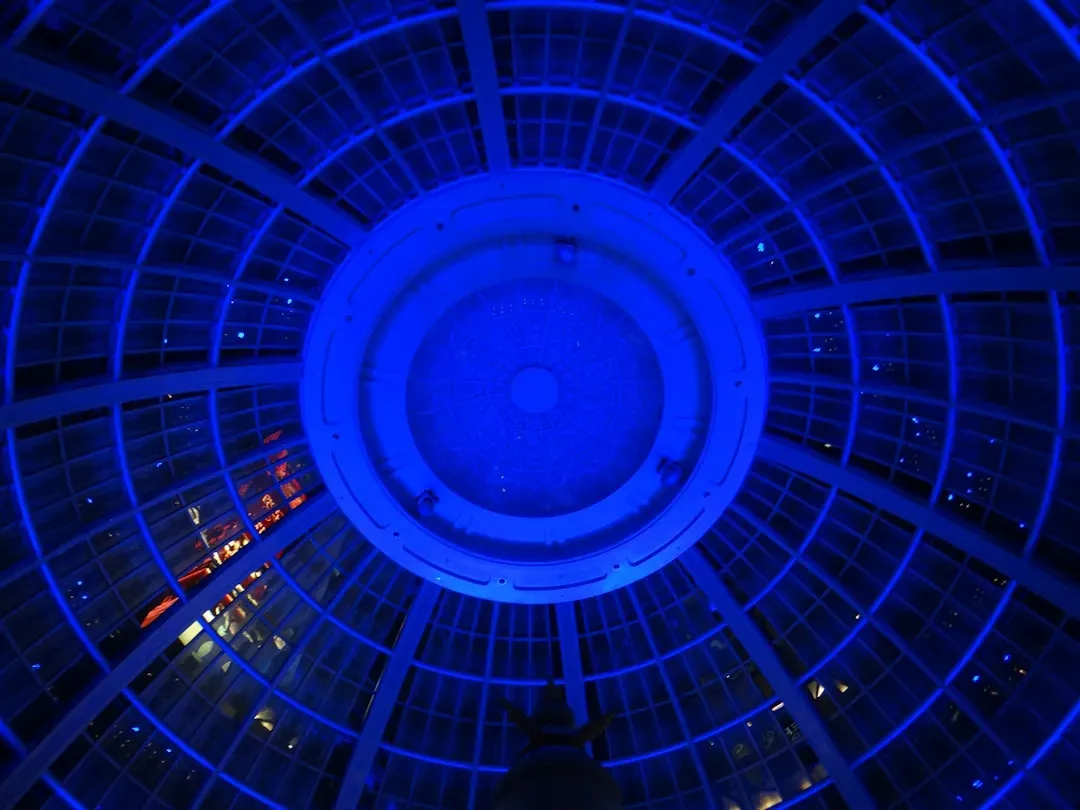
The Sphere is not just another big, expensive arena. Architecturally, it fuses structure, media facade, immersive interior, and urban spectacle into a single object-building. Its exosphere is a programmable LED shell, its interior bowl is wrapped with the world’s largest 16K LED display, and its sound system reaches a level of precision usually associated with headphones, not 20,000-seat venues.
For architects, developers, and interior designers across the United States, the Sphere is more than a viral Las Vegas attraction. It is a case study in how event venues are shifting from “boxes with seats” to fully choreographed experiences, where every surface, every pixel, and every decibel are part of the design brief.
The Sphere Is Already Expanding Beyond Vegas
In 2024, the venue generated a total of $420.5 million, beating Madison Square Garden, whose parent company also owns the Sphere, for the top revenue spot, which generated a total of $294.8 million, according to Billboard. That financial performance made the argument for expansion almost automatically.
The Maryland expansion is part of the company’s broader global push. In 2024, it announced plans to build a Sphere in Abu Dhabi that would be the same size as the one in Vegas. It was also aiming to build one in Stratford, London, but that was rejected by local officials.
The past few years have been a great age for location-based entertainment, due to the reduction of costs of immersive technologies and a surge in interest from people wanting in-person experiences after the pandemic. The dome idea is considered particularly strong because you can get a lot of people in there to have a shared experience. Immersive experiences in general are having a significant moment right now.
AREA15 and the Immersive District Model

Gensler collaborated with AREA15 to plan and design their expanded 80-acre immersive ecosystem, and the ongoing evolution redefines what an entertainment district can be through story-driven placemaking, bold programming, and outdoor activations. What AREA15 has achieved is something few urban entertainment districts elsewhere have managed to replicate.
AREA15 in Las Vegas changes all the time with quirky, unique, and affordable offerings. AREA15 has a 30 percent visitor return rate. People come back repeatedly because they know that every time there will be something interesting and different to engage with. That retention metric is something urban planners and real estate developers in other cities are paying close attention to.
As people continue to crave a variety and diversity of communal experiences, developers are turning to vibrant, mixed-use environments to unlock opportunities that attract visitors, tenants, and revenue streams in new and unexpected ways. AREA15 offered an early, working proof of concept for that idea.
From Spectacle to Neighborhood: The Mixed-Use Shift
The purchasing preferences of the millennial market are shifting the typology of new-build projects in Vegas towards mixed-use, entertainment-driven schemes over traditional casinos, which author and architect Stefan Al has termed “integrated resorts.” This shift has been felt well beyond Nevada.
Traditionally the epitome of an automobile-oriented Sun Belt city, Las Vegas faces the challenge of becoming more sustainable in the 21st century by developing walkable urbanism and mixed-use neighborhoods. That evolution has been complicated by the drastic economic and social changes unleashed by the pandemic. UnCommons, a $400 million, 40-acre mixed-use community being developed in southwest Las Vegas by San Diego-based Matter Real Estate Group, is intended to solve those problems.
The project includes over 500,000 square feet of office space, plus more than 830 residential units, an entertainment venue, a conference center, fitness facilities, restaurants, and a food hall, initially designed before the pandemic and then modified in response to it. It represents a new Vegas typology: amenity-dense, walkable, and community-oriented.
Partner offer
Symphony Park and the Urban Infill Lesson
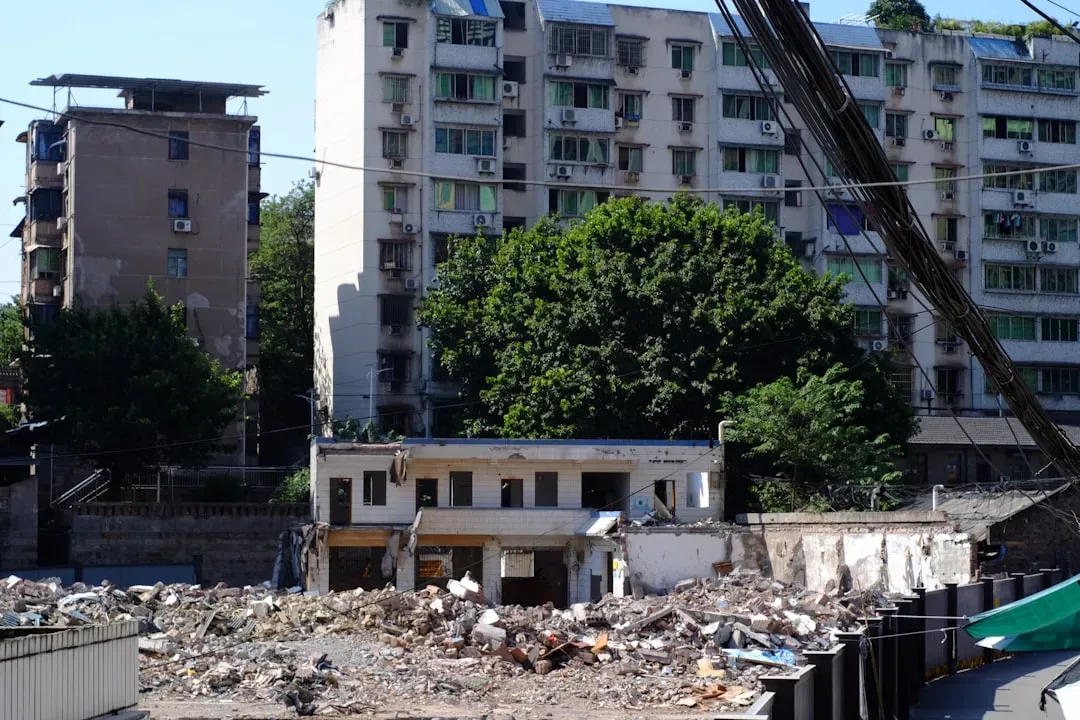
As recently as the late 1990s, the Symphony Park neighborhood was a 61-acre brownfield contaminated with petroleum, solvents, and assorted metals. Today, it is home to the Smith Center, the Cleveland Clinic Lou Ruvo Center for Brain Health, World Market Center, and a steadily growing number of upscale apartments and townhomes.
The future Las Vegas Museum of Art will be the city’s first stand-alone museum, designed by Pritzker Prize-winning architect Francis Kéré. In fall 2024, the City of Las Vegas granted the museum two acres of land in Symphony Park, neighboring the city’s downtown arts district, as part of a public-private partnership. The transformation of a contaminated wasteland into a cultural district is a model with direct relevance to post-industrial sites in cities across the country.
With investments in pedestrian-friendly streetscapes, public transit access, and outdoor gathering spaces, the Arts District is becoming a model for urban redevelopment. Other cities from Phoenix to Denver are watching closely.
Sports-Anchored Development as an Urban Engine
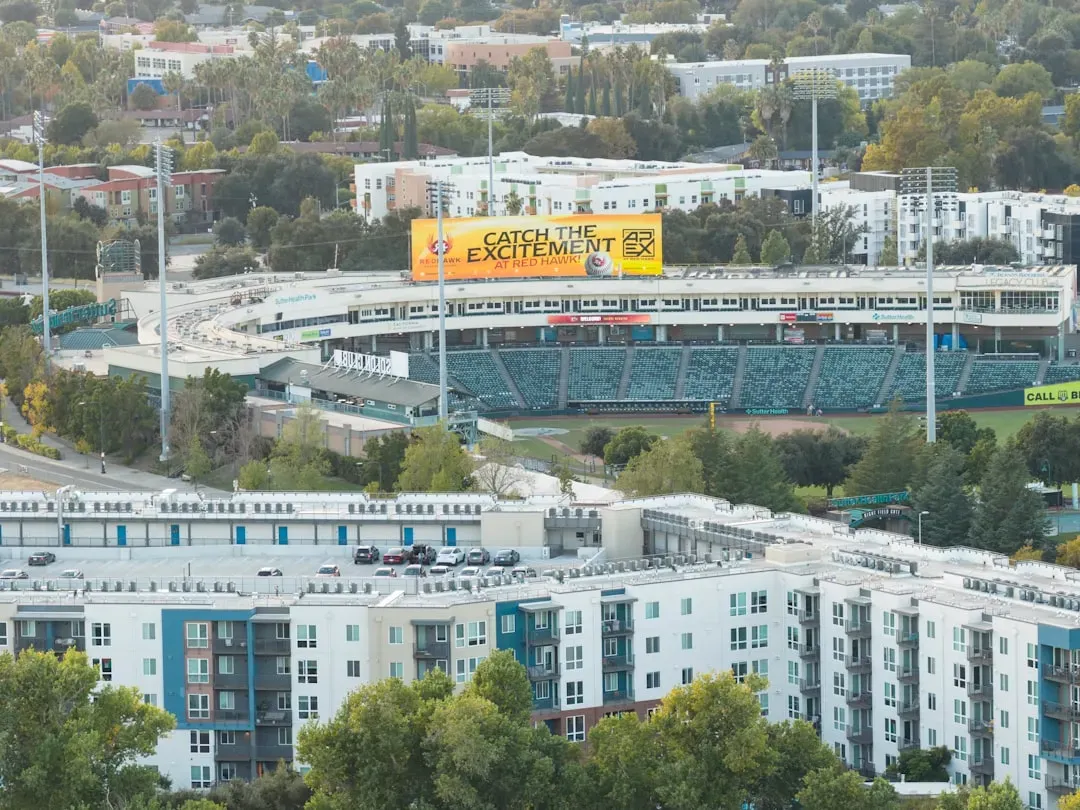
The next big development trend is around large entertainment or sports-anchored uses. There is massive opportunity around those uses because you can completely transform an area in one fell swoop. The mega developments of the past were always big office buildings or campuses, but now, the anchor is generally some sort of entertainment or place that brings people together.
Following the October demolition of the Tropicana Hotel and Casino, Bally’s Corporation and the Oakland A’s are set to construct a $1.5 billion ballpark and resort on the site. Construction is scheduled to start by spring 2025, with plans for the A’s to debut in Las Vegas for the 2028 season after a temporary stint in Sacramento. The redevelopment of that site is itself an urban planning story.
When talking about the repositioning of cities, it is about transforming the public realm, which requires public-private partnership. Impactful development is increasingly found around sports and entertainment districts, which have the money, the wherewithal, and the opportunity to make really big moves and transform places. Sports, the arts, and live activations are uses people can rally around together, and they build a collective pride of place and experience.
The Sustainability Tension at the Heart of Vegas Growth
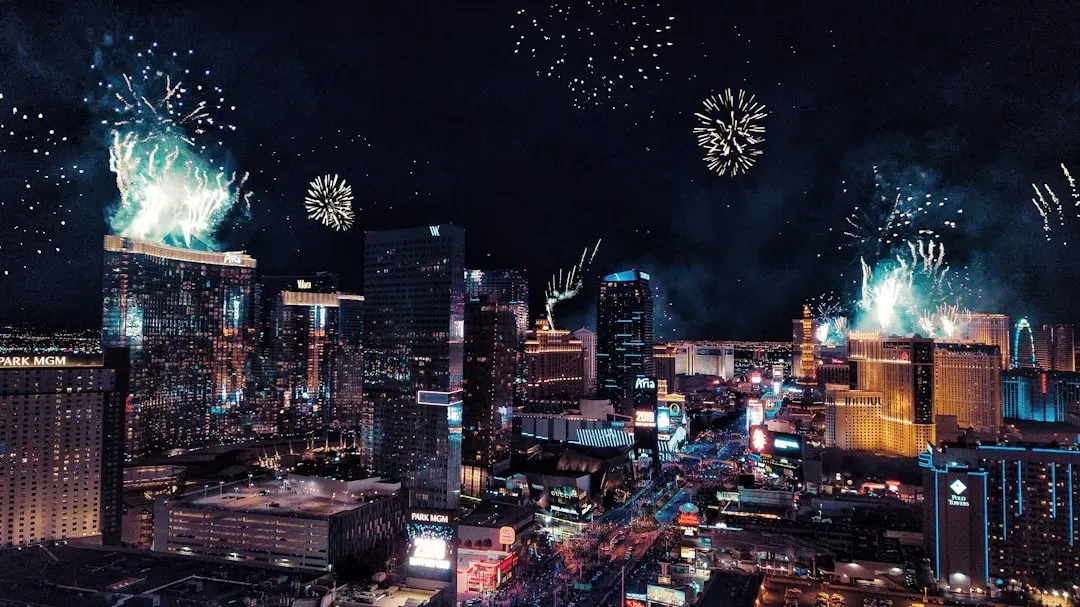
If Las Vegas is a hospitality epicenter, it is also a global industry with global challenges, particularly those arising from climate change. The city’s explosive growth cannot be separated from the environmental pressures it creates and, increasingly, the design responses it generates.
Roughly 62 percent of Las Vegas in 2019 was zoned for low-density, single-family homes, according to Marco Velotta, senior management analyst at the Las Vegas Planning Department. To reshape zoning trends, in 2021 Las Vegas adopted a state-mandated 2050 Master Plan that promotes mixed-use and transit-oriented development.
According to a 2021 research report by Climate Central on the urban heat island effect, Las Vegas’ average downtown temperatures are 5 degrees higher than surrounding areas. Peak afternoon temperatures are even hotter, 15 to 20 degrees higher than suburbs with more trees and less pavement. How the city responds to that heat challenge is itself becoming a design case study for other arid-climate cities like Phoenix, Tucson, and Albuquerque.
What Other Cities Are Borrowing from the Vegas Playbook
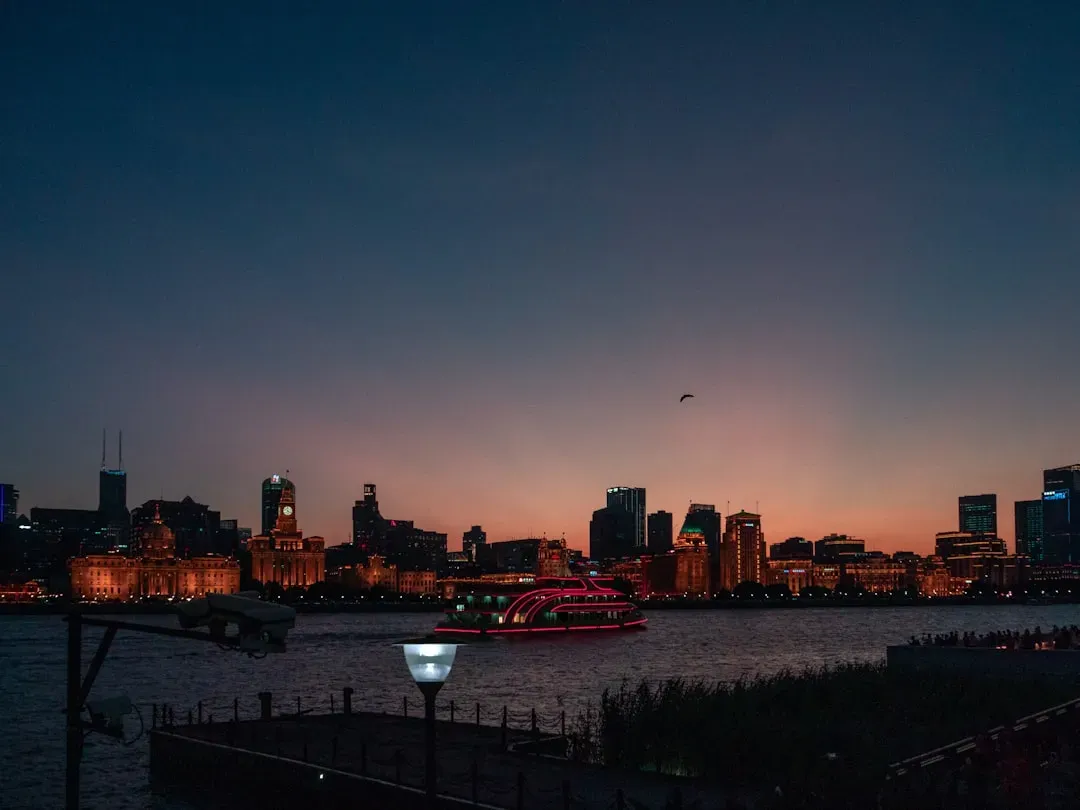
Macau reclaimed hundreds of acres of the South China Sea to build a Las Vegas-style Strip, and Singapore, a model city for urban development throughout Asia, styled its new central business district Marina Bay Sands on a Las Vegas-style resort. The influence flows in every direction, not just outward from Nevada.
Other cities introducing light railway have seen a development boom, with mixed-use high-density projects following the initial investment in public transport and public space, from Portland to Phoenix and Denver. Las Vegas is now studying those very cities for lessons on how to make its own infrastructure work better.
The city’s growth model now emphasizes connectivity, walkability, and mixed-use development, design principles long associated with global cities but newly implemented at scale in Las Vegas. Cities like Atlanta’s Centennial Yards and Boston’s Hub on Causeway are drawing from the same integrated entertainment-anchor model that Vegas pioneered decades earlier.
The Limits of the Vegas Model and What Planners Must Weigh
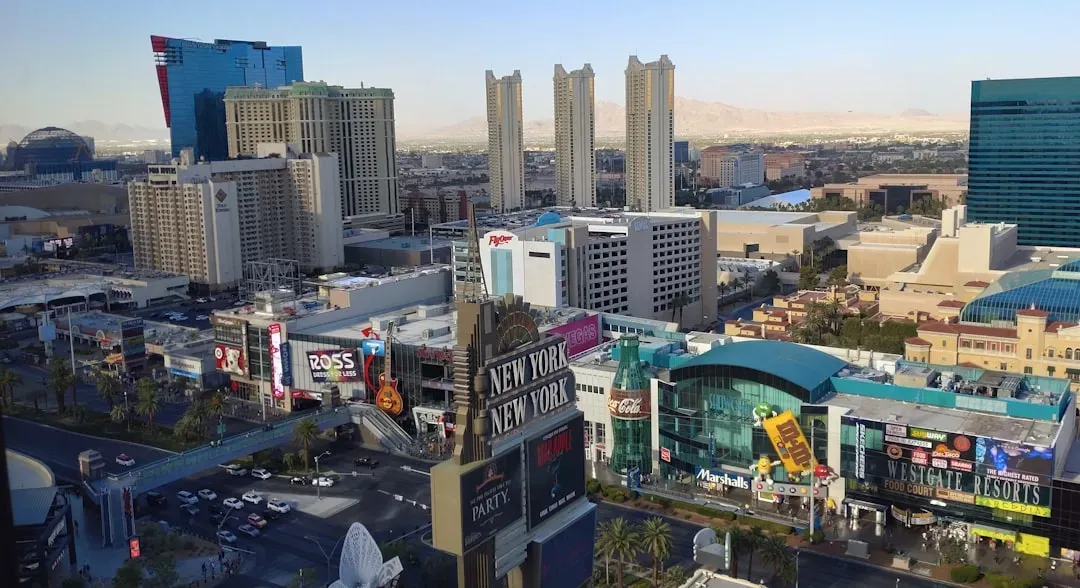
The Strip is a strong example of a city largely built by private investment, and as a consequence, public policy is heavily shaped by private profit motives, one of the reasons why the benefits of urban projects are unevenly distributed and economic gain has priority over social benefits. That tension is not unique to Las Vegas, but it is unusually visible there.
Housing affordability remains a critical tension, with median rents rising 18 percent over the past three years amid steady population growth. Gentrification in historic neighborhoods like Downtown and the Arts District threatens long-term residents and small businesses, spurring calls for inclusive zoning and affordable housing quotas.
Las Vegas has an opportunity to embrace a stronger sensibility of living in the desert and creating buildings that are designed to last and contribute to the built context over time. The hope is to develop more sound urban planning, diversity in the programming of urban spaces, and a trend towards localized neighborhoods that form a network of enclaves, providing unique experiences within the greater context of the Las Vegas valley. Whether or not the city fully realizes that vision, the experiment itself is already shaping how architects and planners think about American cities in the decades ahead.
The broader lesson from Las Vegas may be this: a city built almost entirely around spectacle eventually starts asking the harder questions about permanence, equity, and sustainability. Other American cities are not waiting for those answers. They are already borrowing the most compelling parts of the Vegas design vocabulary, without always reckoning with the full cost of doing so. That is worth paying close attention to.Partner offer
Planning a trip to Vegas?
Compare hotel rates and show tickets on VEGAS.com.