



Walk into any casino on the Las Vegas Strip and the bright lights promise fortune. Walk a few blocks away and you might actually have a better shot at keeping your money. That simple geography lesson matters more than ever in 2026, because the gap between what the Strip keeps and what off-Strip casinos return to players has grown wide enough to measure with real data. We’re talking state-tracked percentages, decades of reporting, and rule changes you can verify right on the casino floor.
Here’s the thing, though. When people ask which casinos have the best odds, they’re usually mixing up three completely different questions. Slot machines work one way, blackjack rules work another, and sportsbooks shift week to week based on results, not generosity. Public data only goes so far. Nevada doesn’t publish a leaderboard of which individual casino pays out the most. Instead, regulators group results by area, and those area-level numbers tell a consistent story year after year. Let’s dig into what you can actually verify and what’s just wishful thinking.
What “Better Odds” Actually Means, Game by Game


Before we rank anything, let’s clear up the confusion. The reporting area with the highest hold, the Las Vegas Strip, is 45% higher than the lowest reporting area, Reno. That’s a massive spread, and it applies specifically to slot machines. Slot hold is the percentage of every dollar wagered that the casino keeps, calculated across millions of spins. Lower hold means more money returned to players as a group.
Blackjack odds depend entirely on the rules posted at each table. A 3:2 payout on a natural blackjack versus a 6:5 payout changes your expected loss dramatically, not because one casino is luckier but because the math of the payout structure shifts the house edge by more than a full percentage point. Sportsbooks are different again. The “hold” there reflects how games played out that month, not how generous the lines were. However, sportsbooks benefited from a significantly stronger hold, which climbed to 9%, compared to just 1.8% in December 2024. That swing had everything to do with favorites covering and underdogs losing, not with worse prices for bettors.
So when we talk about , we need to be clear. We can rank areas for slot hold using Nevada Gaming Control Board data. We can identify casinos with verifiable blackjack rule improvements. We cannot produce a single “best casino” number that covers everything, because that’s not how the reporting works.
Slot Hold by Area Shows a Clear Winner for Locals


Let’s start with the most transparent number in Nevada gaming. The data, however, shows a gradual tightening over the years, with the statewide average hold rising from 6.55% in 2004 to 7.15% in 2025. That’s the big picture, and it’s not encouraging if you play slots. Over two decades, machines across Nevada have been programmed to return less to players.
The geographic breakdown matters much more. The Las Vegas Strip is the area that generates over half of the state’s total revenue; Downtown Las Vegas produces less revenue, but is still a significant market; the Boulder Strip gives insight into the Las Vegas locals market. And the Boulder Strip consistently beats the Strip on slot hold. From 2004 to 2025, the Strip’s hold has been 45% higher than Reno, the lowest reporting area. For locals, that means casinos along Boulder Highway and in neighborhoods like Henderson have historically offered better slot value than anything you’ll find near Caesars or Bellagio.
It’s hard to ignore the trend, honestly. Although there is a great deal of variability from month to month, in general slot hold percentages have been climbing slightly over the past ten years. Month to month, hold jumps around. Over years, the direction is clear. If you’re playing slots regularly, the Boulder Strip area and Reno remain the areas where, on average across many visits, you’re giving up less per dollar wagered.
Why You Can’t Rank Individual Casinos Using Public Data


Here’s where it gets tricky. Nevada doesn’t publish hold percentages for individual properties. Though slot hold has increased, on average, since 2004, there has been a great deal of fluctuation in the monthly hold, and from month to month there is little predictability about exactly which way slot hold is trending. That lack of predictability applies to short-term snapshots at single casinos, too. You might visit a casino on a hot week when hold dips, or a cold week when it spikes, and neither tells you what the programmed return actually is.
The state groups results by reporting area and by revenue range. Big casinos with millions in monthly slot revenue get lumped together. Smaller properties get grouped separately. This makes it impossible to say “Casino X has a 5.2% hold and Casino Y has a 6.8% hold” with official numbers. You can say the Boulder Strip as a whole averages lower hold than the Strip as a whole, and that’s useful.
That’s why claims like “this casino is loose right now” are usually hype. Without casino-by-casino public data, you’re relying on anecdotes or selective marketing. What you can rely on is the area trend over many years. That’s the closest thing to a verifiable ranking for slots, and it consistently points away from the Strip.
Palms Goes All-In on Player-Friendly Blackjack Rules

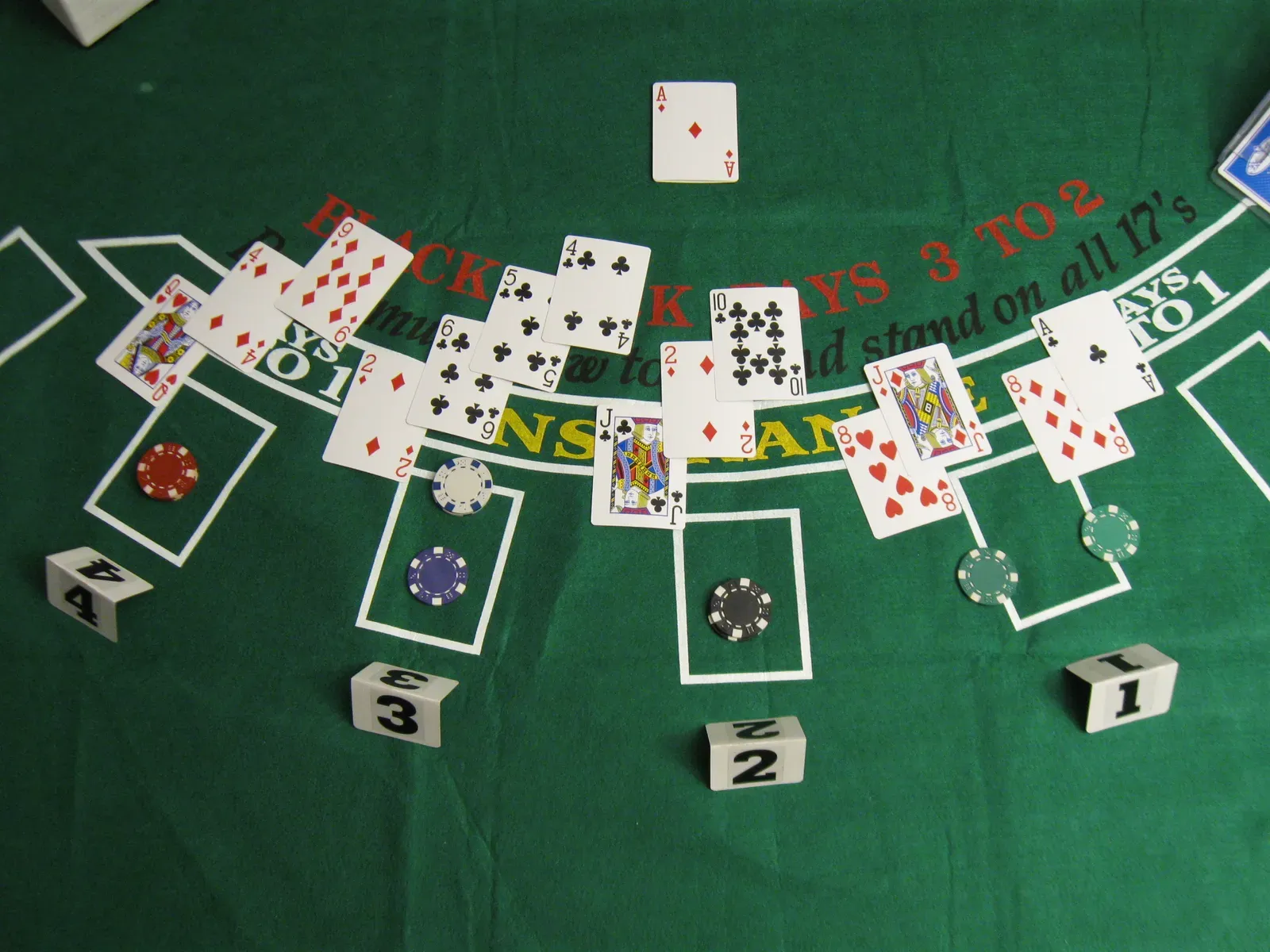
Slots are one thing. Table games are another, and the best news for local blackjack players in 2025 came from the Palms. Palms casino-hotel is now paying 3:2 on all blackjack tables. The rule change applies to all blackjack tables on the main casino floor and in the high-limit areas. This wasn’t a small tweak. The property-wide change at Palms went into effect on Valentine’s Day.
Why does this matter so much? A $3 difference may not seem like a big deal, but it increases the house edge by nearly 1.4%. Over hundreds of hands, that gap becomes real money. The Palms decision stands out because it went against the industry trend. Many casino operators pushed the envelope after the pandemic in terms of raising table minimums and introducing games with a significantly enhanced house edge, such as triple-zero roulette and 6:5 blackjack. Palms reversed course, and they did it property-wide.
The casino also held the line on minimums. Palms offers $5 blackjack and $5 craps 24 hours a day, seven days a week. That combination of better payout structure and low table minimums is exactly the kind of signal that points to better odds for players who know the rules matter as much as the cards.
Strip Blackjack Increasingly Requires High Limits for 3:2 Payouts


Meanwhile, on the Strip itself, finding a decent blackjack game without a hefty minimum has become a scavenger hunt. The minimum bet for a 3:2 blackjack game in this part of the central Las Vegas Strip is usually $25 or $50, even during slower hours. That’s the new baseline at properties like Caesars, Bellagio, and Aria. Want to play for less? You’re likely stuck with 6:5 tables, which dramatically worsen your odds.
Some Strip casinos have carved out exceptions. A new 3:2 game popped up in the pit in late 2025. These eight-deck games offer double-down before and after splitting, plus the surrender option. Flamingo added a few tables, and a handful of others followed. These aren’t the norm, though. They’re the exception that proves the rule. If you want consistent access to player-friendly blackjack rules at reasonable minimums, you’re better off heading to off-Strip properties or downtown.
The gap is measurable in dollars per hand. Over a long session, the house edge difference between 3:2 and 6:5 blackjack adds up faster than most casual players realize. For anyone playing blackjack regularly in 2026, knowing where the 3:2 tables are – and what minimums they require – is essential homework.
Downtown and Off-Strip Properties Compete on Rules, Not Glitz

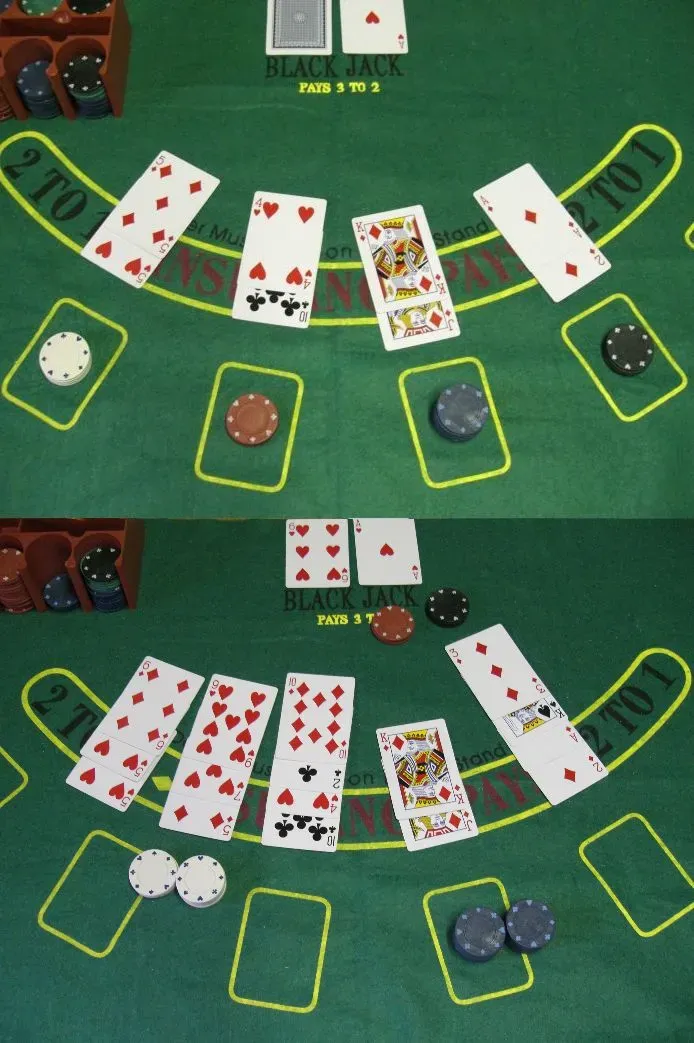
Step outside the Strip bubble and the competitive landscape shifts. Downtown casinos like the Golden Nugget and Fremont, along with off-Strip names like Ellis Island and Gold Coast, have kept 3:2 blackjack available at lower limits. Ellis Island deals double-deck and six-deck blackjack. Both games pay 3:2 and the dealer hits a soft 17. These aren’t high-roller rooms. They’re everyday tables where locals sit down with a couple hundred bucks and play for a few hours.
Partner offer

Other off-Strip properties followed suit. The best off-strip blackjack game is a four-way tie between M Resort, Palace Station, Palms, and Mohegan Casino at Virgin Hotels. All four casinos deal six-deck games in their high-limit salons that allow a double-down before and after splitting, surrender, and re-splitting aces. The dealer stands on all 17’s. Those are among the lowest house-edge blackjack games you’ll find anywhere in Las Vegas in 2026, and they’re all off-Strip.
The strategy here is obvious. These casinos can’t match the Strip on spectacle, so they compete on value. Better rules, lower minimums, and consistent availability become the draw. For players who care more about expected return than Instagram backdrops, that’s a winning formula.
Sportsbook Hold Swings Don’t Reflect Line Quality

Let’s be real: judging sportsbook “odds” by monthly hold percentages is a mistake almost everyone makes. Hold swings wildly based on outcomes, not on how sharp the lines were. However, sportsbooks benefited from a significantly stronger hold, which climbed to 9%, compared to just 1.8% in December 2024. That jump didn’t mean December 2025 had worse lines for bettors. It meant favorites covered more often and parlays busted at higher rates.
Sportsbooks compete on juice and market availability, not on rigging outcomes. A Strip book and a locals book might both post the same NFL lines within a few cents. The difference comes in parlay limits, promotional boosts, and whether they’ll take your action at all if you win too often. Those factors aren’t tracked in public hold data, so ranking sportsbooks by hold is essentially ranking them by luck.
That said, locals books often offer better loyalty perks and fewer restrictions. They want your repeat business, not your Instagram post. If you’re a serious bettor, the best “odds” come from finding a book that doesn’t limit you the moment you show a profit, and that’s something you’ll only learn through experience.
What Signals “Better Value” That You Can Actually Verify
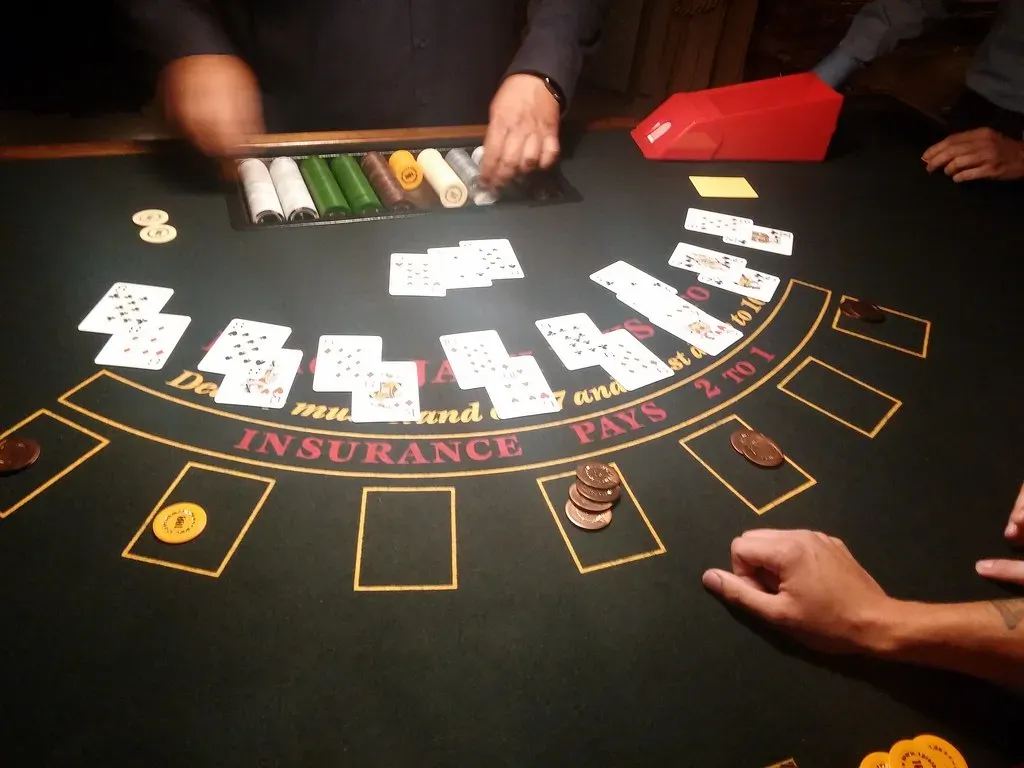
So how do you make smart choices without a published ranking of every casino’s payout percentage? Focus on signals you can confirm yourself. For slots, check which reporting area the casino falls into. Boulder Strip properties, Reno-area casinos, and some downtown spots consistently show lower hold in Nevada Gaming Control Board reports. For blackjack, walk up to the table and read the placard. 3:2 payouts, dealer stands on soft 17, double after split allowed – those rules cut the house edge.
Lower fees matter, too. Some Strip casinos charge resort fees that dwarf what you’ll pay at a locals property, effectively raising the cost of every dollar you gamble. Parking, drinks, and comped meals factor into total value. A casino that charges for parking and raises table minimums during busy hours is squeezing you in ways that don’t show up in hold percentages.
Honestly, the best tool you have is patience. Don’t assume marketing claims are true. Verify the rules, compare area data, and track your own results over time. The casinos that consistently offer better odds don’t need to shout about it. The numbers speak for themselves if you know where to look.
The Strip Tightening Trend Is Real and Documented


Let’s address the elephant in the room. The UNLV report highlights that while the hold percentage has increased, the returns to players have decreased over time. In 2025, that percentage had risen to 7.15%, meaning players now win back only 92.85% of their wagers. That’s a statewide average, but the Strip leads the tightening. Strip slot hold has consistently run higher than the rest of Nevada for more than two decades.
Regulators monitor this closely. The Nevada Gaming Control Board (NGCB) has clarified that any such attempts would be impossible to execute unnoticed due to frequent audits and monitoring of gaming machines. So this isn’t casinos cheating. It’s casinos choosing higher hold settings within legal limits, and players choosing to keep playing anyway. The Strip can get away with it because tourism volume matters more than locals’ repeat business.
Off-Strip casinos serve a different customer base. They need locals coming back week after week, month after month. Tighten the slots too much and your regulars vanish. That’s why Boulder Strip and locals properties maintain lower hold on average. It’s economics, not charity, and it works in your favor.
What Public Data Can and Can’t Tell You About 2026

The Nevada Gaming Control Board publishes monthly revenue reports, and UNLV compiles long-term slot hold summaries. Those are your two most reliable sources. What they can tell you: area-level trends, long-term averages, and which parts of the state consistently offer better slot returns. What they can’t tell you: which specific casino has the loosest slots this week, or which blackjack pit is running the friendliest rules right now.
That gap between what’s reported and what players want to know creates space for myths. “This casino just got new machines, they’re paying out to attract players.” Maybe, or maybe they’re set to the same hold as the old ones. “The casino near the airport is loose because they want to grab tourists on the way out.” Possible, but the data shows Strip-adjacent properties don’t behave differently from the rest of the Strip cluster.
Use public data as a baseline. Treat area trends as reliable over time. Verify table rules yourself before you sit down. That’s the closest you’ll get to a real ranking without casino-by-casino RTP disclosures, which Nevada simply doesn’t require.
What Locals Actually Need to Know in 2026

If you live in Las Vegas and gamble regularly, the takeaway is clear. For slots, stick to Boulder Strip properties, downtown casinos, or off-Strip locals joints. The data backs that up across decades. For blackjack, verify the payout structure and rules before you play. The Palms, Ellis Island, and several Station properties offer 3:2 games at reasonable minimums. The Strip mostly doesn’t, unless you’re willing to play at higher limits or search for the handful of exceptions.
Sportsbooks are harder to rank by “odds” because hold doesn’t measure line quality. Focus instead on limits, loyalty programs, and whether the book respects winners. Locals sportsbooks generally treat regular bettors better than Strip books hunting for tourist parlay money. Don’t chase short-term hold stories. They don’t predict your results.
The gap between Strip and off-Strip value has widened, not narrowed, in recent years. The Palms move to 3:2 blackjack across the board shows that off-Strip casinos see an opening. They’re betting that better rules and lower hold will pull in locals and savvy visitors who do their homework. So far, the data suggests they’re right. Did you expect the numbers to be this clear? What would you have guessed before digging into the state reports?
Partner offer
Planning a trip to Vegas?
Compare hotel rates and show tickets on VEGAS.com.


