A Tightening Grip on Tips


Workers who receive qualified tips may deduct up to $25,000 of those tips annually from their taxable income for tax years 2025-2028, according to a new federal provision. That sounds like a win. The problem is, no one’s entirely sure who really wins yet.
The Culinary Union has watched this policy unfold with what you could call cautious skepticism. Roughly six million workers report tipped wages nationwide, according to IRS estimates. In a city where tipped workers form the backbone of hospitality, it’s easy to see why a change in federal tax treatment gets everyone’s attention.
Still, here’s the thing. Nevada has more than five percent of all workers relying on tips as a key part of their income, the highest percentage of tipped workers in any state, per the Tax Policy Center. What makes this new rule complicated is that undocumented workers are ineligible, and a valid Social Security number is required. For a union representing a workforce drawn from 178 countries, that limitation lands differently.
Strip Contracts at Historic Levels

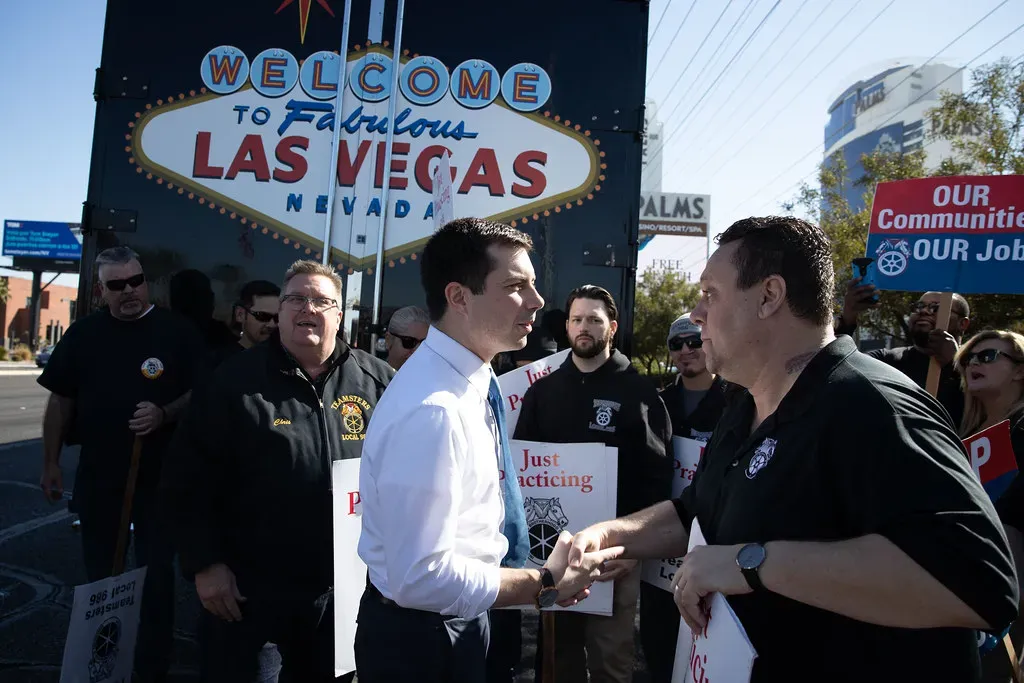
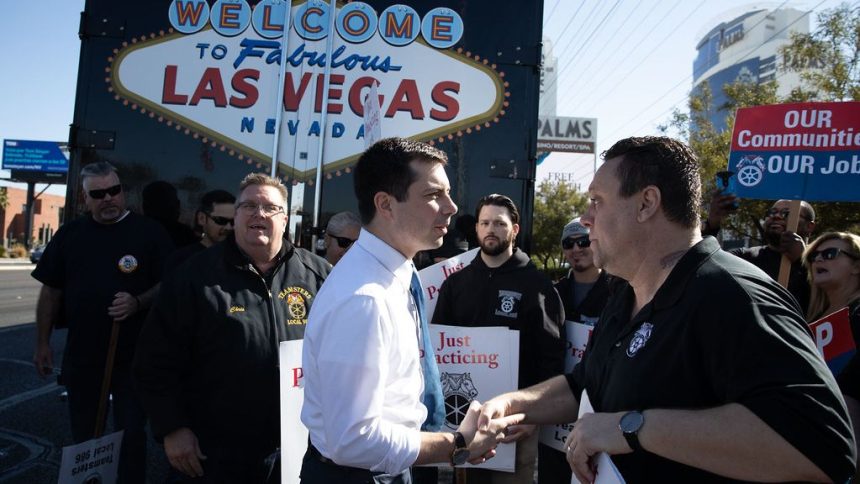
Let’s be real, the union just scored a historic win. For the first time in the Culinary Union’s 90-year history, all major casinos on the Las Vegas Strip are unionized, the Associated Press reported in late 2024. That includes properties like the Venetian and Fontainebleau, long holdouts against union representation.
Recent Strip contracts delivered a 32% pay increase over five years, with union casino workers projected to average about $35 per hour including benefits by the end of the contract term, according to AP reporting. Those gains took years of organizing, strikes, and negotiation. They also happened against a backdrop of relatively stable federal labor policy. That backdrop is now shifting.
Federal Labor Board in Flux

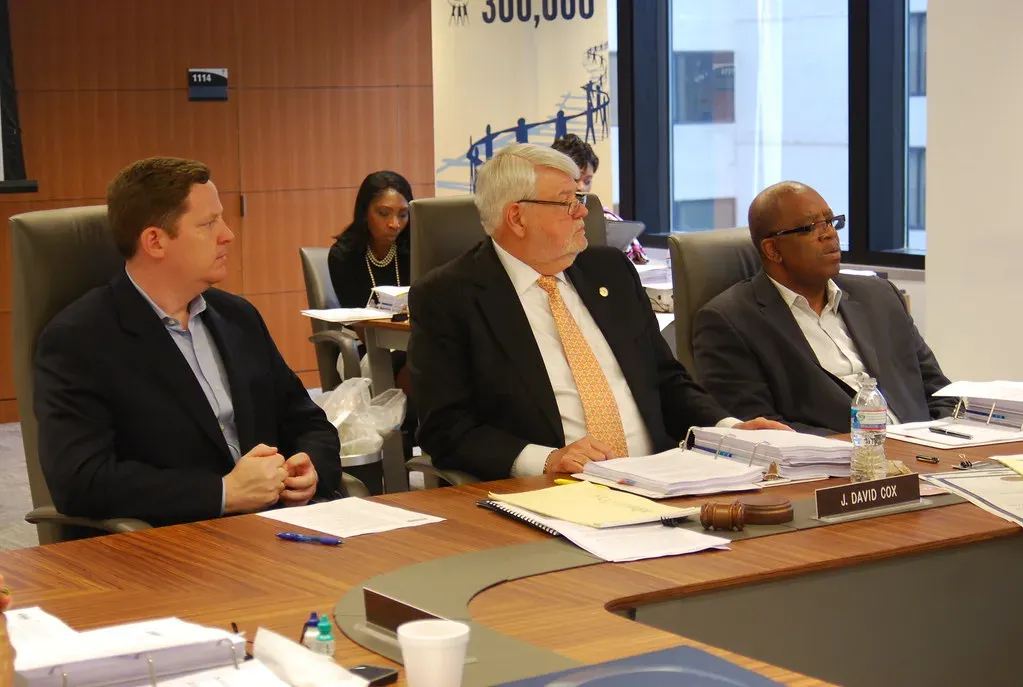
On January 21, 2025, President Trump appointed Marvin Kaplan as the Board’s new Chair, and the same day the Board issued a refreshed outline of law and procedure for representation cases, including reinstatement of the blocking-charge policy, according to legal industry reporting. The National Labor Relations Board, which governs union organizing and labor disputes, has faced unprecedented turnover.
The NLRB requested $285.2 million for Fiscal Year 2026, a 4.7% cut from Fiscal Year 2025, and the budget reduction includes cutting nearly 100 full-time positions through buyouts and early retirements, which at a time of increasing labor-law enforcement demand may leave the NLRB unable to fulfill its statutory mandate. Fewer staff, less funding, longer waits. That’s the reality facing workers trying to organize or file complaints.
Immigration Worries on the Ground

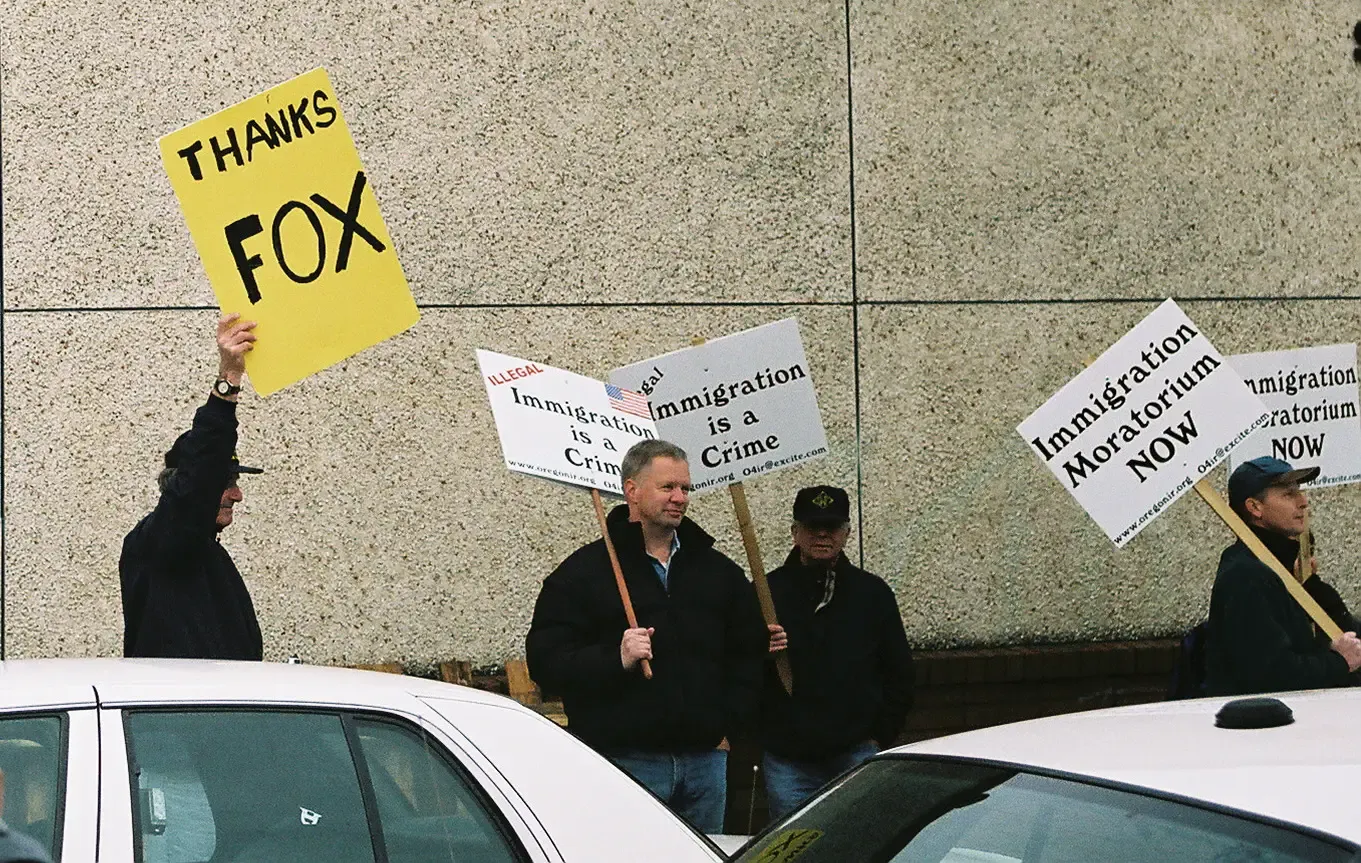
This one feels more immediate. One-third of U.S. hospitality industry workers are foreign-born, and Unite Here Local 17 in Minneapolis said some workers are too afraid to leave their homes as ICE continues to carry out operations, according to U.S. News reporting from early February 2026.
The Culinary Union is backed by 60,000 members, most of them in Las Vegas, and the union has openly said 45% of its members are immigrants. Congress caps H-2B visas at 66,000 annually, and for FY 2025, DHS added 64,716 supplemental visas, bringing the total available to more than 130,000. Yet even with that expansion, demand outpaces supply, and uncertainty about enforcement levels means many workers live in a state of quiet dread.
President Trump’s promise to carry out the largest deportation of undocumented individuals while limiting foreign worker immigration is causing unique concerns in the hospitality industry, from resorts that rely heavily on seasonal H-2B visa workers to specialty restaurants that rely on uniquely qualified chefs, according to legal advisors writing for Littler in late February 2025.
Tourism Numbers Are Sliding

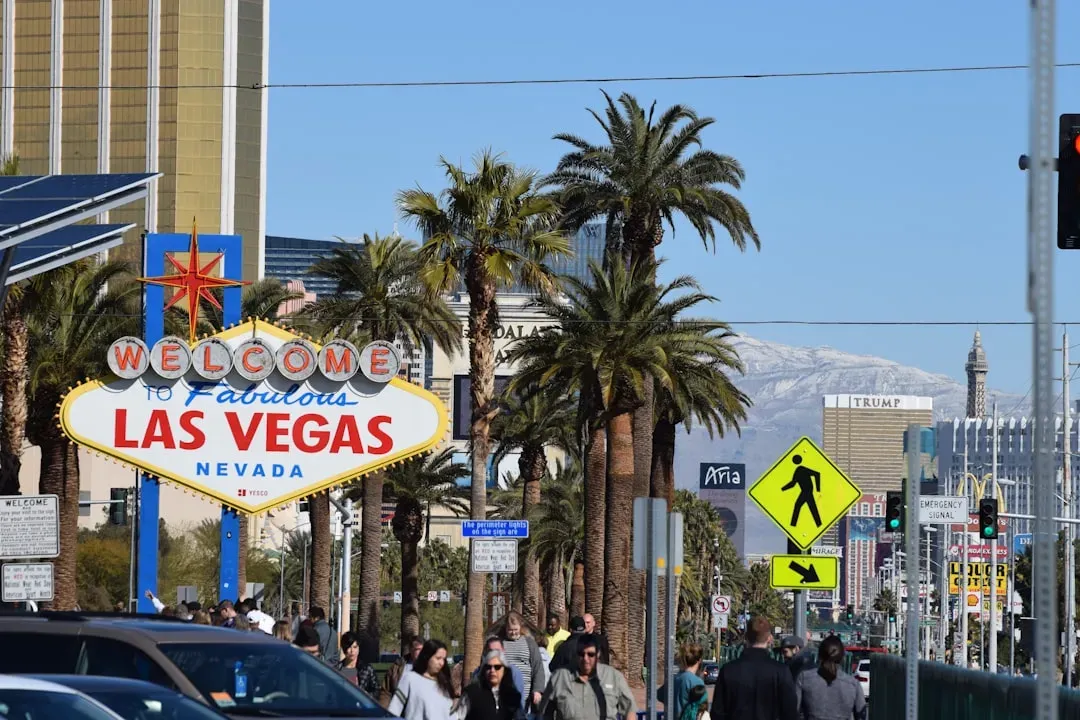
It’s hard to ignore what’s happening at the turnstiles. Visitation to Las Vegas fell 7.5% in 2025 to 38.5 million people, annual hotel occupancy averaged 80.3% down 3.3 percentage points from the previous year, and average daily room rate fell 5% to $183.52, according to the Las Vegas Convention and Visitors Authority.
Those declines hit union workers directly. Fewer rooms booked means fewer housekeepers scheduled. Lower convention turnout means lighter shifts for servers and bartenders. The drop is due to a variety of factors, including President Trump’s tariffs and immigration policies impacting international travel, experts told the Las Vegas Sun. When tourism softens, labor’s bargaining power softens too.
Tax Policy That Helps Some, Not All
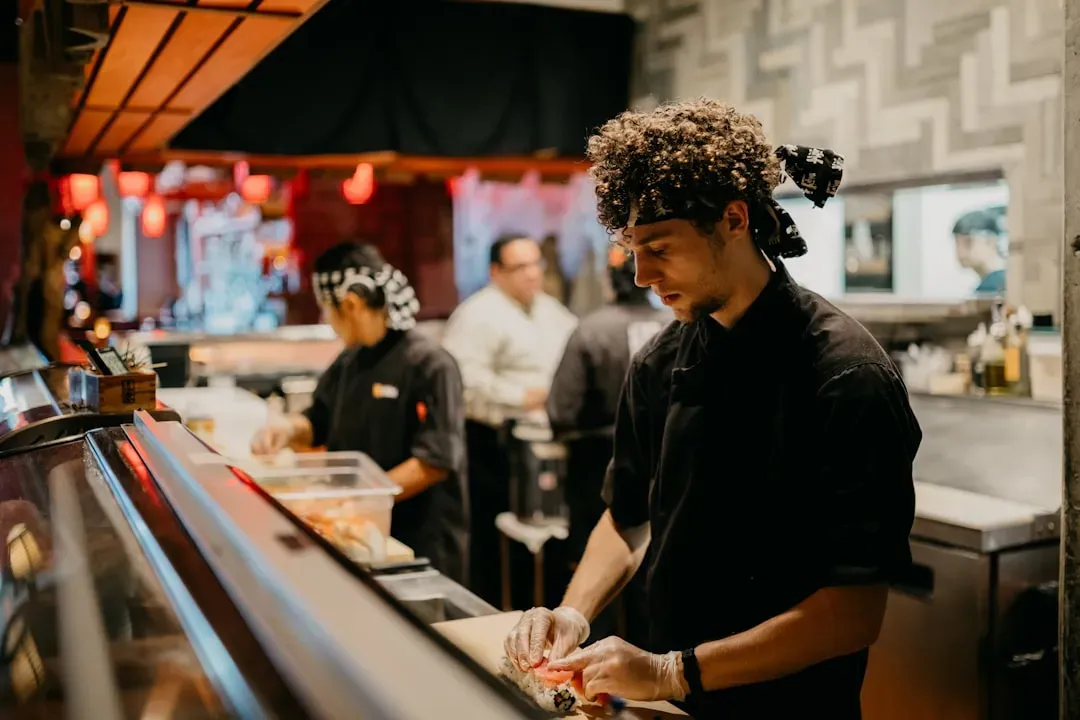
The new tip deduction is being sold as a lifeline, particularly for workers in states like Nevada. Yet the deduction would phase out for individuals with modified adjusted gross income over $150,000 and for married couples over $300,000. Most culinary workers won’t hit those limits, so that part’s fine.
The catch? Restaurant employers who add mandatory tips to checks generally would need to account for the difference between voluntary tips that are eligible for the deduction and mandatory tips that are not eligible, going back to the beginning of 2025. That complexity creates room for errors, disputes, and paperwork that can quietly erode the benefit.
Honestly, the union has been through decades of fine-print battles. They know that a policy announced with fanfare can come with clauses buried six pages deep.
A Workforce Built on Immigrants

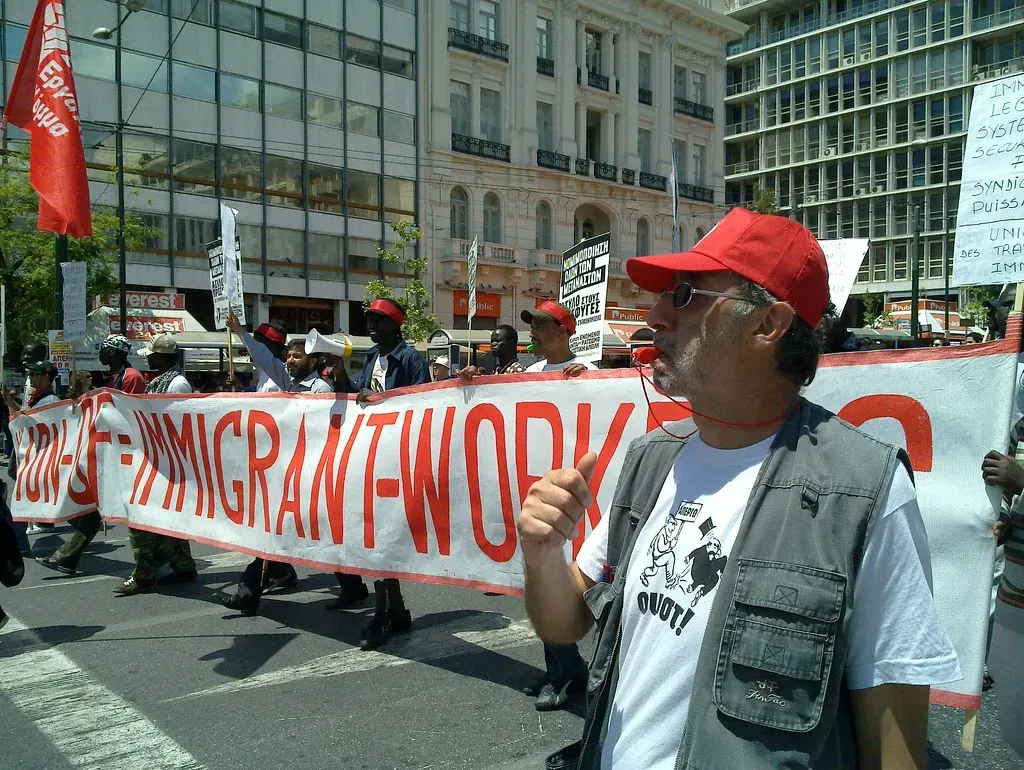
The travel and tourism sector supports roughly 15 million U.S. jobs, with hotels directly employing about 8 million, and approximately one-third of those roles held by immigrants; within traveler accommodations, over 31% of workers are foreign-born, ranking the industry fourth among private-sector fields by workforce share, and foreign-born individuals accounted for 19.2% of the civilian labor force in 2024, up from 18.6% in 2023.
For the Culinary Union, that’s not a statistic. That’s their membership hall. When federal agencies talk about ramping up workplace enforcement or tightening visa caps, the union hears the potential for empty seats at contract ratification votes. Forty percent of people in Illinois’ food service industry are immigrants, and the hospitality industry here in Chicago would not exist without the immigrant community, according to the Illinois Restaurant Association President speaking to WBEZ Chicago in September 2025. Las Vegas isn’t far behind that profile.
Minimum Wage Debates Are Still Alive

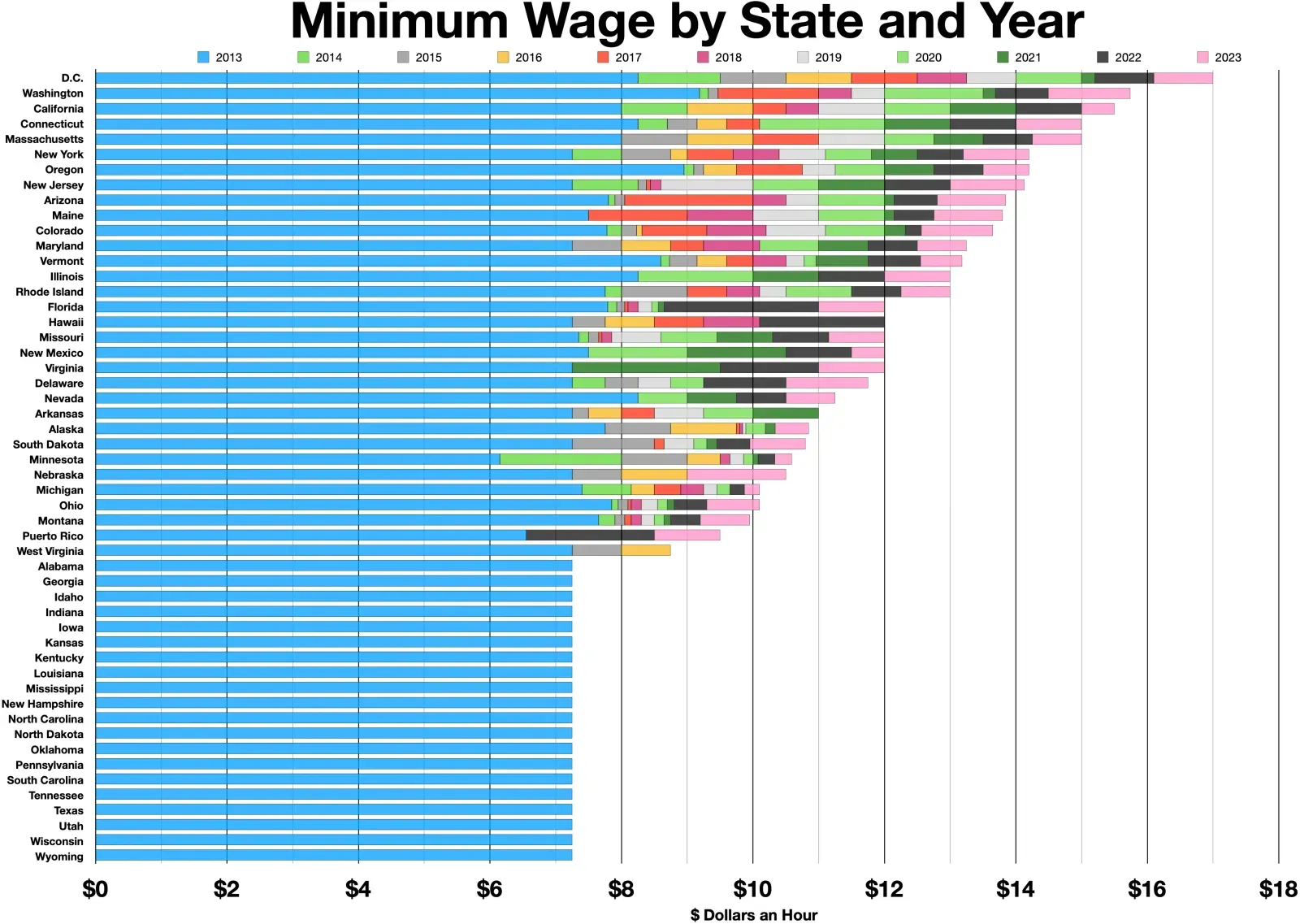
Nevada sets its own minimum wage, currently tied to a two-tier system depending on health benefits. The federal minimum hasn’t budged in years. That disconnect matters less when union contracts deliver wages well above the floor. Yet any shift in federal labor standards can ripple outward.
The union knows what happens when Washington signals a hands-off approach to wage enforcement. Compliance slips. Violations rise. Workers hesitate to report problems. Even in heavily unionized Las Vegas, where the Culinary Union runs one of the most effective grievance systems in American labor, federal policy sets the tone.
Federal Agencies Shifting Priorities

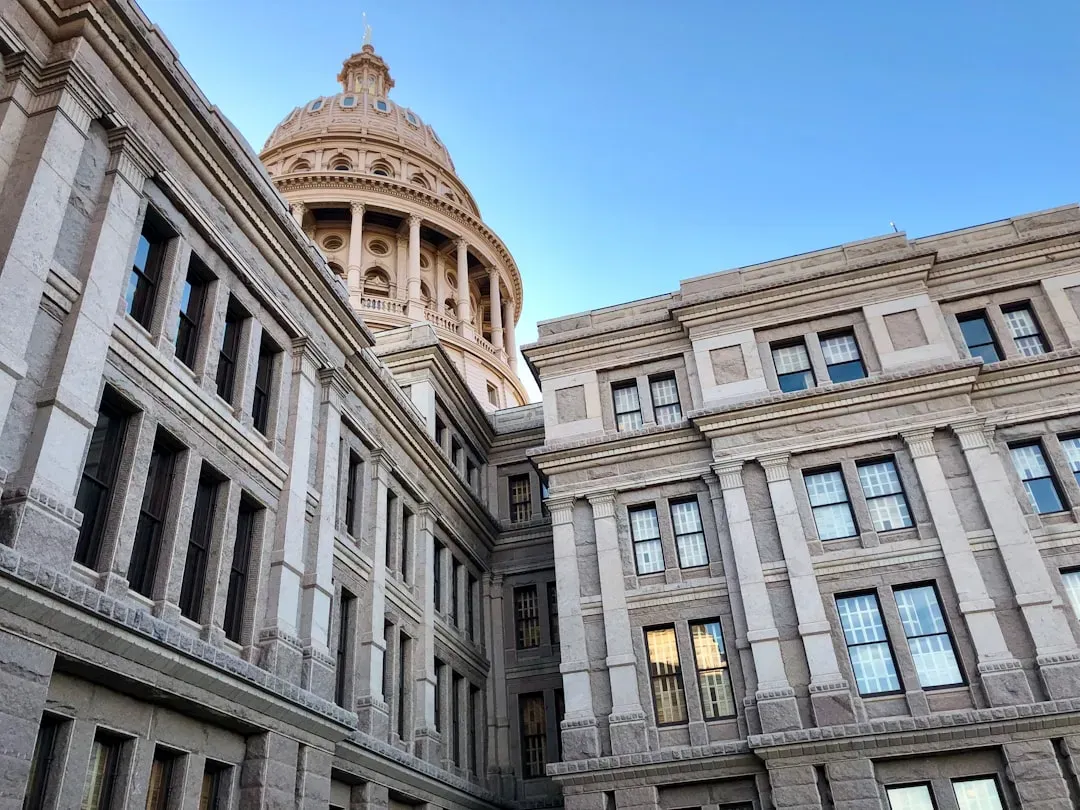
Jennifer Abruzzo, a former union lawyer appointed by President Biden in July 2021, issued aggressive agency-directive memos expanding NLRB remedies, prohibiting employer-led workplace meetings, outlawing noncompete agreements, and recommending aggressive use of preliminary injunctive relief. Abruzzo was fired by President Trump on January 27, 2025, and policy guidance issued under her tenure has been rescinded.
What does that mean in practice? Employers may feel emboldened to challenge organizing drives. Union election timelines could lengthen. Remedies for unfair labor practices may shrink. NLRB decisions likely will lean toward being more employer friendly, labor lawyers predicted in a January 2026 outlook. The Culinary Union operates in a right-to-work state where workers can’t be forced to join or pay dues. Every policy tilt matters.
Why This Moment Feels Different
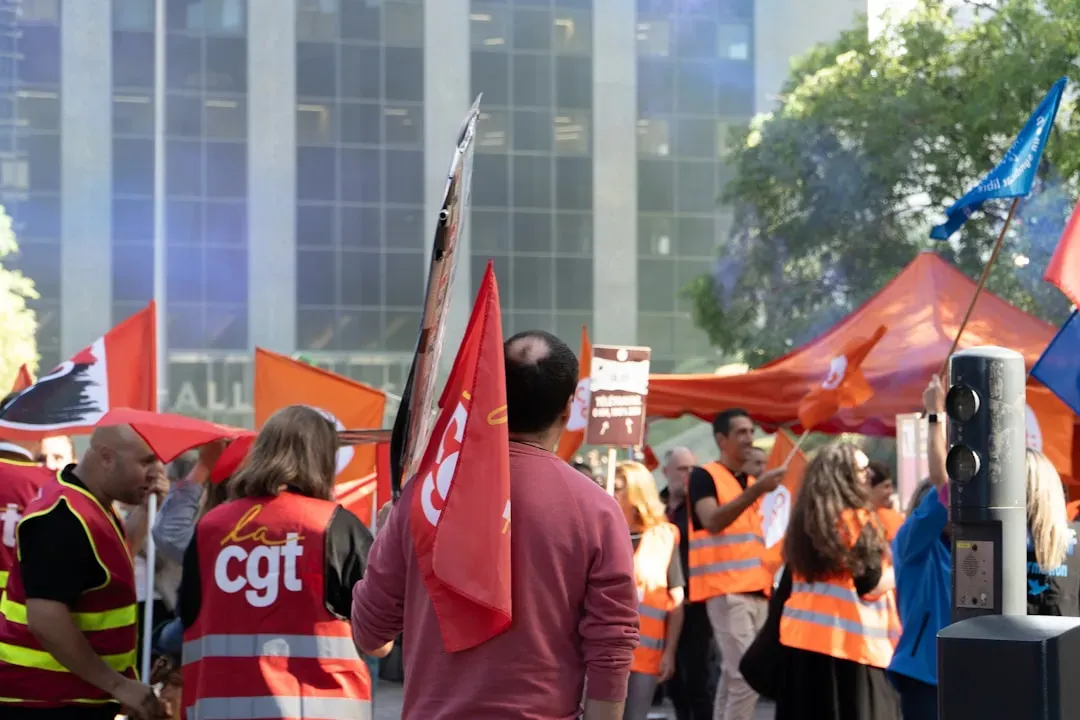
The union just achieved something remarkable. Every major Strip casino is now under a collective bargaining agreement. Pay is up. Benefits are up. Yet the wins feel fragile. About 10% of U.S. workers belonged to a union in 2024, down from 20% in 1983, according to Bureau of Labor Statistics data cited by PBS.
The Culinary Union is bucking that trend, tripling its membership between 1990 and 2020. Still, when federal policy on tips, immigration, and labor rights all shift at once, even the strongest unions start planning for headwinds. It’s not panic. It’s vigilance. Because in hospitality, one slow quarter can erase years of contract gains if the workforce isn’t protected.
What happens next depends partly on how aggressively federal agencies enforce or relax existing rules, and partly on whether tourism rebounds or continues to soften. Either way, the Culinary Union isn’t waiting to find out. They’re already bracing.