Shattering Records in Lunar Vicinity (Image Credits: Flickr)
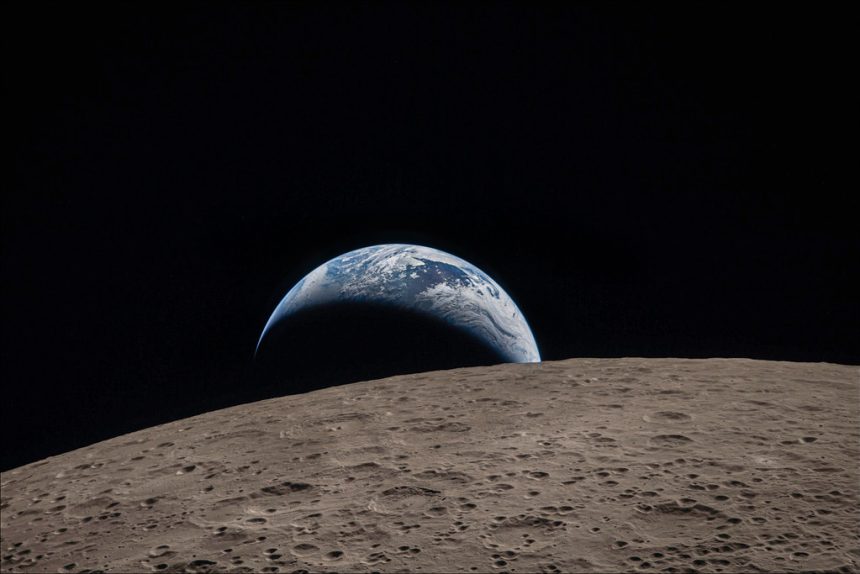
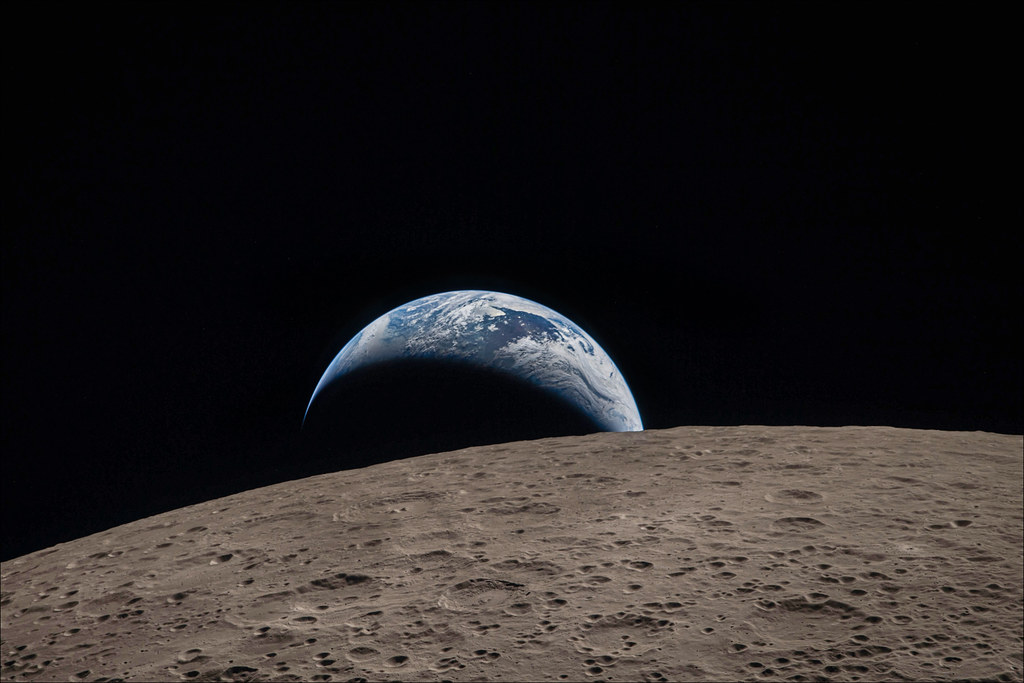
The Artemis II astronauts completed a daring lunar flyby that shattered distance records for human spaceflight. They transmitted more than 50 gigabytes of photographs and data, highlighting a poignant Earthset view that mirrors Apollo 8’s legendary Earthrise from 1968.[1][2] This influx offers scientists fresh insights into lunar geology while stirring public awe at Earth’s delicate silhouette against the Moon’s rugged horizon. Mission control in Houston buzzes with activity as the crew approaches a scheduled Pacific splashdown.
Shattering Records in Lunar Vicinity
The Artemis II mission marked humanity’s farthest journey from Earth since Apollo, reaching 252,756 miles during the April 6 flyby.[3] Commander Reid Wiseman, pilot Victor Glover, and mission specialists Christina Koch and Jeremy Hansen flew the Orion spacecraft to within 4,067 miles of the lunar surface. Their path took them over the far side, enduring a 40-minute communications blackout beyond relay satellites.
Orion, dubbed Integrity by the crew, showcased robust performance despite minor challenges like a clogged waste filter.[1] NASA officials praised the spacecraft’s reliability. The flyby tested systems critical for future landings, paving the way for Artemis III in 2027.
Earthset Echoes Apollo 8’s Iconic Moment
A standout capture came at 6:41 p.m. EDT on April 6, when Earth dipped behind the Moon’s limb through Orion’s window.[4] The image reveals a crescent Earth, its day side glowing over Australia and Oceania amid shadowed night, framed by the Ohm Crater’s terraced rims and central peaks. This Earthset deliberately nods to William Anders’ Earthrise from Apollo 8, underscoring Earth’s fragility in cosmic vastness.
Astronauts marveled at the vista. Christina Koch described the view: “I never thought it would be like this – it’s amazing.”[1] Reid Wiseman added, “Wow. It’s amazing.” Such moments reinforced the mission’s emotional weight alongside its science.
Treasures from the Lunar Flyby: Photos and Data Galore
The crew snapped thousands of images using onboard cameras, downlinking over 50 gigabytes by April 7.[1] Highlights span lunar terrain and celestial events. Scientists now pore over details of craters, lava flows, and fractures to map the Moon’s evolution.
Key visuals include:
- Solar eclipse with the Moon blocking the Sun, revealing the corona as a halo; totality lasted nearly 54 minutes.[3]
- Eastern edge of South Pole-Aitken basin along the terminator.[1]
- Orientale basin and Vavilov Crater, showcasing stark contrasts in brightness and texture.
- Six meteoroid impact flashes on the darkened surface, coinciding with the eclipse.
- Crew portrait wearing eclipse glasses, a lunar first.
Lead lunar scientist Kelsey Young noted, “There’s also a lot of science hidden inside of those images.”[1] These assets will refine models for upcoming explorations.
Conversations Across the Void: Linking with ISS
En route home on April 7, the crew bridged 230,000 miles for a radio chat with International Space Station residents.[1] Christina Koch reconnected with Jessica Meir, recalling their 2019 spacewalk. Koch exclaimed, “We have been waiting for this like you can’t imagine.” Meir responded, “I’m so happy that we are back in space together, even if we are a few miles apart.”
The exchange highlighted contrasts with Apollo eras – no off-world companions then. Koch reflected on Earth from afar: “It just made it even more special. It truly emphasized how alike we are.” Such interactions humanized the high-stakes endeavor.
Toward Splashdown and Beyond
Splashdown targets 8:07 p.m. EDT on April 10 off San Diego, with recovery by USS John P. Murtha.[2] NASA Administrator Jared Isaacman cautioned, “I’ll breathe easier when we get through reentry.” The mission’s success bolsters Artemis IV in 2028, aiming for south pole landings.
| Mission Phase | Date | Key Event |
|---|---|---|
| Launch | Early April 2026 | Orion lifts off |
| Lunar Flyby | April 6 | Earthset, eclipse, records set |
| ISS Call | April 7 | Cross-void communication |
| Splashdown | April 10 | Pacific recovery |
Dr. Nicky Fox of NASA affirmed, “Our four Artemis II astronauts took humanity on an incredible journey.”[2]
Key Takeaways
- Artemis II set a new human distance record at 252,756 miles from Earth.
- Over 50 GB of data includes Earthset and eclipse images echoing Apollo history.
- Crew’s safe return on April 10 advances lunar landing goals.
This mission reignites dreams of lunar return, blending science, history, and human resilience. What do you think about the Earthset photo’s impact? Tell us in the comments.