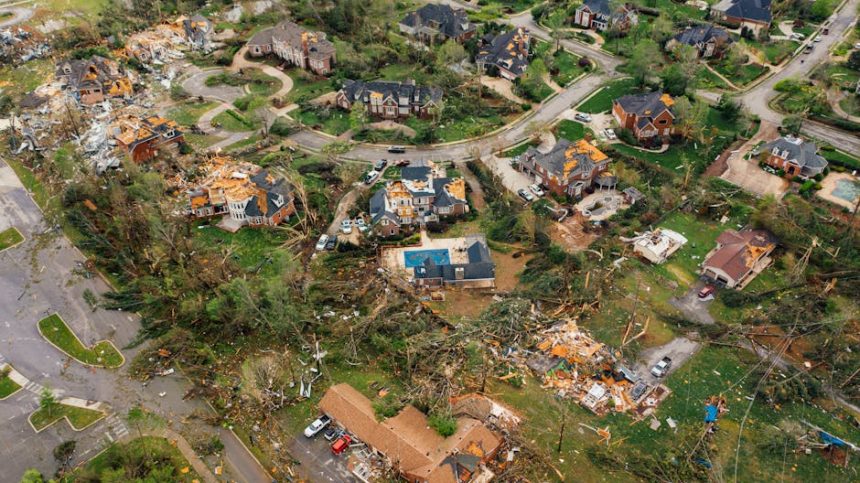

The Atlantic hurricane season runs from June 1st through November 30th. – Image for illustrative purposes only (Image credits: Pexels)
The Atlantic hurricane season follows a consistent annual calendar that guides forecasting agencies and emergency planners across multiple countries. It begins on June 1 and ends on November 30. This defined window concentrates resources on the period when conditions favor tropical cyclone development in the basin. Officials use the dates to synchronize watches, warnings, and public awareness campaigns.
Official Start and End Points
June 1 marks the formal opening of the season each year. Forecasters begin heightened surveillance of sea surface temperatures and atmospheric patterns at that time. The period extends through the final day of November, when activity typically declines. These boundaries have remained standard for decades and provide a reliable framework for coordination.
Agencies issue seasonal outlooks in advance of the June start. They adjust staffing and equipment based on the known timeline. The November close allows a clear transition back to routine operations. This structure helps avoid gaps in coverage during peak months.
Partner offer
Focus on Preparedness Measures
Communities along the Atlantic and Gulf coasts align their readiness plans with the season dates. Local governments review evacuation routes and shelter capacities well before June. Insurance providers and utility companies also ramp up response teams during this window. The fixed schedule reduces uncertainty for long-term planning.
Public education campaigns intensify in the weeks leading into the season. Residents receive reminders about supply kits and communication strategies. Once November passes, attention shifts to recovery assessments and lessons learned. The cycle repeats with the next June 1 opening.
Transition Beyond the Season
After November 30, tropical cyclone formation becomes far less common in the Atlantic. Monitoring continues at a lower level through the winter months. Any late-season systems receive the same attention as those earlier in the year. The calendar reset prepares everyone for the following June start.
This predictable rhythm supports consistent data collection and research efforts. It also allows international partners to align their own protocols. The result is a coordinated approach that spans the full six months without unnecessary extension.
Partner offer
Planning a trip to Vegas?
Compare hotel rates and show tickets on VEGAS.com.