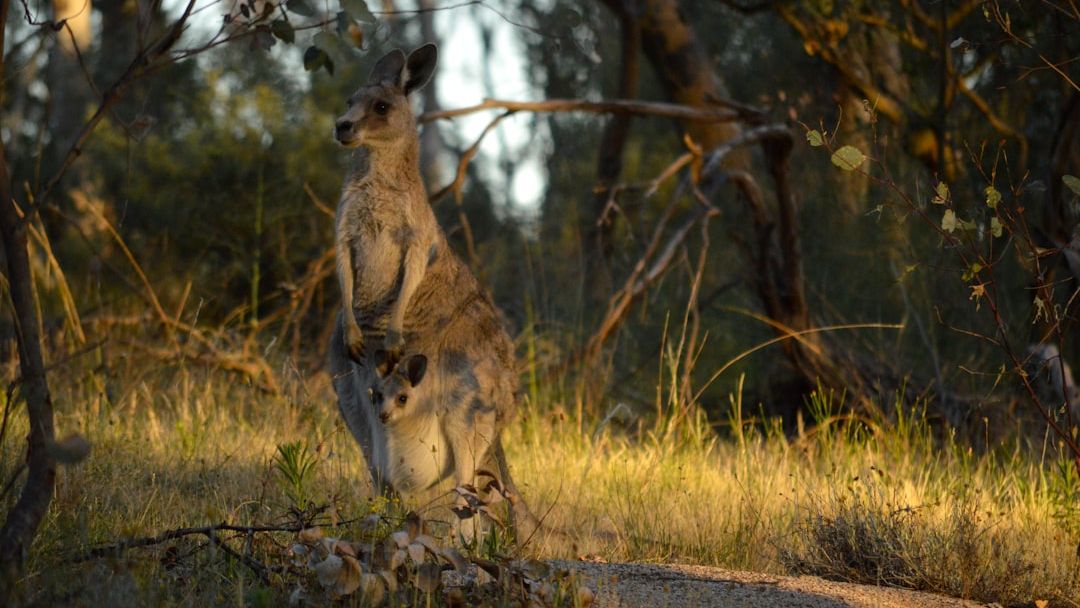

Australia’s nature is in trouble. – Image for illustrative purposes only (Image credits: Unsplash)
The Albanese government passed major reforms to the Environment Protection and Biodiversity Conservation Act late last year with the goal of reversing long-term declines in Australian wildlife. Those changes included a requirement for new National Environmental Standards to guide project approvals and state-level decisions. The latest draft of those standards, now open for public comment, has drawn sharp criticism from legal experts and conservation groups for leaving significant gaps in actual safeguards.
Reforms Aimed at Fixing a Broken System
Australia has recorded one of the highest mammal extinction rates globally, with 39 species already lost. Iconic animals such as the hairy-nosed wombat, pygmy blue whale and swift parrot remain under pressure from ongoing habitat loss. Forests continue to be cleared at high rates, while rivers and reefs face mounting threats from development and climate impacts.
The new standards were intended to set clear expectations for developers, define when projects should be rejected outright, and ensure that states applying the rules deliver measurable improvements for nature rather than slower decline. Officials described the measures as central to delivering on election commitments to end the extinction crisis.
Focus on Process Rather Than Outcomes
Legal analysts have identified the draft standards’ emphasis on procedural compliance as a central weakness. Under the current wording, a project could receive approval if the proponent completes required assessments and documentation, even when the activity would cause clear and significant harm to threatened species or ecosystems.
Partner offer

This approach shifts attention away from whether the final result protects or restores biodiversity. Experts note that destruction remains destruction regardless of how thoroughly the paperwork is completed. The standards therefore risk entrenching the same incremental losses that have characterised the existing regulatory framework.
Narrow Habitat Rules and Heavy Reliance on Offsets
The draft also adopts a restricted definition of habitat, limiting protection to only those areas whose immediate loss would drive a species to extinction. This excludes broader networks such as migration corridors, drought refuges and future climate-adaptation zones that many species require for long-term survival.
At the same time, the standards continue to treat environmental offsets as a primary tool rather than a last resort. Offsets have historically failed to replace complex, mature ecosystems that take decades or centuries to develop. The combination of narrower habitat coverage and continued offset use could accelerate the loss of critical areas while giving the appearance of regulatory progress.
Key changes sought by conservation groups
- Require decisions to be based on measurable environmental outcomes instead of procedural steps alone.
- Protect all habitat essential for species recovery, not only the narrowest possible areas.
- Assess cumulative impacts of multiple projects in a region to prevent death-by-a-thousand-cuts losses.
- Limit offsets to cases where harm cannot be avoided and no feasible alternative exists.
Time Remains to Strengthen the Final Rules
The consultation period closes on 29 May, after which the government will finalise the standards before they are presented to parliament. Conservation organisations argue that without the adjustments listed above, the new framework could lock in weaker protections than those promised during the reform process.
Stakeholders including state governments, project proponents and community groups now have a short window to submit feedback that could shape whether the standards deliver genuine recovery for Australia’s biodiversity or simply maintain the status quo.
Partner offer
Planning a trip to Vegas?
Compare hotel rates and show tickets on VEGAS.com.